Chia Seeds for Seniors: How to Get the Benefits Without Bloating
More adults over 60 are adding chia seeds to support healthy aging—thanks to their fiber, plant-based omega-3s, and easy versatility in meals. However, digestive changes that come with age (plus common medications and lower daily fluid intake) can make chia seeds feel uncomfortable at first, sometimes causing gas, bloating, or a heavy feeling.

If you tried chia seeds for better energy or heart support but ended up feeling uneasy afterward, you’re not alone. The encouraging part is that most issues improve quickly with a few senior-friendly preparation habits.
This guide walks through the most common mistakes seniors make with chia seeds and how to fix them—followed by a practical 30-day plan and simple recipes designed to be gentle on digestion.
Why Chia Seeds Need a Senior-Friendly Approach
As we age, digestion often slows down, thirst cues may decrease, and some medications can affect hydration or bowel habits. Because chia seeds are high in soluble fiber and absorb liquid rapidly, they can be incredibly helpful—or temporarily irritating—depending on how they’re used.
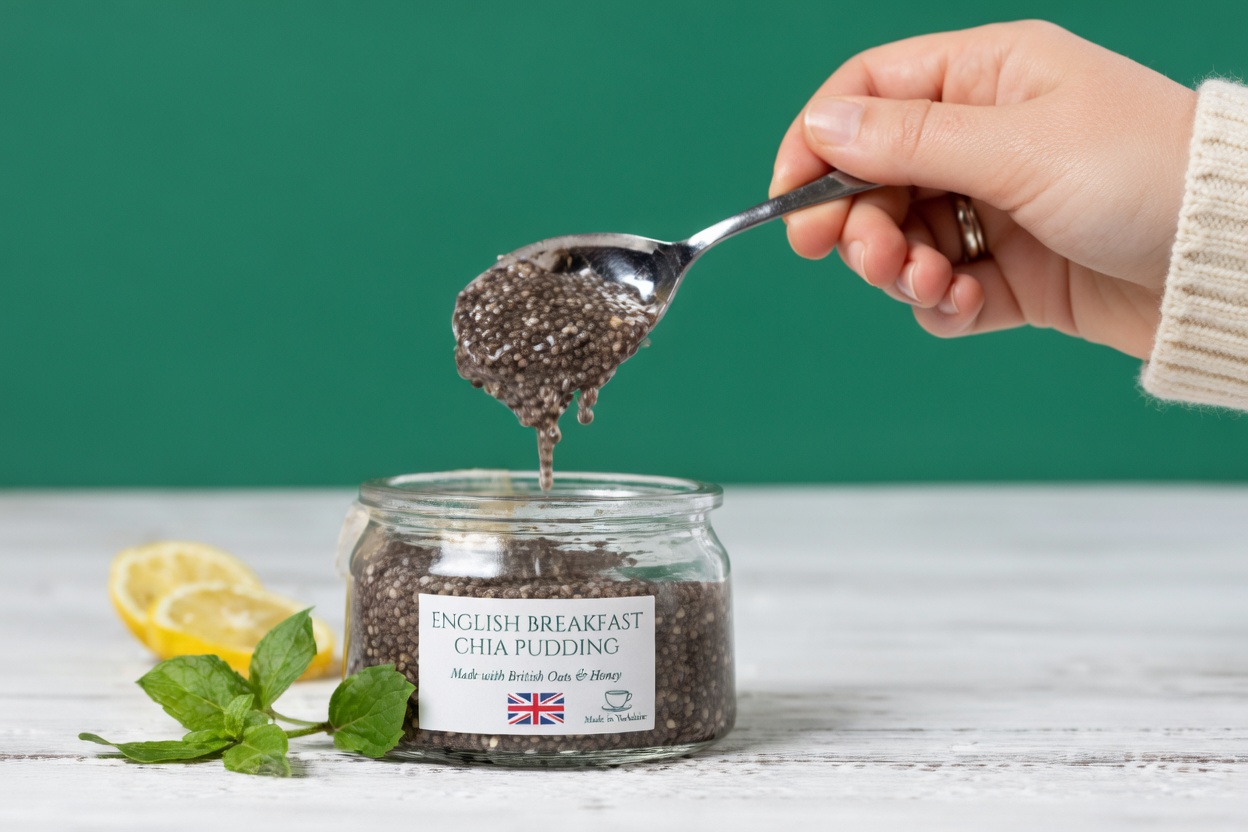
When prepared properly, chia seeds can be a convenient way for seniors to increase fiber intake, support regularity, and add healthy fats. When prepared poorly, they may contribute to short-term discomfort.
Mistake #1: Eating Chia Seeds Dry (or Barely Hydrated)
Sprinkling dry chia seeds onto salads, oatmeal, or yogurt may seem harmless, but dry seeds can soak up fluid inside the digestive tract. For seniors—especially those dealing with medication-related dryness or low water intake—this can lead to uncomfortable fullness, bloating, or mild constipation.
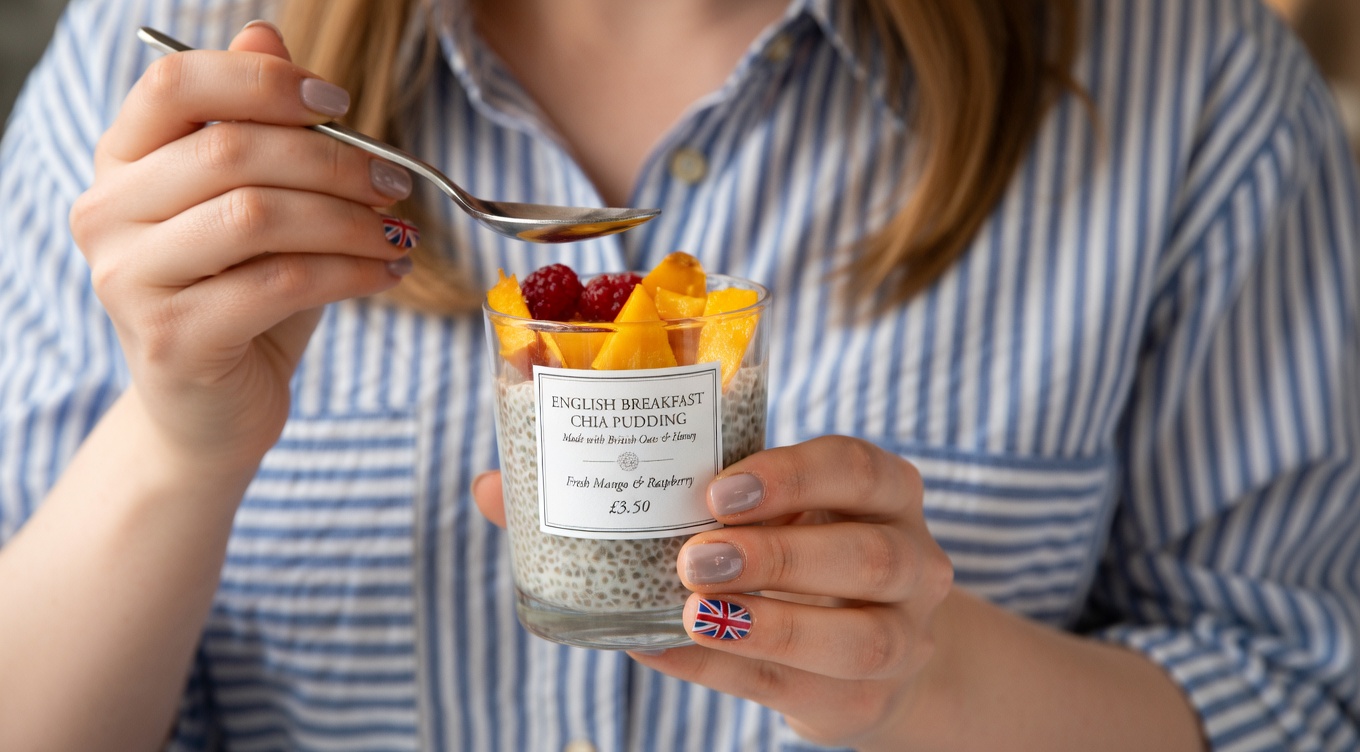
How to Soak Chia Seeds Correctly (Easy Method for Seniors)
Use this simple ratio and timing:
- Mix 1 teaspoon chia seeds with at least 1/2 cup (120 ml) liquid (water, almond milk, milk, or herbal tea).
- Let sit 15–20 minutes until it becomes a gel.
- Stir once more before adding to food.
Soaking lets chia expand before you eat it—typically making it far gentler on the stomach.
Mistake #2: Not Checking Medication Compatibility
Chia seeds contain nutrients and compounds (including omega-3 fats and significant fiber) that may not be ideal for everyone—especially seniors using medications such as:
- Blood thinners
- Blood pressure medications
- Diabetes medications
This doesn’t mean chia seeds are unsafe, but it does mean seniors should ask a clinician or pharmacist before making chia a daily habit—particularly if managing multiple prescriptions.
Mistake #3: Increasing the Serving Size Too Fast
Chia seeds are small, but they’re powerful. One tablespoon contains roughly 5 grams of fiber, which can be a big jump if you’re not used to high-fiber foods. For many seniors, suddenly adding large servings can cause:
- Gas and bloating
- Changes in bowel movements
- Cramping or digestive discomfort
A Gentle “Go-Slow” Increase Plan
- Start with 1/2 teaspoon per day (soaked)
- Increase by 1/4 teaspoon every few days if you feel fine
- Stay at a lower amount longer if your digestion feels sensitive
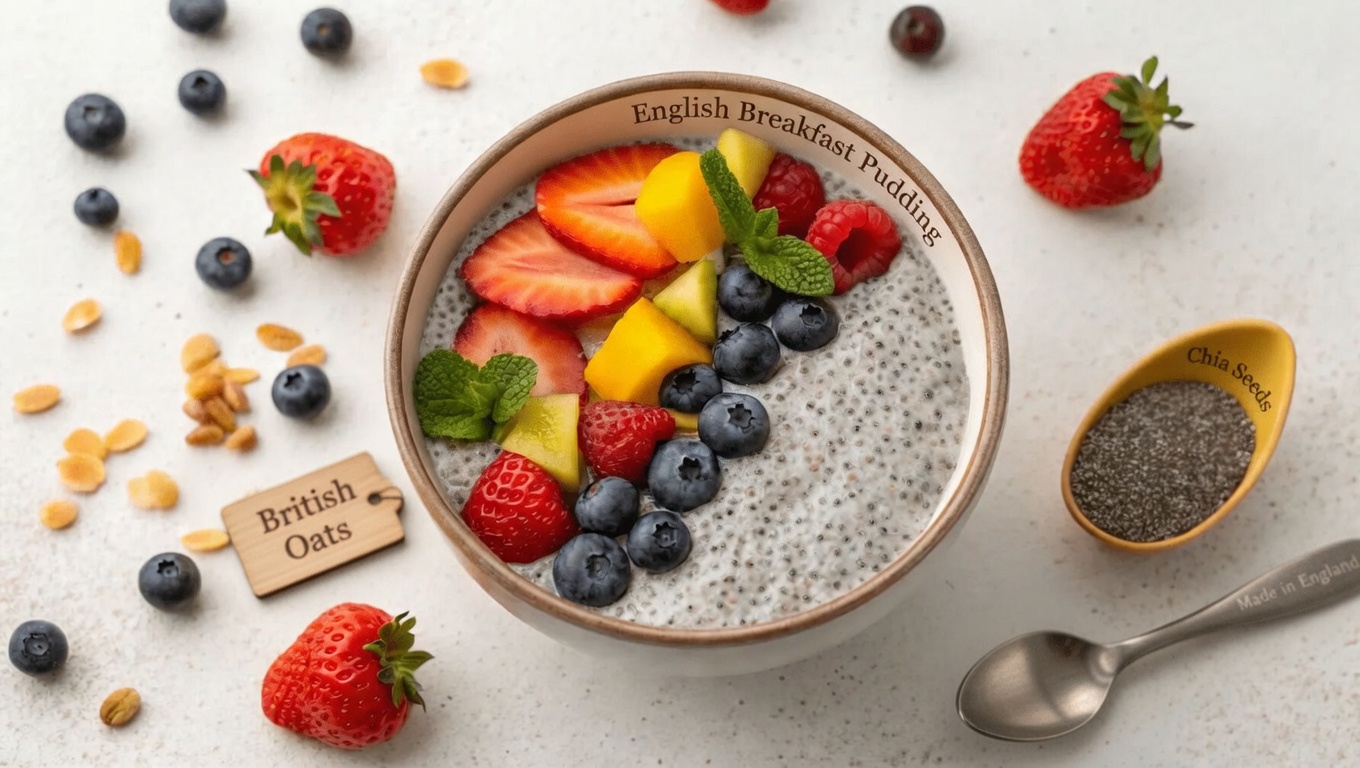
A gradual approach helps the gut adapt—often eliminating the uncomfortable phase entirely.
Mistake #4: Not Drinking Enough Fluids With Chia
Chia seeds absorb many times their weight in liquid. That’s great for texture and fullness, but it also means hydration matters—especially because dehydration is more common with age.
If you add chia while staying under-hydrated, discomfort can be more likely.
Hydration Strategy That Works Well for Older Adults
- Aim for around 8 glasses of water per day (unless your clinician has given you different fluid guidance)
- Add hydrating foods like soups, berries, cucumbers, or yogurt
- If plain water is unappealing, try lemon-infused water or mild herbal tea
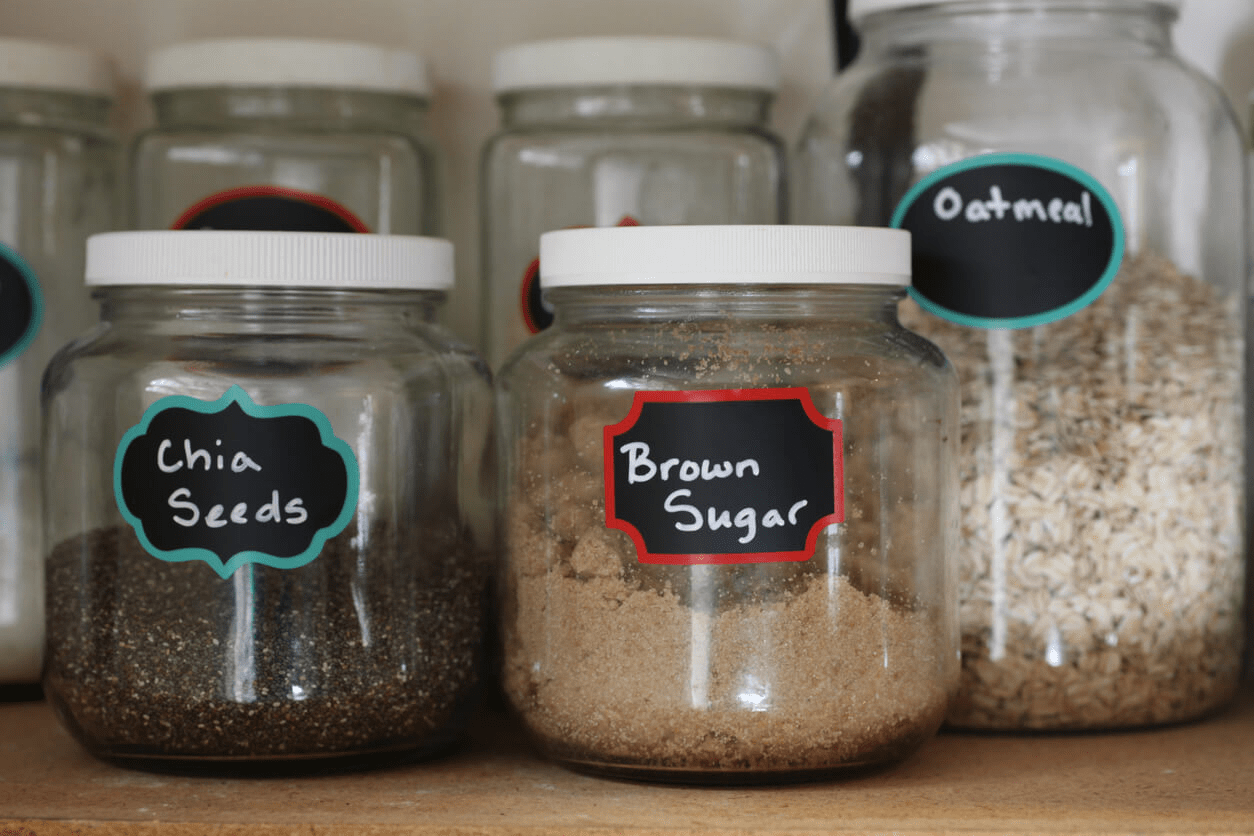
Hydration supports smoother digestion and helps chia fiber do its job comfortably.
Mistake #5: Ignoring Possible Sensitivities
True chia allergies are uncommon, but sensitivities can happen—sometimes showing up later in life. Warning signs may include:
- Itching or skin irritation
- New digestive upset that doesn’t improve with soaking
- Swelling or breathing symptoms (seek urgent care if this occurs)
How to Monitor Your Body’s Response
- Start extremely small (even 1/4 teaspoon soaked)
- Track symptoms for 24–48 hours
- Stop and consult a professional if reactions appear
Most seniors tolerate chia well, but listening to your body is key.
Mistake #6: Storing Chia Seeds Incorrectly
Because chia contains natural oils, poor storage (heat, humidity, light) can lead to stale flavor and reduced quality. Spoiled seeds may smell off or taste bitter, which can discourage consistent use.
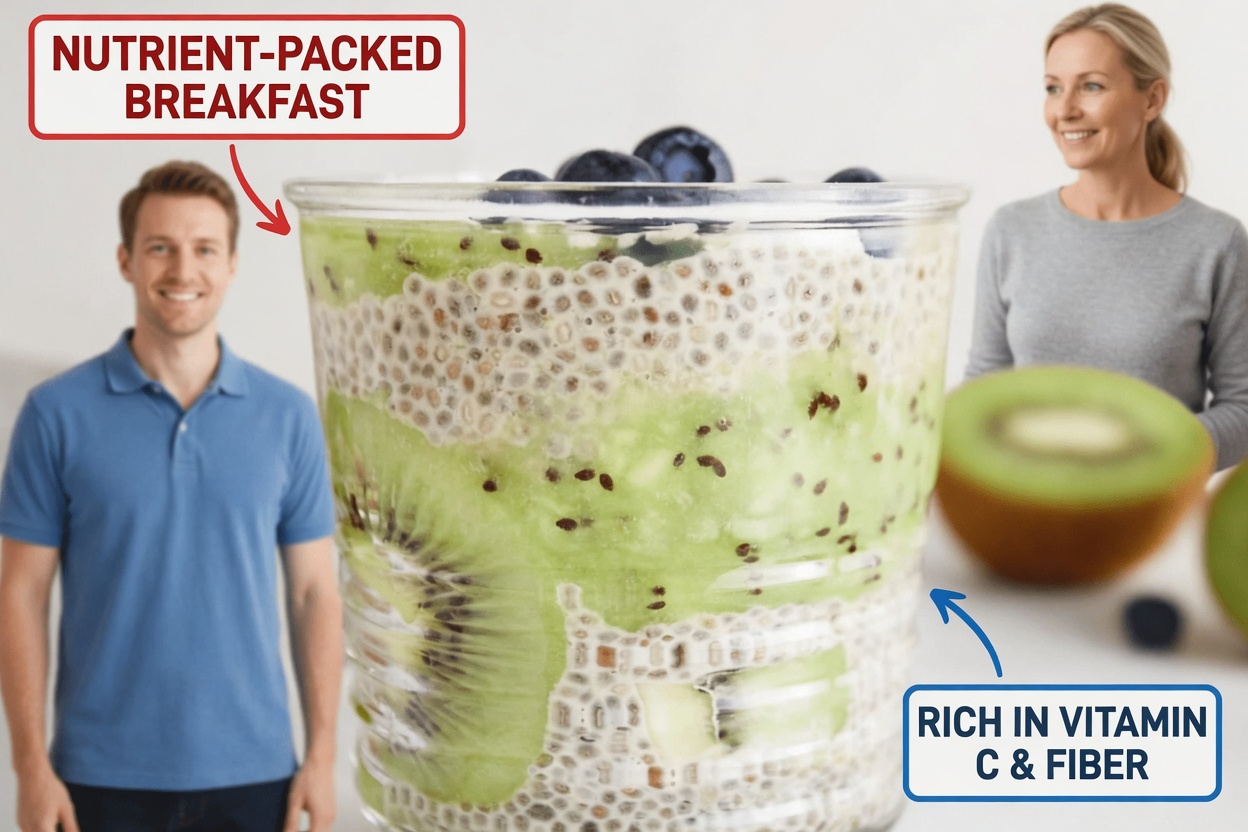
Best Storage Practices for Chia Seeds
- Keep chia in an airtight container (glass jar works well)
- Store in a cool pantry or refrigerator
- Use within 3–4 months for best freshness
- Check for changes in smell, taste, or appearance before use
Chia Seeds Safety Tips (Quick Reference)
| Common Mistake | Typical Senior Concern | Better Approach |
|---|---|---|
| Eating chia dry | Bloating, heaviness, discomfort | Soak 15–20 minutes before eating |
| Not considering medications | Possible interactions | Ask your doctor/pharmacist first |
| Increasing too quickly | Gas, bowel changes | Start 1/2 tsp, increase slowly |
| Low fluid intake | Worse constipation or discomfort | Drink extra water and use hydrating foods |
| Overlooking sensitivities | Skin or digestive reactions | Start tiny, monitor symptoms |
| Improper storage | Stale taste, lower quality | Airtight jar, cool storage, use within months |
A Practical 30-Day Plan for Adding Chia Seeds Safely
Week 1: Build Tolerance
- 1/2 teaspoon soaked once daily (yogurt or a morning drink)
- Focus on hydration and comfort
Week 2: Increase Gently
- Move up to 1 teaspoon soaked daily
- Optionally split into two small servings if digestion feels stable
Week 3: Add Variety (Keep Soaking)
- Continue soaking
- Try chia gel in smoothies, oatmeal, or soft foods
- Maintain steady water intake
Week 4: Reach Your Comfortable “Maintenance” Amount
- Many seniors do well at 1–2 tablespoons total per day
- Only increase if you feel consistently good (no persistent gas or discomfort)
Track digestion, energy, and regularity. If symptoms return, reduce the amount and increase more slowly.
Simple, Senior-Friendly Chia Recipes (Gentle on Digestion)
1) Heart-Friendly Chia Pudding (Starter Version)
- 1 teaspoon soaked chia gel
- 1/2 cup almond milk (or milk of choice)
- A dash of cinnamon
Stir and refrigerate. This is a smooth, easy way to use chia without overdoing fiber.
2) Gentle Berry Chia Gel
- 1/2 teaspoon chia, soaked in herbal tea
- A handful of soft berries (fresh or thawed)
Mild, flavorful, and often easier to digest than heavier desserts.
3) Everyday Yogurt Boost
- Add pre-soaked chia to plain yogurt
- Top with banana slices or soft fruit
A simple daily routine that many seniors find comfortable and consistent.
Frequently Asked Questions (FAQ)
Can seniors eat chia seeds every day?
Many can, as long as they start small, soak the seeds, and maintain good hydration. Seniors taking multiple medications should confirm suitability with a healthcare professional.
How long should chia be soaked?
For most uses, 15–20 minutes is enough to form a gel. Longer soaking (including overnight) is also fine.
What if chia still causes gas even when soaked?
Reduce the serving size, increase more slowly, and check hydration. If discomfort continues, consider discussing fiber intake and sensitivities with a clinician.
Is 1–2 tablespoons per day too much for older adults?
It depends on the individual. Some seniors thrive at that amount; others do better with 1–2 teaspoons. Comfort and consistency matter more than hitting a specific number.
Key Takeaway
Chia seeds can be a valuable addition to a senior’s diet—but the best results come from soaking, hydrating well, increasing gradually, and being mindful of medication and sensitivity considerations. With a careful approach, many adults over 60 can enjoy chia’s benefits with far less bloating and discomfort.