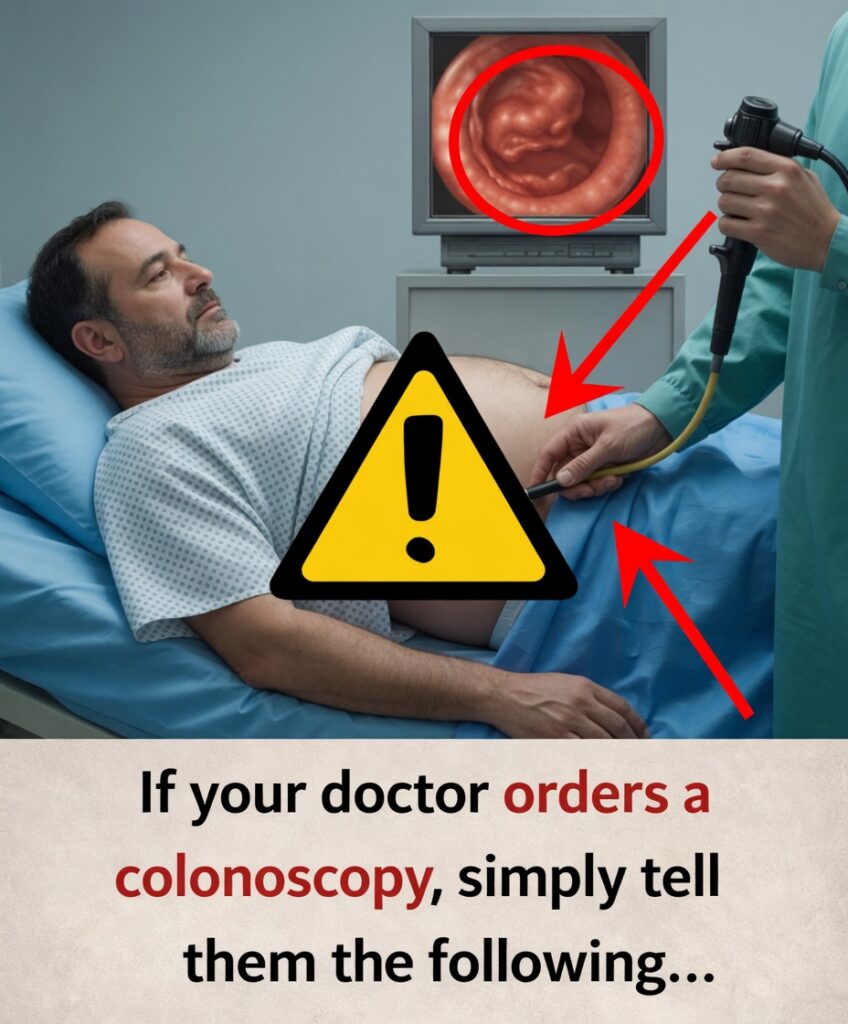
Five Common Health Tests You Should Avoid in Routine Checkups (for Most Low-Risk Adults)
Many people book an annual physical and say “yes” to a long menu of screening tests—then later learn that several health tests you should avoid in routine, low-risk situations can lead to extra stress, unnecessary radiation, and follow-up procedures that were never truly needed.
A major concern is false positives. When a test flags something that isn’t actually dangerous, it can trigger anxiety, repeat scans, biopsies, or even treatments that come with real side effects and costs. That’s why organizations such as Choosing Wisely and Harvard Health increasingly call out specific health tests you should avoid for most healthy adults. Below are the five most commonly cited tests—so you can focus on screenings that genuinely improve outcomes.

Why Some Routine Screenings Create More Harm Than Benefit
On the surface, many tests sound “safe” and proactive. In reality, some health tests you should avoid offer minimal benefit for people without symptoms—yet can start a cascade of:
- Additional appointments and repeat testing
- Incidental findings that turn out to be harmless
- Invasive follow-ups (like biopsies)
- Unnecessary treatments prompted by borderline or unclear results
Evidence-based guidelines show that skipping certain tests in low-risk, symptom-free adults can reduce harm without missing important disease. The key is choosing the right test for the right person at the right time.
1) Whole-Body CT Scans (Screening Without Symptoms)
Whole-body CT scans frequently appear on lists of health tests you should avoid when you have no symptoms. While they may feel reassuring, they often cause more problems than they prevent.
Main downsides include:
- Significant radiation exposure
- Detection of tiny “spots” that are usually benign
- A higher chance of follow-up imaging and procedures driven by incidental findings
Major radiology organizations and sources like Harvard Health generally advise against routine whole-body CT screening in average-risk adults, because the potential harms often outweigh the benefits.
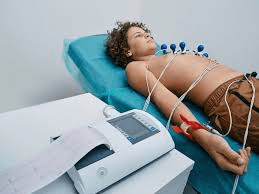
2) Routine Electrocardiograms (EKGs) in People Without Heart Symptoms
For healthy adults with no chest pain, shortness of breath, fainting, or major cardiac risk factors, a routine EKG is commonly considered one of the health tests you should avoid.
Why?
- It can detect minor or nonspecific changes that don’t predict a problem
- Those findings may lead to stress tests or imaging that still don’t improve outcomes
- It can create unnecessary worry in otherwise low-risk people
Many cardiology recommendations now encourage patients to discuss whether an EKG is truly necessary rather than doing it automatically as part of a routine exam.
3) Coronary Artery Calcium (CAC) Scoring Without Clear Risk Factors
Coronary calcium scoring can be useful for selected patients—particularly when risk is uncertain and decisions about statins are unclear. However, for low-risk adults, it’s often listed among health tests you should avoid.
Common concerns:
- It still involves radiation
- Results may push people toward medications they may not need
- It can increase downstream testing and anxiety without clear benefit in low-risk cases
Experts typically recommend CAC scoring only after shared decision-making—especially when traditional risk factors don’t clearly guide prevention choices.
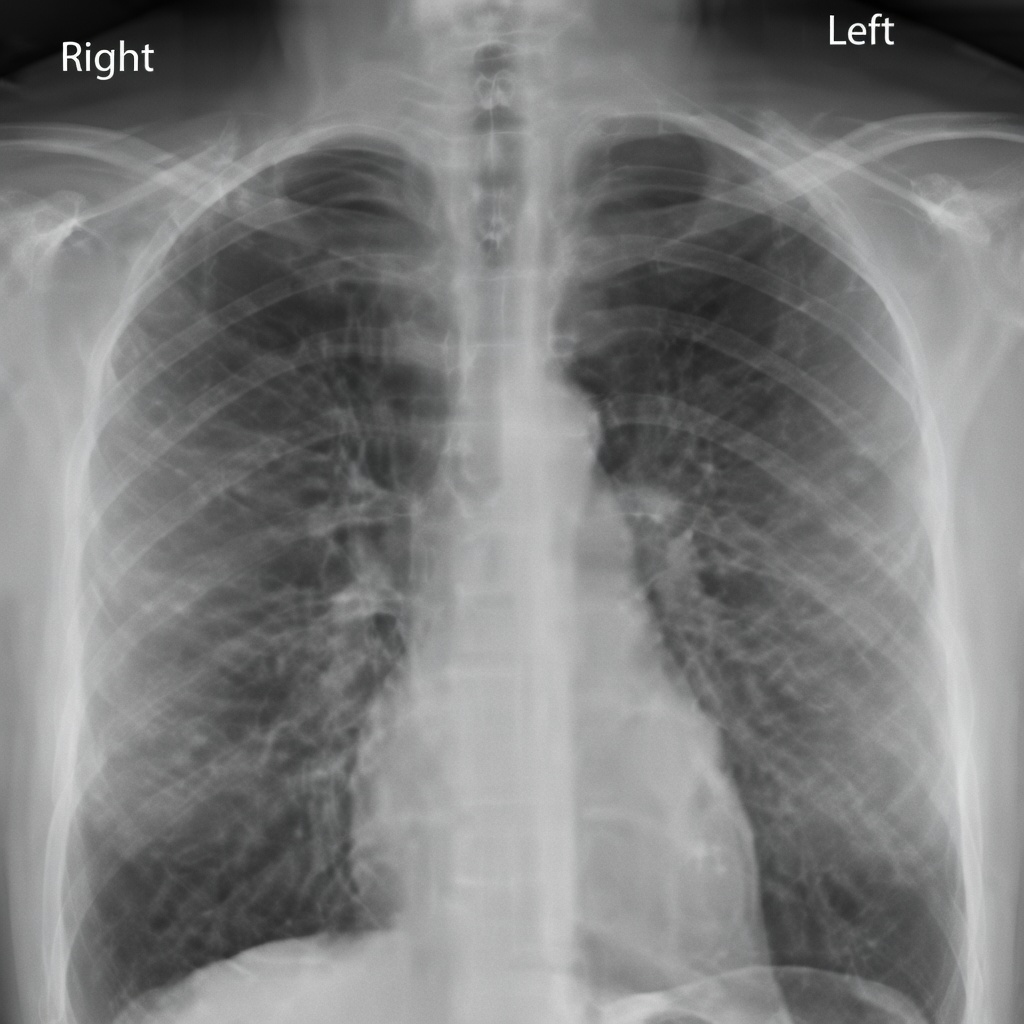
4) Routine Chest X-Rays in Non-Smokers Without Symptoms
A classic example of health tests you should avoid is the routine chest X-ray for people who:
- Don’t smoke
- Have no persistent cough, shortness of breath, chest pain, or other respiratory symptoms
Routine chest X-rays can expose you to radiation and may reveal incidental findings that lead to more tests—despite offering little value for screening in healthy, symptom-free non-smokers. Most guidelines recommend using chest imaging selectively, based on symptoms or specific risk factors—not as an automatic annual habit.
5) Routine PSA Blood Testing for Prostate Cancer (Especially in Many Older Men)
PSA testing can save lives in certain situations, but it’s also one of the most debated health tests you should avoid as a routine screen—particularly for older men without symptoms or strong family history.
Key issues:
- PSA can detect slow-growing cancers that may never cause harm
- Abnormal results often lead to biopsies and potential overtreatment
- Treatments can cause meaningful side effects (such as urinary, bowel, or sexual dysfunction)
The U.S. Preventive Services Task Force (USPSTF) and many urology groups recommend an individualized discussion of risks and benefits before testing—because for many men, harms can outweigh potential gains.
Smart Questions to Ask Before Agreeing to Any Screening
Bring a quick summary of your symptoms (if any), family history, medications, and lifestyle factors. Then ask direct, practical questions like:
- “Is this test recommended for someone with my risk level?”
- “What problem are we trying to detect, and how likely is it in my case?”
- “What happens if the result is abnormal—what are the next steps?”
- “Will this test change what we do, or is it mainly for reassurance?”
- “Is this considered one of the health tests you should avoid for low-risk adults?”
These questions help you avoid low-value testing while still getting the screenings that matter.
Daily Habits That Often Protect You More Than Extra Testing
For most people, the biggest health gains don’t come from broad screening panels. They come from consistent fundamentals:
- Regular physical activity
- A balanced, minimally processed diet
- Adequate sleep and stress management
- Avoiding tobacco
- Evidence-based checks (like blood pressure and cholesterol) when appropriate
In many cases, these habits reduce risk far more than routine use of health tests you should avoid.
Safety Note: When These Tests May Be Appropriate
Do not refuse a test simply because it appears on a “avoid” list. These recommendations generally apply to average-risk, symptom-free adults. If you have symptoms, a strong family history, abnormal prior results, or significant risk factors, your doctor may appropriately recommend one of these tests.
Always decide based on your full medical picture and a conversation with a qualified clinician.
Final Takeaway: The 5 Health Tests You Should Avoid (Most of the Time)
Knowing these five commonly overused screenings can help you make smarter choices at your next checkup:
- Whole-body CT scans (routine screening)
- Routine EKGs in low-risk, symptom-free adults
- Coronary calcium scoring without clear risk factors
- Routine chest X-rays in healthy non-smokers without symptoms
- Routine PSA testing for many older men without symptoms or strong family history
Instead of defaulting to “more testing is better,” focus on evidence-based prevention and targeted screening that fits your personal risk.
Frequently Asked Questions
Do these health tests you should avoid ever become necessary?
Yes. These tests can be valuable when you have symptoms, significant risk factors, or a medical reason your clinician is evaluating.
How can I remember which health tests you should avoid?
Keep this five-test list accessible and review it before checkups so you can ask whether each test is truly appropriate for your risk level.
Will insurance still pay for health tests you should avoid?
It depends on your plan and medical justification. Many insurers increasingly align coverage with clinical guidelines, which may limit payment for low-value screening in low-risk situations.