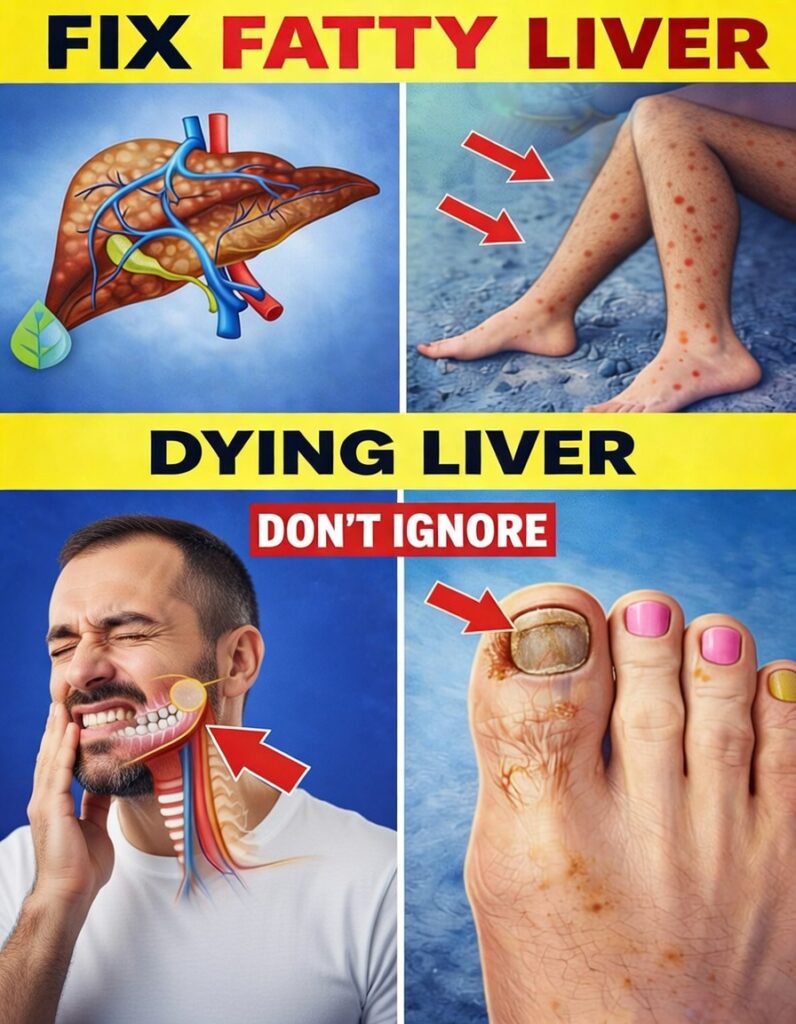
Subtle Signs of Liver Damage You Shouldn’t Ignore
The kind of deep tiredness that never fully lifts, a stubborn metallic taste that brushing can’t erase, or unexplained itchy skin can leave you feeling worn down—and quietly irritated with your own body. These small shifts are often early signs of liver damage, yet many people chalk them up to stress, busy schedules, or “just getting older.”
Because the liver works behind the scenes—supporting detoxification, digestion, and energy regulation—its warning signals usually don’t feel dramatic. Instead, they show up as minor, confusing changes that slowly affect your mood, comfort, and daily stamina. The good news: noticing these signs of liver damage early can help you take realistic, sustainable steps toward better liver health and feeling like yourself again.
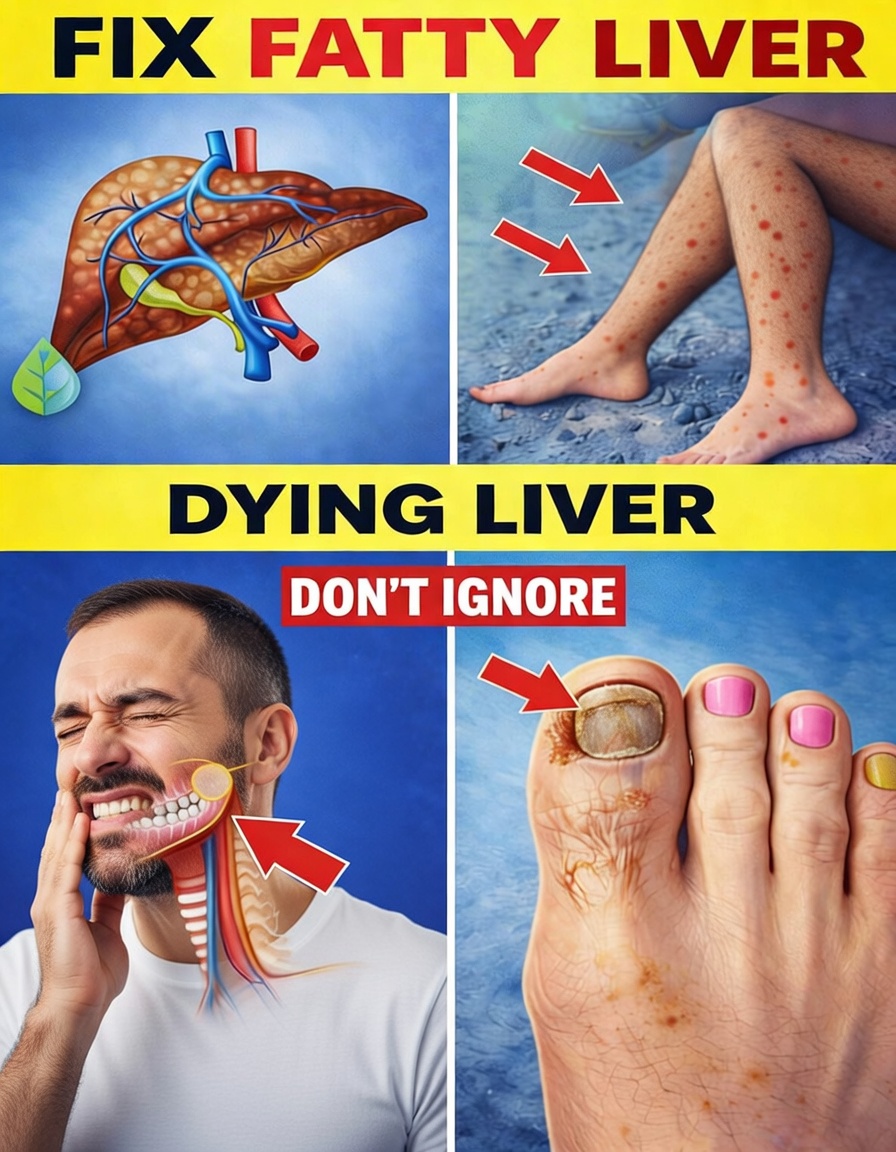
Why Signs of Liver Damage Often Go Unnoticed for Years
One reason liver issues are missed is that the liver is remarkably resilient. It can keep functioning even while under ongoing strain, so symptoms may appear gradually—more like a constant “off” feeling than a clear illness.
This slow progression often leads to frustration: tiredness, irritability, digestive problems, and skin changes may stack up without a clear cause. Evidence suggests that paying attention early—along with appropriate medical guidance—can support better outcomes, often starting with lifestyle adjustments. In other words, recognizing signs of liver damage sooner can give you more control over both daily wellbeing and long-term health.
11 Unusual Signs of Liver Damage (Countdown)
11) Mood shifts, irritability, or feeling emotionally “thin”
If you’re snapping more easily, feeling low by mid-afternoon, or becoming unusually overwhelmed, it may not be “just stress.” When the liver is under pressure, the body’s ability to process certain byproducts can change—potentially influencing brain chemistry and emotional balance. These subtle mood changes can quietly reduce your patience and enjoyment of everyday life.
10) A lingering metallic or chemical taste in your mouth
A persistent bitter, metallic, or “off” taste—especially after meals or even after brushing—can make food less enjoyable and raise questions about what’s going on. Shifts in bile flow and detox pathways linked to liver stress may alter taste perception. It’s easy to blame dental issues, but this can be one of the overlooked signs of liver damage.
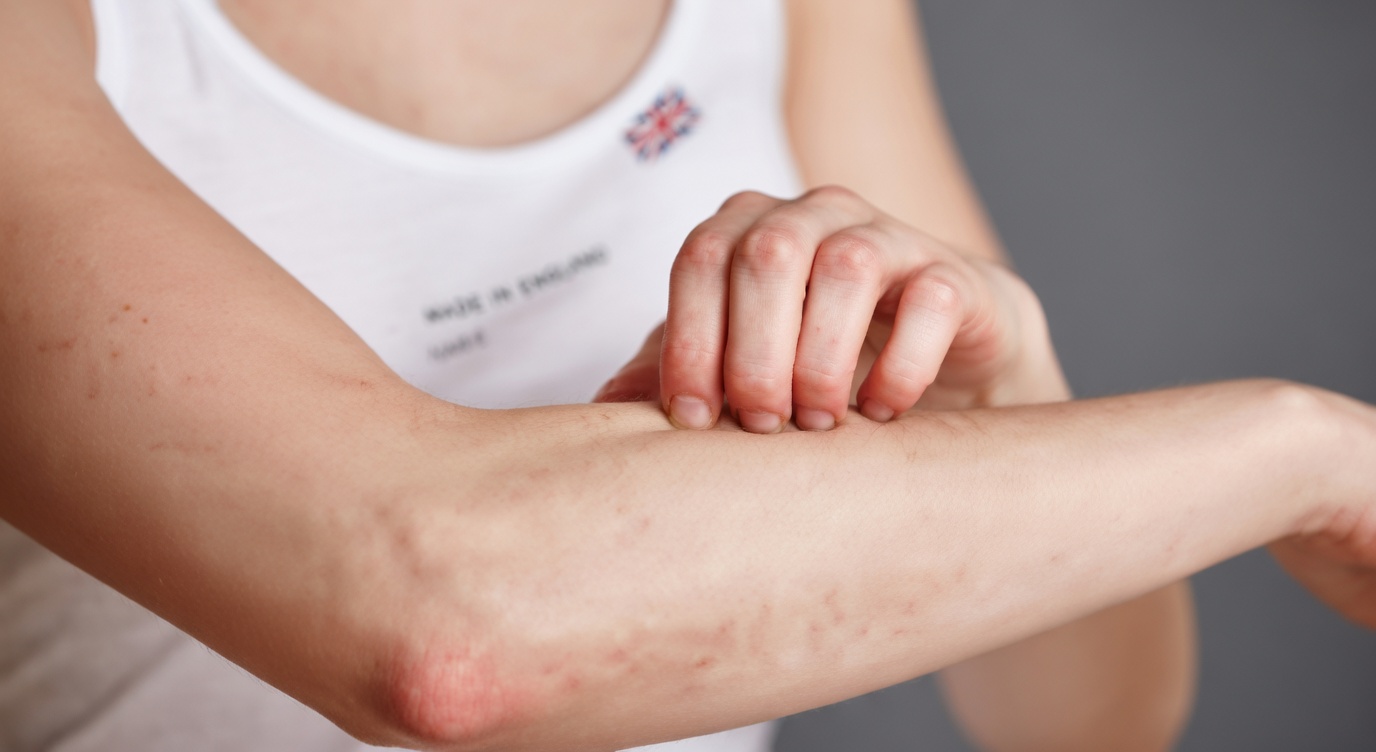
9) Itchy skin with no visible rash
Unexplained itching that moves around the body and often worsens at night can disrupt sleep and leave you constantly uncomfortable. When bile components build up due to slower processing, they may irritate nerve endings and trigger itching. Many people treat it like dry skin, but persistent itch without a clear skin cause can point to deeper imbalance.
8) Dark urine even when you’re well hydrated
If your urine looks noticeably darker despite drinking enough water, it’s worth paying attention. The liver helps process bilirubin; when that process slows, excess bilirubin can show up in urine. This change may appear before more obvious symptoms, making it an important early clue.
7) Pale, clay-colored, or unusually greasy stools
Stools that look lighter than normal—or appear greasy and float—can signal that less bile is reaching the intestines. Because bile supports fat digestion and nutrient absorption, reduced bile flow can leave you feeling bloated, sluggish, and “heavy” after meals. Digestive changes like these can show up before any clear pain.
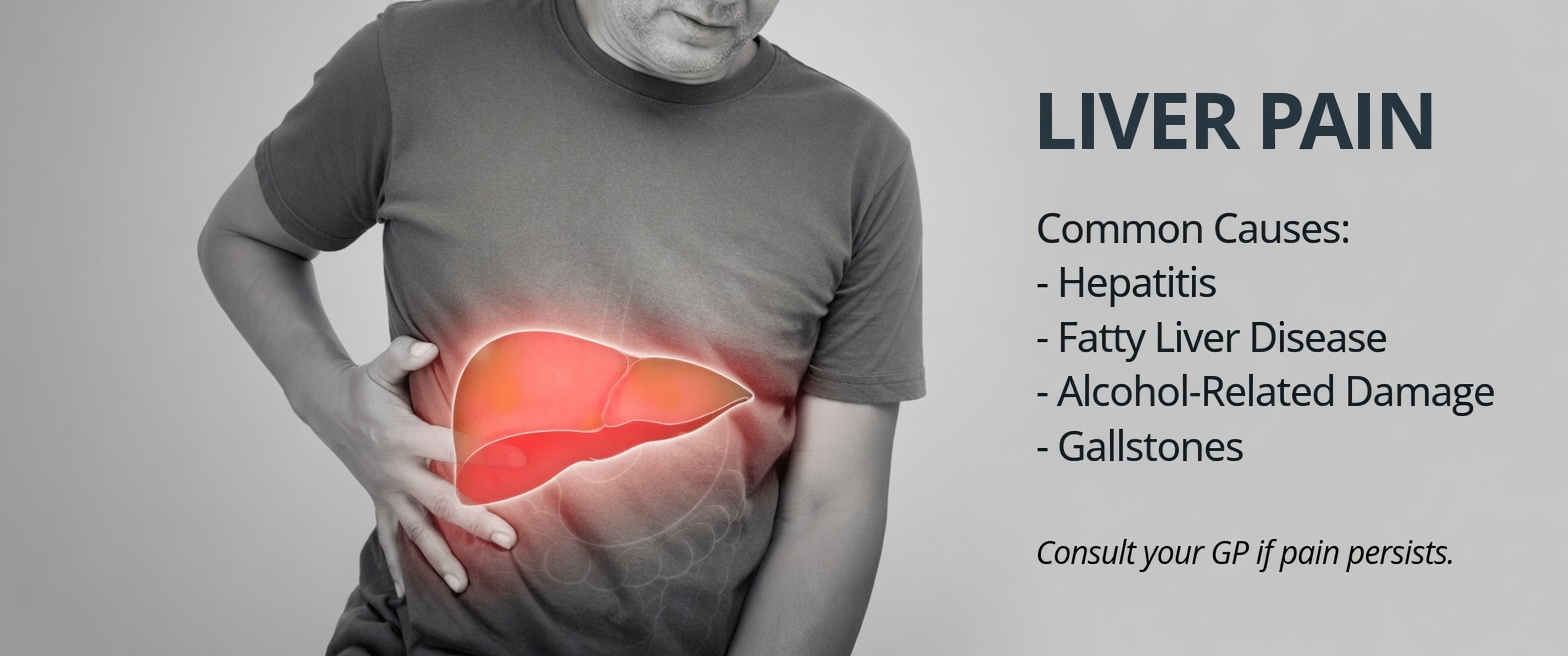
6) Pressure or discomfort under the right ribs
A dull ache, fullness, or pressure under the right rib cage that comes and goes may be easy to dismiss as posture or muscle strain. However, mild inflammation can stretch the liver’s capsule and create discomfort. Some people notice it more after large or fatty meals.
5) Yellowing in the whites of the eyes (before skin changes)
A faint yellow tint in the whites of the eyes can be one of the first visible signs of bilirubin buildup. It often shows up in natural daylight, and sometimes other people notice before you do. While it may seem cosmetic at first, it can be a meaningful signal that the liver is struggling to process waste effectively.
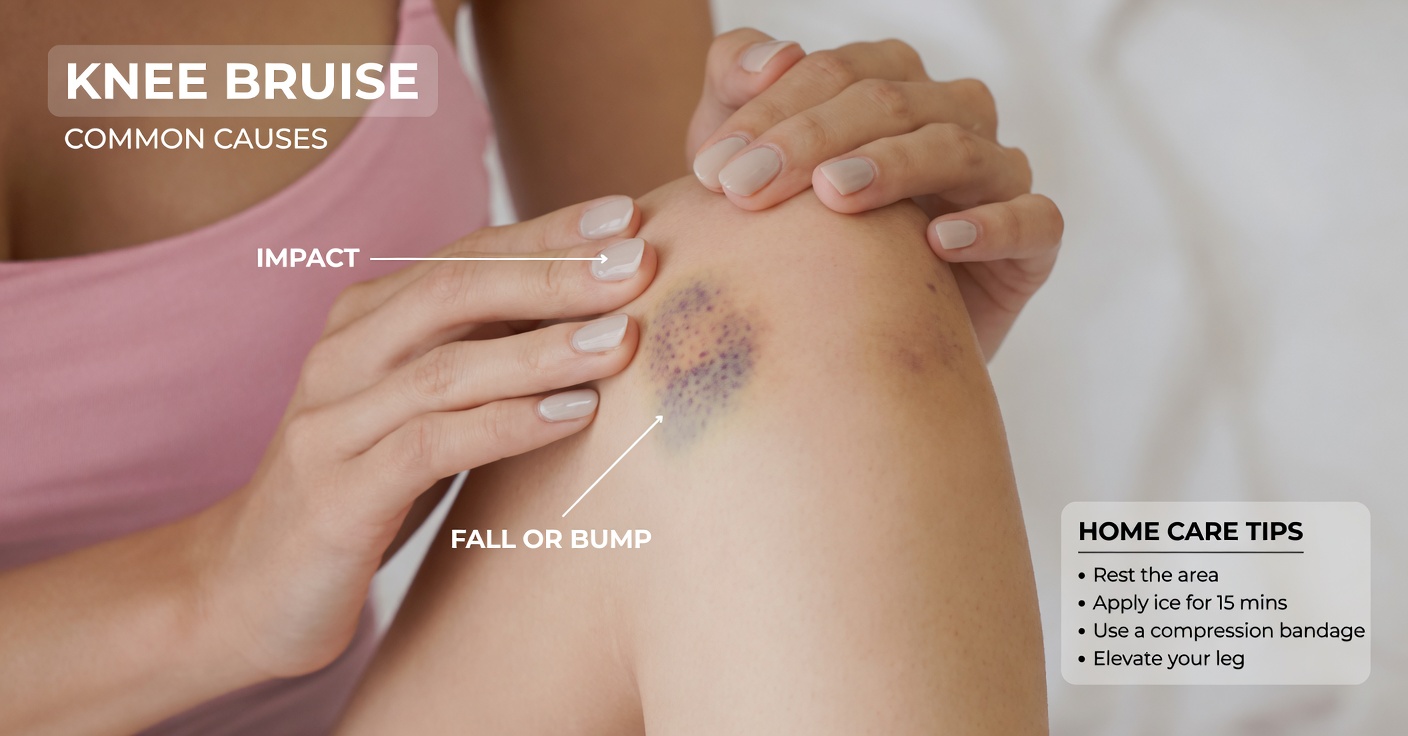
4) Bruising easily and slower healing
If bruises appear after minor bumps—or small cuts take longer than expected to heal—your liver may be under strain. The liver plays a key role in producing proteins needed for clotting. People often blame age, but a sudden change in bruising patterns can be a sign worth discussing with a clinician.
3) Ongoing fatigue that sleep doesn’t fix
This is one of the most common and frustrating signs of liver damage: persistent exhaustion that rest doesn’t resolve. When the liver is stressed, energy metabolism and nutrient processing may be less efficient. Many people also report brain fog, low motivation, and reduced stamina that impacts work, home life, and exercise.
2) Swelling in the ankles, legs, or abdomen
Tighter shoes, deeper sock lines, or a bloated belly can indicate fluid retention. When protein balance and circulation shift due to liver dysfunction, fluid may collect in tissues. This swelling often affects comfort, mobility, and confidence—especially when clothes no longer fit the same way.
1) Loss of appetite and feeling full quickly
When meals stop sounding appealing—or you feel full after just a few bites—it can interfere with nutrition and social life. Changes in digestion, bile flow, and inflammation can all contribute. Over time, weight changes may occur quietly, making this one of the more concerning signs of liver damage when persistent.
What These Signs of Liver Damage Have in Common
At first glance, these symptoms don’t seem connected: mood changes, skin itching, urine color, digestion, swelling, fatigue. The link is the liver’s central role in detoxification, metabolism, and digestive support.
More than any single symptom, patterns matter. Having one mild sign doesn’t automatically mean liver disease, but recurring or worsening symptoms deserve calm, practical attention. Understanding common signs of liver damage helps you respond with curiosity and action—rather than panic.

Common Factors Often Associated With Liver Stress
Several everyday and medical factors can contribute to liver strain. Recognizing them alongside symptoms can support more productive conversations with your healthcare provider:
- Long-term use of certain medications (including some commonly prescribed drugs)
- Metabolic concerns such as excess body weight or blood sugar imbalance
- Regular alcohol intake over time
- Exposure to certain viral infections
- Diets high in ultra-processed foods and added sugars
Gentle, Realistic Daily Habits That Support Liver Health
Improving liver health doesn’t require extreme cleanses or harsh “detox” plans. Consistent, manageable habits can reduce strain and support how your body naturally processes waste:
- Prioritize whole foods with fiber (vegetables, beans, oats, fruit)
- Drink water steadily throughout the day
- Keep alcohol intake moderate—or lower if symptoms are present
- Review medications and supplements with a clinician (especially long-term use)
- Add gentle movement most days, such as walking

Safe Next Steps When You Notice Signs of Liver Damage
Use the guide below to stay practical and safe while you monitor symptoms and consider changes.
| Area | Smart approach | Why it matters |
|---|---|---|
| Nutrition | Build meals around real, minimally processed foods | Supports natural detox and digestion pathways |
| Supplements | Consult a qualified professional before adding anything | Avoids unnecessary burden on the liver |
| Monitoring | Schedule routine check-ups and appropriate labs | Helps clarify what’s actually happening |
| Expectations | Aim for gradual, sustainable improvements | Creates long-term habits instead of quick fixes |
Avoid products that promise instant “liver cleansing” or miracle results. If symptoms persist, worsen, or cluster (for example: yellow eyes, swelling, severe fatigue, or significant appetite loss), seek medical evaluation to identify the cause and get personalized guidance.