
Spinach and Kidney Health: A Safe, Realistic Way to Use This Popular Green
You’ve probably seen countless posts claiming one “miracle” vegetable can solve everything. But when afternoon fatigue hits hard, ankle swelling shows up by evening, and lab results keep running through your mind at night, quick fixes stop feeling convincing. If you’re worried your kidneys are getting weaker month by month, even ordinary routines can start to feel heavy—and the idea of finding something simple that genuinely helps (without adding more stress) becomes urgent.
That’s why spinach and kidney health comes up so often. Used the right way, spinach can support a kidney-friendly lifestyle. Used the wrong way, it can create problems for certain people. This guide breaks down what’s true, what’s exaggerated, and how to approach spinach wisely.
Why Kidney Issues Make You Feel So Drained (and Why Spinach Keeps Going Viral)
Your kidneys work continuously to filter waste, balance fluids, and help regulate minerals and blood pressure. When kidney function is strained—often due to common conditions like high blood pressure or blood sugar instability—people frequently notice symptoms such as:
- Persistent tiredness
- Puffiness in the face, hands, or ankles
- Sleep disruption from worry or discomfort
In that situation, it’s natural to search for everyday, “natural” options that feel manageable. Online, that often turns into bold claims about spinach and kidney health—as if adding a handful of leaves can reverse serious damage.
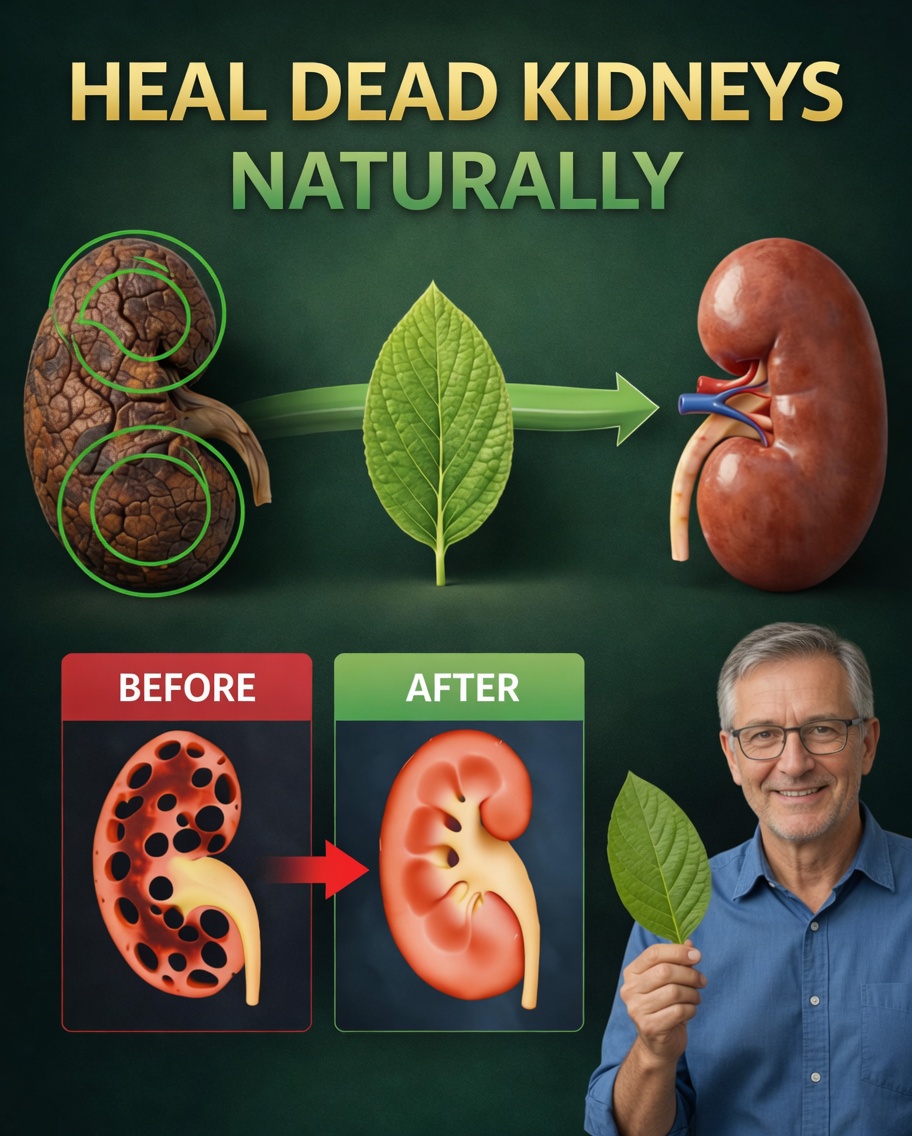
Here’s the more accurate picture: spinach is nutritious, but it is not a stand-alone treatment for kidney disease. Once kidney tissue becomes significantly scarred, the body has limited ability to regenerate it. That’s why symptoms can continue even after people try popular food trends.

The Genuine Benefits of Spinach in a Kidney-Supportive Diet
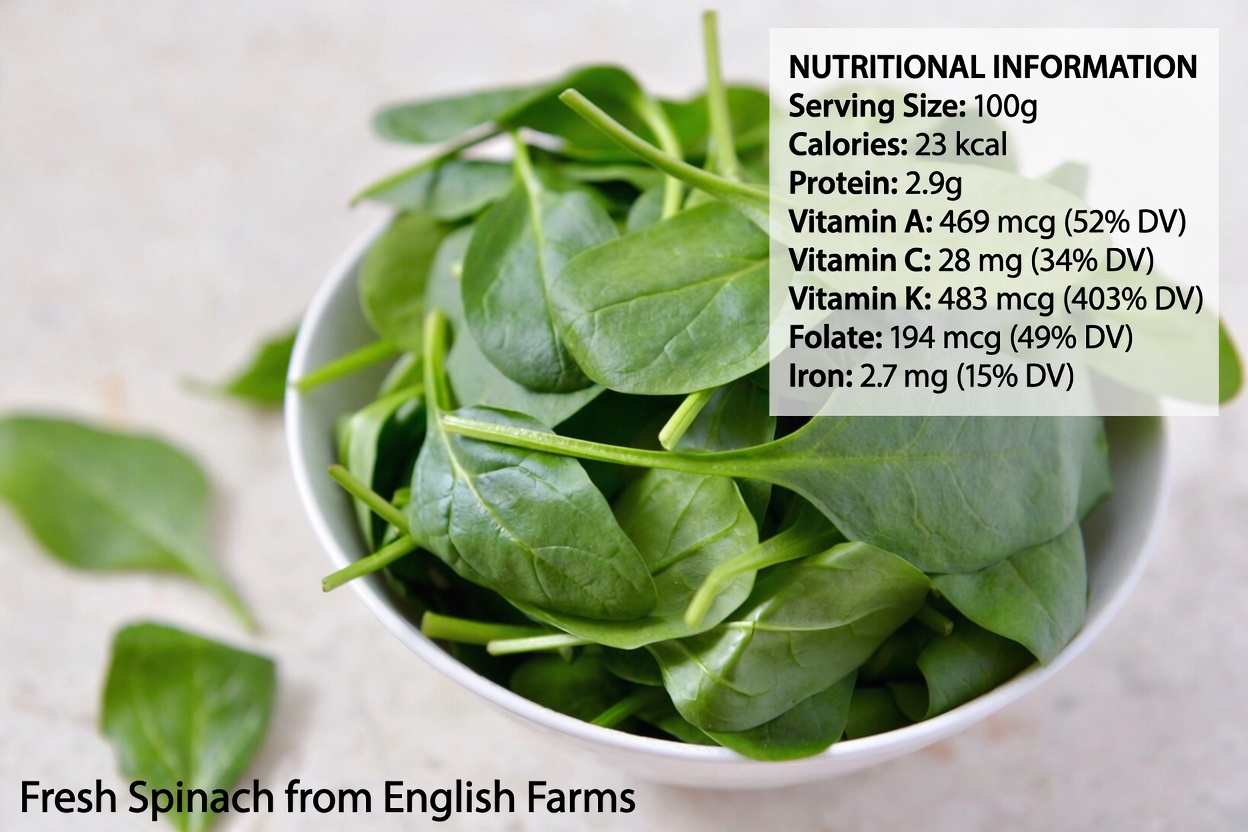
Spinach earns its reputation for a reason. It contains important nutrients such as vitamins A, C, and K, along with folate, iron, magnesium, and beneficial plant compounds. In broader research on plant-forward eating patterns, higher vegetable intake is often linked with:
- Better blood pressure control (a major kidney-protection factor)
- Lower inflammation markers in some populations
- Improved fiber intake, supporting digestion and overall metabolic health
For people in early stages of kidney concerns—or those simply trying to reduce risk—spinach can be part of meals that feel lighter and more supportive. Many also find that improving overall diet quality helps reduce day-to-day discomfort and anxiety, even if it doesn’t produce dramatic “before/after” results.
The key takeaway: spinach and kidney health benefits tend to show up most when spinach is part of a varied, balanced eating pattern—not when it’s treated as a cure.
Critical Warnings: When Spinach Can Be Risky for Kidney Health
Spinach is not a “free food” for everyone, especially if labs already show declining kidney function or if you have a history of stones. The biggest concerns are oxalates and potassium.
Oxalates and kidney stones
Spinach is naturally high in oxalates, which can contribute to calcium oxalate stones in people who are susceptible—especially with frequent large servings (and particularly in juices or smoothies).
If you’ve ever experienced sharp side or back pain after a high-oxalate diet, your approach to spinach and kidney health needs extra caution and moderation.
Potassium overload in advanced kidney disease
Spinach also contains significant potassium. In healthy kidneys, potassium is usually well-managed. But with more advanced kidney impairment, removing excess potassium becomes harder, and levels can rise—potentially affecting heart rhythm and increasing stress and medical risk.
A practical rule: the more advanced the kidney issue, the more important it is to individualize spinach intake with professional guidance.

Spinach vs. Other Greens: Choosing the Best Options for Kidney Support
If you’re already dealing with fatigue, swelling, or worrying lab trends, comparing greens can make food decisions feel less confusing. Rotating vegetables helps you avoid getting too much of any single compound (like oxalates) while still benefiting from a nutrient-rich diet.

| Green Vegetable | Notable Nutrients | Potassium (per 1 cup cooked) | Oxalate Level | Best Use / Cautions for Kidney Concerns |
|---|---|---|---|---|
| Spinach | Vitamins A, C, K; iron; magnesium | High (~800 mg) | Very high | Nutrient-dense, but limit if prone to stones or with advanced kidney disease |
| Kale | Vitamins A, C, K; antioxidants | Moderate | Lower | Often a better daily option; easy swap for variety |
| Romaine lettuce | Vitamins A, K; folate | Low | Low | Reliable everyday choice when potassium is a concern |
| Cabbage | Vitamin C; fiber | Low | Low | Gentle, hydrating, and commonly recommended in renal-friendly plans |
| Swiss chard | Vitamins A, K; magnesium | High | Very high | Use sparingly (similar concerns to spinach) |
This is why the smartest strategy for spinach and kidney health is often variety, not intensity.
Real-World Outcomes: What People Experience with Spinach and Kidney Health Changes
Individual results vary a lot—and the differences are often explained by portion size, preparation method, hydration, and underlying risk.
Anna’s experience (58)
Anna started daily spinach smoothies to fight persistent fatigue and mild swelling. Instead of feeling better, follow-up labs showed a small rise in creatinine, and she developed tiny kidney stones. Her specialist explained that frequent high-oxalate intake can be a problem for stone-formers—and that pairing oxalate foods with calcium at the same meal can help bind oxalates in the gut.
Robert’s experience (65)
Robert, managing diabetes and early kidney changes, added measured spinach salads a few times per week with guidance. He focused on portion control, hydration, and an overall shift toward more plant-based meals. His labs didn’t “miraculously” improve, but they stabilized—and he felt more consistent day to day. In his case, the benefit came from the whole pattern, not spinach alone.
The lesson is simple: spinach and kidney health strategies only work when they match your personal risks and lab profile.
How to Add Spinach Safely: Practical, Clinician-Friendly Steps
If you want the benefits without unnecessary risk, use spinach thoughtfully:
-
Begin with small portions
Try 1 cup raw spinach in a salad a few times per week and observe energy, swelling, and digestion. -
Pair spinach with calcium at the same meal (especially if stone-prone)
Options include yogurt, milk, or calcium-fortified alternatives (when appropriate for your plan). This can help reduce oxalate absorption. -
Prioritize hydration (unless your clinician has restricted fluids)
Many people do better with consistent water intake to support urinary flow and reduce stone risk. -
Be cautious with smoothies and juicing
Blending makes it easy to consume very large amounts quickly. For many, this is where oxalate exposure becomes excessive. -
Rotate greens instead of repeating the same one daily
Mix in kale, romaine, or cabbage to keep nutrients high while lowering oxalate/potassium load. -
Review your plan with a nephrologist or renal dietitian
This is especially important if your potassium, creatinine, or eGFR has been trending in a concerning direction.

Frequently Asked Questions About Spinach and Kidney Health
Can spinach repair damaged kidneys by itself?
No. No single food—including spinach—can reverse advanced kidney damage or restore scarred tissue. Spinach can support an overall kidney-conscious pattern, but ongoing fatigue, swelling, or abnormal labs should be addressed with medical guidance.
Is raw or cooked spinach better for kidney concerns?
It depends on your situation. Cooking reduces volume, which can make it easier to eat a lot quickly. In practice, portion size and your lab results matter more than raw vs. cooked. If potassium or oxalates are concerns, moderation is the priority.
How much spinach is usually considered reasonable for mild kidney concerns?
Many people with early or mild concerns tolerate 1–2 cups of raw spinach or about 1/2 cup cooked, several times per week—especially when rotating greens. If you have kidney stones, high potassium, or more advanced disease, your safe amount may be lower and should be individualized.
Bottom Line: Use Spinach as a Tool, Not a Promise
Spinach and kidney health can be a helpful combination when approached with balance: modest portions, smart pairing, good hydration (when allowed), and plenty of variety. If you’re dealing with persistent fatigue, swelling, or anxiety about lab trends, the safest path is a food plan tailored to your stage of kidney function—so nutrition supports your body without adding new risks.