Guava for Eye Health: A Gentle, Nutrient-Rich Way to Support More Comfortable Vision
If you’ve ever caught yourself rubbing aching eyes after long hours on a laptop—or felt dryness turn reading and driving into a tiring task—you already know how quickly eye discomfort can drain your focus and mood. For many people over 45, subtle changes like irritation, sensitivity, or frequent fatigue can also trigger a deeper worry: that clear, comfortable vision is slowly slipping away.
Guava is one of the more approachable, nutrient-dense foods people explore to support eye health naturally, thanks to its vitamins, antioxidants, and traditional uses.
The best part is how simple it can be. With a few practical daily habits, guava for eye health may add a supportive layer of nutrition and traditional comfort—if used safely and consistently.
Common Eye Concerns Where Guava for Eye Health May Be Helpful
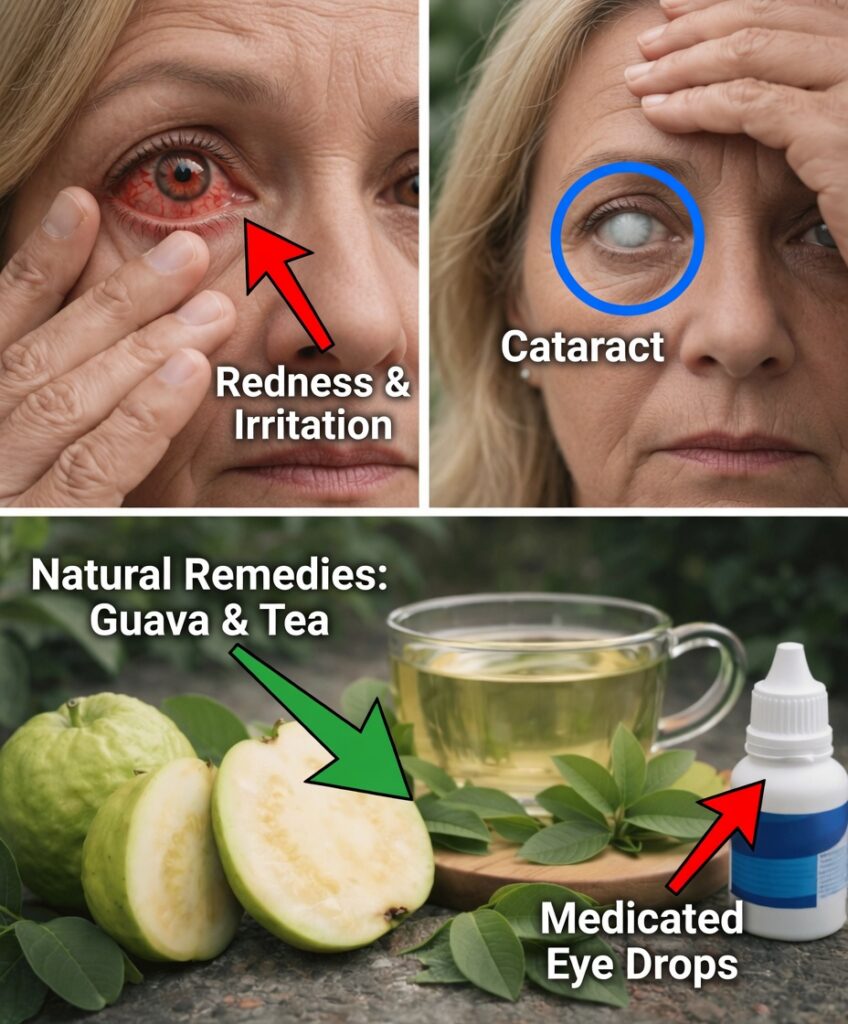
Modern routines put heavy demands on the eyes. Two concerns often come up where guava’s nutrition may be relevant:
- Dryness and screen-related fatigue: Hours of digital work can leave eyes feeling gritty, sore, and overworked. Guava contains nutrients often associated with supporting natural moisture balance and general eye comfort.
- Age-related sensitivity and mild irritation: As we age, oxidative stress and inflammation can contribute to discomfort and changes in how the eyes feel day to day. Guava stands out because it provides antioxidants commonly linked to cellular protection.
These are only a few reasons why interest in guava continues to grow.
Why Guava Attracts Attention for Eye Health Support
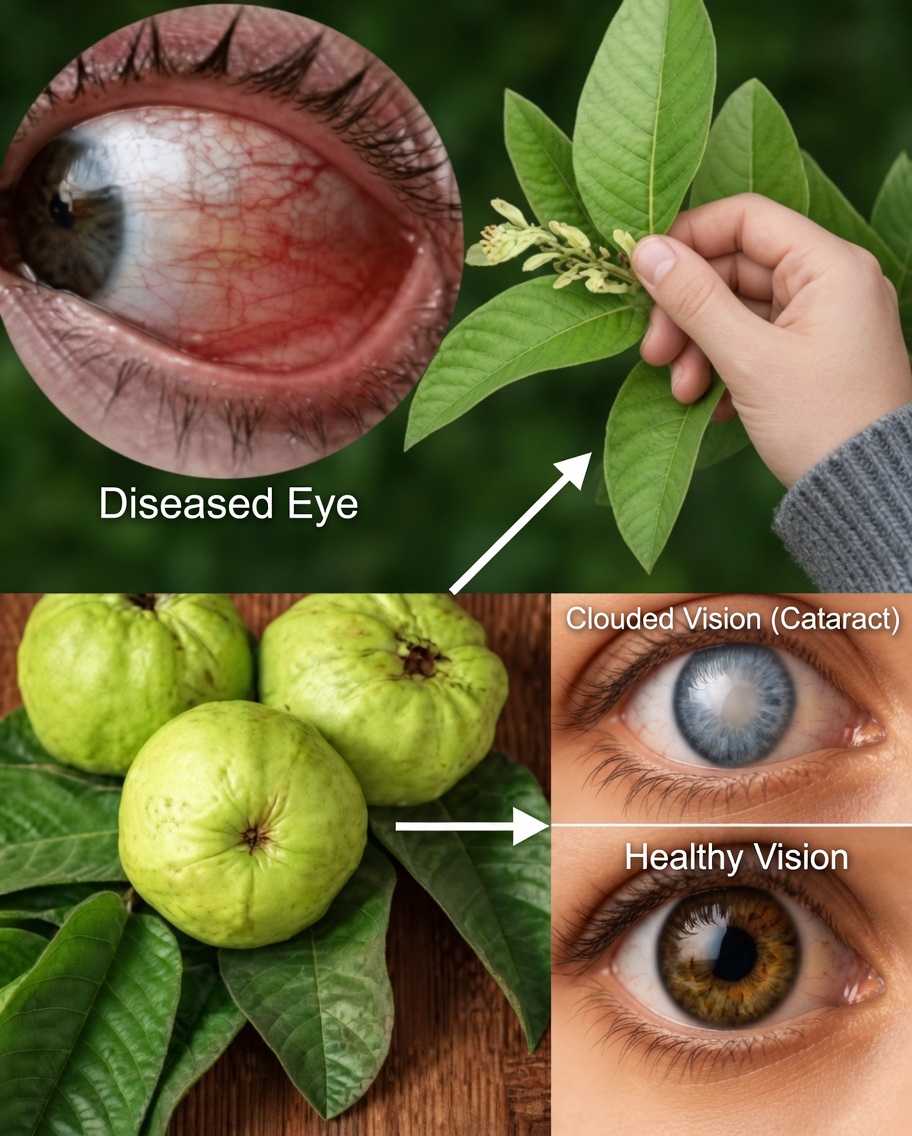
When redness, puffiness, or heaviness shows up after a long day, many people look for gentle options they can incorporate into everyday life. Guava brings:
- Flavonoids and plant compounds (especially in the leaves) that traditional practices and early research suggest may offer mild soothing support.
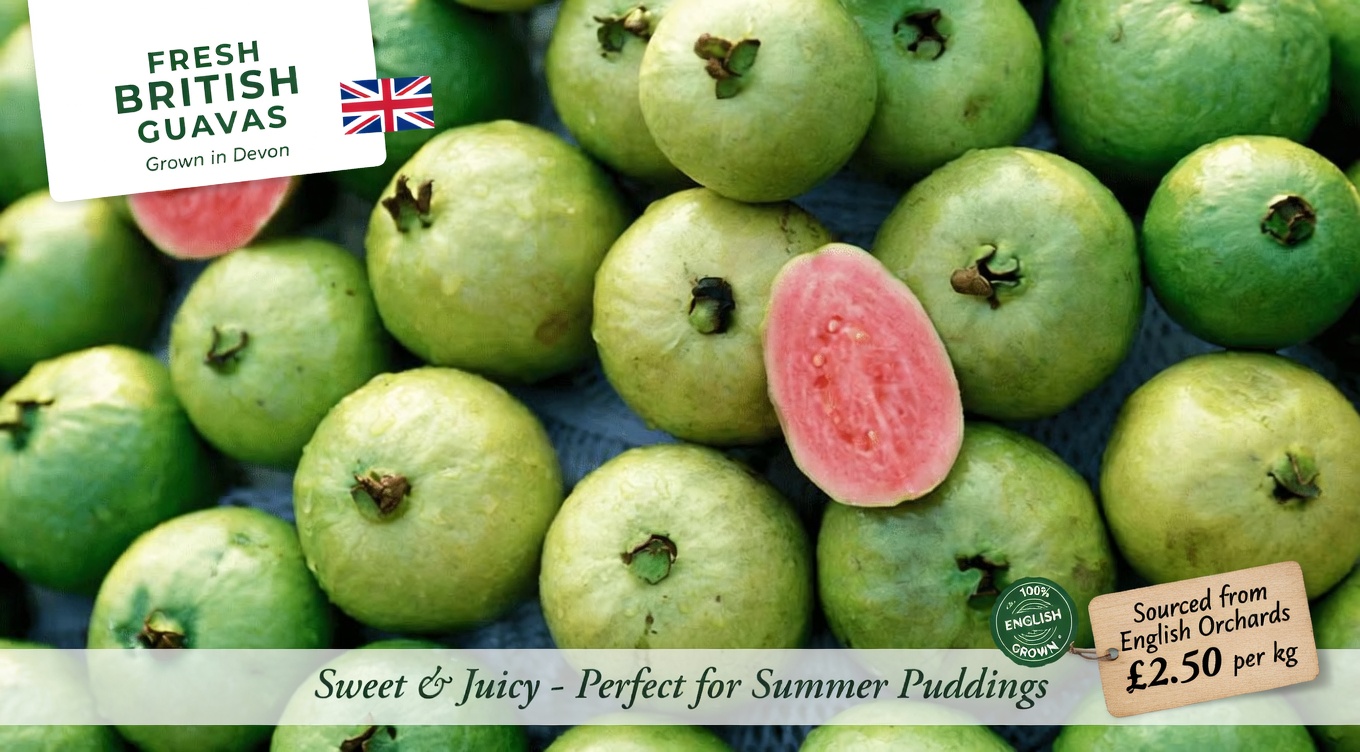
- Carotenoids and vitamins that nutrition science often connects with long-term retinal and vision maintenance. Guava contains beta-carotene, which the body can convert into vitamin A—a key nutrient for maintaining normal vision.
Next, let’s break down the specific ways guava may contribute to everyday eye wellness.
9 Potential Ways Guava May Support Eye Health
9) Vitamin A Support (Through Beta-Carotene)
If dryness and a “scratchy” feeling keep interrupting your focus, guava’s beta-carotene can help supply the body with vitamin A, a nutrient associated with healthy corneas and normal vision function.
8) Antioxidant Protection for Eye Cells
Daily stress and environmental exposure can increase oxidative pressure. Guava is rich in vitamin C and contains antioxidant compounds like lycopene, which may help counter free-radical activity linked to fatigue and cellular strain.
7) Gentle Anti-Inflammatory Signals (Especially from Leaves)
If persistent redness makes you uncomfortable or self-conscious, guava leaves contain compounds such as quercetin, which have been studied for their calming, anti-inflammatory potential in traditional and laboratory contexts.
6) Tear-Film and Moisture Balance Support
When natural tear production feels insufficient—leading to burning or discomfort—vitamin A-related nutrition is often discussed for its role in supporting tear-film stability.
5) Potential Help with Age-Related Eye Concerns
For adults over 45, it’s common to pay closer attention to gradual changes. Research often links carotenoid-rich diets with supporting a slower progression of some age-associated eye issues (supportive, not curative).
4) Immune and Barrier Support
Environmental irritants and seasonal allergies can add to eye strain. Guava’s high vitamin C content may support the body’s natural defenses, including the tissues around the eyes.
3) Traditional Antibacterial Use (Leaf Preparations)
Guava leaf decoctions have a history of traditional use for minor irritations. Some lab findings suggest activity against certain microbes—though this does not replace medical treatment.
2) External Comfort from Warm Leaf Compresses
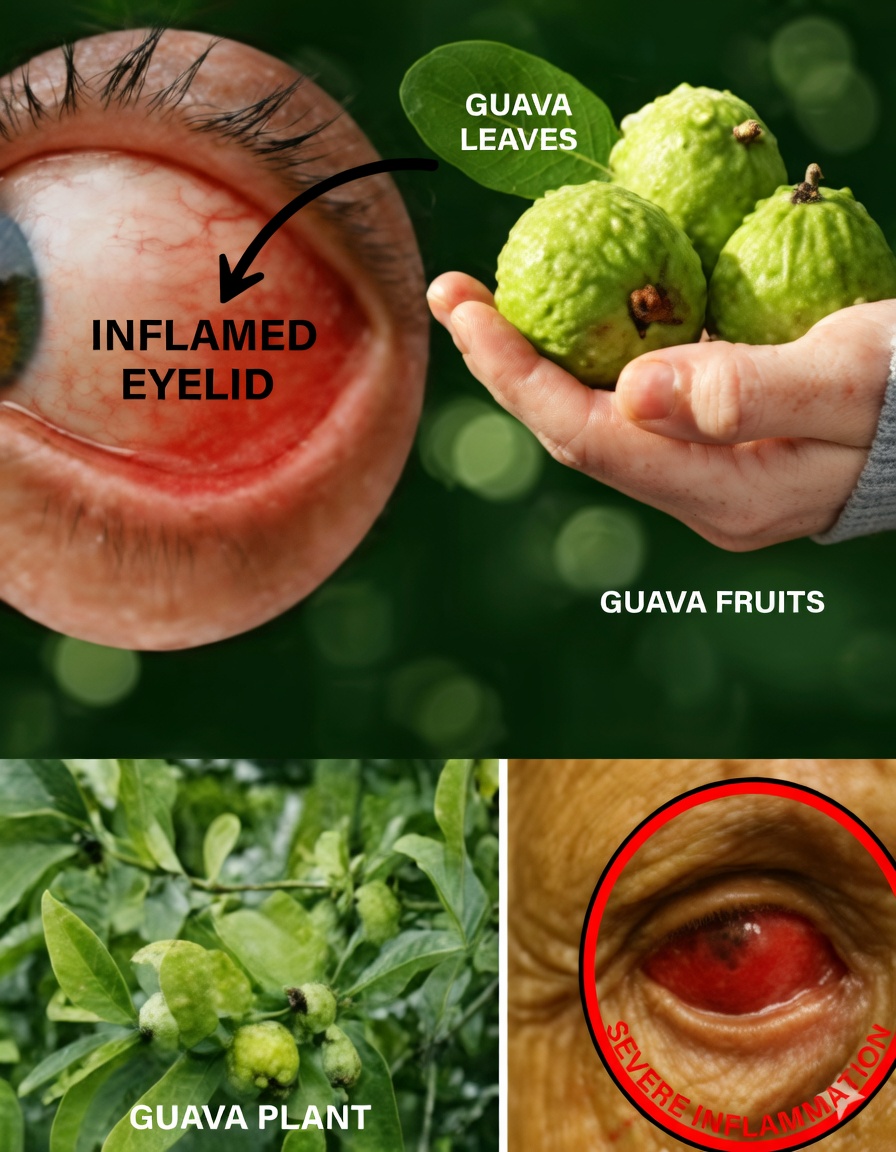
Tired, puffy eyelids after a demanding day often benefit from gentle, external soothing. Carefully prepared guava leaf compresses are sometimes used traditionally for comfort—always externally and with hygiene.
1) A Broader Nutritional “Synergy”
The combination of fruit nutrients (vitamins, carotenoids) and leaf compounds (flavonoids like quercetin) is what makes guava especially interesting for people seeking a well-rounded, supportive approach to everyday eye wellness.
Guava Nutrients Overview for Eye Health
| Part | Key Compounds | Potential Eye Role | Supporting Notes |
|---|---|---|---|
| Fruit | Beta-carotene, Vitamin C | Vision maintenance, antioxidant support | Beta-carotene converts to vitamin A; vitamin C supports antioxidant defenses |
| Leaves | Quercetin, flavonoids | Soothing support, inflammation modulation | Traditional use + early laboratory data |
| Combined approach | Antioxidants (including lycopene) | Oxidative stress support | Works best as nutrition + safe external use (not in-eye use) |
Real-Life Experiences People Share
Personal stories often explain why people keep exploring guava for eye health:
- Maria (55): After months of dryness affecting her reading time, she added fresh guava to her daily routine and noticed gradual improvement in comfort over time. Individual results can vary widely.
- Robert (49): During allergy seasons, he found gentle relief by using a well-strained, fully cooled guava leaf tea as an external wash (not an eye rinse), appreciating the traditional method and mild soothing feel.
Important Caution When Using Guava for Eye Health
- Never place guava juice, leaf tea, or any homemade liquid directly into the eyes.
- If using guava leaves around the eye area, make sure preparations are fully strained, fully cooled, and used externally only to reduce the risk of irritation or infection.
Safe Ways to Add Guava for Eye Health to Your Routine
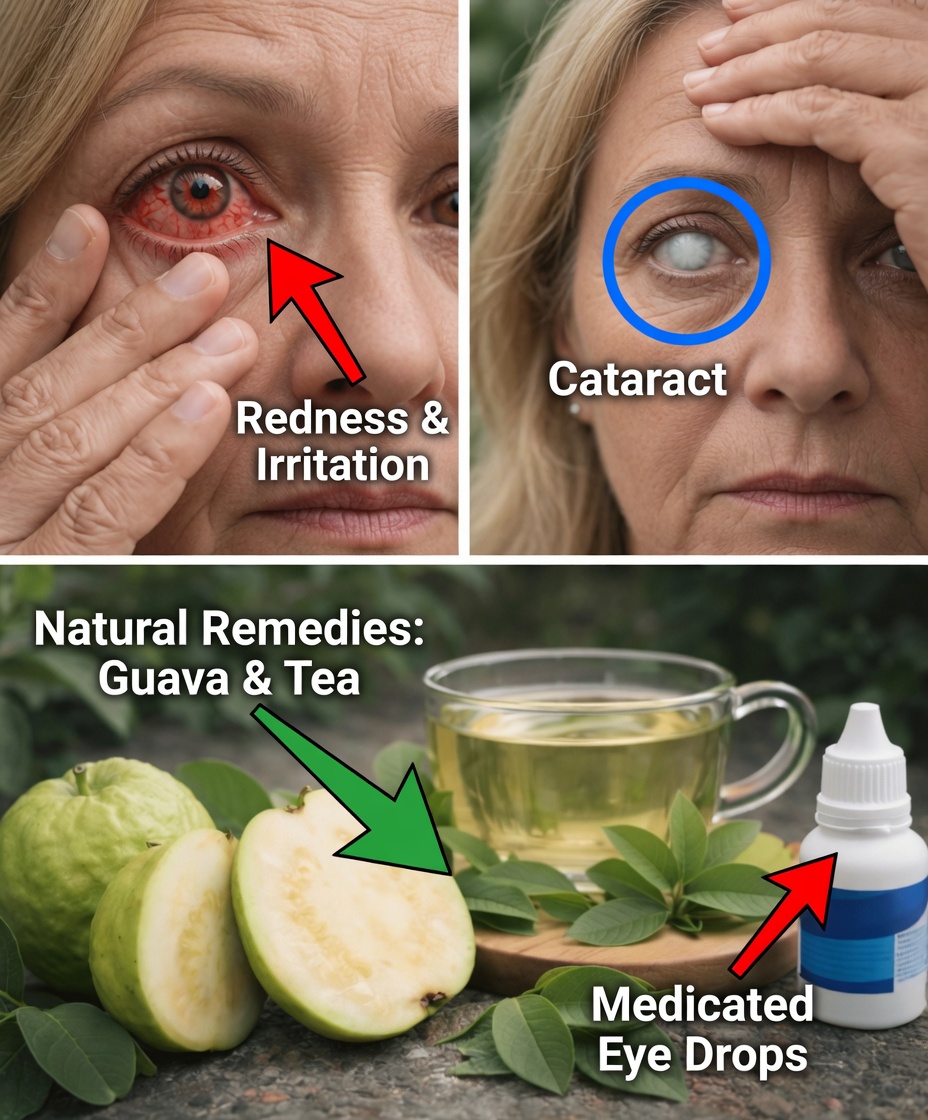
- Eat fresh guava: Aim for 1–2 pieces daily as a simple nutrient boost.
- Drink guava leaf tea: Brew, strain, and drink after cooling for internal wellness support tied to antioxidant intake.
- Use an external compress: Boil young leaves, cool completely, soak a clean cloth, and apply to closed eyelids only.
- Avoid DIY eye drops: Guava is best used through diet and careful external compresses—not in-eye applications.
Preparation and Safety Tips
Eating the Fruit
- Rinse thoroughly; eat raw or add to salads.
- 1–2 guavas per day can offer a gentle, consistent nutrient contribution.
Guava Leaf Tea (Internal Use)
- Boil 5–10 young guava leaves in 2 cups of water for 5–10 minutes.
- Strain carefully and allow to cool.
- Drink 1–2 times daily (as tolerated).
External Compress (Closed Eyes Only)
- Boil young leaves and let the liquid cool completely.
- Soak a clean, soft cloth; wring until damp.
- Place on closed eyelids for 5–10 minutes.
- Patch-test skin first to check for sensitivity.
General Guidance
- Start with small amounts and observe how your body responds.
- If you have ongoing eye symptoms, consult an eye-care professional—sterility and safety matter for anything used near the eyes.
Embrace the Gentle Potential of Guava for Eye Health
Imagine ending your day with less strain and more comfort—supported by a simple habit like adding guava to your diet or enjoying a cup of leaf tea. As a tropical fruit with a long history of traditional use, guava offers a practical way to combine nutrient density with everyday wellness routines.
Try starting this week with one fresh guava or a carefully prepared leaf tea, and see how guava for eye health fits into your lifestyle.
P.S. A fun nutrition note: one guava can contain more vitamin C than an orange, giving your antioxidant intake an extra boost.
Medical Disclaimer
This article is for informational purposes only and does not replace professional medical advice. Speak with your healthcare provider or eye specialist before making dietary changes or trying new remedies—especially if you have existing eye conditions or persistent symptoms.
FAQ – Guava for Eye Health
1) Can guava actually improve eye health?
Guava provides antioxidants and vitamin A precursors linked to general vision maintenance, but it is not a treatment and results vary by individual.
2) What is the safest way to use guava leaves for eye health?
Use guava leaves as tea for drinking or as a fully cooled external compress on closed eyelids only. Do not apply any guava preparation directly into the eyes, and always prioritize cleanliness and proper straining.