
Amlodipine Side Effects: What to Expect (and the One Many People Don’t Anticipate)
Managing high blood pressure often requires long-term medication, and amlodipine is a common choice for keeping readings in a safer range. Still, amlodipine side effects can turn day-to-day life into a balancing act—especially when symptoms show up without much warning and your appointment time feels too short to cover every possibility.
Clinical resources such as the Mayo Clinic and real-world patient feedback on Drugs.com show that amlodipine side effects range from mild nuisances to more disruptive issues. Many people aren’t fully prepared for how these reactions can affect comfort, energy, sleep, mood, or confidence while they’re trying to protect their heart health. Below are 12 commonly reported effects—ending with a lesser-known complaint that surprises many users.

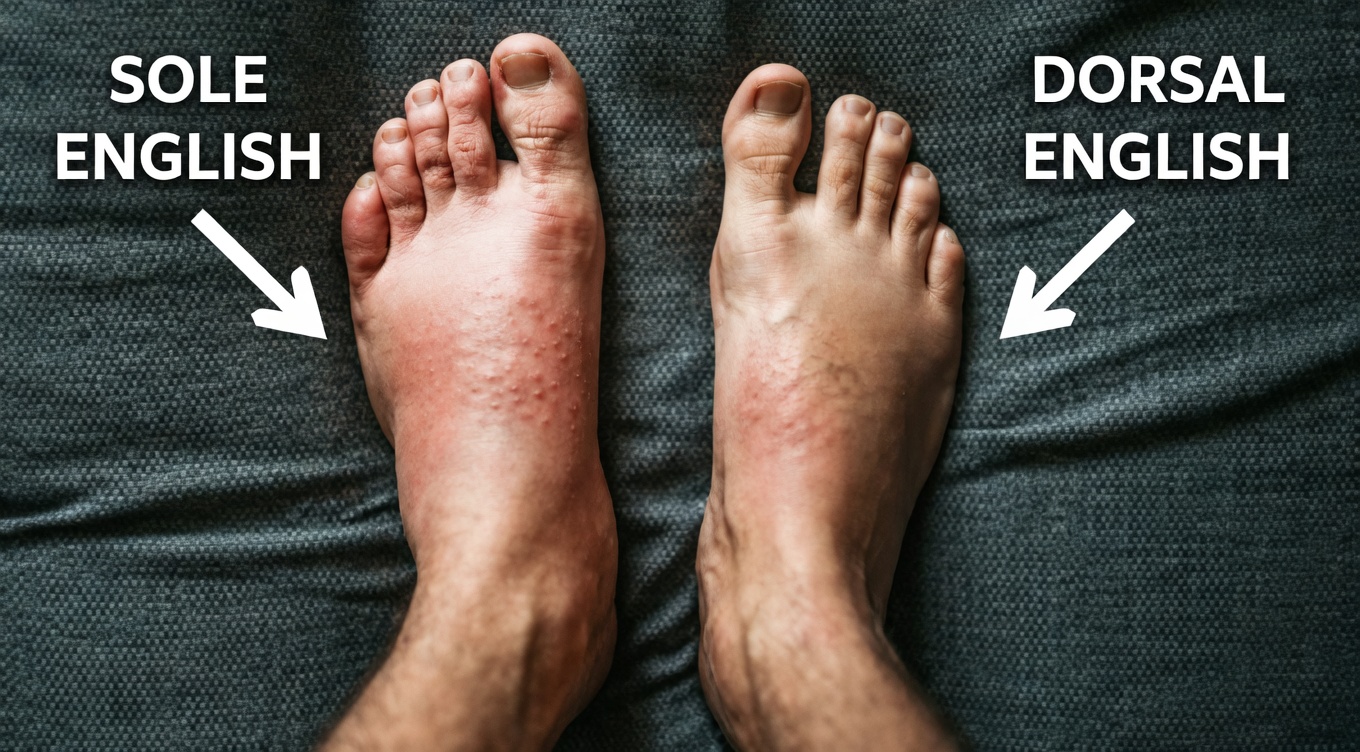
Side Effect 12: Swelling in the Ankles, Feet, or Hands (Peripheral Edema)
One of the most frequent amlodipine side effects is peripheral edema, where fluid buildup causes visible swelling—often noticed in the evening when shoes feel tight and ankles look puffy.
- Reported in up to about 15% of users, particularly women and people on higher doses
- Can reduce mobility and make walking or standing uncomfortable
- Often feels frustrating because it’s so noticeable
This swelling can also appear alongside another issue that can feel just as limiting: low energy.
Side Effect 11: Fatigue and Ongoing Tiredness
Fatigue is a common complaint among people dealing with amlodipine side effects, described as a heavy, persistent tiredness that doesn’t fully improve with rest or caffeine.
- May develop gradually, so it’s easy to blame stress, age, or workload
- Can make normal tasks feel harder than usual (work, chores, exercise)
- Some people report improvement after dose changes or medication adjustments—after clinician guidance
Side Effect 10: Headache (Often When Starting or Increasing the Dose)
Headaches are a well-known early entry on the list of amlodipine side effects, especially after initiating treatment or raising the dose.
- Often described as throbbing or pressure-like
- Frequently improves over time in clinical experience, but can be stressful at first
- If headaches persist beyond the early period, it’s worth reviewing the plan with your prescriber
Side Effect 9: Dizziness or Lightheadedness
Feeling dizzy, especially when standing quickly, is another of the more noticeable amlodipine side effects.
- Can happen because blood pressure shifts as the body adjusts
- May feel worse with heat, dehydration, or exercise
- Can lead to fear of falling and make everyday movement more cautious
Side Effect 8: Flushing or a Sudden Feeling of Warmth
Flushing—warmth and redness of the face, neck, or chest—is a dose-related reaction reported among amlodipine side effects.
- Can be inconvenient or embarrassing in social settings or meetings
- Often fades as the body adapts over time
- If frequent or intense, a clinician may consider dose timing or alternatives
Side Effect 7: Palpitations or a Racing Heartbeat
Some people report palpitations—an uncomfortable awareness of the heartbeat—as part of amlodipine side effects.
- May feel like fluttering, pounding, or a fast heartbeat even at rest
- Can increase anxiety, especially for people already concerned about heart health
- Tracking when it happens (after dosing, after meals, during stress) can help your clinician evaluate patterns
Side Effect 6: Gum Swelling (Gingival Hyperplasia)
A less-talked-about but documented item among amlodipine side effects is gum overgrowth or gum swelling, typically with longer-term use.
- May make brushing uncomfortable and increase worry about oral health
- Can affect eating, speaking, and confidence when smiling
- Medical literature suggests it often improves after stopping the medication (only under medical direction), and careful dental hygiene can help in the meantime

Side Effect 5: Insomnia or Sleep Disruptions
Sleep problems are reported by some users experiencing amlodipine side effects, including difficulty falling asleep or staying asleep.
- Can worsen daytime fatigue, creating a frustrating cycle
- May increase stress, which can also affect blood pressure
- Sleep hygiene measures can help temporarily, but persistent insomnia should be discussed with a healthcare professional
Side Effect 4: Anxiety, Mood Shifts, or Panic-Like Sensations
Although not among the most common reactions, some patient experiences describe anxiety or mood changes as part of amlodipine side effects.
- May feel new, sudden, or out of proportion to the situation
- Can strain work performance and relationships
- If symptoms are significant, prompt support from your healthcare team matters (and mental health support can be part of overall care)
Side Effect 3: Muscle or Joint Pain (Myalgia/Arthralgia)
Muscle aches or joint pain are also reported among amlodipine side effects, sometimes affecting legs, back, or generalized movement.
- Can lower activity levels and reduce quality of life
- May feel especially discouraging for people trying to exercise for heart health
- Gentle movement and evaluation can help clarify whether the medication is contributing or if another condition is present

Side Effect 2: Chest Pain or Tightness (Paradoxical Worsening)
In rare cases, chest pain or tightness can occur as a serious form of amlodipine side effects, particularly when starting treatment or changing the dose.
- Especially concerning for people with existing heart disease
- Requires urgent medical assessment to rule out dangerous causes
- Should never be ignored or “waited out”
Side Effect 1: Persistent Tingling, Numbness, or Neuropathy-Like Symptoms
A surprising and distressing complaint in some patient reports is ongoing tingling, numbness, or pins-and-needles sensations, sometimes described as neuropathy-like.
- Often affects hands or feet
- May disrupt sleep, concentration, and daily comfort
- If persistent, a clinician may consider further evaluation to rule out other causes and decide whether the medication plan should change
Comparison Table: Amlodipine Side Effects at a Glance
| Rank | Side Effect | Frequency Level | Common Patient Description | Potential Management Tip |
|---|---|---|---|---|
| 12 | Swelling (Peripheral edema) | Very common | Puffy ankles, tight shoes | Elevate legs; discuss dose options |
| 11 | Fatigue | Common | Constant tiredness | Monitor; ask about adjustments |
| 10 | Headache (early) | Common | Throbbing or pressure | Often improves; hydrate; review if persistent |
| 9 | Dizziness | Common | Lightheaded on standing | Rise slowly; avoid dehydration |
| 8 | Flushing | Common | Hot, red face/neck | Often temporary; discuss if frequent |
| 7 | Palpitations | Common to uncommon | Racing/noticeable heartbeat | Track episodes; review triggers |
| 6 | Gum swelling | Uncommon | Tender, enlarged gums | Strong dental hygiene; inform dentist/clinician |
| 5 | Insomnia | Uncommon | Restless nights | Sleep routine; review timing/plan |
| 4 | Anxiety/mood changes | Uncommon/rare | Unease or panic-like feelings | Seek support; discuss promptly |
| 3 | Muscle/joint pain | Uncommon | Achy limbs/back | Gentle activity; medical review |
| 2 | Chest pain/tightness | Rare/serious | New or worsening discomfort | Seek urgent care immediately |
| 1 | Tingling/numbness | Rare | Pins-and-needles, burning | Evaluate if persistent; consider alternatives |

These examples show how amlodipine side effects can vary widely—from very common issues like swelling to rarer symptoms (such as neuropathy-like sensations) that can catch people off guard.
Practical Steps for Managing Amlodipine Side Effects
- Do not stop amlodipine suddenly on your own. Stopping or changing blood pressure medication without guidance can be risky.
- Track your symptoms clearly. Note onset date, time of day, dose changes, and triggers (heat, exercise, dehydration, alcohol).
- Bring specific examples to appointments. “Ankles swell every evening after my dose” is more actionable than “I don’t feel right.”
- Support swelling thoughtfully. Elevate legs when possible, avoid prolonged standing, and ask whether a dose adjustment or alternative could help.
- Prioritize hydration and slow position changes. This can reduce dizziness in some people, especially in warm weather.
- Protect oral health. If gum changes appear, maintain careful brushing/flossing and tell your dentist you take amlodipine.
- Treat sleep as a health signal. If insomnia starts after beginning or increasing amlodipine, document it and discuss dose timing or alternatives.
- Know when to seek urgent care. Chest pain, severe shortness of breath, fainting, or sudden severe symptoms should be treated as emergencies.

Key Takeaway
For many people, amlodipine is effective and well-tolerated, but amlodipine side effects can still interfere with daily life—sometimes in ways that aren’t fully discussed upfront. Swelling, fatigue, headaches, and dizziness are common, while symptoms like gum changes, mood shifts, and persistent tingling are less expected. The best outcomes usually come from tracking symptoms early and working with a healthcare professional to adjust the treatment plan safely.