Tonsil Stones: Why They Happen, How to Spot Them, and Simple Ways to Manage Them
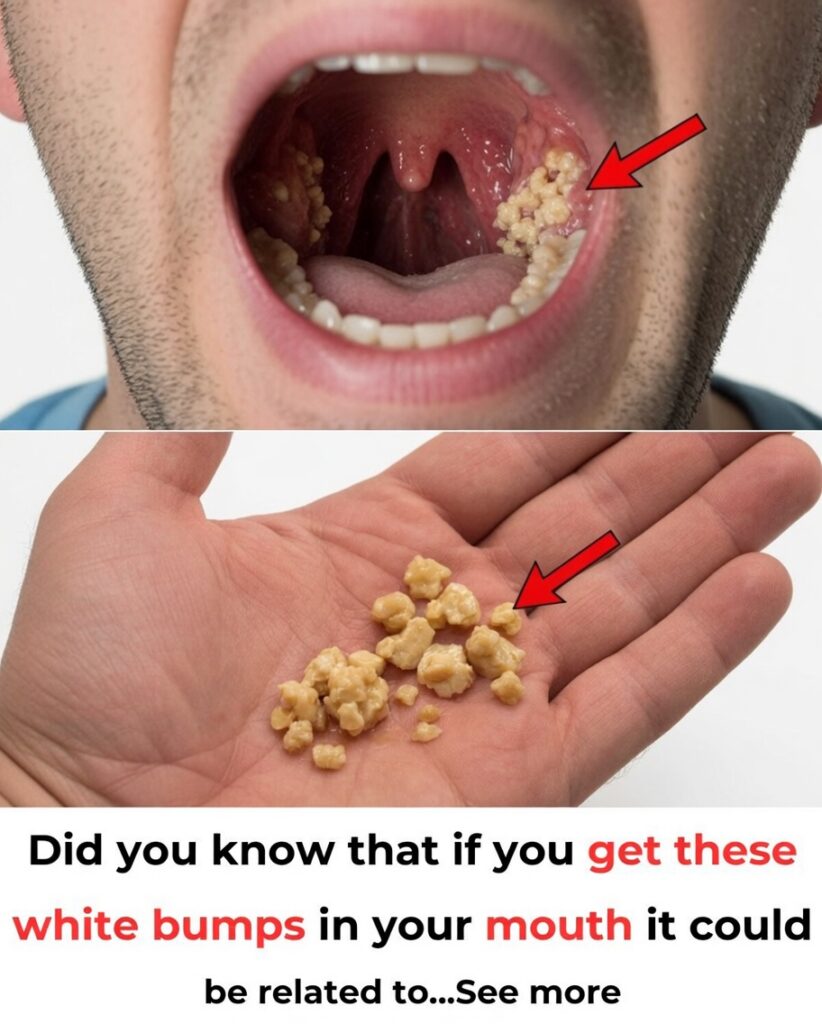
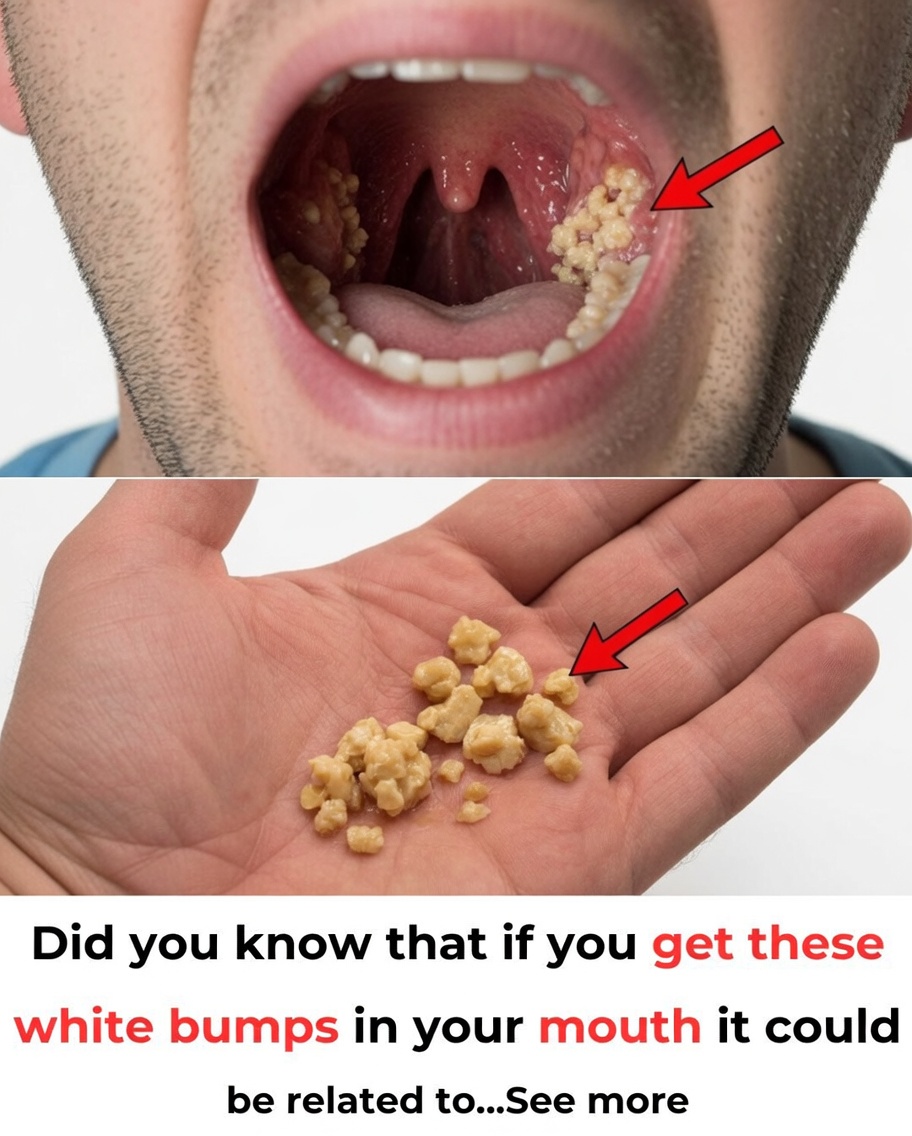
Noticing tiny white or yellow bumps near the back of your throat—or dealing with stubborn bad breath that doesn’t improve no matter how well you brush—often points to tonsil stones. These small deposits can make everyday moments (talking up close, eating with others, even laughing) feel uncomfortable or embarrassing, especially when you’re worried someone might notice your breath.
The good news is that tonsil stones (tonsilloliths) are common and, for most people, manageable with practical daily habits. Later in this guide, you’ll also learn a hydration routine that many people find surprisingly helpful for reducing repeat flare-ups.
What Are Tonsil Stones?
Tonsil stones, medically called tonsilloliths, are small hardened clusters that develop inside the natural folds and pockets of the tonsils. They form from a mix of:
- Food particles
- Dead cells
- Mucus
- Bacteria
- Minerals (often calcium) that harden the material over time
In most cases, tonsil stones aren’t dangerous—but they can become noticeable when they cause odor, irritation, or a feeling that something is stuck in your throat. Understanding what they are can ease the alarm many people feel when they first spot them.
How Tonsil Stones Form
Tonsils have small creases called crypts. Tonsil stones develop when debris settles into these crypts and doesn’t clear out naturally. At first, the trapped material is soft, but it can gradually harden as minerals in saliva—especially calcium—build up around it.
People with deeper tonsil crypts often deal with tonsil stones more frequently, simply because there’s more space for debris to collect.
Common everyday triggers that can feed the buildup include:
- Eating (tiny particles can lodge in the crypts)
- Post-nasal drip from allergies or sinus congestion
- Bacteria thriving in a warm, moist environment
Ongoing throat irritation or repeated inflammation can also make crypts more pronounced, increasing the likelihood of recurrence. Sources such as the Cleveland Clinic note that inconsistent oral hygiene can contribute to the bacterial and debris buildup associated with tonsil stones.
Common Symptoms of Tonsil Stones
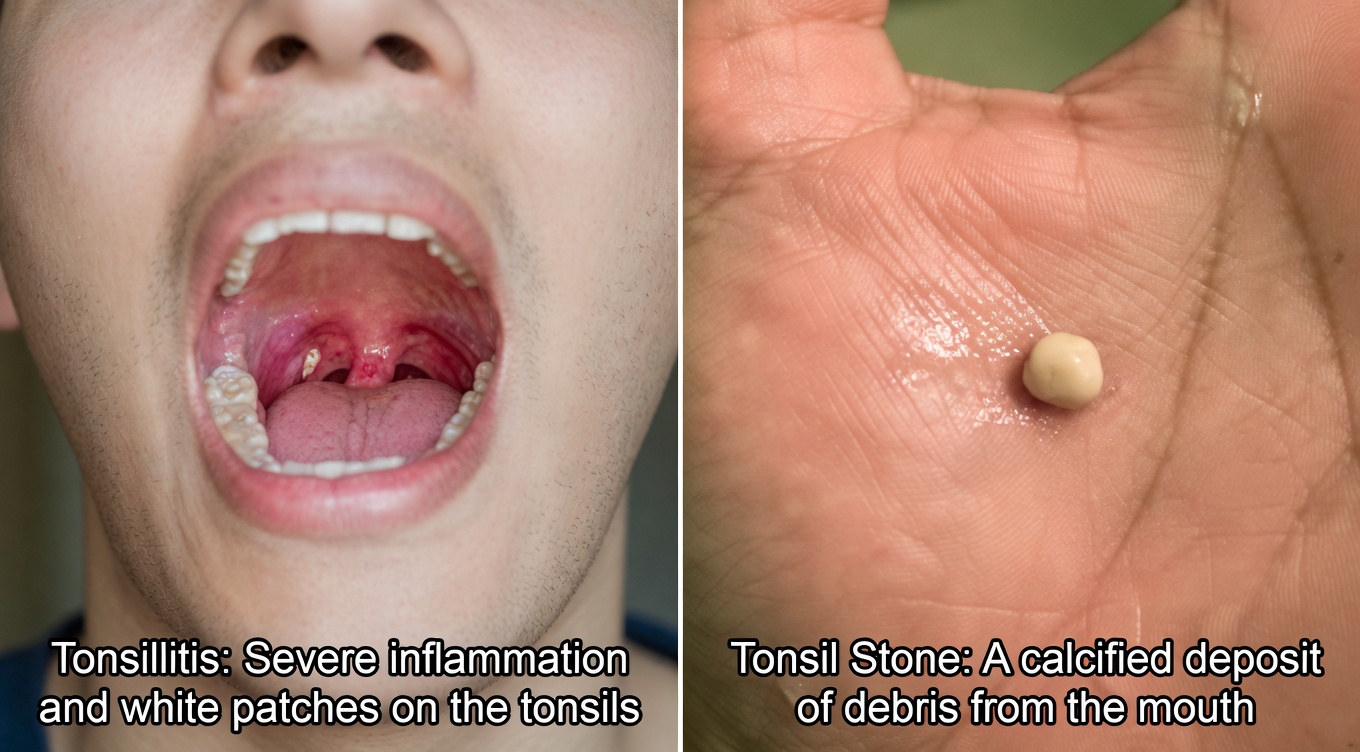
Tonsil stones often become obvious because of persistent bad breath that doesn’t fully improve with brushing, flossing, or mouthwash. Beyond odor, they can also cause mild but distracting sensations in the throat.
Typical symptoms include:
- Ongoing bad breath (halitosis)
- A foul, bitter, or metallic taste
- Visible white or yellow spots on the tonsils
- A scratchy or irritated throat
- A sensation of something stuck in the throat
- Occasional coughing or throat clearing
- Discomfort when swallowing (more likely with larger stones)
- Referred ear discomfort (pain that feels like it’s in the ear)
If this sounds familiar, you’re far from alone—tonsil stones affect many people and can carry a real social confidence cost, especially when breath concerns are involved.
What Increases the Risk of Tonsil Stones?
Several everyday factors can make tonsil stones more likely:
- Poor oral hygiene, allowing more bacteria and debris to remain in the mouth
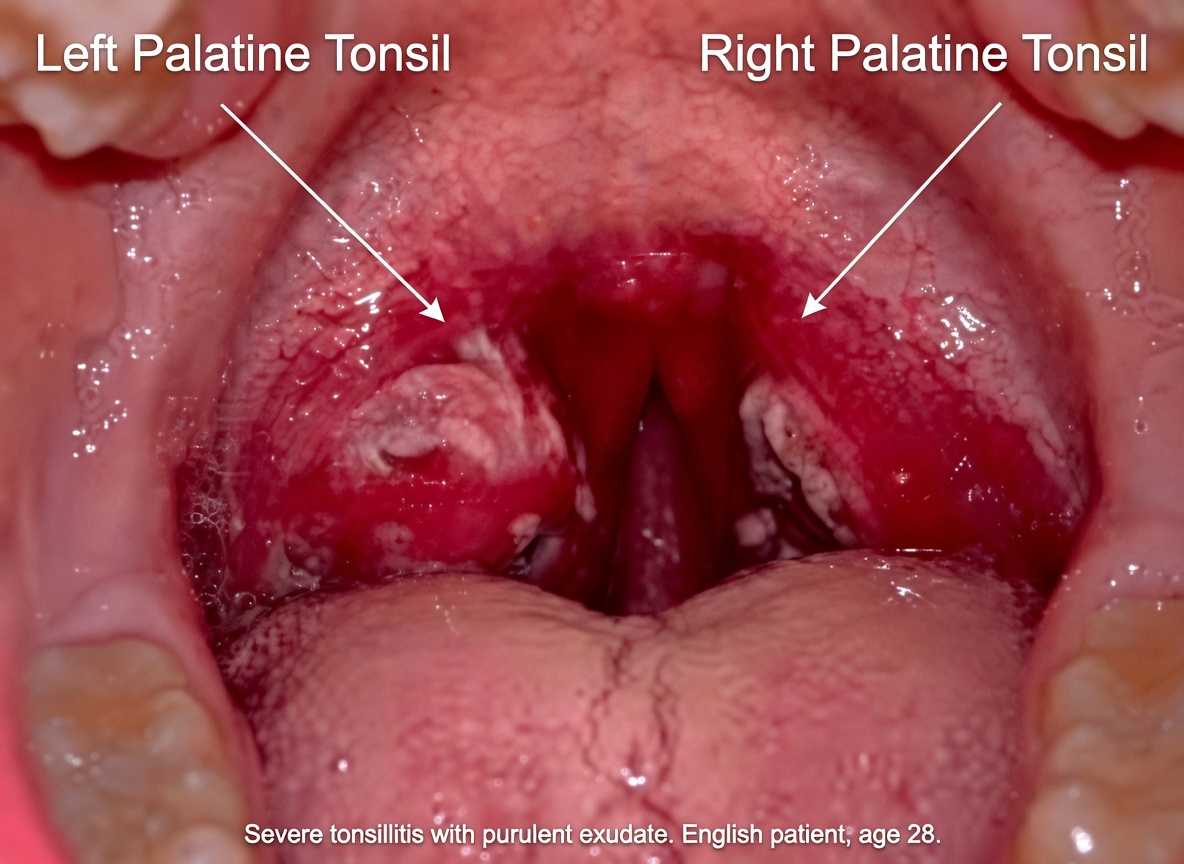
- A history of frequent tonsil inflammation
- Naturally large or deep tonsil crypts
- Post-nasal drip (allergies, sinus issues), which adds extra mucus that can collect in the tonsils
- Diet patterns that may encourage bacterial growth (for some people, frequent sugary foods can contribute indirectly)
- Dehydration, which reduces saliva flow and makes it easier for particles to stick and remain trapped
Safe, Simple At-Home Management for Tonsil Stones
Many people can reduce discomfort and remove small tonsil stones using gentle methods. The focus is to loosen debris without injuring the tonsils.
Common at-home approaches include:
-
Gargle warm salt water
- Mix ½ teaspoon of salt into 8 oz (about 240 ml) of warm water
- Gargle gently for about 30 seconds
- Repeat a few times per day as needed
-
Use a water flosser carefully (lowest setting)
- Aim gently toward the tonsil area
- Stop immediately if you feel pain or irritation
-
Cough to help dislodge loosened material
- After gargling, controlled coughing can help expel stones that are ready to come out
-
Cotton swab technique only when clearly accessible
- Use a clean, damp swab
- Apply minimal pressure and never “dig” into tissue
-
Finish with an alcohol-free mouthwash
- Helps freshen breath and supports a healthier oral environment
Go slowly and be patient—forcing removal can cause bleeding or infection. If stones are large, painful, or repeatedly return, it’s worth discussing options with a dental or medical professional.

Daily Oral Hygiene Habits That Help Prevent Tonsil Stones
Long-term control often comes down to consistently reducing the debris and bacteria that can migrate toward the tonsils. A solid routine includes:
- Brush twice daily
- Floss once daily
- Clean your tongue (a major reservoir for bacteria that can worsen breath)
- Use an alcohol-free antibacterial mouthwash if it works well for you
Small upgrades—especially tongue cleaning and consistent flossing—often lead to fewer episodes and noticeably fresher breath over time.
Hydration and Diet Choices That Support Fewer Tonsil Stones
Hydration matters because saliva is your mouth’s natural rinsing system. When you’re well-hydrated, saliva flow helps wash away particles before they settle into tonsil crypts and harden.
Helpful strategies include:
- Drink water steadily throughout the day (not just in large amounts at once)
- If dairy seems to increase mucus for you personally, consider reducing it and observe whether symptoms improve
- Limit frequent sugary foods that may encourage bacterial overgrowth
A simple hydration habit that many people find unexpectedly effective is this: after every meal or snack, drink a full glass of water and then do a brief water gargle. This combo helps clear lingering particles and supports cleaner tonsil crypts—especially for those prone to recurrent tonsil stones.