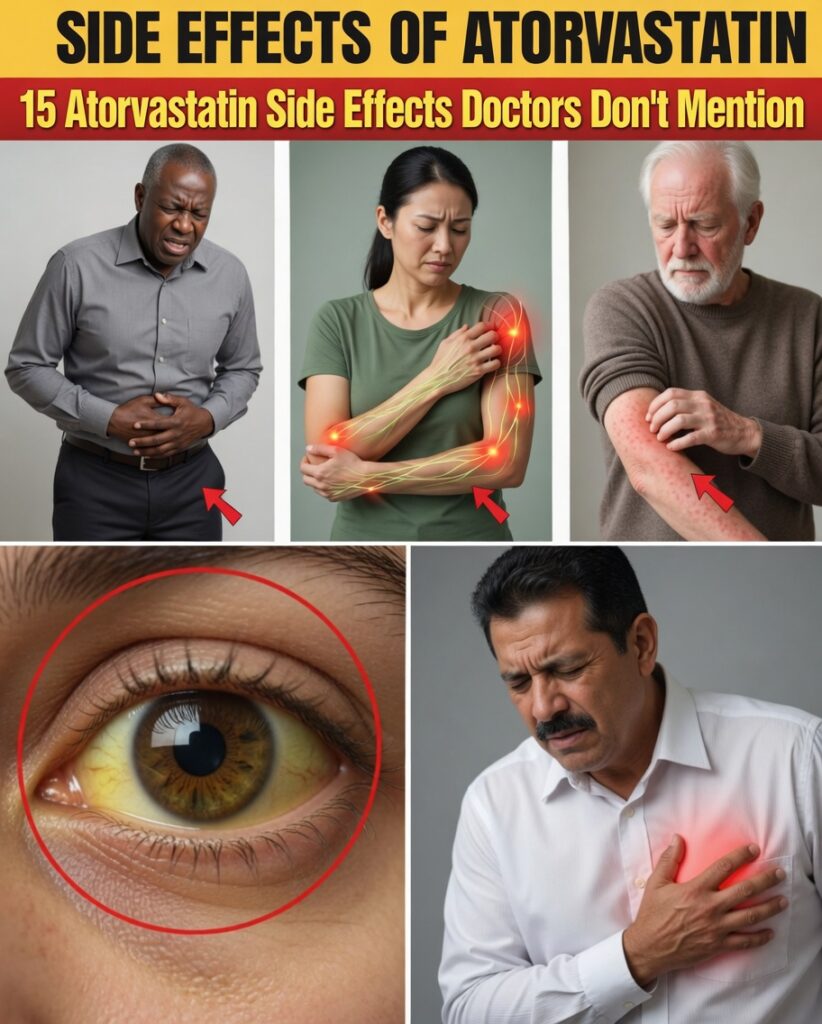
Living Well While Managing Cholesterol: Why Side Effects Matter
In your mid-50s, starting a daily statin like atorvastatin can feel like a turning point—LDL numbers improve, mornings seem clearer, and energy feels steadier. Then, gradually, small changes may show up: a stubborn shoulder ache after ordinary chores, brief “blank” moments when a familiar name won’t come, or a thirst that lingers all day. It’s easy to chalk this up to aging, but atorvastatin side effects can quietly chip away at confidence and day-to-day enjoyment when they’re missed or minimized.
Stay with this guide—because the final takeaway can help you feel far more in control of your health decisions than you might expect.
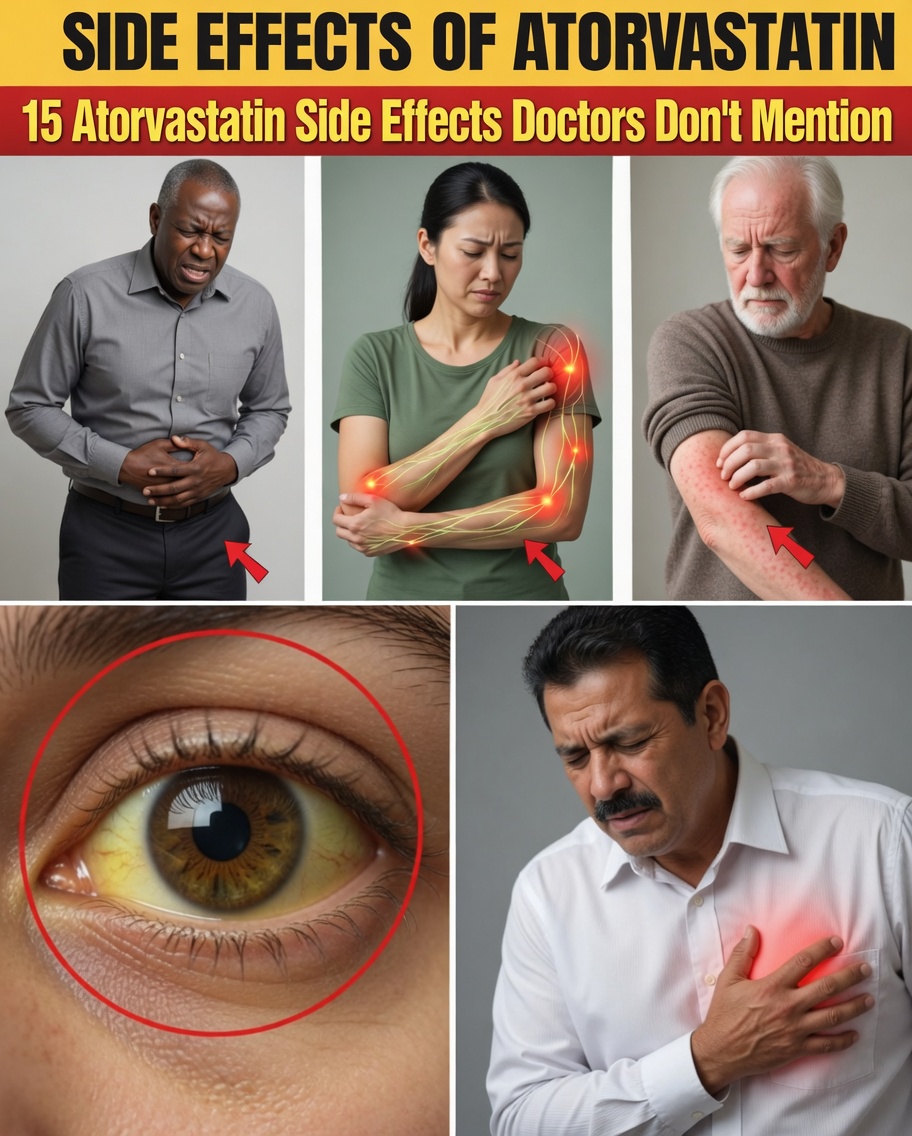
Why Atorvastatin Side Effects Can Occur
Atorvastatin lowers “bad” LDL cholesterol by inhibiting an enzyme in the liver that’s essential for cholesterol production. That protective effect for arteries is exactly why it’s widely prescribed—but the same pathway can also influence:
- Muscle energy production
- Blood sugar regulation
- Liver enzyme activity
- Nervous system symptoms in some individuals
The likelihood of atorvastatin side effects can rise with higher doses, long-term use, and certain risk factors such as older age (especially 65+), kidney issues, or drug interactions. The key point: noticing changes early helps you respond calmly and safely—without panic.

Countdown: 15 Potential Atorvastatin Side Effects (From Common to Rare)
Below is a step-by-step overview of reported atorvastatin side effects. Many are mild and temporary, but some deserve prompt medical attention.
15) Ongoing Digestive Discomfort
After a normal meal, you may notice bloating, nausea, loose stools, or indigestion that makes evenings uncomfortable. Clinical reports suggest gastrointestinal issues can affect a notable portion of users (often cited around 5–14%, depending on the study and symptom definition). These effects may fade with time, but persistent symptoms should be discussed—especially if they change your eating habits or social life.
14) Joint or Muscle Aches That Slowly Build
Aches in shoulders, knees, hips, or back may creep in and start limiting hobbies like golf, gardening, or long walks. Muscle pain and stiffness are among the most recognized atorvastatin side effects (often reported in the 1–10% range). Because they resemble “normal aging,” people frequently tolerate them longer than they should.
13) Unusual Daytime Fatigue
If you wake up feeling fine but hit a wall by midday, fatigue may be part of the picture. In some people, statins may affect metabolic processes tied to energy production, making tiredness feel disproportionate to your routine—especially when combined with muscle aches.
12) A Small Increase in Blood Sugar
Some users see fasting glucose or A1C rise slightly despite no major diet changes. Health authorities have noted a modest increase in type 2 diabetes risk in certain groups using statins, including atorvastatin—particularly if prediabetes is already present. Monitoring usually keeps this manageable, but it can add stress if you’re already watching your numbers.
11) Headaches That Interrupt Focus
Recurring headaches—especially if they appear after starting or increasing the dose—can affect concentration, screen time, and mood. While not always directly caused by the medication, headaches are reported among atorvastatin side effects and should be tracked for patterns and triggers.
10) Sleep Disruption or Insomnia
Difficulty falling asleep, waking frequently, or feeling unrefreshed can quickly reduce quality of life. Sleep disturbances are reported by some people taking statins and may intensify fatigue, irritability, and stress over time—especially if they began soon after initiating therapy.
9) Memory Slips or “Brain Fog”
Misplacing words, forgetting why you entered a room, or struggling to recall names can feel alarming. Some people report cognitive changes among atorvastatin side effects, although large studies have produced mixed results and many cases appear reversible after adjustments. Whether related or not, the experience is real—and worth documenting and discussing.
8) Elevated Liver Enzymes on Blood Tests
It’s possible to feel completely normal and still have lab results show higher liver enzymes. This occurs in a small percentage of users (often cited up to ~1%). In most cases, it doesn’t progress when monitored appropriately, but it can lead to extra testing and understandable anxiety.
7) Severe Muscle Injury (Rhabdomyolysis) — Rare but Serious
Severe muscle pain, profound weakness, or dark/cola-colored urine can indicate rhabdomyolysis, a rare but urgent condition linked to statins. Risk is higher with certain medication interactions, high doses, dehydration, or underlying medical conditions. This is an emergency—seek immediate care.

6) Skin Reactions (Rash, Itching, Hives)
An itchy rash or blotchy skin can affect sleep and confidence. While uncommon, allergic-type reactions are possible atorvastatin side effects and should be evaluated—especially if symptoms spread quickly or come with swelling.
5) Persistent Cough or Shortness of Breath
Some people report a dry cough or feeling unusually winded. These symptoms are uncommon as statin-related effects, but if they appear after starting atorvastatin (and persist beyond a typical cold), they deserve attention to rule out other causes.
4) Possible Hormonal or Sexual Changes
Changes in libido, performance, or overall sexual confidence may occur for some individuals. Evidence is mixed, but concerns are frequently reported in real-world use. Because cholesterol is involved in hormone production, it’s reasonable to evaluate symptoms rather than assuming “it’s just age.”
3) Increased Diabetes Risk in At-Risk Individuals
While the absolute risk increase is usually small, people with prediabetes, metabolic syndrome, or higher baseline blood sugar may face greater odds of developing type 2 diabetes while on statins. For many, cardiovascular protection still outweighs this risk—but it should be personalized and monitored.
2) Rare Mood or Neurological Changes
Occasional reports include tingling sensations, mood changes, or unusual sensory symptoms. These are not common, and many resolve with dose changes or medication review. Still, they can feel unsettling and should be discussed promptly—especially if symptoms persist or worsen.
1) Long-Term Nutrient Depletion (A Key Insight)
One often-overlooked point in discussions about atorvastatin side effects is CoQ10 (coenzyme Q10). Because the cholesterol pathway is connected to CoQ10 production, long-term statin use may contribute to lower CoQ10 levels in some people. This can potentially worsen:
- Muscle aches
- Exercise intolerance
- Fatigue
Some people consider supplements, but the safest approach is to talk with a clinician first, particularly to avoid interactions or masking a more serious issue. This single insight—linking muscle symptoms and energy changes to underlying cellular energy pathways—can help you ask better questions and make more informed decisions.
Quick Side-by-Side View of Atorvastatin Side Effects
| Category | Common (Often Mild) | Rare/Serious (Get Medical Help) |
|---|---|---|
| Muscle | Aches, cramps, stiffness | Severe weakness, dark urine, intense pain |
| Digestive | Nausea, diarrhea, indigestion | Persistent vomiting or dehydration |
| Metabolic | Mild blood sugar rise | Significant or rapidly worsening glucose control |
| Neurological | Headache, brain fog | Confusion, persistent or worsening neurological symptoms |
| Liver | Elevated enzymes on lab work | Jaundice, severe abdominal pain, dark urine |
Most atorvastatin side effects can be managed safely when you monitor changes and communicate early.
Monitoring and Safer Management Tips
If something feels “off,” these steps can reduce uncertainty and help you stay active while protecting your health:
-
Keep a symptom log
Note when symptoms started, time of day, severity, and whether they correlate with dose changes, workouts, alcohol, or dehydration. -
Review your full medication list for interactions
Include prescriptions, over-the-counter products, and supplements. Interactions can raise statin levels and increase muscle-related side effects. -
Schedule recommended lab checks
Your clinician may monitor liver enzymes and, when appropriate, blood sugar (A1C/fasting glucose). -
Don’t ignore muscle warning signs
Contact a healthcare professional urgently if you have severe muscle pain, marked weakness, fever, or dark urine. -
Ask about dose timing and alternatives
Sometimes symptom relief comes from adjusting the dose, switching to a different statin, or using a tailored cholesterol strategy—without losing cardiovascular benefits. -
Support the basics that protect muscles and metabolism
Prioritize hydration, adequate protein, regular movement, and sleep—especially when starting or increasing the dose.

When to Seek Immediate Medical Care
Get urgent help if you develop:
- Severe muscle pain or weakness
- Dark/tea-colored urine
- Signs of liver problems (yellowing skin/eyes, severe abdominal pain)
- Difficulty breathing, swelling, or widespread rash
Final Takeaway
It’s not “all in your head,” and it isn’t automatically “just aging.” Atorvastatin side effects can range from mild inconveniences to rare but serious complications—and the most empowering move is simply recognizing patterns early. The often-missed insight about CoQ10 and long-term energy/muscle changes can also give you a clearer framework for discussing fatigue and aches with your clinician, so you can protect both your heart and your quality of life.