Feeling Run-Down After 45? Why Soursop Leaves Are Getting So Much Attention
Many adults over 45 find themselves battling persistent tiredness, lower day-to-day vitality, and growing concerns about how to support the body’s natural resilience as responsibilities pile up. At the same time, searching for gentle, plant-based options can feel exhausting on its own—especially when the internet is packed with conflicting stories and unverified claims.
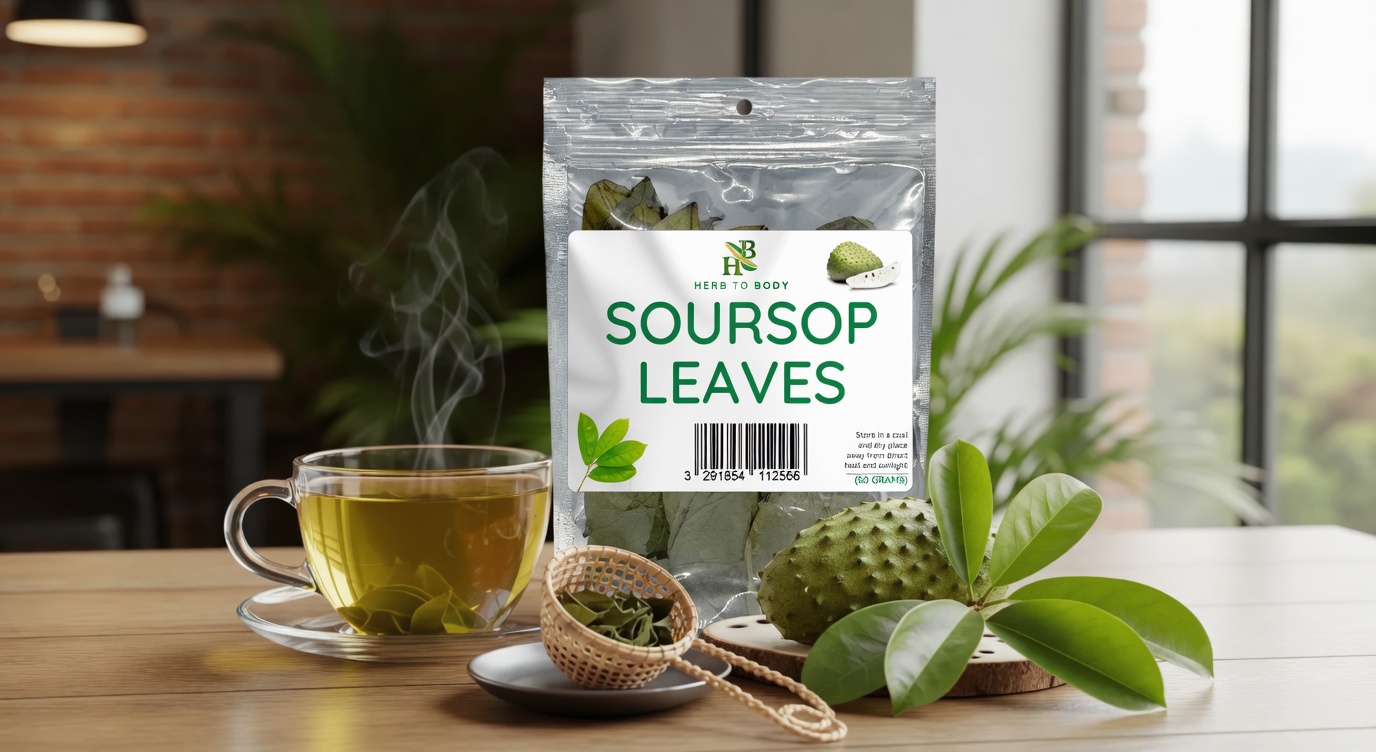
Among the many tropical remedies discussed online, soursop leaves (from the graviola tree) have become a standout topic. Traditional use suggests they may offer antioxidant support as part of everyday wellness routines. But separating marketing hype from useful, evidence-based insight requires looking closely at what early research actually shows.
Why Soursop Leaves Keep Capturing Interest Worldwide
Imagine someone like Maria, 58, juggling fatigue and worry about family health history. For people in similar situations, discovering soursop leaf tea can feel like finding a gentle, natural addition to a wellness routine. In many tropical regions, soursop leaves have long been brewed into teas traditionally used for relaxation and digestive comfort during stressful periods.
Modern curiosity is largely driven by the plant’s bioactive compounds—especially annonaceous acetogenins, along with polyphenols and vitamin C. Laboratory studies have reported interesting biological activity, which helps explain the global buzz.
Still, it’s important to keep expectations realistic: most evidence is preclinical (test-tube or animal models), and strong human data is limited. For that reason, soursop leaves are best viewed as a complementary wellness option, not a replacement for medical care or proven treatments.
10 Potential Ways Soursop Leaves May Support Wellness (Based on Preliminary Science)
10) Antioxidant Support for Everyday Vitality
Busy schedules and chronic stress can increase oxidative strain. Soursop leaves contain vitamin C and polyphenols, and laboratory research suggests these compounds may help neutralize free radicals. As a mild herbal tea, soursop leaves may offer a gentle way to support long-term cellular balance.
9) Possible Immune-Response Support
When seasonal shifts, poor sleep, or stress raise concerns about staying well, soursop leaves are often explored for their potential immune-related effects. Early studies (primarily lab-based) suggest certain compounds may influence immune signaling, including markers related to cytokine activity.

8) May Help Calm Occasional Inflammatory Discomfort
Traditional use often overlaps with modern interest in inflammation management. Reviews of acetogenins and related compounds note anti-inflammatory potential in vitro, which may be relevant for people seeking gentle support for occasional aches or minor swelling.
7) Traditionally Used for Digestive Comfort
Bloating or an unsettled stomach can throw off an entire day. In several cultures, soursop leaf tea is used traditionally after meals to promote digestive ease. Some lab findings also point to antimicrobial activity, which researchers sometimes discuss in the context of gut balance (though this does not confirm real-world digestive benefits in humans).
6) Indirect Support for Energy and Mood (Anecdotal + Exploratory)
Many people look into soursop leaves when they feel mentally foggy or drained. While the leaf isn’t considered a stimulant, antioxidant activity is sometimes studied for its potential relationship to fatigue-related pathways. Anecdotally, some users describe improved clarity or steadier daytime rhythm, but experiences vary.
5) Laboratory Findings on Antibacterial Activity
Soursop leaf extracts have shown activity against certain bacteria in controlled laboratory settings. These results are part of why the plant remains popular in traditional wellness discussions, although lab activity does not automatically translate to practical prevention or treatment effects in humans.

4) Early Interest in Antiparasitic Properties
In areas where parasites are a common concern, soursop leaves have a history of traditional use. Some test-based studies report antiparasitic effects under experimental conditions. If someone is considering soursop leaves for this reason, it’s especially important to involve qualified medical guidance.
3) Lab Insights Related to Cellular Protection
Aging can make long-term cellular health feel more urgent. Test-tube research suggests soursop leaf extracts may affect specific cellular pathways, including energy-related mechanisms studied in certain cell lines. This is a key area of scientific interest—yet it remains early-stage research.
2) Emerging Research on Inhibiting Cell Growth (Preclinical Only)
Several laboratory reviews have reported that soursop leaves may inhibit growth in various modeled cell types (for example, pancreatic or colorectal cell lines) in dose-dependent ways. These findings contribute to the excitement—but they are not clinical proof and should not be interpreted as medical outcomes.
1) The Biggest Buzz: Anticancer Activity in Laboratory Settings
The most talked-about topic is the preclinical research where soursop leaf extracts showed strong activity against multiple cancer cell lines in lab conditions. This has fueled “secret cure” narratives online.
However, experts repeatedly emphasize a critical point: there are no conclusive human clinical trials confirming soursop leaves as a treatment for cancer or other serious diseases. The most responsible takeaway is that soursop leaves may be explored for general wellness support—while major health concerns require professional medical care.
Comparing Different Parts of the Soursop Plant
Knowing what’s being discussed matters, because the fruit, tea, and extracts are not the same.
| Plant Part | Key Compounds Often Mentioned | Areas Commonly Studied (Mostly Preclinical) |
|---|---|---|
| Soursop leaves | Acetogenins, polyphenols | Cellular activity in labs, antioxidant potential |
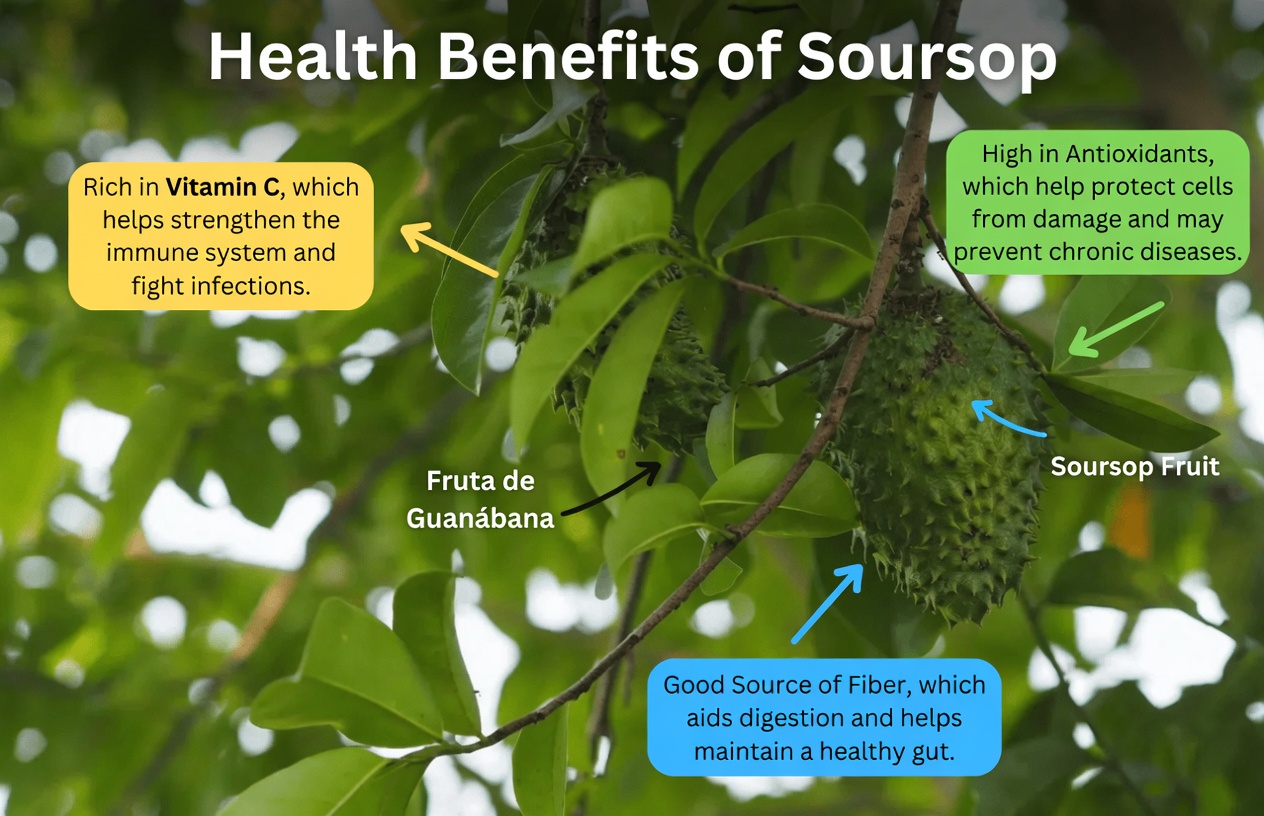
| Soursop fruit | Vitamin C, fiber | Nutrition support, digestive wellness |
| Tea from soursop leaves | Antioxidant-related compounds | Relaxation traditions, exploratory immune signaling |
| Concentrated extracts | Annonacin and related compounds | Anti-inflammatory signals in tests, cellular studies |
This comparison helps explain why soursop leaves are frequently the focus: they’re often discussed as a more concentrated source of certain plant compounds than the fruit.
How to Use Soursop Leaves Thoughtfully and Safely
If you’re considering adding soursop leaf tea to your routine, a cautious approach is best:
- Start small and monitor how you feel. Begin with a mild brew and avoid overuse.
- Choose reputable sourcing. Look for clean, properly dried leaves from trusted sellers to reduce contamination risk.
- Avoid treating it like a medicine. Soursop leaves are not a proven therapy for serious conditions.
- Be careful with concentrated extracts. Extracts can deliver higher doses of certain compounds than tea, increasing the risk of unwanted effects.
- Talk to a healthcare professional if you have medical conditions or take medications. This is especially important if you’re pregnant, breastfeeding, managing chronic illness, or using prescription drugs.
Used mindfully, soursop leaves may be a gentle, traditional addition to a wellness-focused lifestyle—so long as the conversation stays grounded in what evidence currently supports and what it does not.