Many people experience a heavy sensation after eating—even when they didn’t overeat—or an on-and-off pressure on the right side. Energy may drop sooner than it used to, and motivation can feel harder to sustain. These symptoms are easy to dismiss, but they’re sometimes associated with fatty liver strain, a widespread issue affecting millions of adults worldwide.
One reason fatty liver can be missed is that it often progresses quietly. Standard bloodwork may show only slight changes—or no clear red flags at all—while the liver gradually accumulates extra fat and has to work harder to keep the body in balance. The good news is that everyday food choices can support liver function over time, without extreme detox programs or harsh “cleanses.” Small, consistent upgrades usually matter more than dramatic short-term fixes.
So what if your daily habits could reduce the load on your liver? Some foods are linked to gentler fat handling and better metabolic balance, while other common choices can unknowingly push things in the wrong direction. One surprisingly familiar item also appears repeatedly in research discussions. Below is why this matters—and the foods most often highlighted.
Why Fatty Liver Is Increasing Worldwide
Fatty liver is frequently connected to metabolic changes and has become more common, particularly after midlife. Modern routines—less movement, more ultra-processed foods, and gradual weight gain—play a major role. Many people only learn they have fatty liver during routine screenings, which can feel confusing because symptoms are often subtle.
A healthy liver naturally stores some fat as part of normal metabolism. Trouble begins when fat storage consistently exceeds the liver’s ability to process and export it, which can gradually contribute to inflammation and stress over time. Because this shift tends to be slow, supportive nutrition patterns can make a meaningful difference when practiced consistently.
It’s also worth clearing up a common misconception: you don’t need aggressive fasting or “detox” products. The liver already detoxifies on its own—your role is to reduce its burden by choosing nutrient-dense foods more often. Research frequently highlights eating patterns such as the Mediterranean-style diet (plants, fiber, healthy fats, and minimally processed foods) as a practical approach associated with better liver-related outcomes.
How Liver-Friendly Foods May Help
Studies and dietary research often connect liver-supportive eating habits with potential benefits such as:
- Less fat accumulation within liver cells
- Improved insulin sensitivity
- Better bile flow to support digestion
- Reduced oxidative stress through antioxidants
- More efficient nutrient use
- Steadier day-to-day energy
- Fewer episodes of abdominal discomfort
- Improved metabolic balance
- A stronger sense of control over overall health
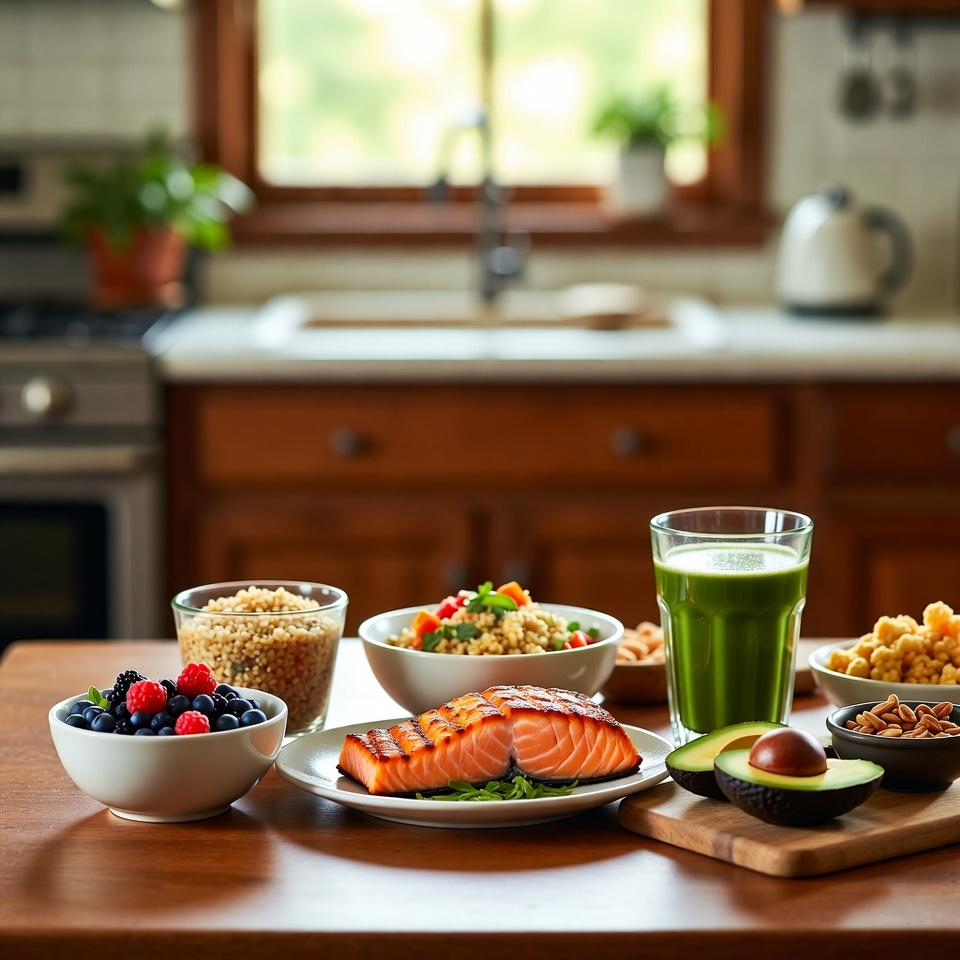
These changes usually build gradually. Next are 10 accessible foods often associated with fatty liver support, counted down from #10.
10. Leafy Greens for a Lighter Daily Routine
Adding spinach, arugula, kale, or mixed greens can make meals feel fresher and less heavy. Leafy greens provide fiber and plant compounds (including chlorophyll), which research suggests may support healthier digestion and fat handling.
They also help nourish the gut, which matters because the gut–liver connection strongly influences inflammation and metabolic stress. If salads aren’t your favorite, try lightly sautéing greens with garlic or finishing them with lemon for an easy upgrade.
9. Extra Virgin Olive Oil for Smarter Fats
Extra virgin olive oil adds richness without relying on processed sauces or heavy fats. When used in place of refined oils or butter-heavy cooking, its monounsaturated fats are linked in research to healthier lipid patterns.
It can also increase meal satisfaction, which may reduce random snacking later—an underrated advantage when trying to support metabolic health.
8. Oats to Support Blood Sugar and Cholesterol Balance
A bowl of oats is a simple swap for sugary breakfast cereals or pastries. Oats contain beta-glucan, a type of fiber associated with improved cholesterol management and steadier glucose response.
More stable blood sugar can mean less excess energy being converted into fat and routed toward the liver—an important link many people don’t realize.
7. Fatty Fish for Inflammation Support
Salmon, sardines, mackerel, and trout provide omega-3 fatty acids, which research often associates with lower inflammation markers and potential improvements in liver fat measures for some individuals.
Aim for balanced portions and regular inclusion (for many people, a few servings per week fits well), alongside vegetables and high-fiber sides.
6. Coffee (Black) for Liver Enzyme Associations
This is the “surprising everyday item” that appears frequently in observational research: moderate coffee intake, especially black coffee without sugar or heavy cream, is often associated with more favorable liver enzyme patterns.
Coffee contains antioxidants and bioactive compounds that may support the body’s protective pathways. The key is keeping it simple—added sugar and high-calorie mix-ins can cancel out the upside.
5. Citrus Fruits for Antioxidant and Digestive Pathways
Oranges, grapefruit, lemons, and other citrus fruits offer vitamin C and flavonoids, compounds linked to antioxidant activity and metabolic support. Whole citrus may also help stimulate digestion through bile-related pathways.
Choose whole fruit over juice whenever possible—fiber slows absorption and supports steadier blood sugar.
4. Nuts and Seeds for Micronutrients That Matter
Almonds, walnuts, chia seeds, and flaxseeds deliver healthy fats, magnesium, and other micronutrients that support metabolic and enzyme function.
Because nuts are calorie-dense, portions matter. In many cases, a small handful is enough to gain the benefits without unintentionally overeating.
3. Garlic for Natural Protective Compounds
Garlic’s strong aroma comes from sulfur-containing compounds that research links to protective cellular pathways and metabolic support.
It also adds flavor without requiring extra salt or sugar-heavy sauces—making it an easy daily ingredient for long-term habits.
2. Fermented Foods for Gut–Liver Balance
Yogurt (unsweetened), kefir, sauerkraut, kimchi, and other fermented foods can provide beneficial bacteria. A healthier gut environment may help reduce inflammatory and metabolic signals that affect the liver.
This isn’t only about digestion—microbiome balance can influence how the body processes fat, sugar, and inflammation overall.
1. Cruciferous Vegetables for Detox Enzyme Signaling
Broccoli, Brussels sprouts, cauliflower, cabbage, and bok choy are consistently featured in evidence-based nutrition discussions. They contain compounds such as sulforaphane and other sulfur-related elements that research links to detox enzyme activation and cellular protection.
They’re widely available, easy to roast or sauté, and often underestimated—yet they frequently rank near the top for practical liver support.
Quick Comparison of These Foods
- Leafy greens: fiber, chlorophyll → digestion and gut–liver support
- Fatty fish: omega-3s → inflammation support
- Cruciferous vegetables: sulforaphane/sulfur compounds → detox enzyme signaling
- Oats: beta-glucan → glucose and cholesterol stability
- Olive oil: monounsaturated fats → healthier fat profile
- Coffee (black): antioxidants and bioactives → liver enzyme associations
No single food “fixes” fatty liver on its own. The real impact comes from consistent patterns.
Simple Ways to Eat These Foods More Often
- Keep portions realistic: e.g., a handful of nuts, 2–3 cups of leafy greens, 1 serving of fish
- Use lighter cooking methods: steaming, roasting, grilling, quick sautéing (avoid heavy deep-frying)
- Build balanced plates: aim for half your plate vegetables, plus protein and high-fiber carbs
- Check with your clinician: especially if you have medical conditions or plan major dietary changes
Progress is usually gradual. Many people notice changes first in energy, digestion, and comfort, before lab values shift.
Conclusion: Small Food Choices Can Create Big Momentum
Fatty liver is often a signal to adjust direction—not a reason to feel defeated. Consistent, realistic food choices can support your body’s natural processes without requiring perfection.
Pick one change to start this week: add spinach to lunch, roast broccoli at dinner, or switch to unsweetened yogurt. Track how you feel and build from there.
P.S. For many people, eating a larger meal earlier in the day aligns better with natural metabolic rhythms and may feel easier on digestion.
FAQ
What eating style is most supported for fatty liver?
A Mediterranean-style pattern (vegetables, legumes, whole grains, fish, olive oil, nuts, and minimal ultra-processed food) is frequently associated with better liver-related outcomes in research.
How much coffee is typically linked to potential liver benefits?
Many studies reference moderate intake (often around 2–3 cups per day) and generally focus on coffee without high-sugar add-ins. Individual tolerance varies.
Are supplements necessary for liver support?
For many people, whole foods come first. Supplements may be appropriate in specific situations, but decisions should be personalized with a qualified healthcare professional.
This article is for informational purposes only and is not a substitute for professional medical advice. Always consult a qualified healthcare provider for guidance tailored to your health needs.