
Gentle Morning Habits to Support Kidney Health (and Feel More Energized)
Many adults wake up feeling unusually tired, notice mild leg swelling, or sense that their energy runs out far too quickly. These quiet changes can be unsettling—especially as we get older or manage common concerns such as blood pressure or blood sugar.
The encouraging part is that morning habits to support kidney health can be simple, low-cost, and easy to blend into a balanced routine. Below are practical options you can try, plus one often-overlooked tracking step at the end that helps connect all these habits into a clear, personalized plan.

1) Hydrate Strategically Within 30 Minutes of Waking
After a night of sleep, your body typically needs gentle rehydration. For many people, starting the day with water supports normal fluid balance and helps reduce that “heavy” or sluggish morning sensation.
- Aim for 16–20 oz (about 500–600 ml) of room-temperature water
- Optional: add a slice of lemon for flavor
- Sip slowly rather than chugging
If you have fluid restrictions or specific kidney-related guidance, follow your clinician’s plan.
2) Add Antioxidant-Rich Berries to Breakfast
If you’re dealing with low energy or occasional puffiness, breakfast can be a helpful place to improve overall diet quality. Blueberries, strawberries, and similar berries contain flavonoids and other compounds studied for antioxidant support as part of a balanced eating pattern.
Easy ways to use berries in the morning:
- Stir into oatmeal
- Top plain yogurt
- Blend into a simple smoothie
Portion tip: a handful is usually enough—especially if you’re watching sugar intake.

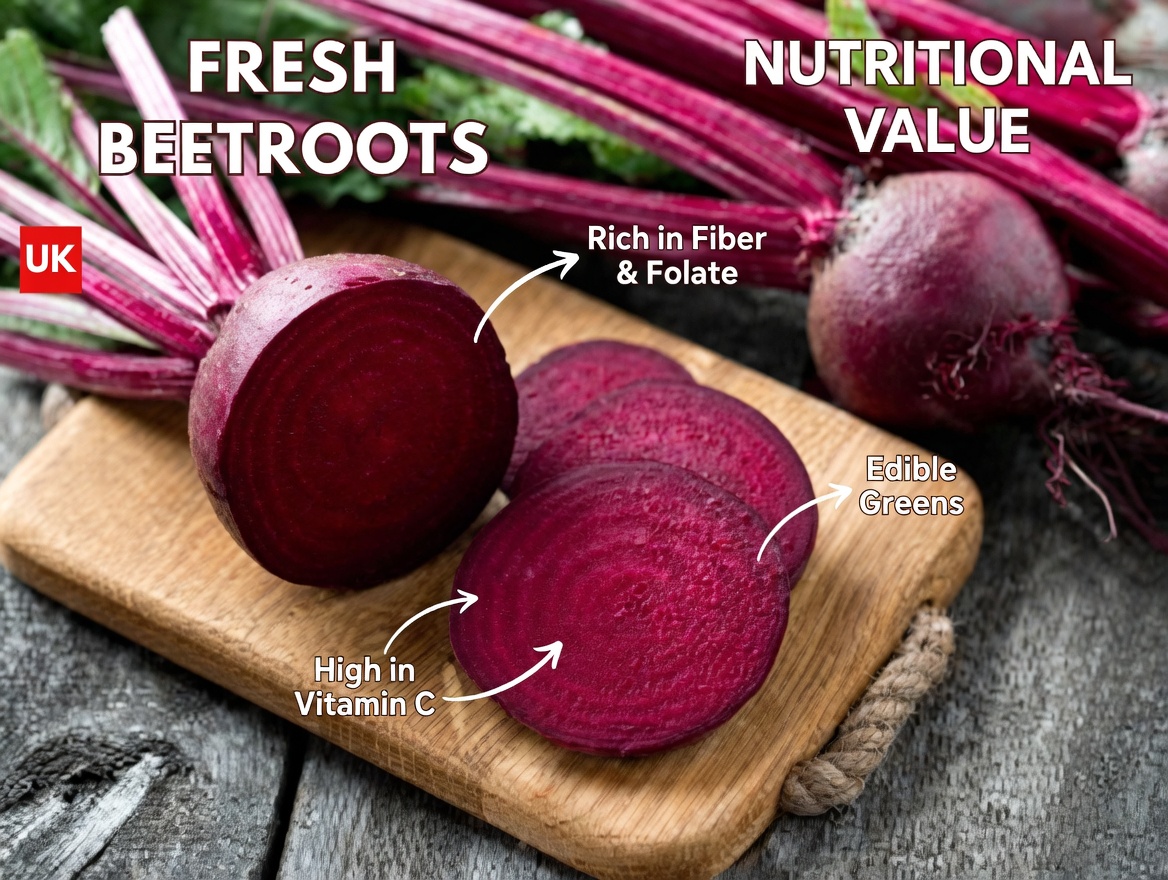
3) Include Beets in a Morning Meal (Start Small)
Beets are often discussed in wellness research because they contain natural nitrates, which are linked in some studies to circulation support in everyday diets. For people who feel weighed down by morning fatigue, beets can be an easy, colorful addition.
Try one of these:
- A small roasted beet alongside breakfast
- A few slices in a morning salad
- A modest portion of beet juice (if tolerated)
If you’re new to beets, start with a small amount to see how your body responds.
4) Enjoy Coffee in Moderation (Not Excess)
For many adults, coffee is a familiar morning ritual—and moderate intake is frequently associated in population studies with dietary polyphenols. If you tolerate caffeine well, moderate coffee can fit into morning routines without turning into an energy rollercoaster.
- Keep it to 2–3 cups (typically)
- Choose black or lightly prepared coffee when possible
- Pay attention to jitters, reflux, or disrupted sleep—then adjust
5) Do Light Morning Movement to Support Circulation
Staying still when you’re already tired can make your body feel even heavier. Gentle activity is one of the most reliable morning habits to support kidney health because it may support daily circulation and overall comfort.
Choose what feels sustainable:
- 20–30 minutes walking
- Light stretching
- Beginner yoga
Consistency matters more than intensity. Start easy and build gradually.

6) Crushed Garlic on an Empty Stomach (Use Caution)
Some traditional routines include raw garlic, often discussed for compounds such as allicin. Research is limited and not appropriate for everyone, but some people choose to explore it thoughtfully.
If your clinician approves:
- Crush 1 clove
- Let it sit for 10 minutes
- Swallow with water (or mix into a small bite of food if needed)
Important: Garlic can interact with medications (including blood thinners) and may irritate the stomach. Always check first.
Simple safety reminders
- Start with 1–2 changes at a time
- Track how you feel weekly, not hour-to-hour
- Be consistent, but keep it gentle
7) Consider a Gentle Eating Window (If Medically Appropriate)
Some people feel more sluggish in the morning when their eating schedule runs late into the night. A structured approach—often called time-restricted eating—may help some adults feel less bloated and more steady.
- Consider an 8–10 hour eating window
- Keep it simple (for example, breakfast at 9 and last meal by 6–7)
- Only use this approach if your doctor says it’s safe for you
8) Add Tomatoes for a Fresh, Nutrient-Dense Breakfast Boost
Tomatoes are widely used in heart-healthy dietary patterns and contain compounds studied for general wellness benefits. They’re also an easy way to make breakfast feel lighter and more refreshing.
Simple ideas:
- Slice into an omelet
- Add to avocado toast
- Pair with eggs and herbs for a quick plate
9) Weigh Yourself Calmly Each Morning (Trend, Don’t Obsess)
When swelling or fluid shifts are a concern, daily weight trends can offer useful insight. This is not about judgment—it’s about awareness you can share with a professional if needed.
For more reliable tracking:
- Weigh yourself at the same time each morning
- Use the same scale
- Note trends over several days, not single-day fluctuations
If you see rapid changes or feel unwell, contact your healthcare provider.
10) Practice 5 Minutes of Mindful Breathing
Stress and fatigue often reinforce each other. A short breathing practice can help reduce daily tension and make the rest of your morning habits easier to follow.
Try this for 5 minutes:
- Inhale slowly through the nose
- Exhale longer than you inhale
- Keep attention on the breath, gently returning when your mind wanders

11–13) Supplements: Only With Professional Guidance
When fatigue persists, some people look into supplements discussed in wellness communities. Options commonly mentioned include:
- Berberine
- Red yeast rice
- Cordyceps
These are not “casual” add-ons. Safety depends on your medical history, kidney function, other conditions, and medications. Always review supplements with a qualified clinician to avoid interactions or inappropriate dosing.
14) Keep a Simple Daily Journal (Small Notes, Big Clarity)
If your symptoms feel vague—low energy here, swelling there—writing down a few points each morning can turn uncertainty into patterns you can act on.
Log just a few lines:
- Sleep quality
- Morning weight (if you’re tracking)
- What you ate or drank
- Energy level and any swelling
This builds a clear picture over time without pressure.
15) Commit to Consistency + Regular Medical Check-Ins
The most effective morning habits to support kidney health are the ones you can do steadily—while staying connected to professional care. Use routines to support your daily comfort, and combine them with appropriate checkups and lab monitoring as advised.

The Overlooked Tracking Step That Ties Everything Together
Most people try a few habits and then stop because they “can’t tell if it’s working.” The simplest missing link is tracking trends, not guesses:
- Morning weight (Habit #9) plus
- A short daily journal (Habit #14)
Together, these two steps help you connect cause and effect—hydration, food choices, movement, sleep, and stress—so your routine becomes personalized and practical rather than random.
Quick Comparison: Morning Habits to Support Kidney Health
| Habit | Why it fits a morning routine | Best time |
|---|---|---|
| Strategic hydration | Supports rehydration after sleep and daily comfort | Within 30 minutes of waking |
| Berries at breakfast | Adds antioxidant-rich fruit to a balanced diet | With breakfast |
| Beets (small portion) | Discussed for natural nitrates and circulation support | Breakfast or early morning |
| Moderate coffee | Familiar ritual; polyphenol intake in population studies | Early morning |
| Light movement | Encourages circulation and reduces “heavy” feeling | After waking or after breakfast |
| Crushed garlic (optional) | Traditional approach; not for everyone | Early morning (only if approved) |
| Gentle eating window | May reduce morning sluggishness for some | Set daily schedule |
| Tomatoes at breakfast | Fresh, nutrient-dense addition | With breakfast |
| Daily weight trend | Practical awareness for fluid shifts | Same time each morning |
| Mindful breathing | Helps lower stress and support consistency | 5 minutes in the morning |
| Supplements (guided) | Safety varies widely; requires oversight | Only as directed |
| Journal + check-ins | Builds pattern awareness and supports better decisions | Daily + regular appointments |