Turning Lemon Seeds into a Zero-Waste Wellness Habit
If you regularly squeeze fresh lemons for water, tea, or cooking, you’ve probably scraped the seeds off the cutting board and tossed them away without a second thought. Over time, that small act can feel like unnecessary waste—especially if you’re trying to live more sustainably and get more value from the food you already buy.
The simple truth: lemon seeds are not just scraps. With minimal effort, they can become a practical addition to a zero-waste kitchen and a gentle, food-based way to support everyday wellness.
What Are Lemon Seeds?
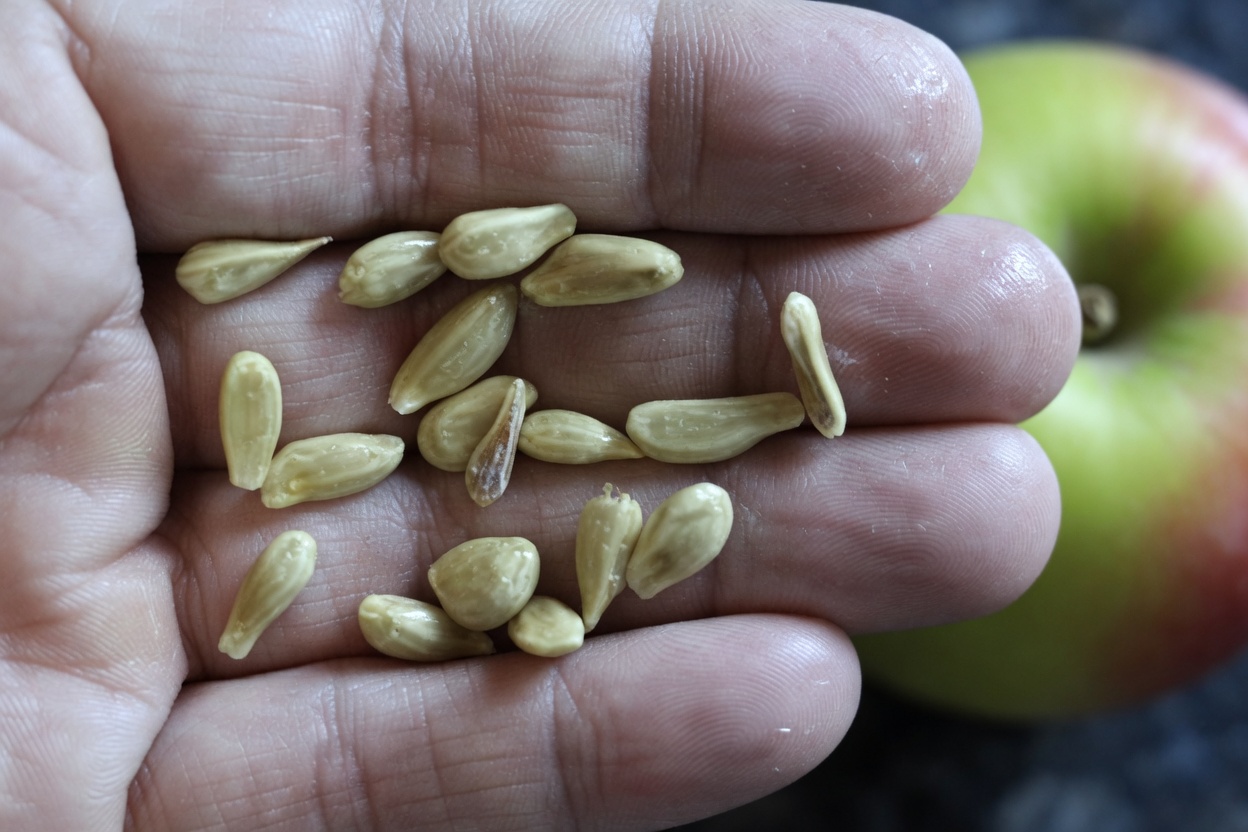
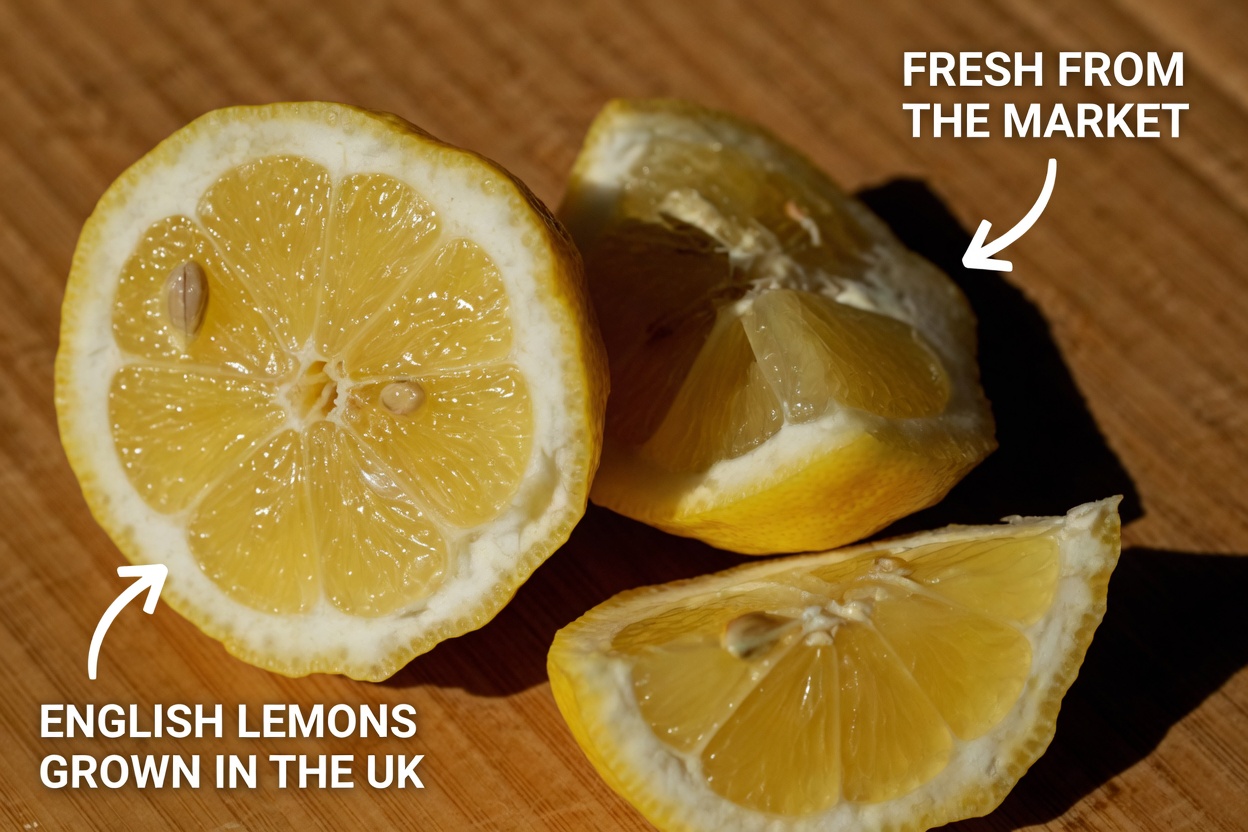
Lemon seeds are the small, firm kernels found inside the fruit of Citrus limon. They’re often discarded during meal prep, but in an eco-conscious lifestyle, they’re one more part of the lemon you can use rather than send to landfill.
Many people ignore them because they’re bitter and tough when whole. However, with basic preparation—such as drying, grinding, or steeping—lemon seeds can be surprisingly useful in both the kitchen and home routines.

Lemon Seeds Nutrition: What’s Inside?
Despite their small size, lemon seeds contain several naturally occurring components that make them nutritionally interesting—especially for anyone looking for affordable, food-based fiber and antioxidant sources rather than relying solely on supplements.
Key nutritional elements commonly associated with lemon seeds include:
- Protein: Contributes to basic body maintenance and everyday cellular needs.
- Plant oils with fatty acids: Naturally occurring oils that add subtle nutritional value.
- Dietary fiber: Supports digestive regularity and can help with occasional bloating or heaviness.
- Phenolic compounds: Plant-based compounds known for antioxidant activity, helping address oxidative stress from daily life.
Taken together, these qualities explain why interest in lemon seeds benefits has grown among people aiming to get more from simple ingredients.

Potential Wellness Support from Lemon Seeds
If you prefer gentle, routine-friendly wellness habits instead of expensive pills, lemon seeds may fit well into a balanced approach. Research on compounds found in lemon seeds suggests potential for:
- Antioxidant support: Phenolic compounds may help counter free radicals and oxidative stress over time.
- Anti-inflammatory potential: Some findings associate lemon seed compounds with inflammation-related support, which can be relevant to overall comfort and wellbeing.
- Digestive support: The fiber content may encourage smoother digestion and help reduce minor post-meal discomfort.
These are not instant “miracle” effects, but rather small, consistent supports that can complement a healthy diet—especially when used in moderation and prepared properly.
Creative Culinary Uses for Lemon Seeds (Easy and Practical)
If your drinks or recipes feel repetitive—and you also want to reduce food waste—lemon seeds can add subtle citrus character and functional value when used the right way.
Here are simple ways to use lemon seeds in everyday cooking:
- Lemon seed infusion
- Steep 4–5 seeds in boiling water for 5–10 minutes
- Strain and drink warm, or chill for an iced version
- Smoothies and juices
- Dry and grind seeds into a powder
- Add about 1/2 teaspoon to a fruit smoothie for an extra fiber boost
- Salads
- Lightly crush and sprinkle a small amount for texture and a mild, nutty bitterness
- Homemade dressings
- Mix ground seeds with olive oil, herbs, and lemon juice for a more complex vinaigrette
These options work best when seeds are ground or infused, since whole seeds can be unpleasantly hard.
Natural Beauty and Household Applications
Lemon seeds can also be repurposed outside the kitchen—especially if you like low-cost, DIY routines and want to avoid overly harsh products.
Common at-home uses include:
- Gentle exfoliation
- When dried and finely ground, lemon seeds can provide mild physical exfoliation when mixed with a base like coconut oil or honey.
- Simple garden spray
- Some households steep crushed seeds in water and use the strained liquid as a natural plant spray, particularly when trying to reduce synthetic products.
To try these ideas responsibly:
- Dry lemon seeds on a paper towel for 2–3 days until fully hard.
- Grind into a fine powder using a mortar and pestle or a clean grinder.
- For a scrub: mix 1 teaspoon ground seeds with 1 tablespoon coconut oil or honey.
- Massage gently in circular motions on damp skin, then rinse well and moisturize.
- For a garden spray: crush a handful of seeds, steep in 2 cups of water overnight, strain, and mist plants lightly.
Tips and Precautions for Using Lemon Seeds
Lemon seeds are naturally bitter, and texture can be an issue if they’re not prepared well. These guidelines help keep the experience pleasant:
- Use small amounts at first, especially in drinks or smoothies.
- Avoid eating whole seeds if you dislike grit—grind or infuse instead.
- Expect a slightly bitter flavor; balance it with honey, sweet fruit, or warmer spices like cinnamon.
- As with any dietary change, pay attention to how your body responds and adjust accordingly.
How to Start Using Lemon Seeds Today (Beginner-Friendly Steps)
If you want to stop throwing them away and begin using them consistently, keep it simple:
- Collect seeds while prepping lemons, then rinse with cool water.
- Pat dry and let them air-dry completely.
- Store dried seeds in an airtight jar in a cool, dry place for up to two weeks.
- Grind only what you need to keep the flavor fresher.
- Try one new use per week (infusion, smoothie powder, salad sprinkle) so the habit feels natural.
Conclusion
Lemon seeds may look insignificant, but they can offer a meaningful mix of nutrition, potential wellness support, and practical zero-waste uses. From fiber and plant compounds to easy infusions and DIY applications, they’re a smart way to stretch the value of an ingredient you already have.
With simple preparation and mindful moderation, lemon seeds benefits and uses can become a small, satisfying upgrade to your daily routine—without extra cost or complexity.