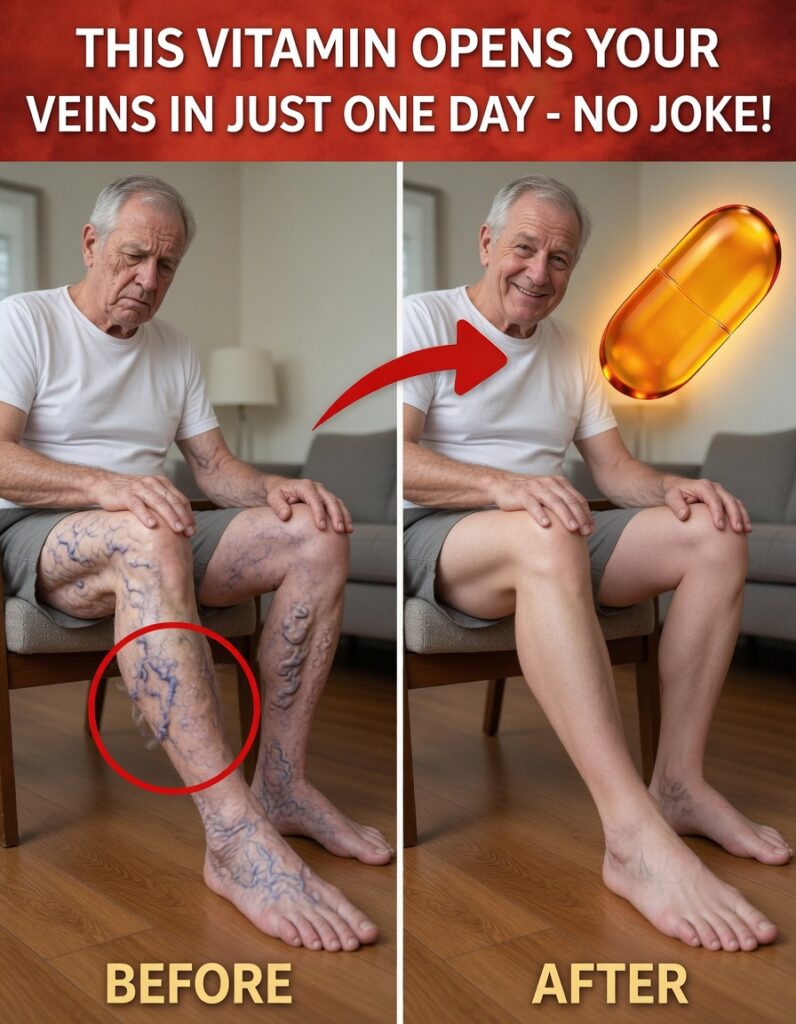
When “Instant Vein-Opening” Capsules Go Viral: What Science Actually Supports
After a long day, leg veins can look more raised and prominent, and the discomfort often feels just as noticeable—heavy aching, puffy ankles, and fatigue that makes even standing or walking feel like work. Then you scroll past a viral clip: a single glowing capsule, dramatic before-and-after photos, and a bold promise that one dose will “open” your veins and restore smooth circulation almost immediately.
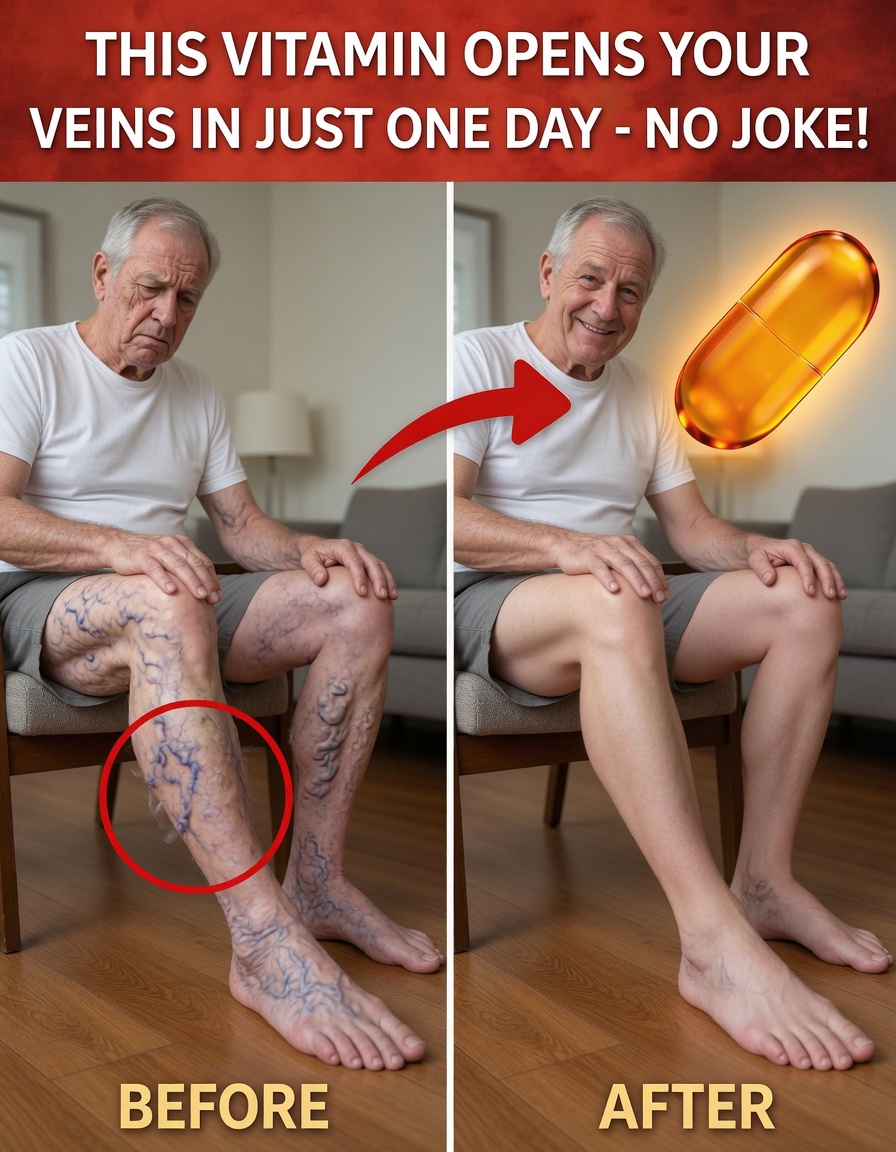
It’s an appealing idea—especially if you’re tired of dealing with daily leg discomfort. But here’s the reality: while certain nutrients can meaningfully support vein health, the claim that one vitamin dose can deliver dramatic overnight changes isn’t backed by strong scientific evidence. Real improvements in circulation and vein comfort typically happen gradually, with consistent habits and the right long-term support.
What Causes Varicose Veins and Poor Leg Circulation?
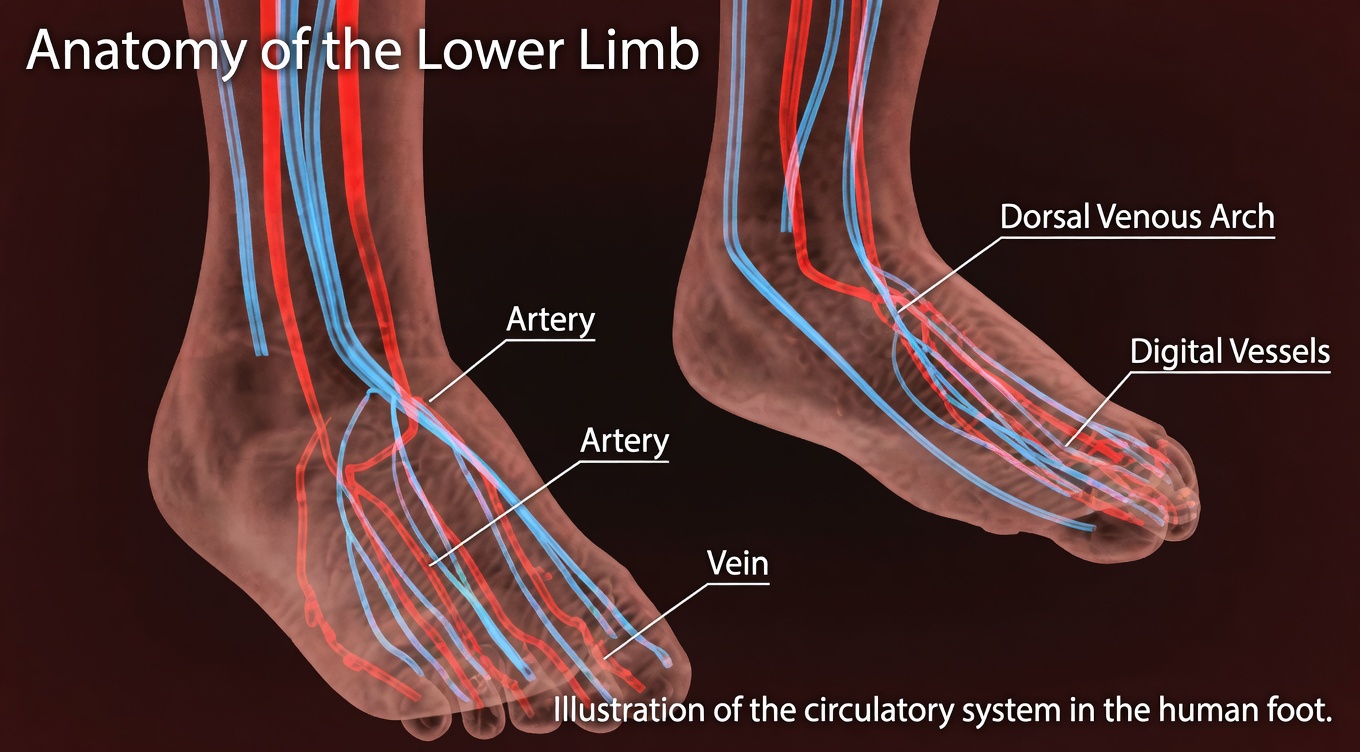
Varicose veins generally form when the tiny one-way valves inside leg veins weaken over time. Instead of pushing blood efficiently back toward the heart, those valves allow blood to collect and pool, which can lead to:
- Enlarged, twisted, bulging veins
- Swelling around the ankles and lower legs
- Aching, throbbing, or burning sensations
- A persistent “heavy legs” feeling, especially later in the day
Several factors increase risk and can worsen symptoms:
- Aging
- Long periods of sitting or standing
- Pregnancy
- Excess body weight
- Family history (genetics)
Beyond the physical symptoms, visible veins and reduced mobility can impact confidence and everyday enjoyment. While there isn’t an overnight “miracle” solution, a combination of practical lifestyle changes and evidence-based nutrients can help reduce discomfort and support vascular health over time.
The Viral Claim: Helpful Tip or Marketing Hype?
Many viral posts follow the same formula: a bright capsule (often orange or glowing), an instant-looking transformation around the ankles, and messaging that targets people who feel slowed down by leg heaviness and swelling. The promise is simple—take one pill and your veins “open.”
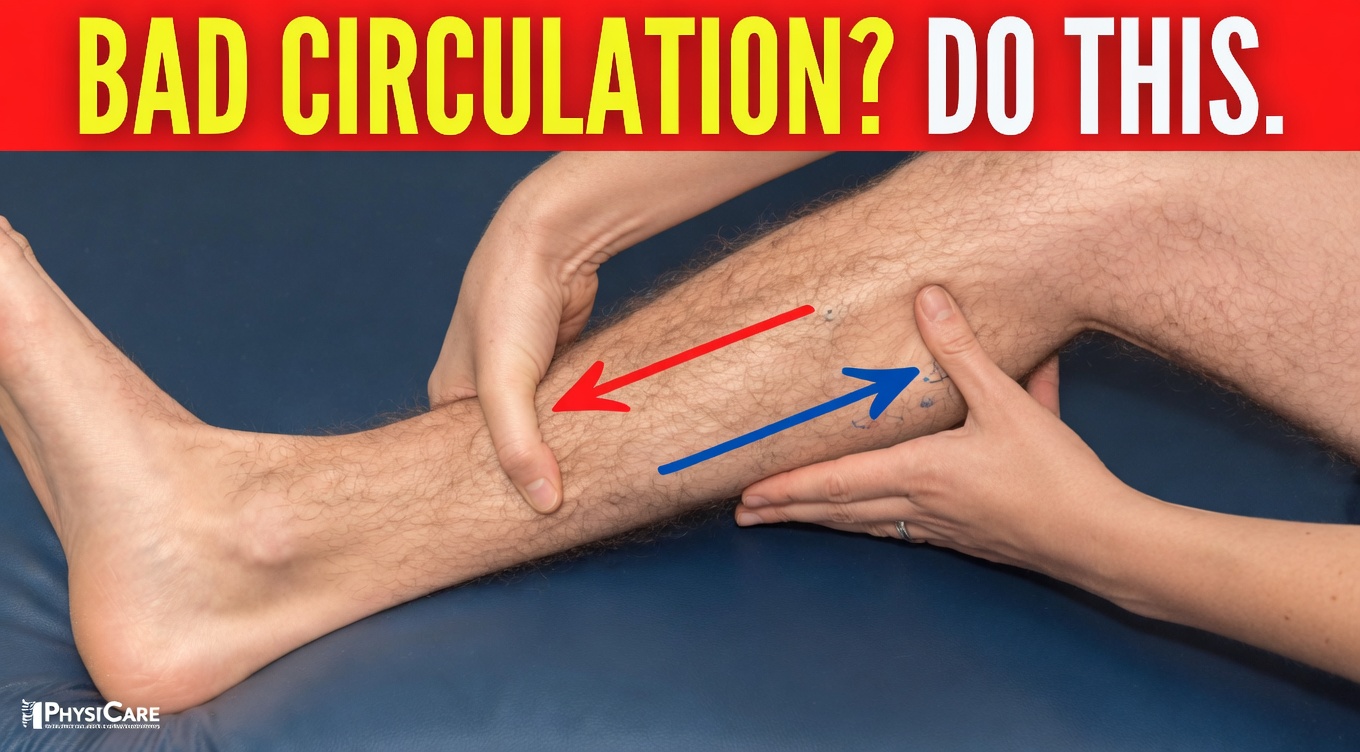
The problem is that veins don’t work like clogged pipes that can be cleared instantly. Varicose veins are usually linked to gradual valve failure and vein wall stretching, not a blockage that a single dose can suddenly remove. Vascular research does not support the idea of immediate, dramatic changes from one supplement serving. In many cases, the “results” shown online are driven more by marketing tactics than by rigorous clinical trials.
Why No Vitamin Can Deliver Instant “Vein-Opening” Results
Improving vein health involves biological processes that take time, such as:
- Building and maintaining collagen to support vein walls
- Reducing inflammation and oxidative stress
- Supporting microcirculation and vascular tone
These changes typically develop over weeks to months, not within hours of swallowing a capsule. That said, certain nutrients and plant compounds have evidence supporting their role in reducing symptoms (like heaviness and swelling) when used consistently. The key is realistic expectations: meaningful support is possible, but it’s rarely instant.
Nutrients With Evidence-Based Benefits for Vein Health and Leg Comfort
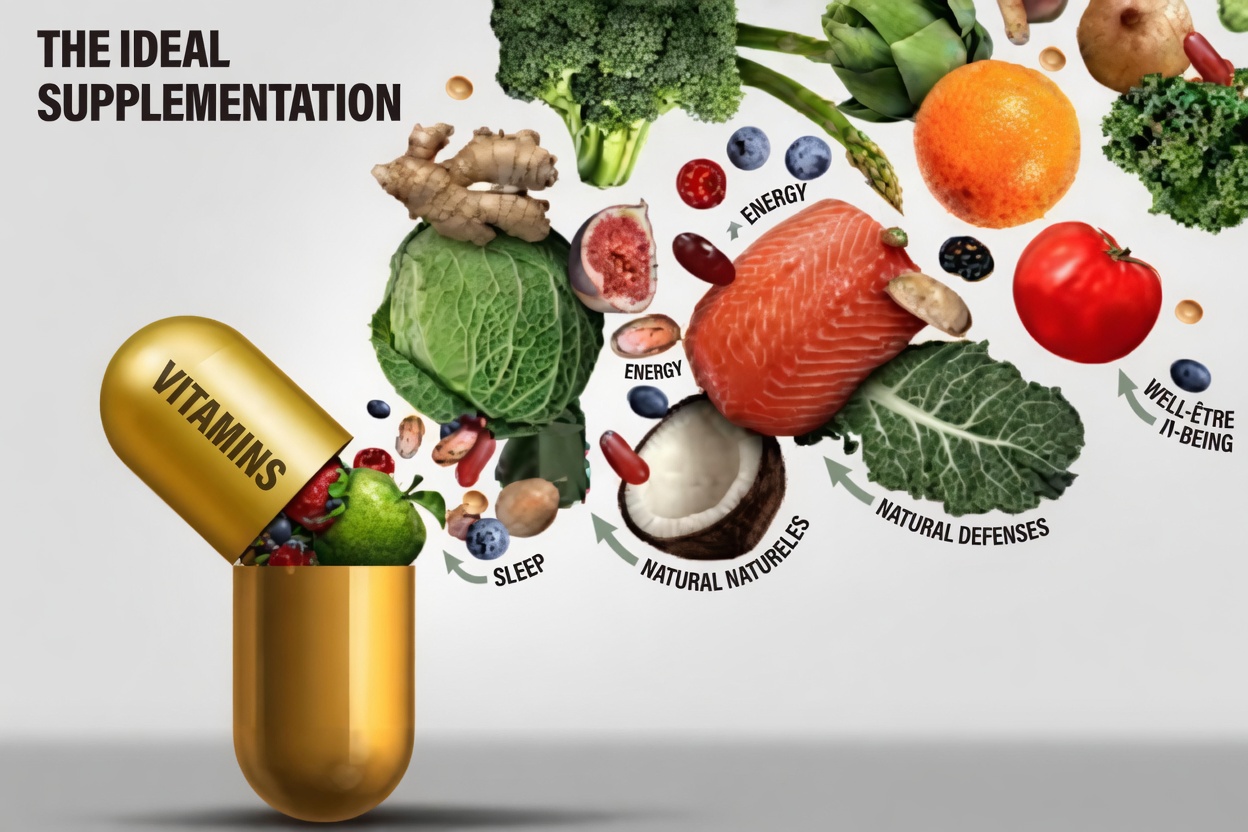
When paired with smart daily habits, the following nutrients may support circulation and vein function over time:
-
Vitamin C – Essential for collagen production, helping maintain strong, resilient vein walls. Low vitamin C status is associated with weaker connective tissue.
- Food sources: citrus fruits, strawberries, bell peppers
-
Vitamin E – An antioxidant that may help support smoother blood flow by reducing oxidative stress and excessive “stickiness” in circulation.
- Food sources: almonds, sunflower seeds, spinach
-
Vitamin K – Supports normal clotting function and may play a role in vascular integrity. Some research also explores its relationship with calcium handling in vessels.
- Food sources: kale, spinach, leafy greens
-
Vitamin D – Low vitamin D levels are linked with higher inflammation and poorer vascular function in some studies. Correcting deficiency may support overall circulation and energy.
- Sources: sunlight exposure, fatty fish, fortified foods
-
B Vitamins (B6, B12, folate) – Help regulate homocysteine, a compound that can harm blood vessels when chronically elevated.
- Food sources: eggs, legumes, whole grains, leafy greens
-
Bioflavonoids (such as diosmin and rutin) – Among the most studied plant compounds for chronic venous concerns. Clinical research supports benefits for leg heaviness, swelling, and fatigue, typically with consistent use.
- Common timeframe: often 2–8 weeks for noticeable symptom relief
These supports work best together and over time—not as a one-dose “quick fix.”
Vitamins vs. Proven Lifestyle Strategies: What Works Faster?
Nutrients can contribute to longer-term vascular support, but practical habits often produce faster, more noticeable relief, especially for daily swelling and heaviness.
- Compression stockings: Strong evidence; can reduce swelling and discomfort quickly (often same day or within days).
- Regular movement + leg elevation: Improves venous return immediately and helps prevent pooling.
- Targeted nutrients (C, D, flavonoids, B vitamins): Tend to show benefit over weeks, especially when correcting a deficiency or used consistently.
A balanced approach usually delivers the best results: quick symptom tools + long-term support.
What Real People Commonly Experience (And What’s Realistic)
Most people who see improvement describe gradual progress, not overnight transformation. For example:
- Some report that combining vitamin C, vitamin E, and bioflavonoids with daily walks and evening leg elevation reduces heaviness after 4–6 weeks, making it easier to stay active.
- Others find that correcting low vitamin D and improving B vitamin intake, alongside consistent compression, helps reduce tingling sensations and improves energy over time.

These experiences match what the evidence suggests: consistency matters most, and the payoff is often improved comfort, mobility, and confidence.
Practical, Safer Steps You Can Start Today
If you want to support your legs in a realistic, evidence-informed way, focus on these actions:
- Build a vein-friendly diet: Aim for colorful fruits and vegetables, plus nuts and seeds for naturally occurring antioxidants and supportive nutrients.
- Check for deficiencies: Ask your clinician about testing for common issues such as vitamin D or B12, especially if fatigue is a major symptom.
- Move daily and elevate: Walk 20–30 minutes most days, and elevate legs above heart level for 15 minutes in the evening to reduce pooling.
- Use compression wisely: Consider graduated compression socks (often 15–20 mmHg for everyday use) to help manage swelling.
- Supplement thoughtfully (if needed): Choose reputable brands and avoid high-dose, “miracle” formulas—especially if you take medications.
- Stay hydrated and manage weight: Both reduce pressure on leg veins and support healthier circulation.
Track changes over several weeks, not overnight.
Final Thoughts: Sustainable Relief Beats Viral Promises
No single vitamin can “open” veins instantly with one dose. However, evidence-based nutrients—especially when combined with movement, elevation, and compression—can help reduce swelling, heaviness, and leg fatigue over time. Small, steady changes are often what lead to lasting comfort and better mobility.
P.S. Research on bioflavonoids such as diosmin suggests benefits can appear within weeks for chronic venous symptoms—far more credible than viral claims of immediate transformation.
FAQ
How long does it take to notice better leg circulation with vitamins?
Many people notice gradual changes in about 4–8 weeks, especially when supplements are paired with regular movement and leg elevation. Results vary based on severity, lifestyle, and whether a deficiency is present.
Are there risks to taking vitamins for vein support?
Yes. High doses—especially vitamin E or vitamin K—may cause side effects or interact with medications (including blood thinners). Talk with a healthcare professional before starting supplements.
Can diet alone help without supplements?
Often, yes. A whole-food diet rich in fruits, vegetables, and healthy fats can provide many supportive nutrients and plant compounds in a sustainable way.
Medical Disclaimer
This article is for informational purposes only and does not replace professional medical advice. Speak with a qualified healthcare provider for personalized guidance on varicose veins, circulation concerns, and supplementation.