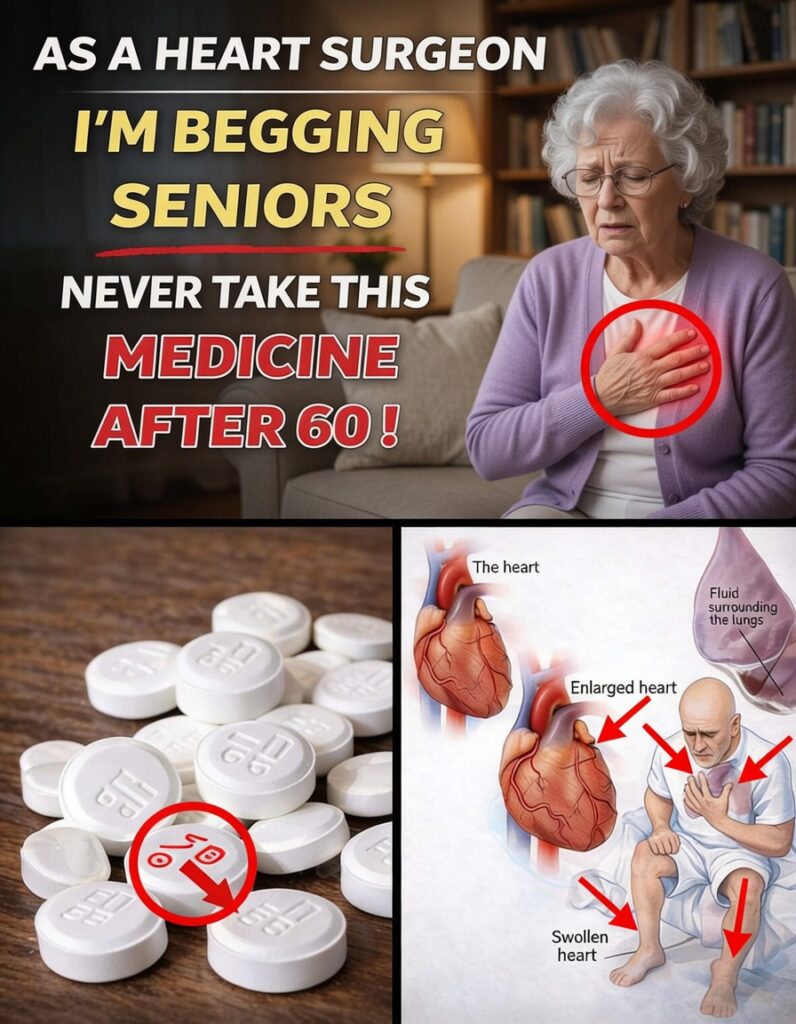
As a heart surgeon with years in the operating room, I’ve witnessed how small, everyday decisions can quietly affect cardiovascular health in older adults—especially choices around common pain relief. Many seniors routinely take familiar over-the-counter medications such as ibuprofen (Advil, Motrin) or naproxen (Aleve) for arthritis flare-ups, headaches, or back pain, assuming long-term familiarity means low risk.
However, these non-aspirin NSAIDs (nonsteroidal anti-inflammatory drugs) have well-documented cardiovascular concerns, and those risks can become more significant with age. In some people, NSAIDs may contribute to higher blood pressure, fluid retention, and added workload on the heart.

Research—including FDA strengthened warnings—indicates that non-aspirin NSAIDs may increase the likelihood of heart attack or stroke, sometimes within the first weeks of use. The risk may grow with higher doses or longer duration. Because aging often brings reduced kidney reserve and stiffer blood vessels, even “occasional” use deserves thoughtful attention. The good news: there are heart-safer pain management strategies, including one widely recommended option discussed below.
Understanding the Cardiovascular Concerns of NSAIDs in Seniors
Chronic joint pain and muscle stiffness can erode quality of life—limiting walks, reducing independence, and making everyday tasks feel draining. NSAIDs like ibuprofen and naproxen work by blocking enzymes that drive inflammation and pain. But this same pathway can also reduce prostaglandins that help support:
- Healthy blood vessel function
- Kidney blood flow and fluid balance
- Blood pressure regulation
In older bodies—where kidneys may clear sodium and water less efficiently and the heart may already be working harder—these shifts can add strain. FDA communications emphasize that these risks can apply even to people without known heart disease, though risk is higher for those with existing cardiovascular conditions.
Studies suggest that regular NSAID use may raise the odds of cardiovascular events by 10–50% or more, depending on dose, duration, and individual health factors. A common mechanism is fluid retention, which can elevate blood pressure and increase the resistance the heart must pump against—often presenting as fatigue or swelling that’s easy to dismiss.
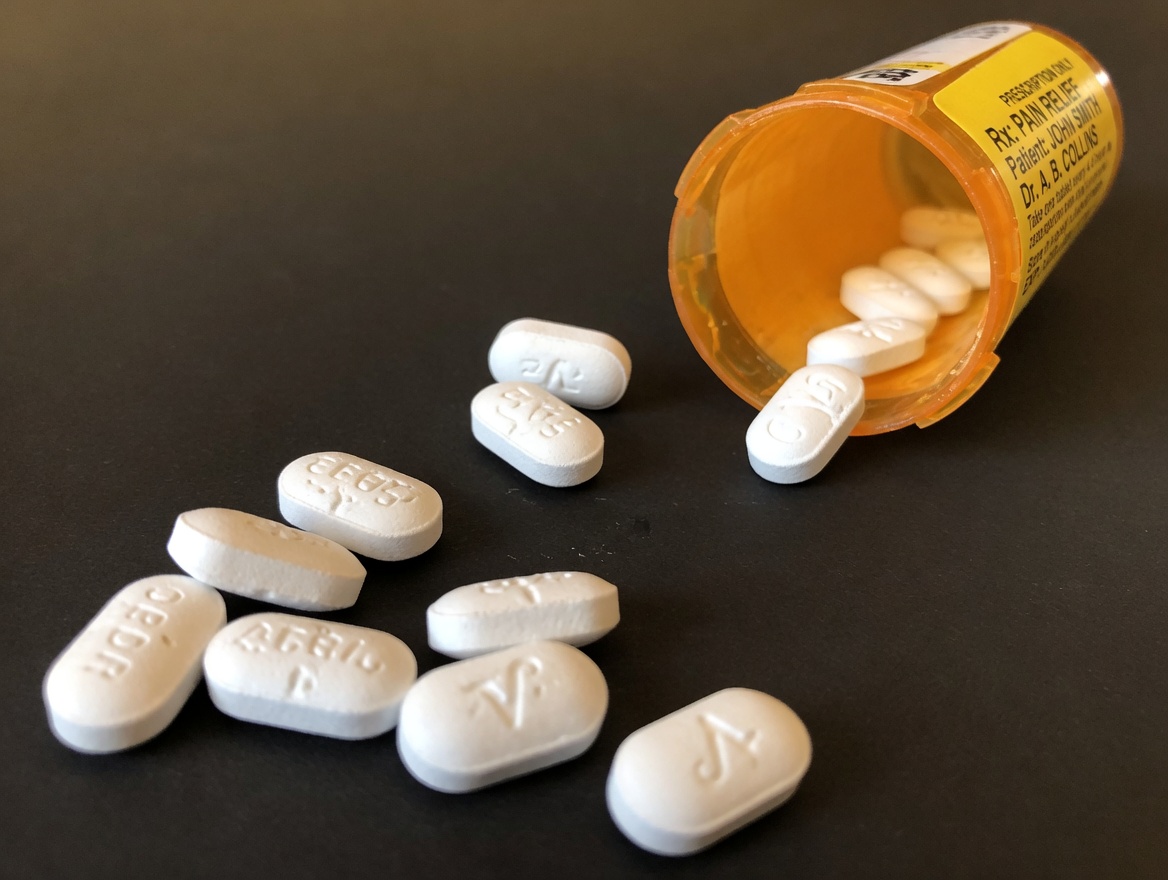
Why Aging Makes These Effects More Likely
Aging brings predictable changes, including:
- Declining kidney function
- Less elastic arteries
- Greater sensitivity to shifts in fluid and electrolytes
When NSAIDs are added, they can reduce kidney blood flow and encourage fluid retention, which may overload the circulatory system. Risks can also increase due to interactions with medications many seniors already use, such as treatments for:
- High blood pressure
- Heart rhythm disorders
- Heart failure
Large observational studies have noted higher complication rates in older adults taking multiple therapies—especially when NSAIDs are added without guidance.
Consider a senior with hypertension who takes ibuprofen weekly for knee pain. Over time, subtle signs like rising blood pressure or ankle swelling may appear, increasing cardiac workload without immediately obvious warning. Understanding these dynamics helps many people pivot to gentler pain strategies—without minimizing their discomfort.
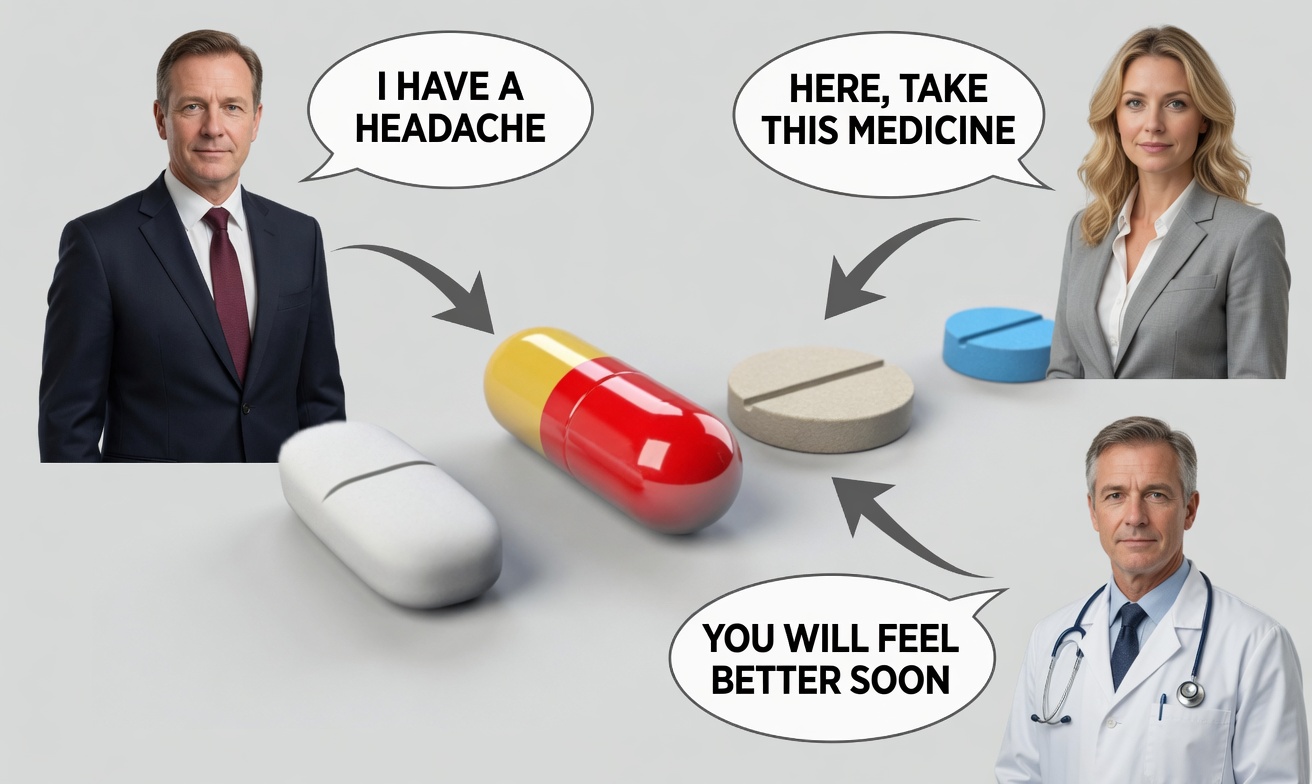
7 Subtle Signs That May Suggest Heart Strain
It’s easy to attribute new symptoms to “just aging,” but certain changes may reflect medication-related cardiovascular stress. Discuss these with a clinician—especially if they appear after NSAID use:
- Swelling in the legs, ankles, or feet (possible fluid retention)
- Shortness of breath during routine activities
- Unexpected blood pressure increases, even if mild
- New or worsening fatigue or weakness
- Palpitations or a sensation of irregular heartbeat
- Chest pressure or tightness (seek prompt evaluation)
- Rapid weight gain of 2–3 pounds over a short period (often fluid-related)
Early medical input can prevent small problems from becoming serious and may allow for safer pain-control adjustments.
Heart-Safer Pain Relief Options for Seniors
Pain relief should not require gambling with heart health. Many alternatives can reduce discomfort with lower cardiovascular impact for many seniors.
A commonly recommended first-line option is acetaminophen (Tylenol) for many types of everyday pain. Unlike NSAIDs, acetaminophen generally does not create the same blood vessel and fluid-balance effects linked to cardiovascular strain.
Other options include:
- Topical treatments (for example, diclofenac gel): localized relief with lower whole-body exposure
- Physical therapy: targets mechanics, strength, and joint function
- Gentle exercise (walking, tai chi): improves mobility and stability over time
- Heat/cold therapy: helpful for flare-ups and muscle tightness
- Lifestyle supports such as weight management and anti-inflammatory eating patterns
Always tailor choices with your healthcare provider, especially if you have heart disease, kidney disease, high blood pressure, or take multiple medications.

Quick Comparison: Pain Relief Options for Seniors
-
Ibuprofen/Naproxen (NSAIDs)
- Potential heart risk level: Higher
- Key benefits: Fast relief for inflammation and pain
- Considerations: May raise blood pressure, cause fluid retention, and strain kidneys
-
Acetaminophen
- Potential heart risk level: Generally lower
- Key benefits: Effective for many common aches; often considered more heart-friendly
- Considerations: Liver risk with high doses or long-term overuse
-
Topical treatments (gels/creams)
- Potential heart risk level: Lower
- Key benefits: Targeted pain relief with reduced systemic exposure
- Considerations: Some absorption still occurs
-
Physical therapy / exercise
- Potential heart risk level: Very low
- Key benefits: Long-term mobility, strength, and function improvements
- Considerations: Requires consistency and time
This comparison helps clarify why many clinicians encourage reducing reliance on oral NSAIDs when possible.
Practical Steps to Protect Heart Health Today
Small, consistent actions can significantly reduce risk—especially for seniors using over-the-counter pain relievers:
- Keep a complete list of all medications, including OTC products, and review it with a doctor or pharmacist
- Ask directly: “Given my age and health conditions, is this pain medication safe for my heart?”
- If using NSAIDs, monitor blood pressure, weight, and symptoms—especially swelling or shortness of breath
- Use the lowest effective dose for the shortest possible time when NSAIDs are unavoidable
- Prioritize non-drug strategies such as stretching, heat therapy, or guided exercise programs
- Maintain regular check-ups to catch subtle changes early

Taking Charge for Long-Term Comfort
Over-the-counter NSAIDs like ibuprofen and naproxen can provide quick relief, but in seniors they may also contribute to cardiovascular strain, including effects on blood pressure and fluid balance. With FDA-noted concerns around increased heart attack and stroke risk, older adults should approach these medications with added caution.
Many people find they can manage day-to-day pain effectively by shifting toward acetaminophen, using topical options, and building supportive routines like physical therapy and gentle movement. Working closely with your healthcare team ensures that pain relief remains both effective and aligned with your heart health. For countless seniors, one simple change—switching to acetaminophen under professional guidance—has brought meaningful relief with less worry.
FAQ
Is occasional ibuprofen safe for seniors over 65?
Even short-term or low-dose use may affect blood pressure or fluid balance in older adults. It’s especially important to consult a clinician if you have a history of heart disease, high blood pressure, or kidney problems.
Why do FDA warnings emphasize NSAIDs and heart risk?
Evidence shows non-aspirin NSAIDs may increase the chance of heart attack or stroke, sometimes early in treatment, with risk often rising as dose or duration increases.
What if acetaminophen doesn’t control my pain?
Ask your healthcare provider about alternatives such as topical therapies, physical therapy, targeted injections, or other prescription options. Many approaches can reduce pain with lower cardiovascular risk.
Medical disclaimer: This article is for informational purposes only and does not replace professional medical advice. Always consult your healthcare provider before changing medications or starting a new treatment plan.