Noticing tiny specks drifting through your vision can feel alarming. Concern rises quickly when eye floaters show up out of nowhere, increase rapidly, or occur alongside flashes of light or a dark “curtain” effect in your sight. Many people dismiss these changes as stress or fatigue—only to later learn they needed urgent care.
The reassuring part: understanding what’s normal versus what’s dangerous—and knowing what to do in the first 24 hours—can protect your vision. There’s also one easily overlooked warning sign near the end that’s worth remembering.
Understanding Eye Floaters: What Are They?
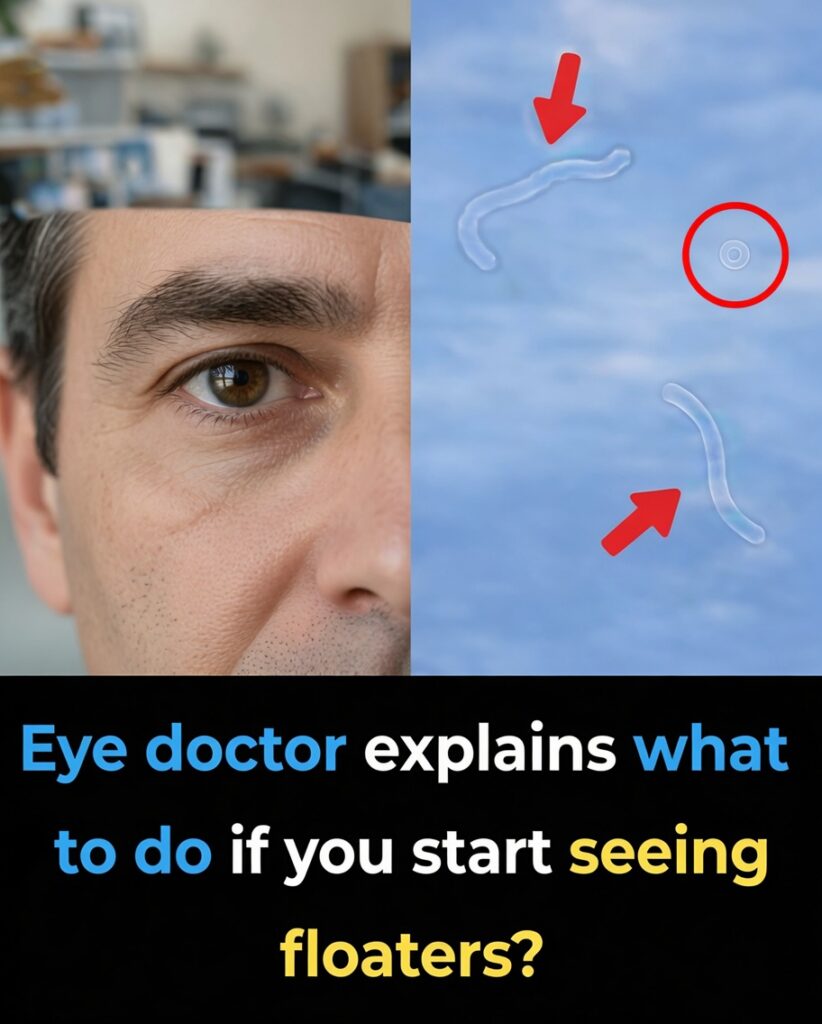
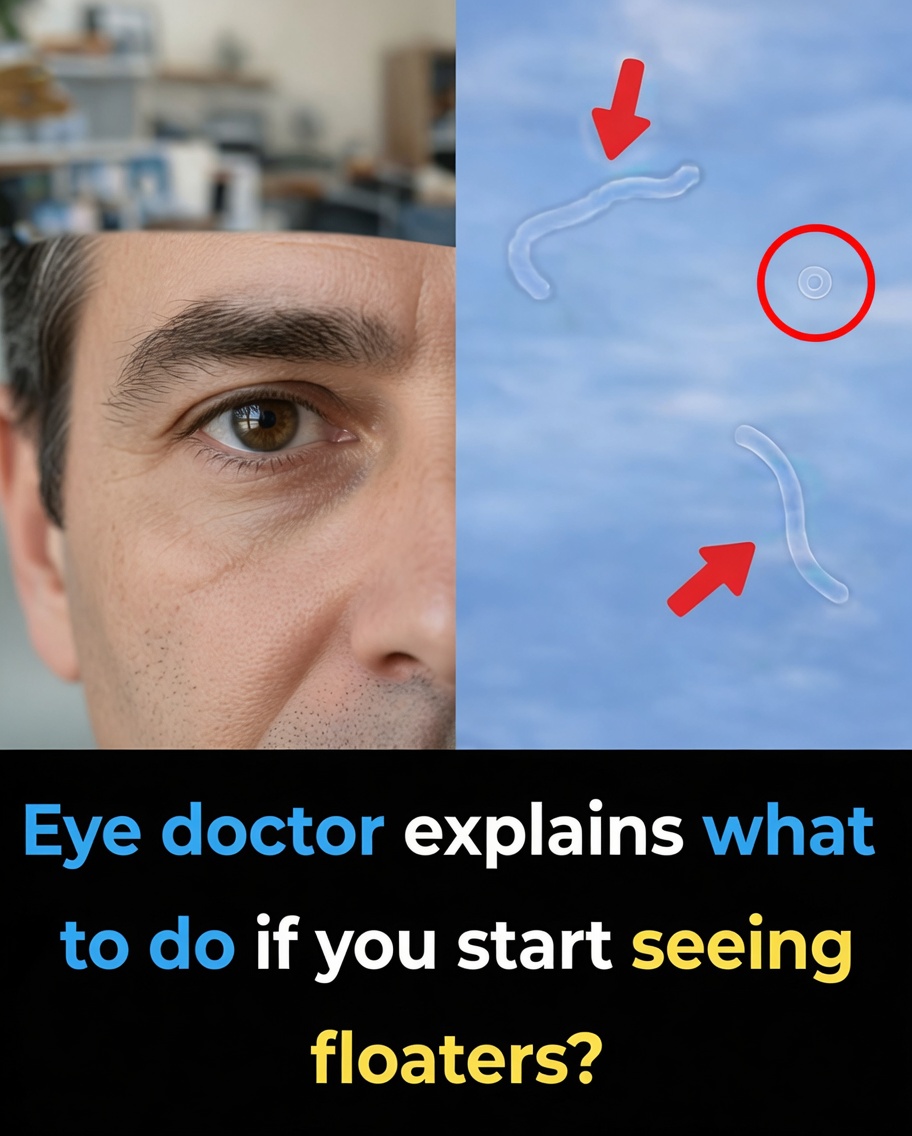
Eye floaters (also called vitreous floaters) are small shapes that drift across your field of vision. They can appear as:
- Tiny black or gray dots
- Web-like strands
- Clear, wavy squiggles
- Small shadowy spots
Floaters tend to move when your eyes move and are often most noticeable against bright backgrounds like a white wall or blue sky.
Inside the eye is a clear, gel-like substance known as the vitreous. With age, the vitreous can shrink or form small clumps. These clumps cast shadows onto the retina (the light-sensitive layer at the back of the eye), and those shadows are what you perceive as floaters.
In many cases, floaters are harmless and become less bothersome over time as your brain learns to ignore them. Ophthalmologists often note how effectively the brain can “filter out” stable floaters.
But floaters are not always benign.
When Floaters Are a 24-Hour Warning Sign
Eye health guidance from medical institutions (including University of Utah Health) emphasizes that a sudden change in floaters may signal a serious problem such as a retinal tear or retinal detachment.
Seek urgent eye care within 24 hours if you notice:
- A sudden burst of many new dark floaters
- Flashes of light in the same eye (often more obvious in dim rooms)
- A gray shadow, dark curtain, or missing area in your vision
- Fast, dramatic changes in how floaters look or behave
These can be signs that the retina is being tugged or has developed a tear. Retinal conditions are time-sensitive, and early treatment can reduce the risk of permanent vision loss.
Even when symptoms seem subtle, acting quickly matters.
Emergency vs. Monitor: How to Tell the Difference
Here’s a clear way to decide what to do.
Treat as an emergency (go immediately) if you have:
- A sudden appearance of many floaters
- Flashes of light in one eye
- Any shadow/curtain covering part of your visual field
Do not wait. Contact an ophthalmologist or emergency service within 24 hours.
Monitor and book soon if you have:
- One or two new small floaters
- No flashes
- No shadow, curtain, or blocked vision
- No rapid changes over time
In this case, arrange a visit with an ophthalmologist within a few days.
If you’re unsure, get evaluated. It’s safer to rule out a retinal problem than to assume it’s nothing.
What to Expect During an Eye Exam for Floaters
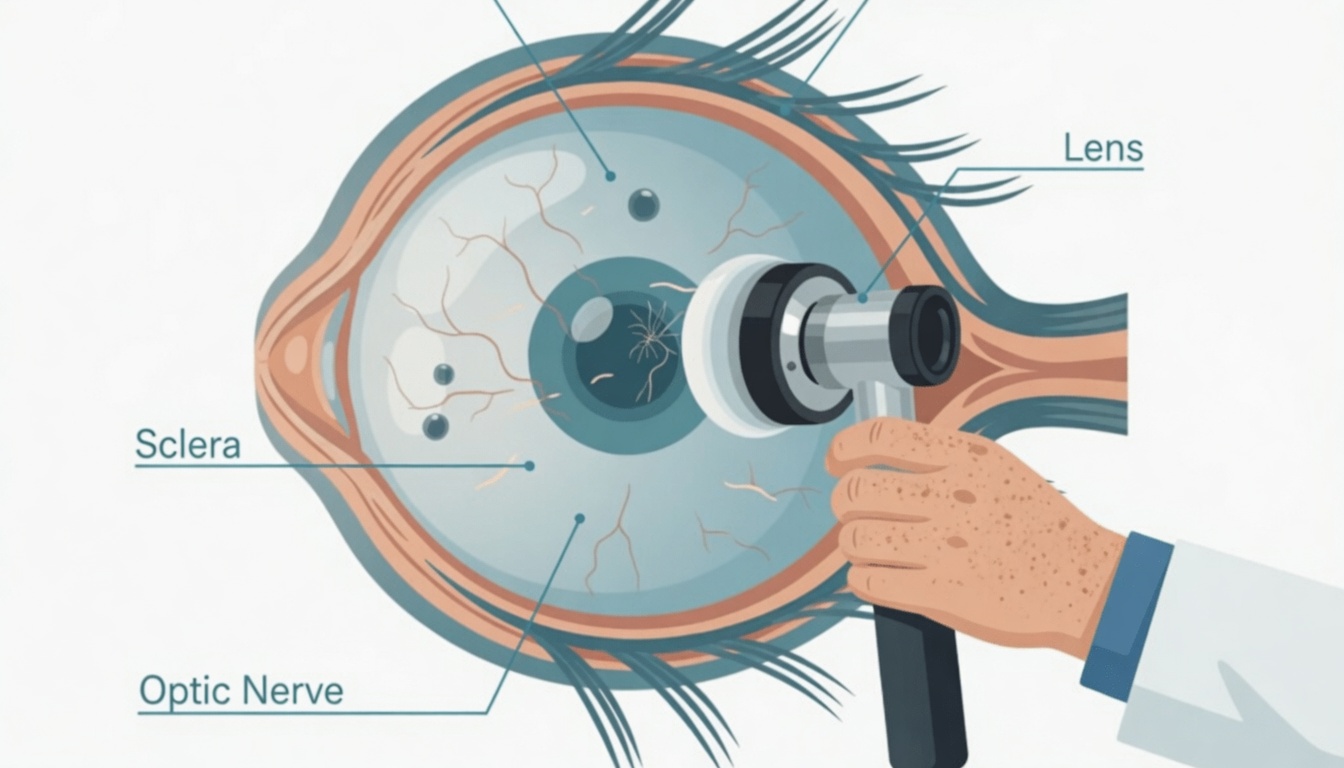
If you see an ophthalmologist for sudden floaters, they usually:
- Use dilating drops to widen your pupils
- Carefully examine the vitreous and retina
- Check for signs of a tear, bleeding, or detachment
The exam is typically painless. The dilation drops can cause blurry near vision and light sensitivity for a few hours afterward.
A common cause of sudden floaters is posterior vitreous detachment (PVD)—an age-related change where the vitreous separates from the retina. Peer-reviewed ophthalmology research shows PVD becomes more common after age 50 and often does not lead to long-term problems. The exam is essential to make sure a retinal tear or detachment isn’t present.
Why Flashes of Light Happen
Flashes often occur when the vitreous pulls on the retina. The retina interprets this mechanical traction as light—even when no external light is involved.
Flashes may look like:
- Quick lightning-like streaks
- A camera-flash effect near the edge of vision
- Flickering in the dark
Occasional flashes that stop can be harmless. However, persistent flashes, especially when paired with new floaters, should be checked promptly.
What to Do as Soon as You Notice Floaters
- Stay calm, but pay attention. Note when it started, how many floaters you see, whether they’re increasing, and whether flashes or shadows are present. Writing it down can help.
- Check each eye separately. Cover one eye, then the other, to confirm whether symptoms are in one eye or both.
- Don’t self-diagnose. Online stories can be misleading—floaters can have different causes.
- Act based on severity. Use the emergency vs. monitor guide above.
Do Eye Floaters Go Away?
Often, yes—at least in how noticeable they are.
Over time:
- Floaters may settle lower in the vitreous
- Your brain may adapt and “tune them out”
- They may interfere less with daily life
Ophthalmology literature commonly reports that stable floaters often become less disruptive over months. Even if they remain physically present, the brain’s adjustment process—called neuroadaptation—can significantly reduce how much you notice them.
When Are Treatments or Procedures Considered?
Most people never need treatment. But if floaters are severe and persistently affect daily life, an ophthalmologist may discuss options such as:
- Vitrectomy, which removes the vitreous gel
- Laser vitreolysis, which uses laser energy to break up floaters
These interventions are usually reserved for significant cases because they can carry risks. Doctors carefully weigh potential benefits against possible complications.
Risk Factors That Mean You Should Be Extra Careful
You may need closer monitoring if you have:
- Severe nearsightedness (high myopia)
- A history of eye trauma
- Previous eye surgery
- A family history of retinal detachment
- Age over 50
If any of these apply to you, sudden floaters or flashes deserve especially prompt attention.
Common Myths About Eye Floaters
-
Myth: Floaters are caused by screen time.
Screen use can cause eye strain and dryness, but it does not directly cause retinal tears. -
Myth: If it doesn’t hurt, it’s not serious.
Retinal tears and detachments are often painless. -
Myth: Floaters always mean blindness.
Most floaters are harmless and related to normal aging changes.
The goal is awareness—not panic.
Simple Habits That Support Long-Term Eye Health
While floaters aren’t always preventable, these habits help protect overall vision and retinal health:
- Get regular comprehensive eye exams
- Wear protective eyewear during sports and risky activities
- Control blood pressure and blood sugar
- Avoid smoking
- Eat leafy greens (lutein and zeaxanthin-rich foods)
Key Takeaways
- Stable floaters are common and often become less noticeable.
- A sudden surge of floaters, especially with flashes or a shadow/curtain, needs urgent evaluation within 24 hours.
- Early assessment can prevent serious vision complications.
- The most important factor isn’t simply having floaters—it’s a change in floaters.
Frequently Asked Questions
-
Are eye floaters normal with age?
Yes. Floaters often appear after age 50 due to natural changes in the vitreous. -
How quickly should I act if I notice flashes of light?
If flashes occur with new floaters—or especially with any shadow/curtain—seek evaluation within 24 hours. -
Can stress cause floaters?
Stress doesn’t directly create floaters, but it can make you more aware of visual symptoms.
Medical Disclaimer
This article is for educational purposes only and is not a substitute for professional medical care. If you experience sudden changes in vision, contact a licensed eye care professional promptly.