
High Uric Acid and Gout: Foods That May Help Reduce Uric Acid Levels Naturally
High uric acid can trigger sharp joint pain, stiffness, and sudden gout flare-ups that throw off your plans and make everyday movements feel difficult. This usually happens when the body breaks down purines and produces more uric acid than the kidneys can remove efficiently. The result can be ongoing discomfort, poor sleep, lower energy, and the added stress of trying to manage symptoms.
The good news: research suggests that smart dietary choices can support uric acid excretion and help calm inflammation. Below are foods that may help reduce uric acid levels naturally, plus a simple (and surprisingly satisfying) combo at the end you can use daily.

Why These Foods May Support Healthier Uric Acid Levels
Many foods that may help reduce uric acid levels naturally share a few key traits:
- Low to moderate purine content, so they’re less likely to add to uric acid buildup
- Vitamin C and antioxidants, which are associated with improved uric acid handling and reduced oxidative stress
- Hydration, fiber, and supportive nutrients (like potassium), which help overall metabolic and kidney function
The real advantage is how these foods can work together—supporting both uric acid clearance and inflammation control, two issues that often drive gout-related discomfort.
The Top 8 Foods Countdown (From Solid Basics to Standout Choices)
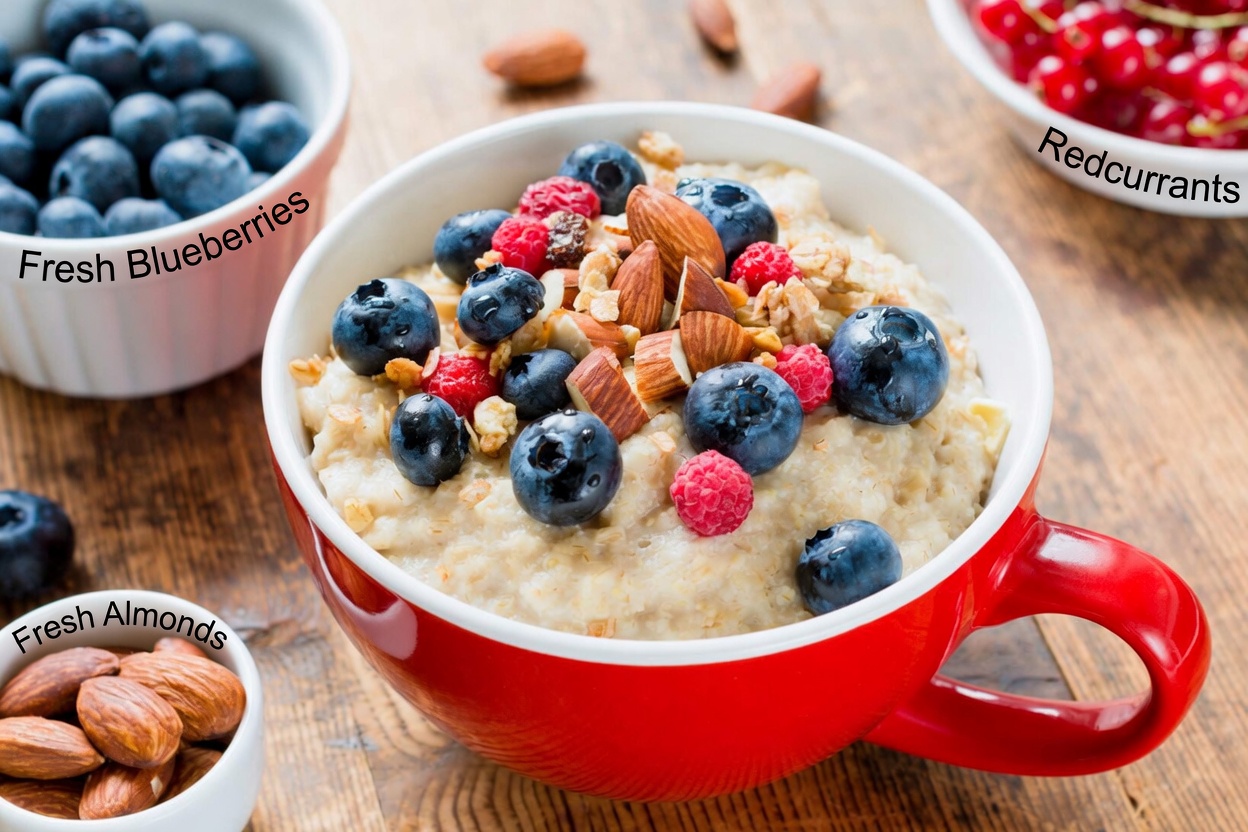
8) Whole Grains (Oats, Barley, Brown Rice)
Whole grains offer fiber that supports healthier body weight and steadier blood sugar—factors often linked with fewer gout complications. If fatigue after flare-ups has you feeling drained, whole grains can also provide more stable energy than heavily refined carbs.
- Easy idea: oatmeal with berries, or barley in soups and salads
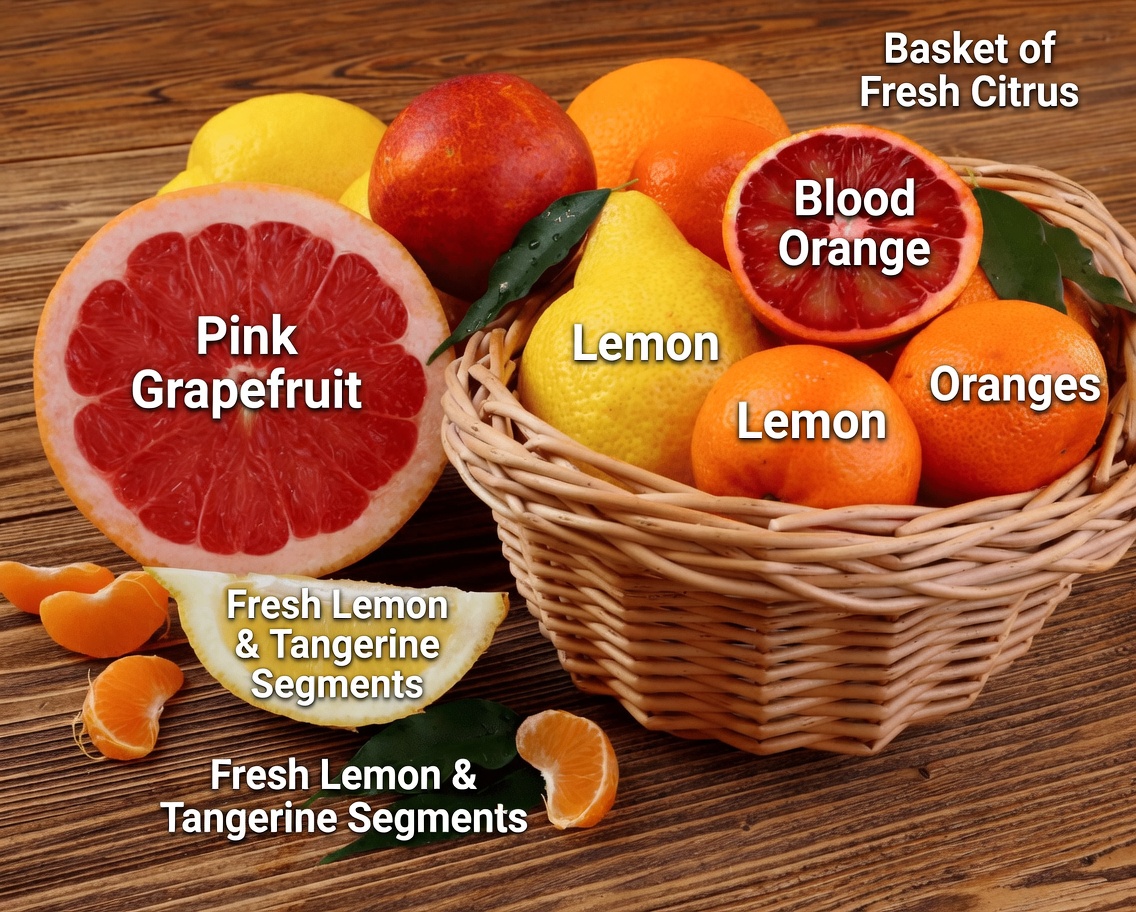
7) Citrus Fruits (Oranges, Lemons, Grapefruit)
Citrus fruits are well known for vitamin C, which research has associated with improved uric acid excretion. They can be a refreshing option if you’re trying to choose fruits carefully.
- Practical tip: add lemon to water, or choose whole fruit over sweetened juice

6) Berries (Strawberries, Blueberries, Raspberries)
Berries provide polyphenols and antioxidants that may help counter inflammation and oxidative stress connected to uric acid issues. They’re also an easy, low-effort addition to breakfast or snacks.
- Simple approach: a handful of fresh or frozen berries daily
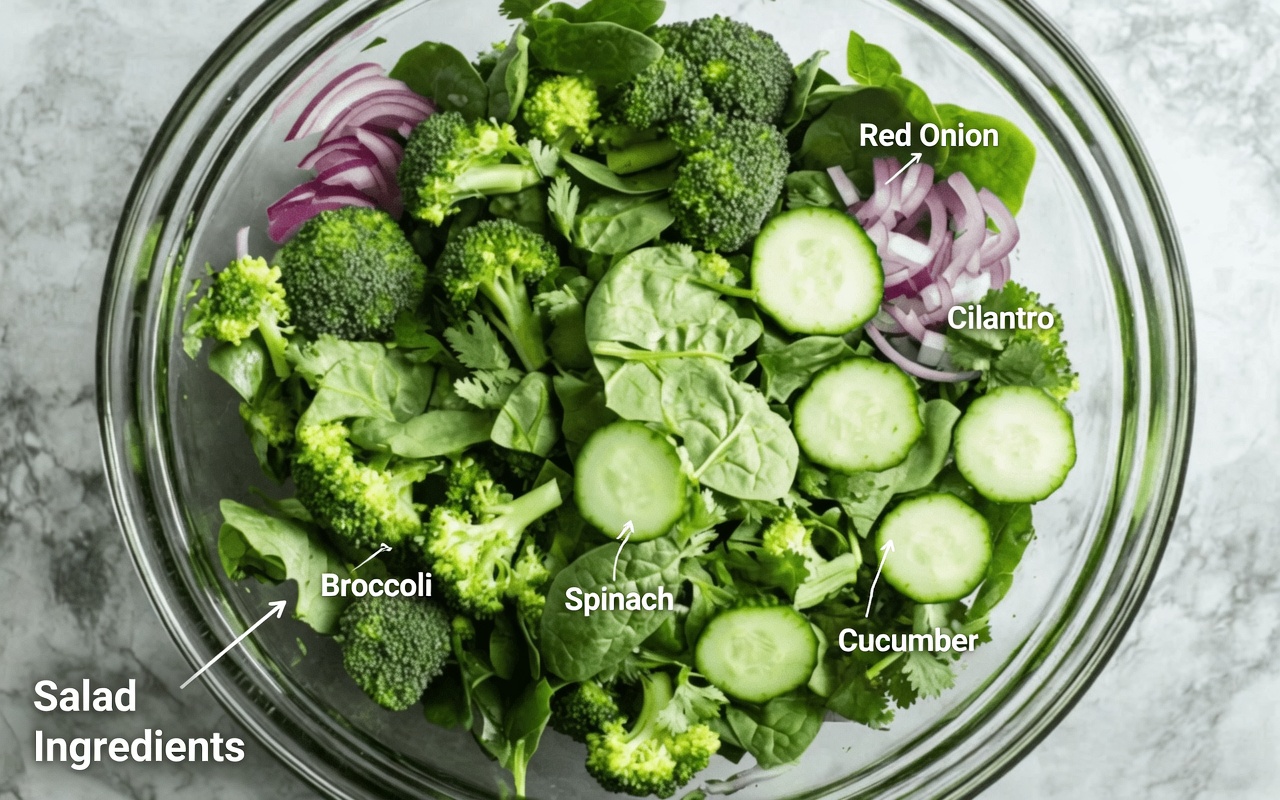
5) Leafy Greens and Hydrating Vegetables (Spinach, Broccoli, Cucumbers)
Most vegetables are low in purines and provide fiber, water, and potassium—nutrients that support overall kidney and metabolic health. While some people worry about certain vegetables, plant-focused eating patterns (such as Mediterranean-style diets) are consistently associated with better outcomes overall.
- Easy habit: aim for half your plate as vegetables at lunch and dinner

4) Legumes (Lentils, Beans, Chickpeas)
Legumes are a satisfying way to get plant protein and fiber without relying heavily on meat and seafood (common high-purine sources). Importantly, research suggests plant-based purines are less likely to trigger gout issues compared with animal-based sources for many people.
- Try this: lentil soup, chickpeas in salads, or beans in bowls 3–4 times per week

3) Coffee (Regular or Decaf)
Several large studies have found that coffee intake is linked with a lower risk of elevated uric acid and gout. The benefit appears connected to coffee’s bioactive compounds, not just caffeine—so decaf may also help.
- Keep it supportive: moderate intake, minimal sugar and heavy creamers
2) Low-Fat Dairy (Yogurt, Skim Milk)
Low-fat dairy products contain proteins (including casein and lactalbumin) that may help the body clear uric acid more efficiently. Despite outdated fears that dairy worsens inflammation, research often shows the opposite pattern for low-fat options.
- Easy to use: yogurt at breakfast, or a glass of skim milk with meals

1) Cherries (Especially Tart Cherries)
Cherries—particularly tart cherries—stand out for their anthocyanins, compounds associated with reduced inflammation and healthier uric acid levels in multiple studies. For many people, cherries are one of the most practical daily foods to support gout management.
- Common routine: 10–12 cherries daily, or a small serving of tart cherry juice (watch added sugar)
Quick Comparison: How These Foods May Help
| Food | Key Nutrient/Compound | Primary Support | Easy Daily Tip |
|---|---|---|---|
| Cherries (tart preferred) | Anthocyanins | Supports healthier uric acid levels; helps with inflammation | 10–12 cherries or small tart cherry juice serving |
| Low-fat dairy | Casein, lactalbumin | May improve uric acid excretion | 1–2 servings yogurt or skim milk |
| Coffee (regular/decaf) | Bioactive compounds | Linked with improved uric acid balance | 2–4 cups, limit additives |
| Legumes | Plant protein, fiber | Lower-purine protein alternative | Add to soups/salads several times weekly |
| Berries | Polyphenols, vitamin C | Antioxidant support | Handful fresh or frozen |
| Citrus fruits | Vitamin C | Associated with better uric acid clearance | 1–2 servings daily (whole fruit preferred) |
| Whole grains | Fiber | Supports weight and metabolism | Oats, barley, brown rice |
| Leafy greens & vegetables | Potassium, water, fiber | Supports hydration and overall kidney health | Fill half your plate with vegetables |
Used together, these foods that may help reduce uric acid levels naturally can complement one another—supporting both comfort and longer-term management.
Safe, Sustainable Ways to Add These Foods
Avoid trying to change everything overnight. A gradual approach is often easier to maintain:
- Prioritize hydration: many people aim for about 8–12 glasses of water daily, adjusting for body size and activity.
- Introduce slowly: add 1–2 new foods per week to reduce overwhelm.
- Pay attention to patterns: track flare frequency, stiffness, and sleep quality for a few weeks.
- Build balanced meals: pair fiber-rich carbs with protein and vegetables to support steadier energy and inflammation control.
Taking Charge Naturally (Plus the “Surprising” Combo)
Over time, many people find that consistent choices—especially cherries and low-fat yogurt—fit easily into daily life and may help reduce flare intensity or frequency. If you’re unsure where to begin, start small and check in with a clinician, especially if you take medications or have kidney concerns.
And here’s the simple combination to try: a cherry-yogurt parfait. Layer low-fat yogurt + tart cherries + a spoon of oats for a quick option that brings together three of the most useful categories in one bowl.

FAQ
What lifestyle habits work well alongside these foods?
Diet often works best when paired with:
- Weight management (excess weight can increase strain on joints and worsen risk)
- Regular low-impact activity (walking, swimming, cycling)
- Limiting alcohol and sugary drinks, which are commonly associated with higher uric acid levels in many people
- Staying hydrated consistently
Can supplements replace these foods?
Some supplements (such as vitamin C) have research behind them, but whole foods provide a broader mix of nutrients and protective compounds. Supplements can also interact with medical conditions or medications, so it’s best to consult a qualified professional before using them as a substitute.