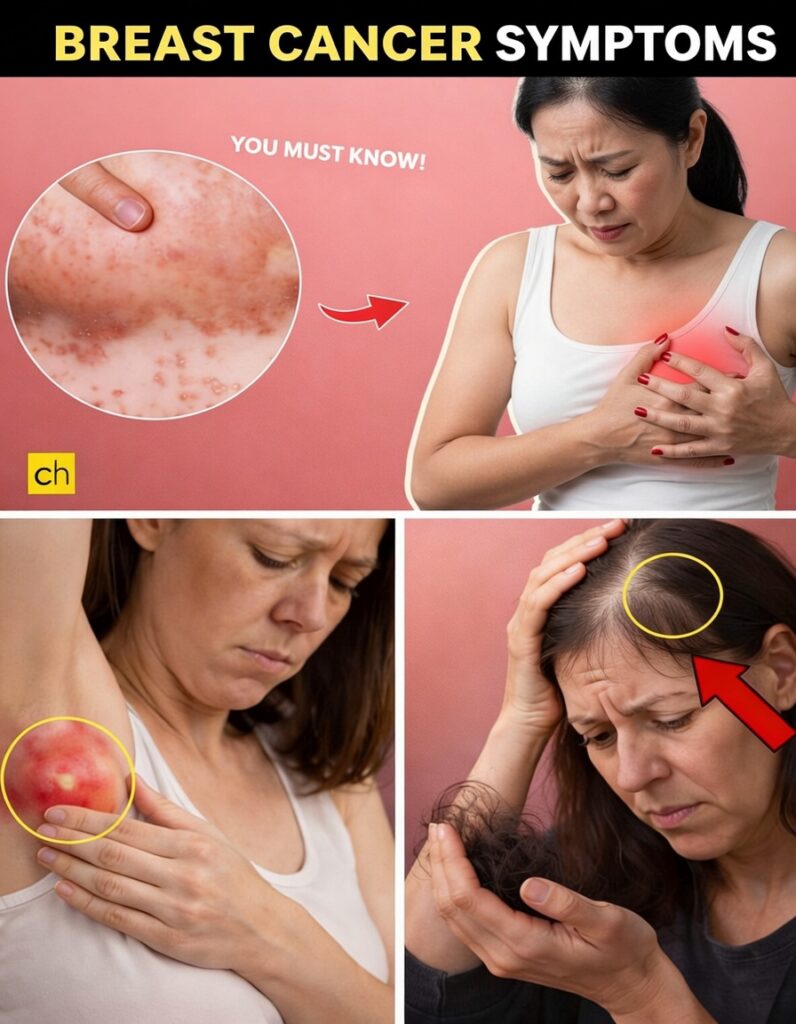
Many people notice small changes in their breasts and brush them off as “nothing serious.” However, these shifts can be early breast cancer warning signs, and ignoring them often creates two problems at once: more anxiety and later medical evaluation. When a change doesn’t go away, it can affect daily comfort, confidence, and peace of mind.
Learning what to watch for helps you respond calmly and quickly—by checking in with a healthcare professional when something seems unusual. And yes, there’s one sign that can affect men too, included near the end.
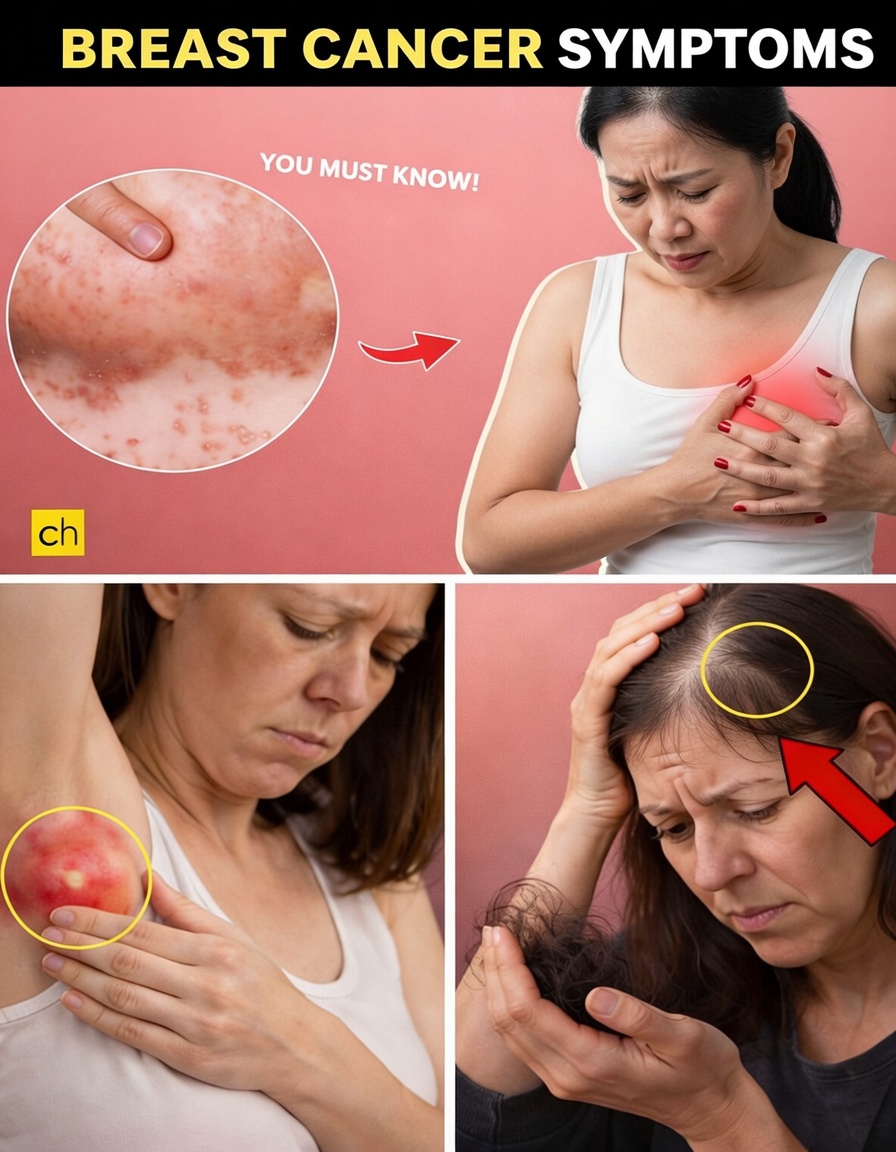
Why Recognizing Breast Cancer Warning Signs Matters
Understanding breast cancer warning signs helps you take control of your health instead of living with uncertainty. Breast cancer can develop with few or no obvious symptoms at first, which is why sudden changes may feel alarming. Organizations such as the American Cancer Society emphasize that early awareness and timely evaluation are linked to better outcomes.
Overlooking warning signs can also take an emotional toll. Many people delay seeking care due to fear, denial, or hoping symptoms will disappear. The positive takeaway is simple: knowing what to look for turns worry into action—and action reduces uncertainty.
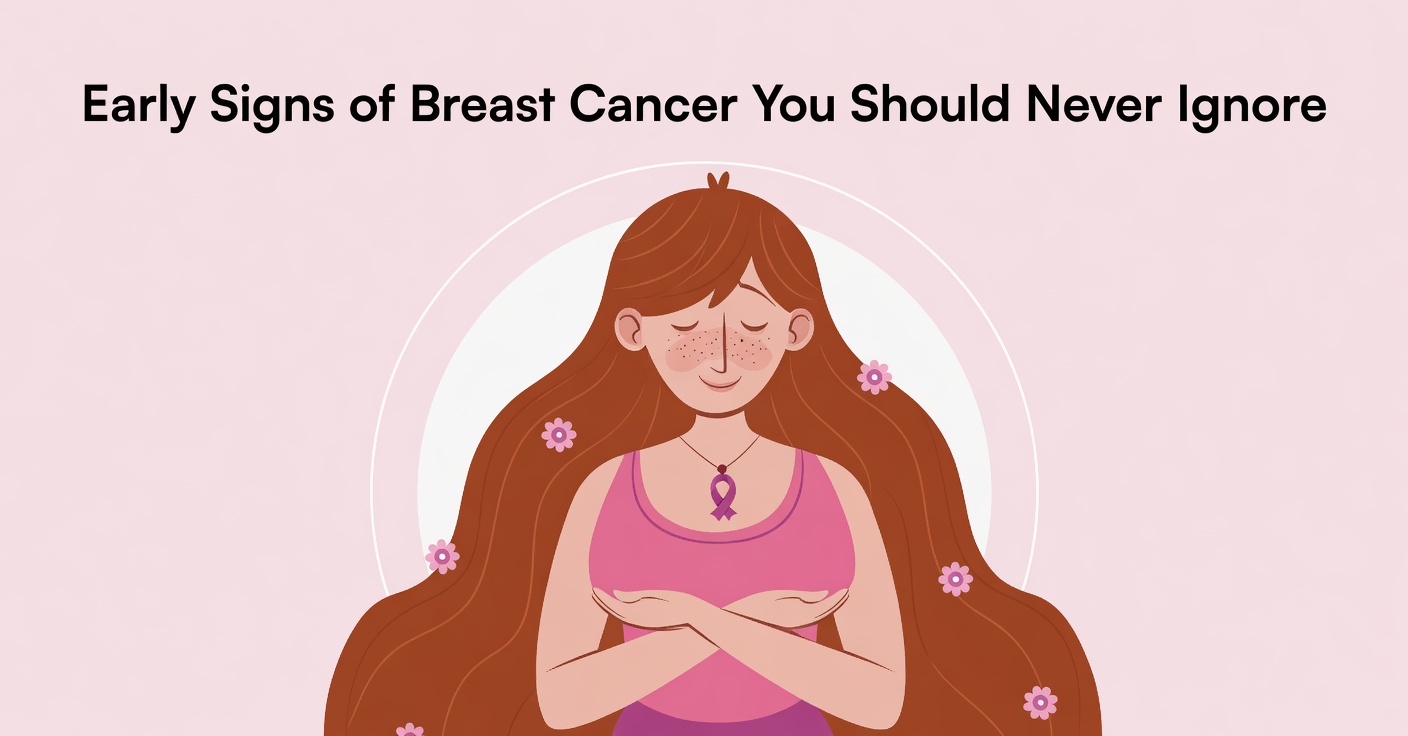
10 Breast Cancer Warning Signs to Know
10. Changes in Breast Size or Shape
A noticeable shift in breast size or shape—especially when it affects only one side—can be an early sign worth discussing with a clinician. It may appear gradually and show up as new asymmetry or a breast that suddenly looks different in clothing or a bra. Public health guidance (including the CDC) notes that persistent changes should be evaluated.
How to check:
- Stand in front of a mirror with arms relaxed at your sides.
- Look for changes that persist for several weeks, especially if one breast is affected more than the other.
9. Dimpling or Puckering of the Skin
Skin that looks dimpled—sometimes compared to an orange peel texture—can be a key breast cancer warning sign. It may begin subtly and become more obvious over time. Educational campaigns like Know Your Lemons highlight dimpling as an important early clue.
How to check:
- Raise your arms above your head and watch how the skin moves.
- If puckering or dimpling doesn’t resolve, schedule a medical assessment.
8. Persistent Itching or Redness
Breast or nipple-area itching and redness that continues without a clear cause can be associated with inflammatory breast conditions, including certain cancers. It can also disrupt sleep and daily comfort. Institutions such as City of Hope list redness as a symptom that should not be ignored when persistent.
What to watch for:
- Itching or redness lasting more than a few days with no obvious trigger (new detergent, irritation, allergy).
- Redness paired with warmth or swelling, which warrants prompt evaluation.
7. A New Lump or Hardened Area
A new lump or firm, hardened spot remains one of the most recognized breast cancer warning signs. Importantly, these lumps may be painless, which can lead people to delay care. The American Cancer Society identifies a lump as the most common symptom reported.
How to check:
- Use the flat pads of your fingers in gentle circular motions (often easiest in the shower).
- Lumps that feel fixed, irregular, or persistent should be assessed by a healthcare provider.

6. Ongoing Breast or Nipple Pain
While breast pain is often benign and can be hormonal, persistent, localized pain—especially on one side—may require medical review. Unlike cyclical tenderness, this discomfort tends to linger. Clinical resources such as the Cleveland Clinic note that pain can be a symptom to evaluate in context.
Helpful step:
- Track pain location, severity, and duration.
- If it is one-sided and does not improve, arrange a check-up.
5. Unexplained Swelling in the Breast or Armpit
Swelling that appears without a clear reason can be a warning sign—either in the breast itself or near lymph nodes (such as the armpit). It may change the way clothing fits and cause a sense that something is “off.” Cancer centers including OHSU Knight Cancer Institute include swelling among symptoms to take seriously.
How to check:
- With your arm raised, gently press into the armpit to feel for enlarged areas.
- Swelling that persists or progresses should be evaluated.
4. Nipple Retraction or Inversion (New Change)
A nipple that suddenly turns inward—especially if it’s new and one-sided—can be a breast cancer warning sign. This can happen abruptly and may affect confidence or body image. The CDC includes nipple retraction among notable symptoms.
How to check:
- Look in the mirror for a change that wasn’t present before.
- If inversion is new and does not resolve, seek medical advice.

3. Red, Flaky, or Thickened Skin
Skin that becomes red, flaky, crusted, or thickened can resemble eczema or dermatitis, which sometimes leads to delayed care. Persistent skin changes—especially around the nipple—should be professionally assessed. The National Breast Cancer Foundation highlights skin changes as an important category of symptoms.
What to watch for:
- Eczema-like changes that don’t improve with typical skin treatments.
- Thickened skin or texture changes that persist.
2. Nipple Discharge Other Than Milk
Unexpected nipple discharge (especially if spontaneous) can be alarming and may stain clothing, adding stress or embarrassment. Discharge that is bloody or clear is often taken more seriously clinically. Cancer centers such as KU Cancer Center emphasize this symptom as one that warrants evaluation.
What to note:
- Color (clear, yellow, bloody), frequency, and whether it occurs without squeezing.
- Any discharge that isn’t breast milk should be discussed with a doctor.
1. Swollen Lymph Nodes (Armpit or Collarbone)
Swollen or firm lymph nodes under the arm or near the collarbone can be a breast cancer warning sign and may reflect lymphatic involvement. It can also cause discomfort with arm movement. Clinical staging is influenced by lymph node status, making this symptom especially important.
How to check:
- Gently feel the armpit and collarbone area for firm, persistent swelling.
- If swelling doesn’t subside, contact a healthcare provider.
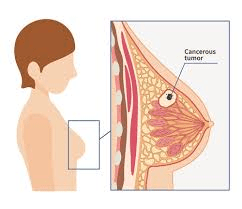
Your Action Plan for Monitoring Breast Cancer Warning Signs
Building a simple routine can reduce anxiety by helping you recognize what is normal for your body.
- Do a monthly self-check to learn your baseline.
- Combine three quick approaches:
- Lying down: Use the opposite hand to make small circular motions across the whole breast.
- In the shower: Soap and water make it easier to feel texture changes and lumps.
- In the mirror: Look for visible changes in symmetry, skin texture, or nipple position.
Follow screening recommendations from reputable health authorities, and keep regular appointments if you are due for mammography or other imaging.
High-Risk Factors to Consider
Some factors may increase risk and justify closer attention to breast cancer warning signs, including:
- Family history of breast or related cancers
- Dense breast tissue
- Age over 40 (risk generally increases with age)
If any apply to you, ask your clinician about a personalized screening and monitoring plan.
Real Stories Show Why Early Attention Matters
Many people report that noticing a warning sign early—such as dimpling or a change in skin texture—led to faster evaluation and simpler treatment. Others share that ignoring a lump or discharge delayed diagnosis and resulted in more intensive care. These experiences underline a consistent message: timely evaluation can change outcomes.
When to Seek Help Immediately
Contact a healthcare provider promptly if you notice:
- Any change that persists (even if mild)
- Multiple signs at once (for example, a lump plus discharge)
- Rapid swelling, spreading redness/warmth, or severe pain
Conclusion
Recognizing these 10 breast cancer warning signs helps you stay proactive, reduce uncertainty, and seek care sooner when something isn’t right. One final reminder: men can also develop breast cancer, and signs like a lump, nipple discharge, skin changes, or swollen lymph nodes in the chest area should never be ignored—regardless of gender.