Aging and Bone Health: Why Small Signs Matter
As the years go by, you may start to notice minor shifts—stiff joints in the morning, slower movement when you need to react quickly, or a bit less confidence in your stride. These changes can be early hints that your bone health deserves more support. While they often appear gradually, they can influence mobility and independence over time.
The encouraging part is that your everyday habits—especially your diet and daily routine—can help. One surprisingly simple food can fit easily into your day, and you’ll see exactly how to use it in a realistic plan near the end.
Why Bone Health Becomes More Important After 50
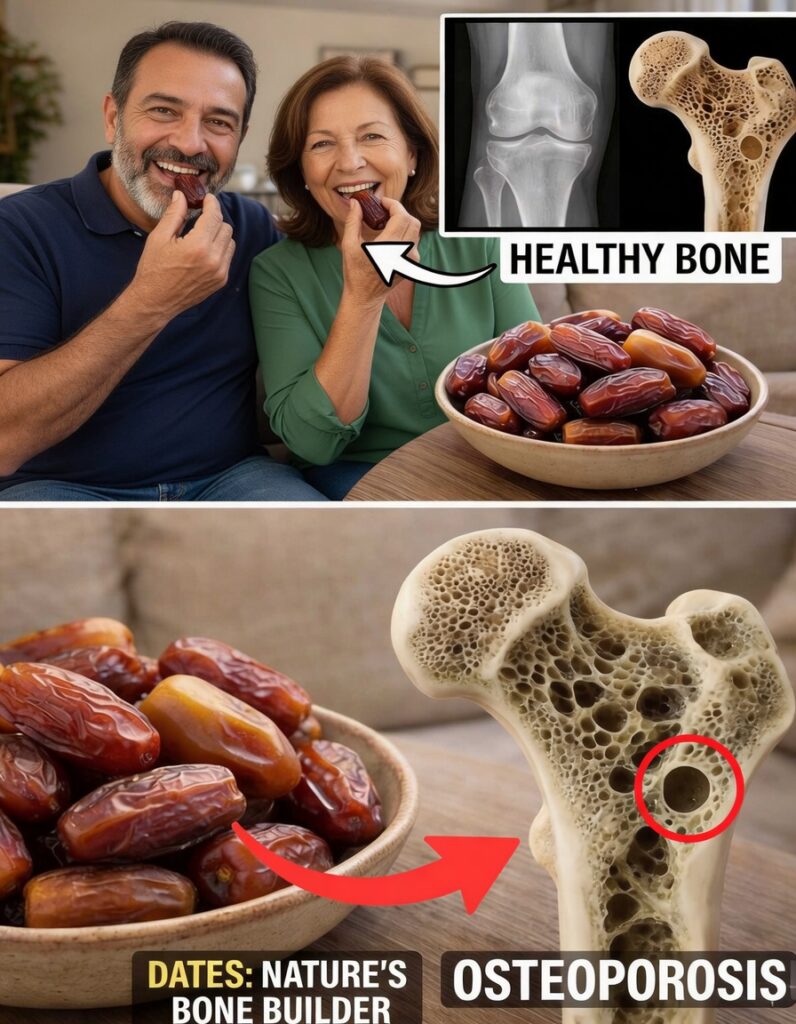
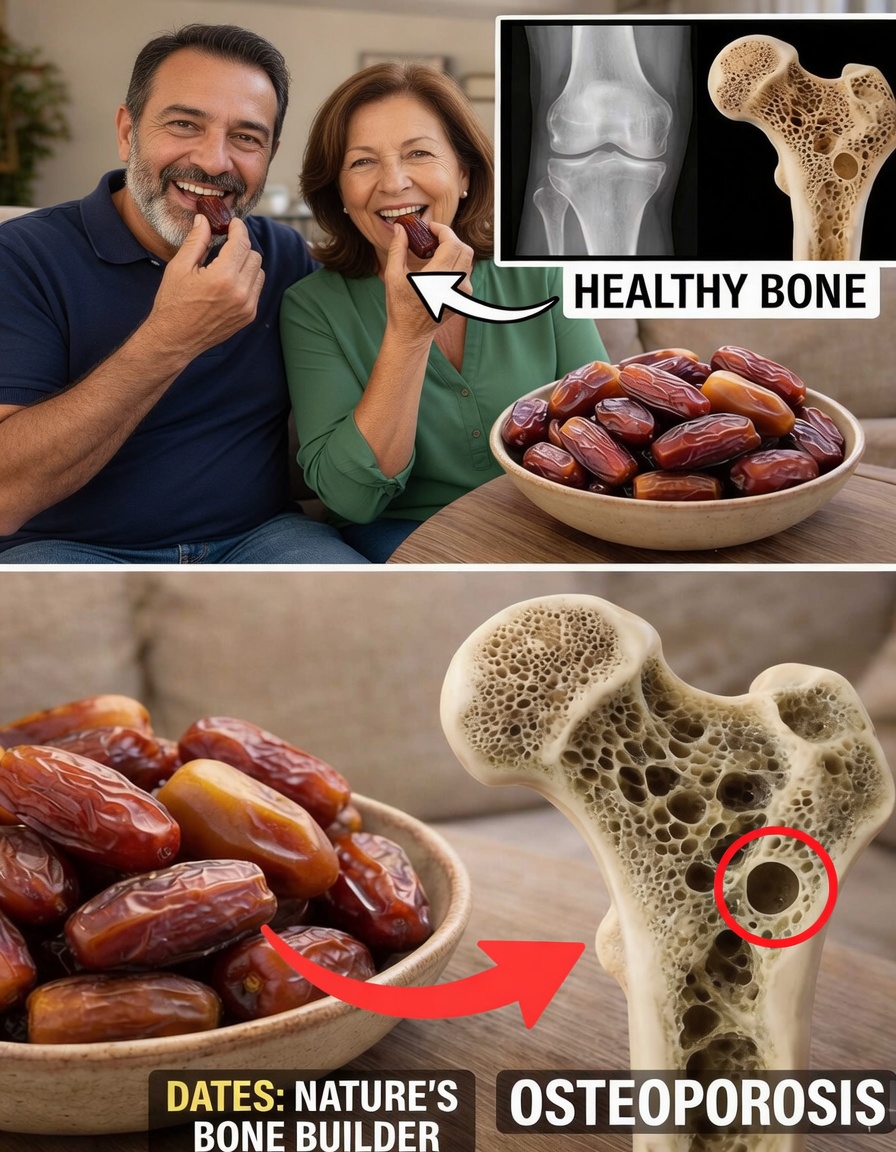
Most people don’t think about bones until something hurts or fractures happen. But bones are living tissue, constantly being broken down and rebuilt. As you get older—especially after age 50—this rebuilding process may slow, which can contribute to lower bone density over time.
Evidence highlighted by health authorities such as the National Institutes of Health points to common contributors, including:
- Lower intake of key nutrients
- Reduced physical activity
- Hormonal changes that affect bone remodeling
The good news: you don’t need a drastic overhaul to start helping your bones. Consistent, small choices—particularly with nutrient-rich foods—can support long-term balance.
The Key Nutrients That Help Support Bones
Calcium is well known for bone support, but it works best as part of a broader nutrient team. Minerals that also matter include:
- Magnesium
- Potassium
- Phosphorus
Research discussed in publications such as the Journal of Bone and Mineral Research emphasizes that these minerals contribute to overall bone metabolism and structure. When a diet is repetitive or lacks variety, it’s easier to fall short on these supporting nutrients.
This is where dates can be helpful: they provide a natural combination of minerals in a convenient, food-based form. They are not a cure or a complete solution—but they can be a smart addition to an overall bone-supportive approach.
Why Dates Are a Surprisingly Smart Everyday Food
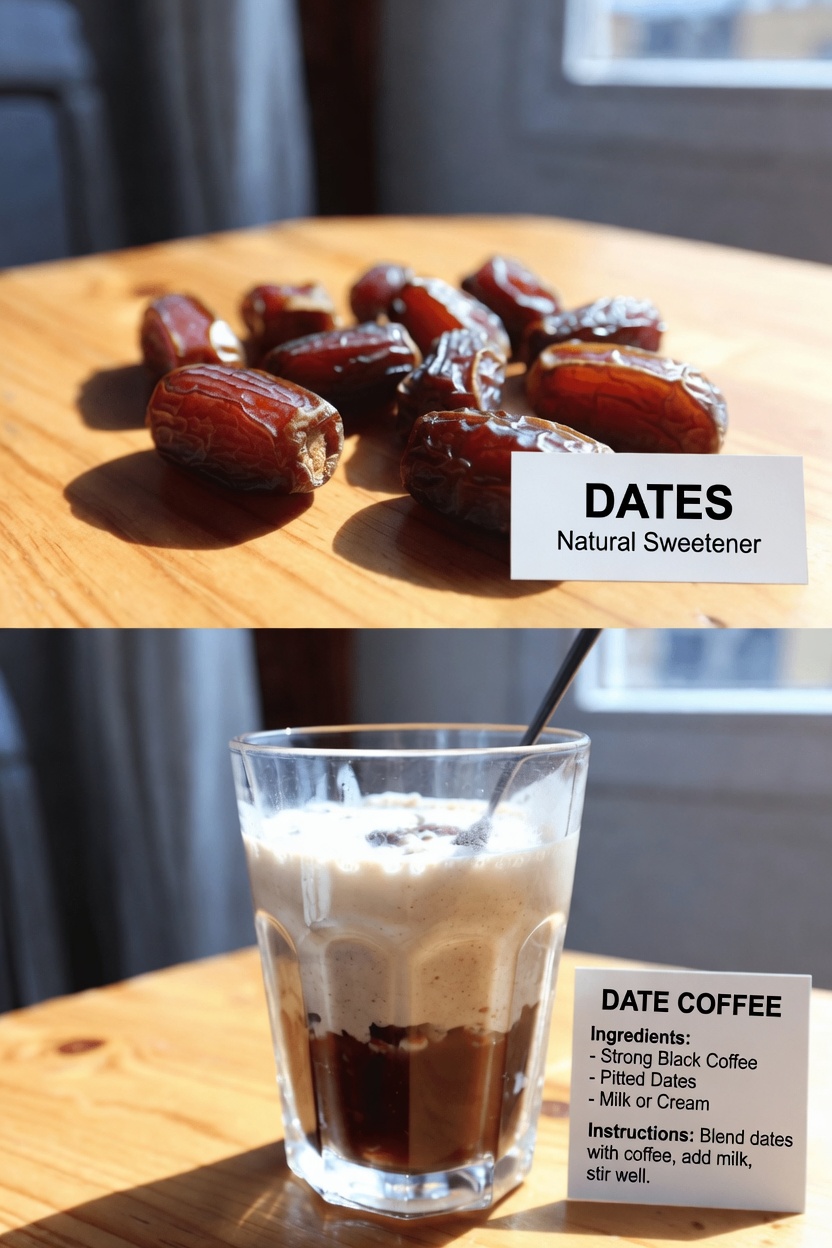
Dates are often viewed as a sweet snack, but nutritionally they offer more than sweetness. They contain:
- Fiber to support digestion
- Antioxidant compounds found in plants
- Several bone-supporting minerals, including magnesium, potassium, and phosphorus
Magnesium plays a role in calcium regulation in the body, based on general nutrition science. Potassium supports overall mineral balance, and phosphorus contributes to the structural framework bones rely on.
Another advantage is practicality: dates are enjoyable, portable, and easy to repeat daily. And with bone health, consistency matters more than perfection.
9 Potential Benefits of Adding Dates to Your Routine
Below is a practical countdown of how dates may support your daily habits, based on their nutrient profile and general dietary insights:
- Confidence Through Routine: Building a simple daily habit can reinforce a proactive mindset that supports long-term independence.
- Easy to Pair for Balance: Dates combine well with protein and healthy fats (like yogurt or nuts), helping create more satisfying snacks.
- Fiber for Gut Support: Fiber may promote digestion and better nutrient absorption, helping your body use what you eat more effectively.
- Antioxidant Support: Plant compounds may help the body manage oxidative stress as part of overall wellness.
- Quick Energy for Movement: Dates provide fast fuel, which can make gentle activity feel easier—important because movement supports bone signaling.
- Phosphorus for Structure: Phosphorus contributes to the mineral matrix involved in bone strength.
- Potassium Contribution: Potassium supports acid-base balance, which may indirectly support bone health.
- Magnesium Boost: Magnesium is linked to bone remodeling processes discussed in dietary research.
- Simple to Make a Habit: They require no preparation, travel well, and are naturally sweet—making daily consistency more realistic.
These potential benefits are most meaningful when dates are part of a broader plan that includes movement and a nutrient-rich diet.
Common Obstacles—and How Dates Can Play a Supportive Role
Many adults face predictable challenges that make bone-supportive habits harder to maintain. Dates can’t solve everything, but they may help in practical ways:
- Low mineral intake: Relying only on calcium can overlook other minerals; dates contribute magnesium and potassium naturally.
- Low daily movement: Motivation can be inconsistent; a small energy boost may make short walks feel more doable.
- Processed snacking habits: Cutting sweets suddenly can backfire; dates can be a more nutrient-dense alternative.
- All-or-nothing dieting: Strict plans are hard to sustain; a repeatable snack habit is easier to maintain.
Think of dates as a support tool, not a standalone fix.
Easy Ways to Add Dates to Your Day
You don’t need complicated recipes to make dates a regular part of your routine:
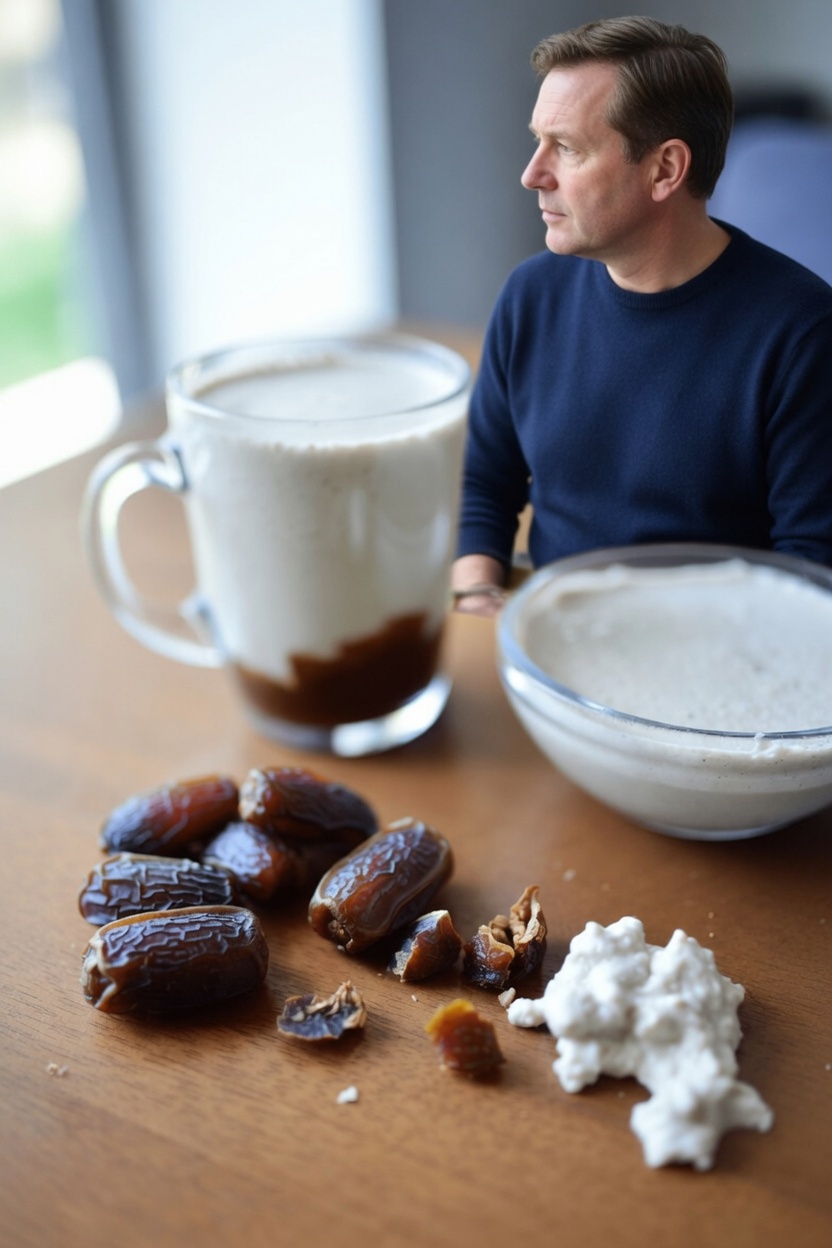
- Start small: Eat 1–2 dates in the morning with yogurt for a balanced option.
- Build a snack: Combine 3 dates with a handful of nuts in the afternoon for longer-lasting energy.
- Fuel light activity: Have 2–3 dates before a walk to make movement more appealing.
- Watch portions: Many people do well with 3–5 dates on more active days, adjusting to personal needs.
- Track how you feel: After one week, note changes such as steadier energy or improved snack consistency.
A Simple 30-Day Habit Plan (Dates + Movement)
Week 1
- Add 1–2 dates daily with a protein source (such as yogurt or nuts).
- Pay attention to energy and cravings.
Week 2
- After your date snack, add a 10-minute walk most days.
Weeks 3–4
- On walk days, increase to 3 dates if it suits you.
- Optional: add cinnamon for flavor variety.
If month one feels sustainable, you can consider adding light strength work in month two if appropriate. This gradual approach stays realistic—and it pairs well with other supportive habits like getting sunlight for vitamin D.
Takeaway: Small, Consistent Steps Can Support Long-Term Bone Health
Dates can be a simple, enjoyable way to support bone-friendly nutrition by contributing minerals, steadying snack habits, and providing energy that can encourage movement. The best results come from consistency and combining food choices with activity and a nutrient-diverse diet.
For personalized guidance—especially if you have medical conditions—seek advice tailored to your needs.
Frequently Asked Questions
Are there easy ways to eat dates for bone support?
Yes. Chop dates into oatmeal, add them to yogurt, or blend them into smoothies. These options boost fiber and add minerals with minimal prep.
Are dates a good choice for everyone?
Many people can enjoy dates in moderation. If you have diabetes, kidney concerns, or need to manage potassium or sugar intake, consult a healthcare professional first.
How do dates compare with other fruits nutritionally?
Dates provide a notable mix of potassium and magnesium, similar in some ways to bananas, and they also offer more fiber, making them especially useful for satisfying snacks.
Medical Disclaimer
This content is for informational purposes only and does not replace professional medical advice. Consult a qualified healthcare provider before making dietary changes, particularly if you have existing health conditions.