Many people deal with occasional bloating after meals, which can leave you feeling uncomfortable, heavy, and low on energy for the rest of the day. When that “full and tight” sensation lingers, it can interrupt your routine, distract you at work, and even make relaxing activities less enjoyable. A simple, natural approach is to add a soothing herbal drink to your day—one that combines ginger, bay leaves, and hibiscus for gentle, caffeine-free support. And there’s one surprising “bonus” to this blend that makes the ritual even more valuable—stay with it to the end.
Why Ginger, Bay Leaves, and Hibiscus Work Better Together
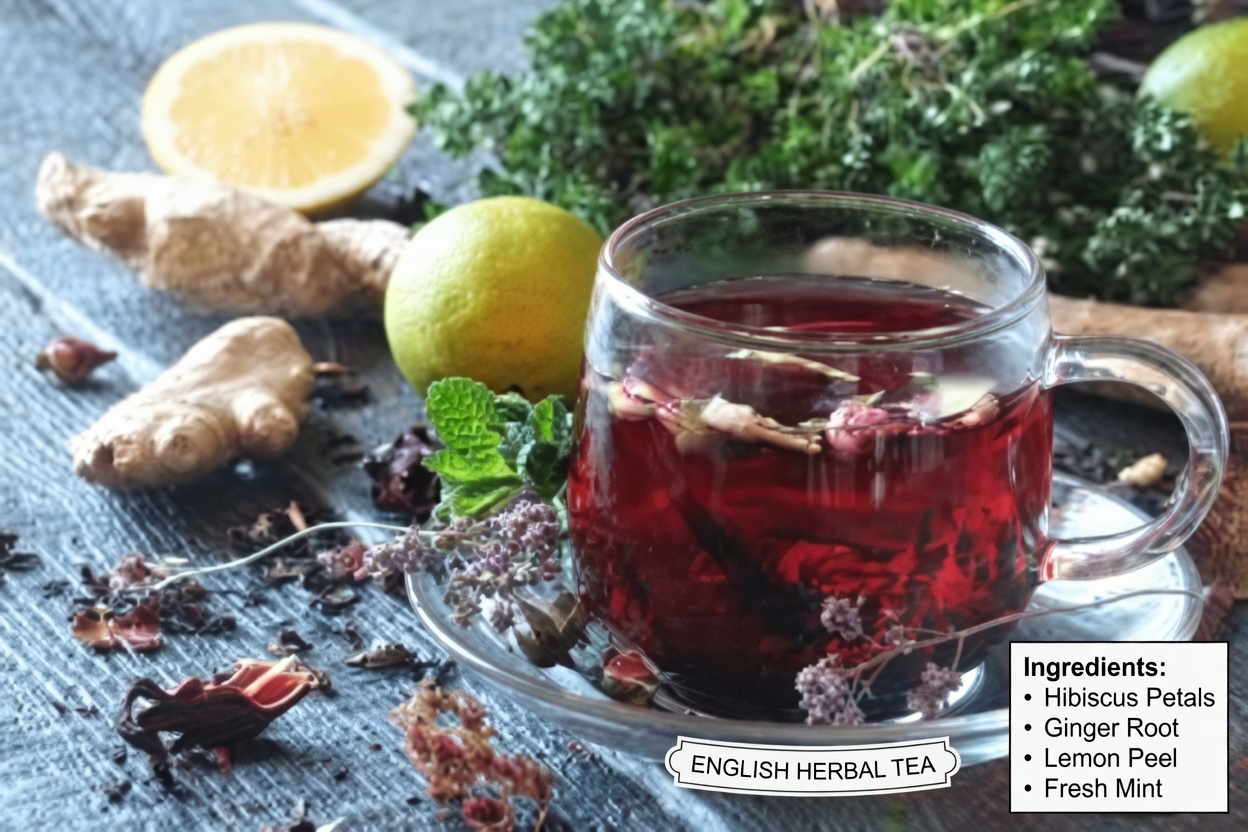
A warm (or iced) infusion made from ginger, bay leaves, and hibiscus is widely appreciated for its refreshing taste. Beyond flavor, this trio is often used to support digestion and overall balance—especially when occasional bloating makes meals feel like a burden.
- Ginger is known for compounds that may support gut motility and comfort.
- Bay leaves contain aromatic plant volatiles traditionally used to ease gas and digestive tension.
- Hibiscus contributes antioxidants that support overall wellness and helps make the drink bright and enjoyable.
Research and traditional use suggest these herbs can complement each other, creating an easy daily beverage that feels both functional and satisfying.
Ingredient Spotlight: What Each Herb Adds to the Blend
Ginger: A Core Ally for Digestion
When digestion feels slow or you experience nausea after eating, it can affect your mood and productivity. Ginger contains gingerols, which have been studied for their potential role in digestive support and inflammatory balance. Many people also appreciate ginger’s naturally warming sensation, often associated with easing that “heavy” feeling after meals. Some studies suggest ginger may support digestive enzyme activity, contributing to smoother gastrointestinal function.
In this blend, ginger also plays a flavor role: its gentle heat gives the infusion structure and keeps it from tasting flat.
Bay Leaves: Gentle, Traditional Comfort for Gas and Fullness
Trapped gas and stomach pressure can turn a calm evening into an uncomfortable one. Bay leaves provide aromatic compounds such as eugenol and other volatile elements commonly associated with carminative (gas-relieving) properties in traditional herbal practices.
Bay leaf’s flavor is subtle—mildly herbal and earthy—yet it does important work in the cup: it rounds out hibiscus’ tart edge and makes the drink feel calmer and more “grounded.”
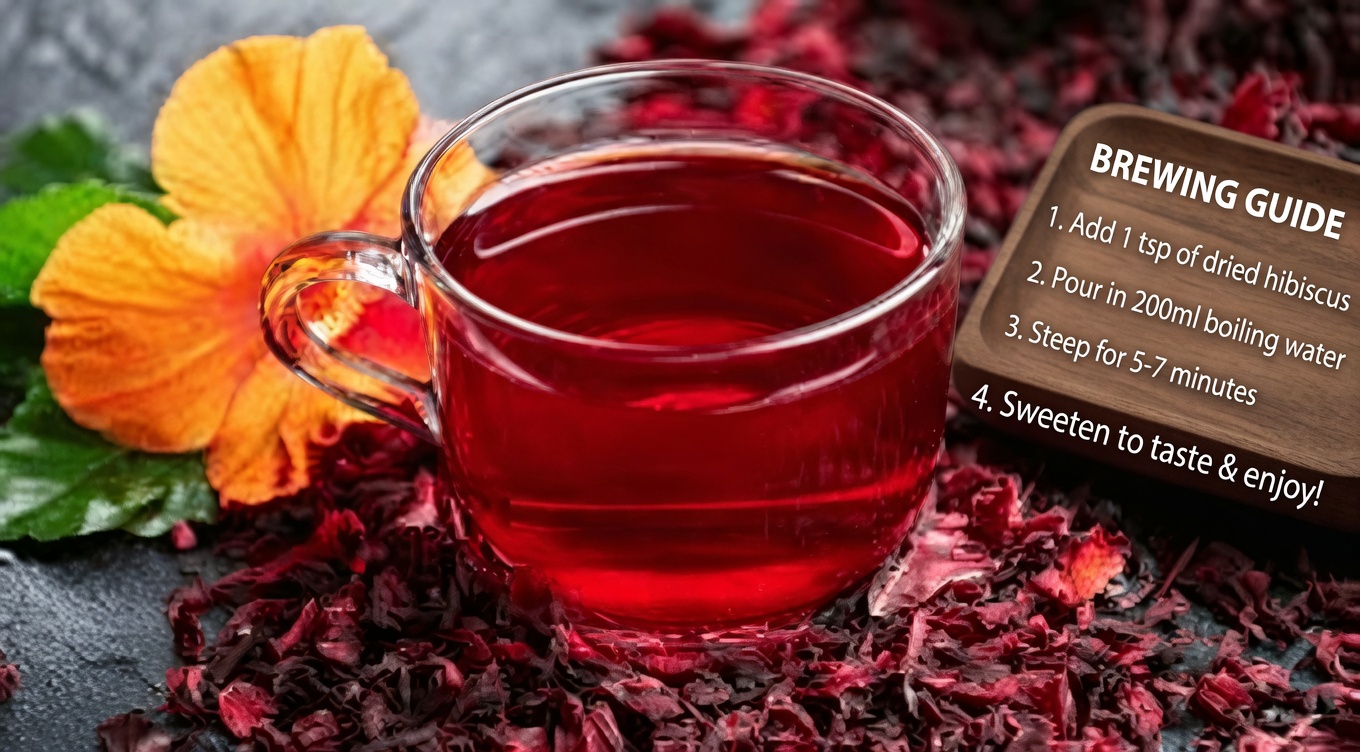
Hibiscus: Antioxidant-Rich and Brightly Refreshing
Daily oxidative stress can slowly wear on your sense of vitality. Hibiscus is naturally rich in anthocyanins and often contains vitamin C, which gives it a strong antioxidant profile. Research reviews have linked hibiscus to modest support for blood pressure and cholesterol in some populations, though individual results can vary.
Hibiscus also brings the signature taste: tangy and cranberry-like, it transforms a “healthy tea” into something you actually crave.
Countdown: 7 Potential Benefits of Drinking Ginger, Bay Leaves, and Hibiscus Regularly
Occasional post-meal bloating can drain your energy and reduce your motivation to stay active. While this drink isn’t a medical treatment, research and user experiences suggest it may offer gentle, supportive benefits.
7. Digestive comfort and less bloating
Bloating can make you feel tight, sluggish, and uncomfortable. In this combination:
- Ginger may encourage smoother digestion
- Bay leaves are traditionally used to help relieve gas
- Hibiscus can act as a mild diuretic for some people
Many report feeling “lighter” with consistent use. Ginger research also frequently highlights its role in easing nausea.
6. Gentle support for healthy blood pressure
If blood pressure fluctuations are a concern, hibiscus is the best-known ingredient here. Research reviews suggest hibiscus may modestly support blood pressure balance, while ginger and bay leaf are often used traditionally to support circulation and overall wellness.
5. Antioxidant and inflammation-supporting properties
Daily stress, poor sleep, or intense schedules can contribute to low energy and minor aches. Hibiscus antioxidants, ginger’s gingerols, and bay leaf plant compounds may support the body’s response to oxidative stress over time.
4. Immune system encouragement
Seasonal changes can disrupt routines quickly. Hibiscus contributes vitamin C and polyphenols, while ginger and bay leaves are widely used in traditional wellness routines for their antimicrobial and soothing qualities—making this blend especially comforting in cooler months.
3. Potential support for blood sugar and metabolism
Afternoon energy crashes after meals can make it hard to focus. Some studies suggest ginger and hibiscus may be helpful for glucose management as part of an overall healthy lifestyle. This infusion is also naturally low in calories if you keep sweeteners minimal.
2. Heart and cholesterol support
Concerns about cholesterol often influence daily food choices. Research has associated hibiscus with improved lipid markers in some cases, and the antioxidant profile of ginger and bay leaf can complement a heart-healthy routine.
1. More enjoyable hydration and day-to-day vitality
Dehydration can quietly reduce energy and mental clarity. This tart-spicy herbal drink makes hydration easier to stick with, and many people feel more balanced and refreshed when they drink it consistently.
Quick Comparison: What Each Ingredient Contributes
-
Ginger
- Key compounds: gingerols, antioxidants
- Potential role: digestive comfort, inflammation support
- Flavor: warm, spicy, energizing
-
Bay leaves
- Key compounds: eugenol, aromatic volatiles
- Potential role: gas relief, gentle calming support
- Flavor: mild earthy-herbal depth
-
Hibiscus
- Key compounds: anthocyanins, vitamin C, polyphenols
- Potential role: antioxidant support, modest blood pressure support
- Flavor: tart, cranberry-like brightness
Together, this synergy targets common complaints like bloating, heaviness, and low energy—while still tasting genuinely enjoyable.
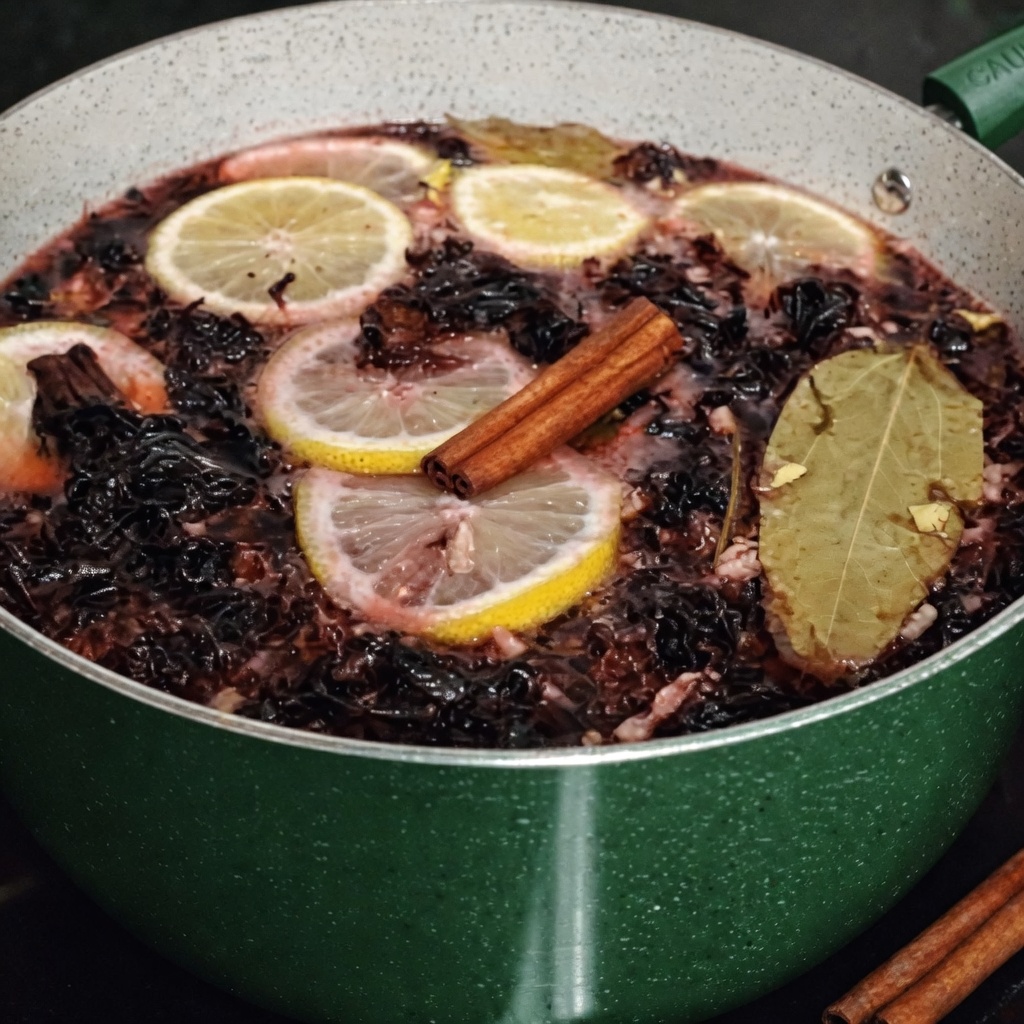
Simple Recipe: Make Ginger, Bay Leaves, and Hibiscus Tea at Home
When hydration feels boring, fatigue can creep in. This recipe turns water into a satisfying daily ritual.
Ingredients (makes 4–6 cups)
- 1–2 inch piece of fresh ginger, sliced or grated
- 4–6 dried bay leaves
- 1/4–1/2 cup dried hibiscus flowers (or 2–3 hibiscus tea bags)
- 4–6 cups water
- Optional: honey, lemon, or cinnamon
Steps
- Bring the water to a boil.
- Add ginger, bay leaves, and hibiscus.
- Reduce heat and simmer for 10–15 minutes.
- Strain and drink hot, or chill for an iced version.
If you’re new to hibiscus or ginger, start with a milder brew to avoid any initial stomach sensitivity.
How to Enjoy This Blend Safely
If you’re taking medications or managing a health condition, it’s wise to be cautious—especially with herbs that may influence blood pressure or blood sugar.
- Start small: Begin with 1 cup per day and observe how you feel.
- Choose timing intentionally: Morning can feel energizing; evening can be soothing. If hibiscus affects you like a diuretic, avoid late-night servings.
- Sweeten lightly: Use minimal honey to keep the drink low-sugar.
- Check with a professional: Speak with your clinician if you take blood pressure or blood sugar medications, are pregnant, or have ongoing digestive concerns.
Conclusion: A Simple Herbal Routine for Comfort and Energy
Adding a ginger, bay leaves, and hibiscus drink to your routine may support digestion, provide antioxidant benefits, and help you feel more refreshed—especially if bloating or heaviness shows up after meals. The flavor alone makes it easier to stay consistent, which is often the real key to building a wellness habit.
The “unexpected twist” promised earlier? Many people find the ritual itself—pausing to brew, sip slowly, and check in with their body—adds a layer of mindfulness that improves comfort beyond what the ingredients can do on their own.
Frequently Asked Questions
What does ginger, bay leaves, and hibiscus tea taste like?
It’s tart, lightly earthy, and warmly spicy—often compared to cranberry tea with a ginger kick. It works well both hot and iced.
Can I drink ginger, bay leaves, and hibiscus every day?
Many people drink it daily, often 1–2 cups, adjusting strength based on how they feel. If you’re on medications (especially for blood pressure or blood sugar), consult a healthcare professional for personalized guidance.