
A Simple Plant for Unstable Energy, Blood Sugar, and Blood Pressure
Living with unpredictable energy, stubborn blood sugar, or blood pressure readings that refuse to settle can be draining. Many people respond by tightening their diet rules or buying pricey supplements, yet still feel uneasy about long-term metabolic and heart health. Over time, that pressure can spill into sleep quality, mood, and self-confidence.
Moringa leaf has become a popular topic because it’s a nutrient-rich, food-based option that may gently support blood sugar balance, circulation, and overall vitality. By the end of this guide, you’ll see why this “humble green” keeps appearing in scientific and wellness conversations.

What Is Moringa Leaf—and Why Is It Everywhere Lately?
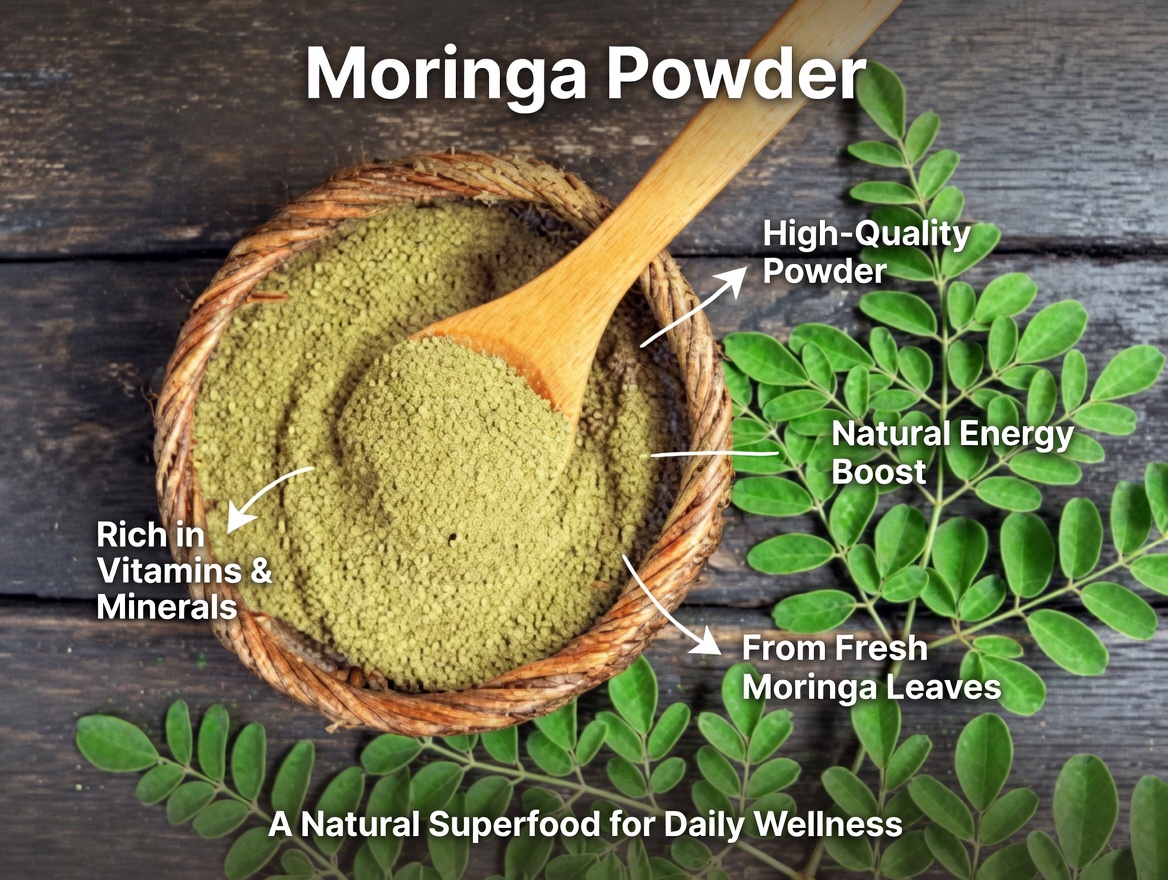
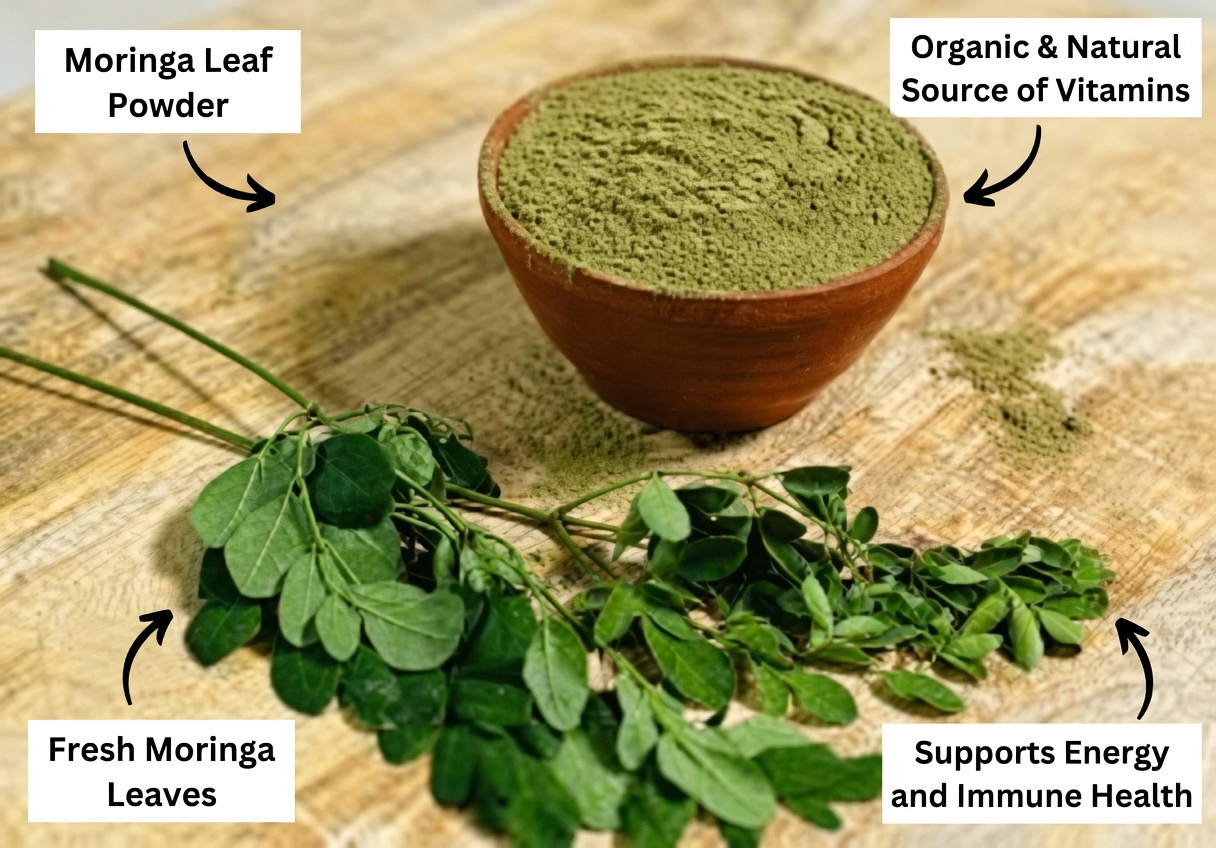
Moringa leaf comes from Moringa oleifera, a plant often called the drumstick tree or tree of life. It has a long history in everyday diets across parts of Asia and Africa, where it’s been used for generations as a nourishing green.
Unlike many short-lived “superfood” trends, moringa continues to draw attention because it’s packed with nutrients and antioxidants. For people worried about glucose spikes or rising blood pressure, moringa leaf offers a more practical angle: a dietary addition rather than an extreme protocol.
Importantly, moringa leaf is not positioned as magic. The most realistic takeaway from the research is that it may provide multi-system support, especially for metabolic and cardiovascular functions—two areas that commonly become more relevant with age.
Moringa Leaf and Blood Sugar Support
When blood sugar is out of balance, it can show up as fatigue, mental fog, and constant cravings. Moringa leaf has been explored for its role in supporting healthy glucose levels, particularly when paired with consistent movement and balanced meals.
Some small human studies suggest that regular use of moringa leaf powder may help lower fasting blood glucose, including in people managing type 2 diabetes.
Researchers think moringa’s effects may be linked to compounds such as chlorogenic acid (also found in coffee), which may help slow carbohydrate absorption. Moringa also provides plant nutrients that may help support insulin sensitivity.
That said, moringa leaf is best viewed as nutritional support, not a substitute for prescribed treatment. If blood sugar swings are a major stressor for you, moringa may be one helpful component of a broader plan—not the entire solution.
Moringa Leaf and Healthy Blood Pressure
High blood pressure often builds quietly, which can increase worry about long-term heart risk. Moringa leaf contains antioxidants such as quercetin and a range of polyphenols, which may help reduce oxidative stress—a factor associated with reduced vessel flexibility.
Early evidence from animal studies and small human research suggests moringa compounds may encourage blood vessel relaxation, which is a key element in maintaining healthy blood pressure. Larger, high-quality clinical trials are still needed, but the overall pattern is promising for those seeking gentle circulatory support.
And blood pressure isn’t the only cardiovascular marker researchers have looked at—moringa may also influence cholesterol.
Moringa Leaf and Cholesterol Balance
Cholesterol management can feel discouraging, especially when lifestyle improvements take time to show up on lab results. In smaller clinical settings, moringa leaf has been evaluated for its potential impact on lipids.
Some studies have reported:
- Lower LDL (“bad” cholesterol)
- Reduced triglycerides
- Modest increases in HDL (“good” cholesterol)
One proposed reason is that moringa’s antioxidants may help limit lipid oxidation, which matters for cardiovascular protection. Moringa should never replace medical guidance, but it may complement heart-supportive routines like a balanced diet and regular activity.

Moringa Leaf, Inflammation, and Everyday Resilience
Chronic, low-grade inflammation is often linked with fatigue, stiffness, joint discomfort, and metabolic strain. Moringa leaf contains plant compounds called isothiocyanates, which researchers have studied for their potential effects on inflammatory pathways.
For anyone feeling run down or focused on long-term resilience, moringa may offer a mild, food-based way to support the body’s natural balance. This potential anti-inflammatory role is one reason moringa remains relevant both in traditional use and modern research.
Why Moringa Leaf Is Considered Nutrient-Dense
Moringa stands out because a small amount can provide a meaningful nutrient boost—useful for people dealing with low energy or minor nutrient gaps.
Approximate nutrients in 1 tablespoon of moringa leaf powder:
- Iron: ~10% Daily Value
- Vitamin A: ~15% Daily Value
- Calcium: ~12% Daily Value
- Plant protein: ~2 grams
This concentration is one reason moringa has been used in community nutrition efforts. Still, nutrient density only helps when moringa is used consistently and sensibly.
How to Use Moringa Leaf Safely
If you’re interested in adding moringa to your routine, start gradually. Taking too much—of anything, even plant-based—can lead to digestive discomfort.
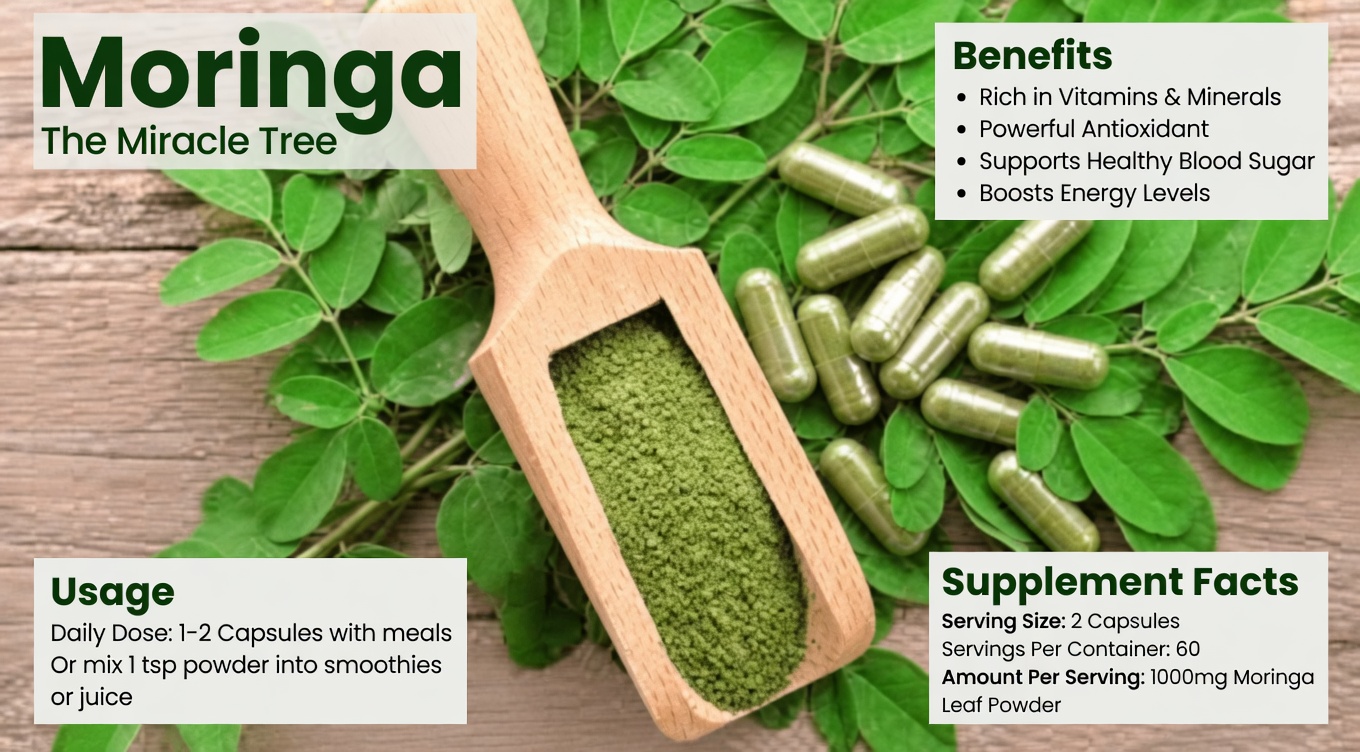
Suggested daily intake
- Begin with ¼ teaspoon daily
- Slowly increase to ½–1 teaspoon (about 2–5 grams)
- Pay attention to digestion, energy, and how you feel overall
Common forms
- Powder (the most researched)
- Capsules
- Tea
With moringa, consistency usually matters more than large doses. It tends to work best as a steady nutritional addition rather than an occasional “mega serving.”
Simple Moringa Leaf Tea Recipe
Moringa tea is a gentle way to start, especially if you prefer something light.
Ingredients
- 1 teaspoon dried moringa leaf or powder
- 1 cup hot (not boiling) water
- Optional: lemon or honey
Instructions
- Add moringa leaf to a cup.
- Pour hot water over it.
- Steep for 5–7 minutes.
- Strain if needed, then drink.
The taste is mild and slightly earthy, making it easy to fit into a daily routine.
Precautions Before Using Moringa Leaf
Natural does not automatically mean risk-free. Use moringa thoughtfully, especially if you have underlying conditions.
- Medication interactions: Moringa may amplify the effects of blood sugar or blood pressure medications.
- Pregnancy: Culinary amounts of moringa leaf are generally considered safe, but avoid roots and bark.
- Product quality: Choose organic, third-party tested moringa to reduce contamination risks.
If you’re actively managing metabolic or cardiovascular concerns, it’s smart to check with a healthcare professional before using moringa regularly.
Moringa Leaf: Myths vs. Reality
-
Myth: “Moringa leaf cures diabetes.”
Reality: There’s no evidence of a cure. It may support balance alongside proper care. -
Myth: “Moringa detoxes instantly.”
Reality: Your body already has detox systems; moringa mainly contributes antioxidants and nutrients. -
Myth: “Moringa works like caffeine.”
Reality: Any energy support is more likely from nutrition, not stimulants.
Separating hype from evidence helps you use moringa with realistic expectations.
Action Plan: Adding Moringa Leaf to Your Routine
If you want to try moringa leaf in a practical, low-risk way:
- Start small: Mix ¼ teaspoon into a smoothie or yogurt.
- Track your response: Monitor digestion and energy for one week.
- Pair it with basics: Use moringa alongside balanced meals, hydration, and movement.
- Stay consistent: Give it several weeks before judging results.
- Get guidance if needed: Especially if you’re managing blood sugar or blood pressure.
This slow, structured approach improves safety and makes it easier to notice subtle changes.
Why Moringa Leaf Stands Out
Moringa leaf isn’t about dramatic promises—it’s about layered support. Blood sugar balance, circulation, inflammation, and nutrient intake are closely connected, and moringa appears to touch several of these pathways at once.
For anyone overwhelmed by complex wellness advice, moringa offers something refreshingly straightforward: a food-based addition that can support healthy habits without demanding a radical lifestyle overhaul.