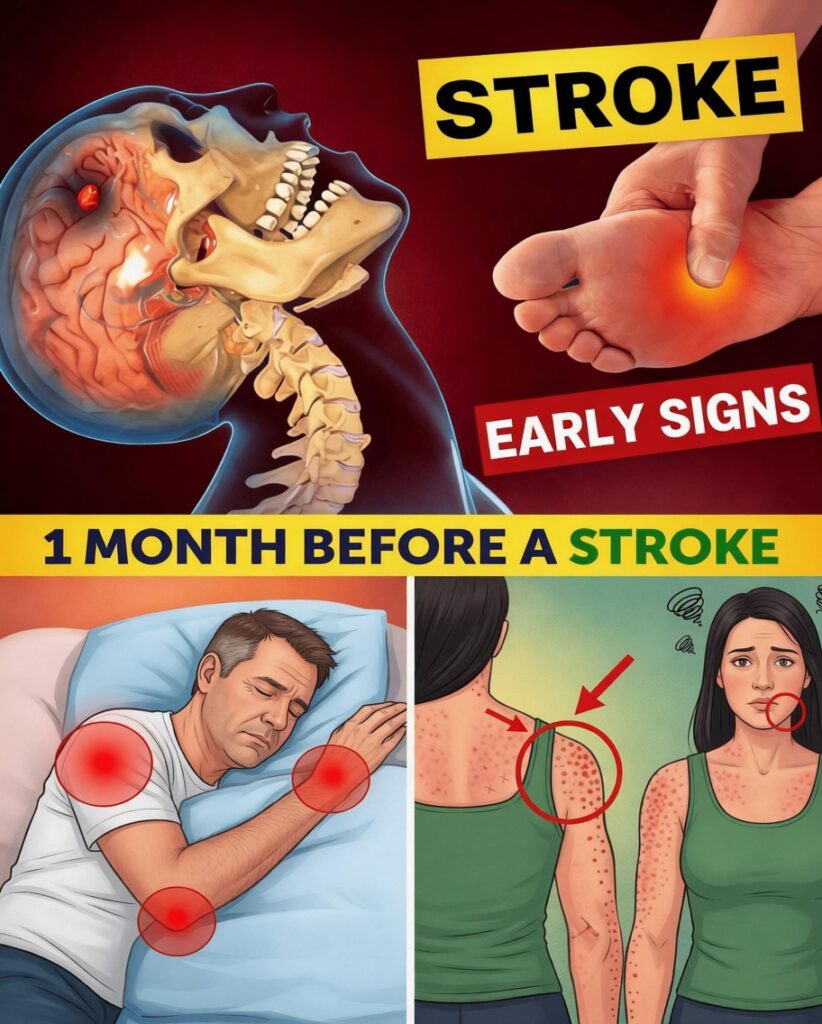
When Sudden Numbness or Dizziness Disrupts Your Day
Unexpected numbness, dizziness, or brief confusion can throw off your routine—turning simple tasks into stressful moments and raising frightening questions about serious conditions like stroke. That uncertainty often fuels anxiety, especially when symptoms come and go and you’re left wondering whether you should worry about your long-term independence.
Recognizing the early warning signs of stroke is one of the most practical ways to protect your health. Stay with this guide to learn what to watch for—and a surprising prevention insight at the end that may motivate your next healthy habit.
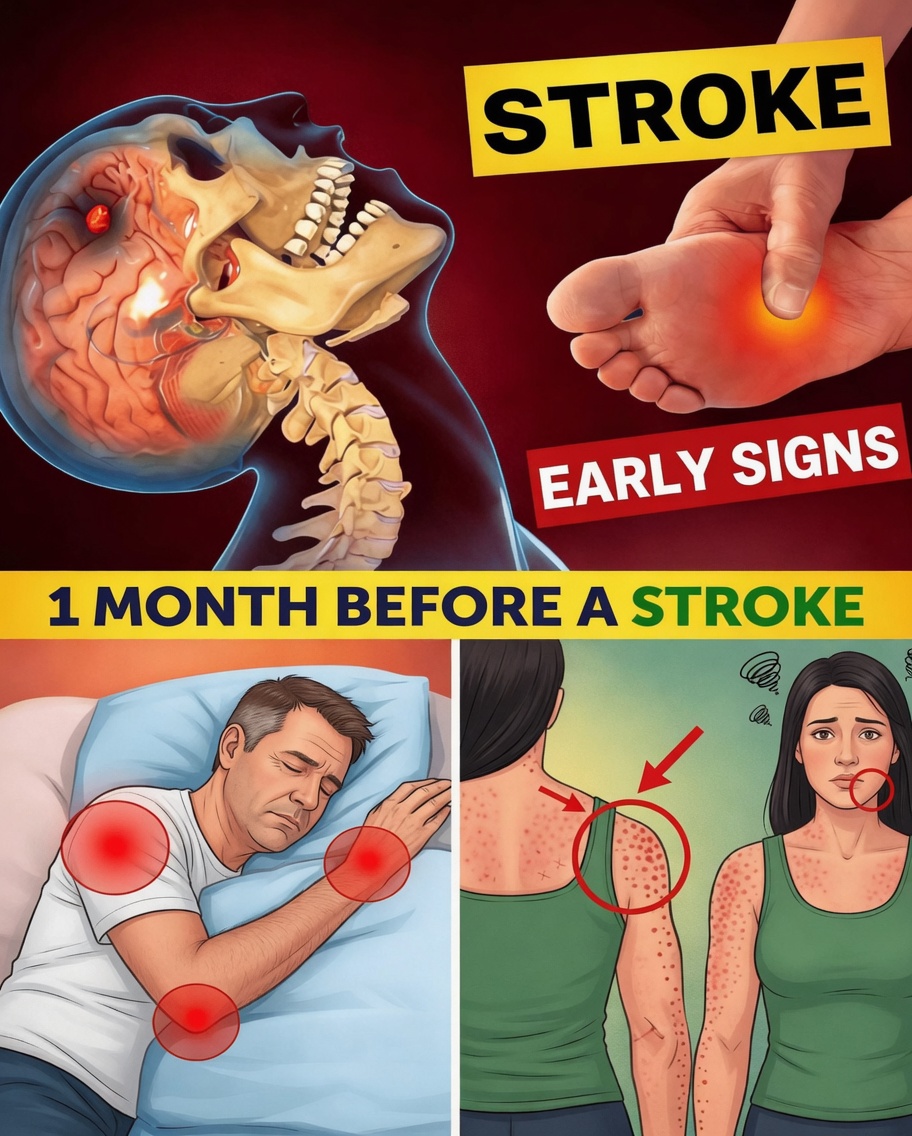
The Rising Stroke Concern in the United States
Stroke affects a huge number of people in America and remains one of the most life-altering medical emergencies—often due to its impact on speech, movement, and daily functioning. What makes stroke especially alarming is that some individuals experience subtle warning signs of stroke days or even weeks beforehand, yet dismiss them as stress, fatigue, or “just getting older.”
Health research consistently suggests that awareness and early response can reduce harm and improve outcomes. Ignoring these signals can lead to regret—particularly if intervention could have happened sooner. The encouraging news is that many tips to prevent stroke are realistic lifestyle changes you can begin right away.
8 Early Warning Signs of Stroke You Should Not Ignore
These warning signs of stroke can be mild or short-lived, which is exactly why they’re so easy to overlook. Many resemble everyday tiredness or minor illness, yet studies indicate that a significant number of people notice symptoms in the weeks leading up to a major event. Paying attention to patterns—and acting quickly—can reduce risk and ease uncertainty.
1) Sudden Weakness or Numbness on One Side of the Body
A numb cheek, drooping face, or sudden weakness in one arm or leg—especially on one side—can be a red flag. Even if it fades quickly, it may signal a temporary disruption in blood flow to the brain.
If you’ve experienced one-sided weakness recently, write down when it happened and how long it lasted. That information can be critical for a clinician.
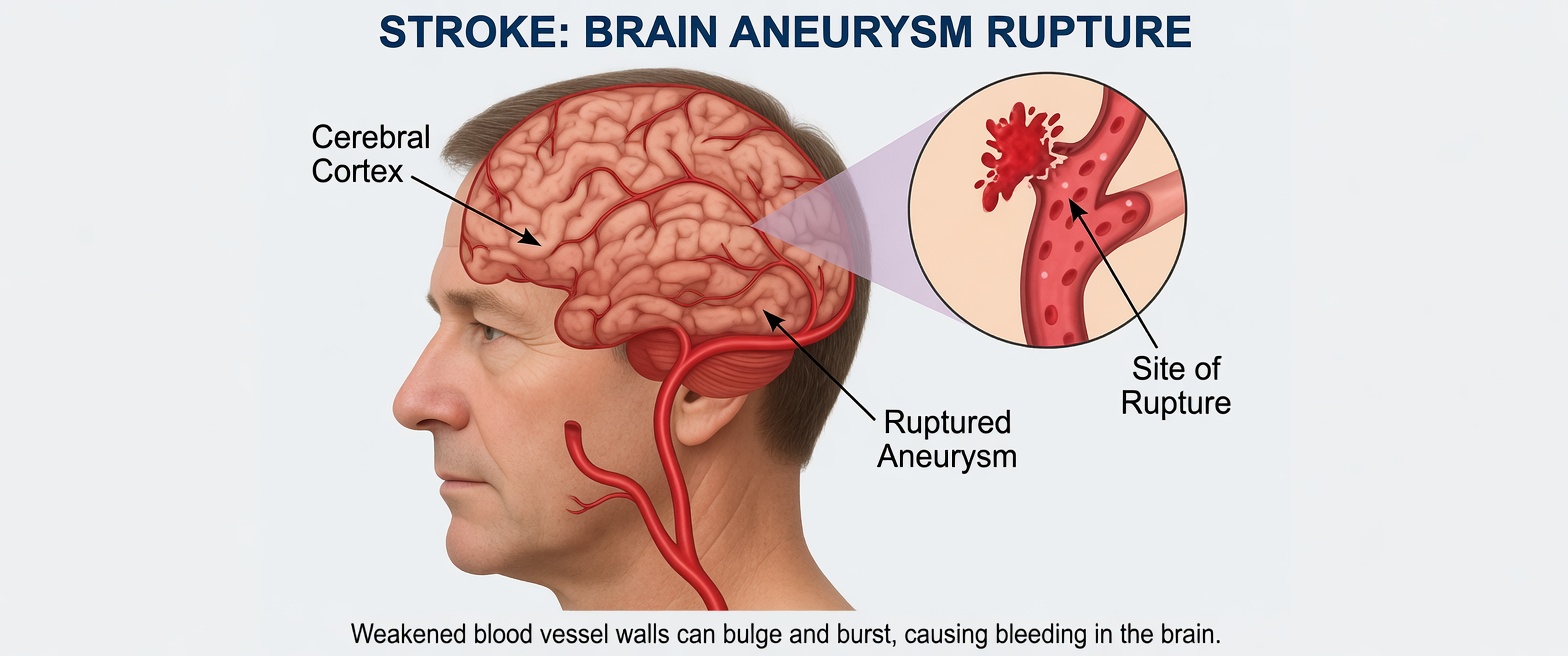
2) Difficulty Speaking or Understanding Language
Slurred speech, trouble finding words, or suddenly not understanding what someone is saying can feel embarrassing and isolating. This is a classic warning sign of stroke, and it can appear in brief episodes before a more serious event.
If conversations suddenly feel confusing or your words don’t come out right, treat it as medically urgent—even if it resolves.
3) Sudden Changes in Vision
Blurred vision, double vision, or loss of vision in one eye can create immediate safety risks (especially when driving or walking). Many people write it off as eye strain, but it can reflect reduced blood supply to areas of the brain involved in vision.
Unexplained vision changes—particularly when paired with other symptoms—should be evaluated promptly.
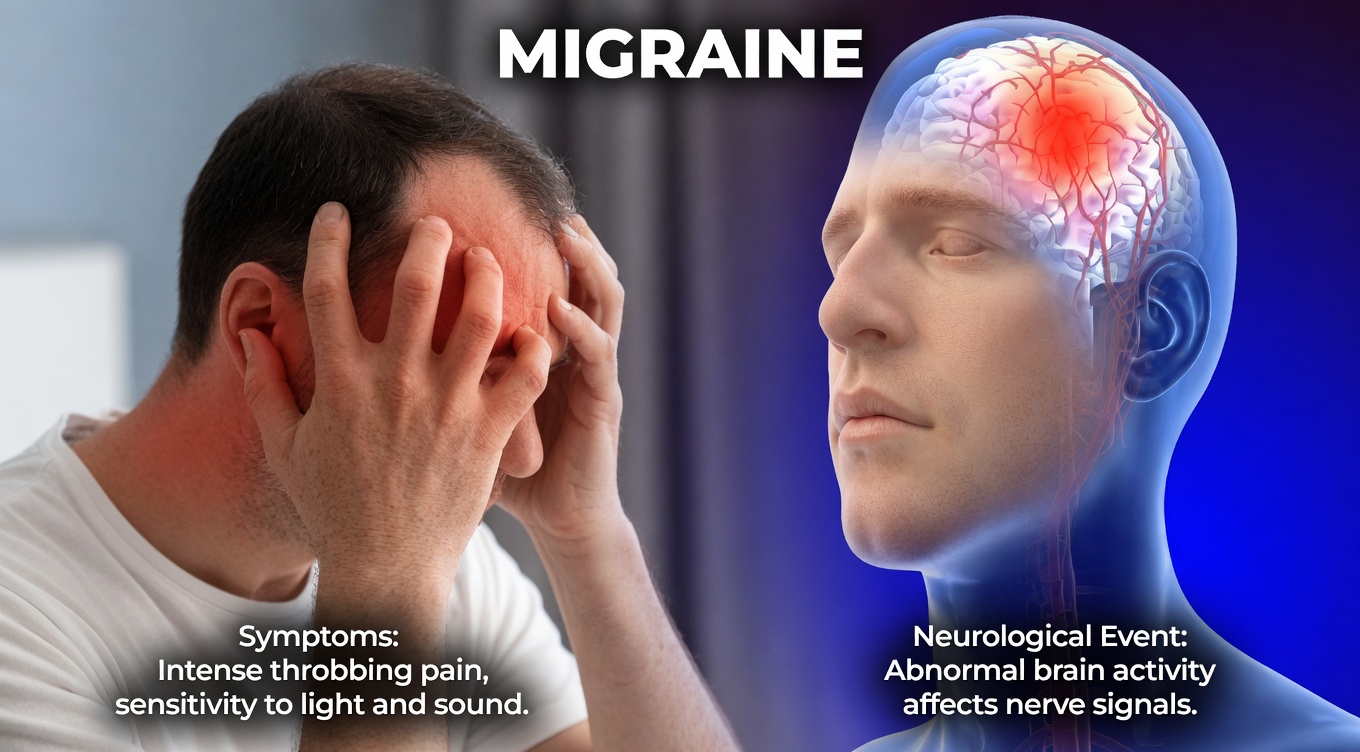
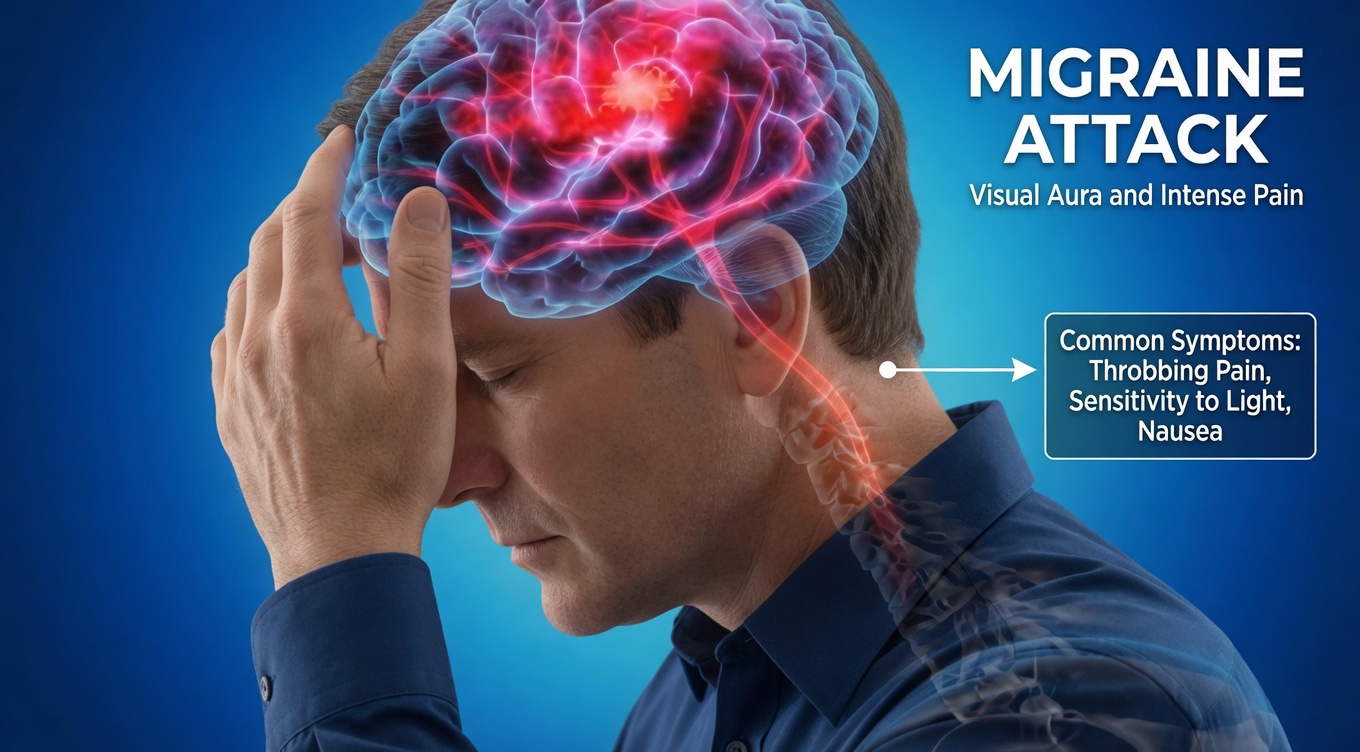
4) A Severe or Unusual Headache
A sudden headache that feels different from your typical headaches—especially if intense and unexplained—can be concerning. Some stroke-related headaches appear abruptly and can be linked to vascular changes.
Because “unusual for you” is an important clue, note how the pain differs from past headaches and whether other symptoms accompany it.
5) Dizziness, Vertigo, or Loss of Balance
Feeling as if the room is spinning, walking unsteadily, or losing coordination can disrupt daily life and increase fall risk. While dizziness can come from ear issues or dehydration, it may also appear as an early stroke signal—especially when combined with other warning signs.
Don’t ignore repeated episodes of sudden imbalance.
6) Sudden Confusion or Memory Problems
Brain fog, difficulty making decisions, or forgetting familiar details can be unsettling. Although it’s easy to blame stress or aging, sudden cognitive changes may reflect a blood flow problem affecting brain function.
If you notice abrupt confusion that’s out of character, take it seriously and seek medical input.
7) Shortness of Breath or Chest Pressure
Breathing difficulty during light activity—or unexplained chest pressure—can raise concerns about heart health and may overlap with stroke risk factors. Some accounts and studies connect these symptoms to cardiovascular issues that can increase stroke likelihood.
Any new chest pressure or shortness of breath deserves urgent medical evaluation.
8) Extreme Fatigue or Noticeable Personality Changes
Unusual exhaustion that doesn’t improve with rest, or mood and personality shifts that feel “not like you,” can be overlooked because they seem non-specific. However, when fatigue clusters with other symptoms, it may increase concern for an underlying problem.
Track persistent fatigue, especially if it comes with neurological changes such as weakness, speech issues, or confusion.

9 Evidence-Based Tips to Prevent Stroke
Prevention is largely about reducing controllable risks—so you spend less time worrying and more time living confidently. These tips to prevent stroke are widely supported by medical guidance and research. Choose one to start today and build from there.
-
Schedule routine health screenings—and respond quickly to warning signs
Regular checkups help track blood pressure, cholesterol, and blood sugar. If you experience any warning signs of stroke (even briefly), report them immediately. -
Treat atrial fibrillation (AFib) early
An irregular heartbeat can increase clot risk. Medical evaluation and appropriate treatment can significantly lower stroke risk. -
Keep alcohol intake moderate
Excess alcohol can raise blood pressure and contribute to stroke risk. Follow recommended limits and avoid binge drinking. -
Quit smoking completely
Tobacco damages blood vessels and accelerates risk. Quitting is one of the most powerful stroke-prevention actions you can take. -
Control blood sugar if you have diabetes
Diabetes significantly increases stroke risk. Monitoring, medication adherence, diet, and movement all help keep glucose stable. -
Manage cholesterol (especially LDL)
Diet changes (more fiber, fewer saturated fats) and medication when needed can reduce artery buildup and improve vascular health. -
Maintain healthy blood pressure
High blood pressure is a major “silent” driver of stroke. Home monitoring plus lifestyle and/or medication adjustments can help you stay on target. -
Adopt a heart-healthy eating pattern
Prioritize vegetables, fruits, legumes, whole grains, lean proteins, and healthy fats. Reduce excess salt and ultra-processed foods to support circulation and inflammation control. -
Move your body consistently
Regular physical activity improves circulation, supports weight management, and helps regulate blood pressure and glucose—key pillars in stroke prevention.
Quick Reference: Key Risk Factors and Targets
- Blood Pressure: Target <130/80 mmHg
- Key action: monitoring + lifestyle changes and/or medication
- LDL Cholesterol: Target <100 mg/dL (individual targets vary)
- Key action: diet changes + possible statin therapy
- Blood Sugar (A1C): Common goal <7% for many people with diabetes (individualized)
- Key action: diet, exercise, medications
- Weight: Target BMI 18.5–24.9 (context-dependent)
- Key action: balanced nutrition + routine activity
Simple Daily Reminders That Make a Difference
- Check your blood pressure regularly (at home or at a pharmacy)
- Move most days of the week
- Eat more plant-based foods and reduce salt intake
Safe Steps to Take Today
If you notice any warning signs of stroke, call emergency services immediately—even if symptoms disappear. Brief episodes may be a transient warning and still require urgent care.
To apply these tips to prevent stroke in a practical way:
- Keep a symptom journal (time, duration, what you felt, what you were doing)
- Begin with a daily 30-minute walk (or shorter sessions if needed)
- Use a food-tracking app to reduce sodium and increase fiber
- Ask your healthcare provider for a plan tailored to your conditions and medications
Take Charge of Your Brain Health
Knowing the 8 warning signs of stroke—and following these 9 tips to prevent stroke—puts you in a stronger position to protect your brain and your independence. Small consistent changes can add up to major long-term benefits.
P.S. The surprising fact: quitting smoking can significantly reduce stroke risk within just one year.
FAQ
What should I do if I notice one of these warning signs of stroke?
Seek emergency medical help immediately, even if the symptom goes away. A brief episode can still indicate a serious event or an impending stroke.
How does daily exercise support stroke prevention?
Regular movement improves circulation, helps control weight, lowers blood pressure, and supports healthier blood sugar levels—all major factors in reducing stroke risk.
Are there specific foods that help with stroke prevention?
A heart-healthy diet emphasizing vegetables, fruit, legumes, whole grains, and healthy fats (while limiting salt and ultra-processed foods) supports healthier blood vessels and reduces key risk factors.