Stiff, Aching Knees in the Morning? What Really Helps Knee Cartilage Health
Waking up with tight, painful knees can turn ordinary movements—standing, walking, using stairs—into a struggle. For many adults over 45, gradual cartilage wear leads to ongoing discomfort, fewer enjoyable activities, and real concerns about long-term independence. Adding to that stress are viral promises of “rebuilding cartilage overnight” with a single miracle food—claims that almost always end in disappointment.
The truth is less dramatic but far more dependable: no single food can restore knee cartilage health in 24 hours. Cartilage repairs slowly (and sometimes not at all) because it has very limited blood supply. Still, research suggests that consistent nutrition choices can help protect existing cartilage, calm inflammation, and support joint comfort over time. Below are nine evidence-informed foods that may contribute meaningfully to better knee cartilage health.
Why “Overnight Rebuild” Claims Don’t Match Reality
That grinding sensation or sharp twinge with each step is a reminder of how essential knee cartilage health is. Unfortunately, cartilage doesn’t receive nutrients the way muscle or skin does—it lacks direct blood flow, so healing is inherently slow. Leading medical guidance is clear: there is no dietary shortcut that reverses years of wear in a single day.
What nutrition can do is support a slower, protective approach. Over weeks and months, an eating pattern that emphasizes anti-inflammatory nutrients may help reduce symptoms and support the tissues that keep joints working smoothly. In joint health, consistency beats hype.
9 Foods Research Suggests May Support Knee Cartilage Health
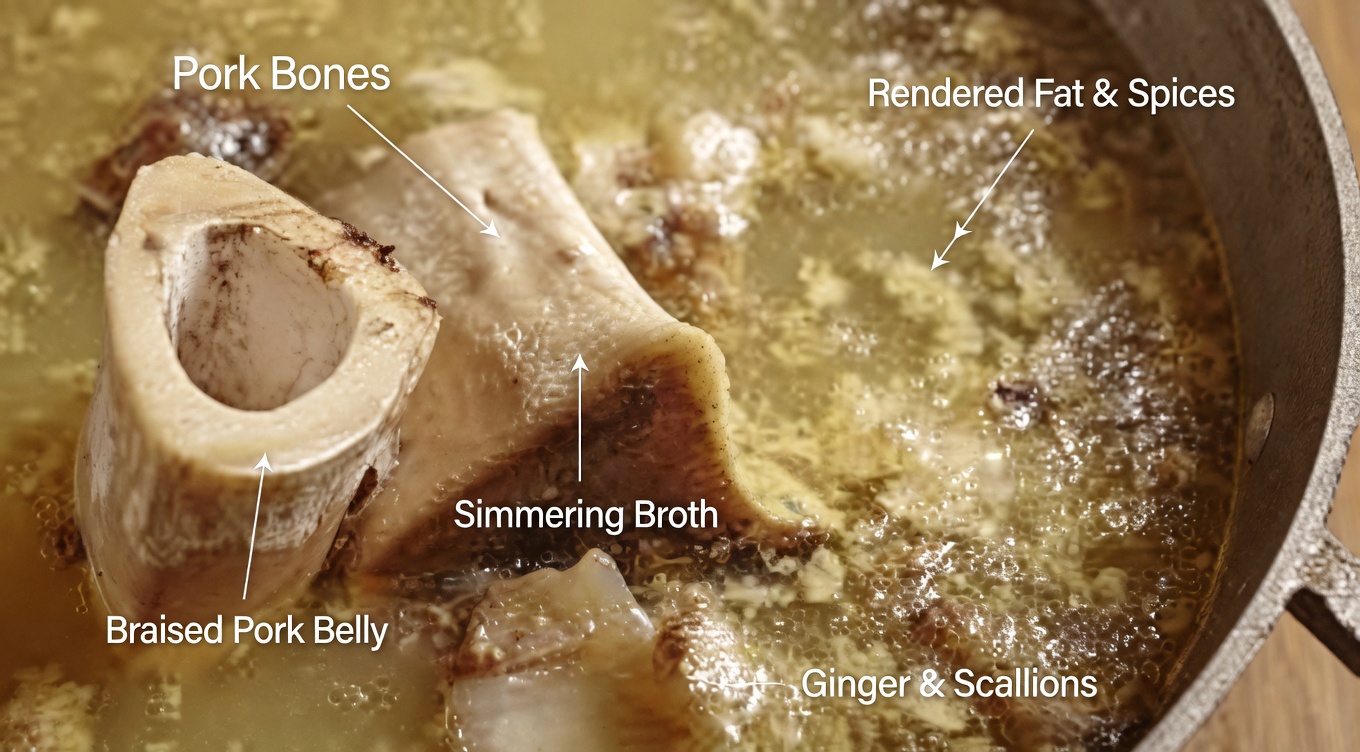
9. Bone Broth (Collagen and Gelatin Support)
A warm cup of bone broth can feel soothing on days when knee cartilage health issues make mornings rough. When bones are simmered for hours, they release collagen and gelatin, which some studies associate with improved joint comfort and lubrication. This isn’t a cartilage “rebuild,” but regular intake may support overall joint function.
- Simple idea: Prepare a large batch and drink a small serving daily or use it as a soup base.
8. Fatty Fish (Omega-3 Fatty Acids)
Inflammation often intensifies knee stiffness and soreness. Salmon, mackerel, sardines, and trout are rich in omega-3s, and multiple clinical trials link omega-3 intake to reduced inflammation and improved joint stiffness—a practical win for knee cartilage health support.
- Simple idea: Aim for two servings per week, baked, grilled, or added to salads.
7. Citrus Fruits (Vitamin C for Collagen Formation)
If your stiffness lingers into the morning, it can drain your energy quickly. Oranges, grapefruit, lemons, and limes provide vitamin C, a key nutrient required for collagen production—the protein framework that supports cartilage structure. Higher vitamin C intake is associated in observational research with better joint tissue outcomes over time.
- Simple idea: Add lemon to water or include citrus with breakfast.
6. Turmeric (Curcumin and Inflammation Modulation)
Chronic knee pain can make hobbies and exercise feel out of reach. Turmeric contains curcumin, a compound widely studied in osteoarthritis. Meta-analyses report modest improvements in pain and inflammation, which may indirectly support knee cartilage health by reducing stress on the joint.
- Simple idea: Make “golden milk” with turmeric and a pinch of black pepper (often used to improve absorption).
5. Leafy Greens (Antioxidants and Protective Plant Compounds)
Oxidative stress can contribute to cartilage breakdown, increasing concerns about knee cartilage health. Spinach, kale, arugula, and Swiss chard deliver vitamins (including A, C, and K) and plant compounds such as sulforaphane, which research suggests may help counter inflammation and support joint tissue protection.
- Simple idea: Toss greens into smoothies or sauté them as a fast side dish.
4. Berries (Polyphenols and Anthocyanins)
Unpredictable swelling and flare-ups can make it hard to stay active. Blueberries, strawberries, raspberries, and blackberries contain anthocyanins and other polyphenols linked in lab and human studies to lower inflammatory markers, offering gentle, ongoing support for knee cartilage health.
- Simple idea: Keep frozen berries for quick snacks, oatmeal, or yogurt.
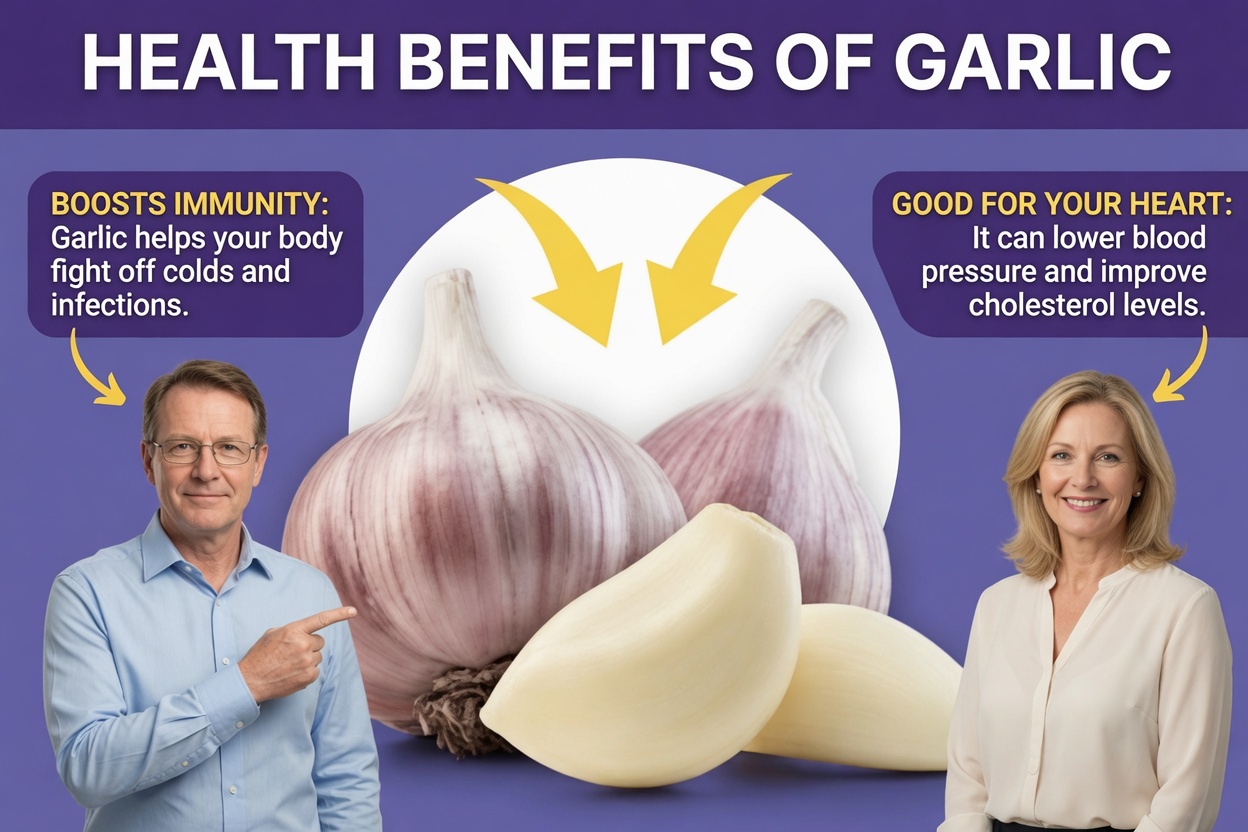
3. Garlic (Sulfur Compounds and Cartilage Defense)
When knee problems limit time with friends and family, frustration grows fast. Garlic contains sulfur compounds (including diallyl disulfide) that early research suggests may help inhibit processes involved in cartilage breakdown.
- Simple idea: Roast garlic for a milder flavor and add it to sauces, soups, and spreads.
2. Nuts (Magnesium and Healthy Fats)
When surrounding muscles tighten around a painful joint, discomfort often increases. Almonds, walnuts, and Brazil nuts provide magnesium (linked to joint fluid support, including hyaluronic acid pathways) and healthy fats that may help reduce inflammation affecting knee cartilage health.
- Simple idea: Choose a small handful as an afternoon snack (portion control matters).
1. A Balanced Anti-Inflammatory Eating Pattern (The Strongest Long-Term Strategy)
No single ingredient is “magic,” but a consistent, varied diet can create powerful synergy. A colorful, nutrient-dense plate built around the foods above—along with maintaining a healthy weight—has the most credible evidence for supporting knee cartilage health and long-term joint comfort.
Nutrient Snapshot: How These Foods May Help Knee Cartilage Health
| Nutrient | Key Sources | Potential Joint Role | Evidence Level |
|---|---|---|---|
| Collagen / Gelatin | Bone broth | May support lubrication and reduce discomfort | Anecdotal + some clinical trials |
| Omega-3s | Fatty fish | Helps reduce inflammation | Strong (multiple RCTs) |
| Vitamin C | Citrus, berries | Supports collagen synthesis | Observational + biochemical |
| Curcumin | Turmeric | Anti-inflammatory effects | Good (meta-analyses) |
| Antioxidants | Leafy greens, berries | Helps counter oxidative stress | Promising reviews |
| Sulfur compounds | Garlic | May help inhibit cartilage-degrading activity | Preliminary lab findings |
| Magnesium | Nuts | Supports pathways related to joint cushioning | Observational |
Practical Ways to Add These Foods to Your Week
Small changes tend to stick better than an all-at-once overhaul:
- Morning: Citrus fruit or a berry smoothie with a handful of spinach
- Lunch: Salmon salad with leafy greens and a garlic-based dressing
- Snack: A small portion of nuts
- Dinner: Turmeric-seasoned soup using bone broth as the base
- Evening (optional): Warm turmeric “golden milk”
Pair nutrition with joint-friendly habits such as walking, swimming, or cycling, and focus on weight management when needed—reducing body weight can significantly decrease stress on the knees.
The Bottom Line on Knee Cartilage Health
No food rebuilds knee cartilage in 24 hours—that claim is a myth. However, a consistent anti-inflammatory diet rich in supportive nutrients may help protect existing cartilage, reduce daily discomfort, and improve quality of life over time. Start by adding one or two foods this week, then build gradually.
Frequently Asked Questions
Can any food rebuild lost knee cartilage?
Current evidence does not support rapid or complete cartilage regeneration from diet alone. Nutrition may help maintain existing tissue and slow further wear.
How long does it take to notice improvements from diet?
If benefits occur, they typically appear after weeks to months of consistent eating patterns and lifestyle support.
When should I see a doctor for knee pain?
Seek professional care for pain that persists, swelling, instability, locking, or difficulty bearing weight.
This article is for informational purposes only and does not provide medical advice. Consult a qualified healthcare professional before making dietary changes, especially if you have medical conditions or take medications.