Many men in their 50s and beyond quietly cope with frustrating urinary changes that chip away at daily comfort—waking repeatedly at night to urinate, dealing with a weak or hesitant stream, and never feeling fully “finished.” Over time, these disruptions can reduce energy, increase stress, and undermine confidence.
If you’re done dismissing these symptoms as “just aging,” nettle for prostate health is a long-used, plant-based option many people choose for gentle support. Even better, it’s easy to prepare in ways that can fit into your routine starting today.
Why Nettle Is Popular for Prostate Health Support
When prostate-related urinary issues interrupt sleep and peace of mind, nettle can feel like a practical, natural next step. This common-looking plant has a long history in traditional wellness, especially for men seeking prostate health support as they get older.
What makes nettle particularly relevant is its profile of bioactive compounds found in both the leaves and the root—including phytosterols, lignans, flavonoids, and antioxidants. These compounds may help support pathways connected to urinary comfort and hormone balance.
The Science Behind Nettle and Prostate Support
Research into nettle for prostate health is promising, largely because nettle root contains compounds that may influence enzymes involved in hormone metabolism. One frequently discussed mechanism is support for inhibiting 5-alpha reductase—the enzyme that converts testosterone into DHT (dihydrotestosterone), a hormone associated with prostate tissue changes in many men.
Clinical research and reviews suggest nettle—often used alone or alongside other herbs—may support:
- Improved urinary flow
- More complete bladder emptying
- Better overall quality of life related to urinary symptoms
At the same time, it’s important to keep expectations realistic. Nettle is best viewed as complementary support, not a guaranteed cure or replacement for medical evaluation.
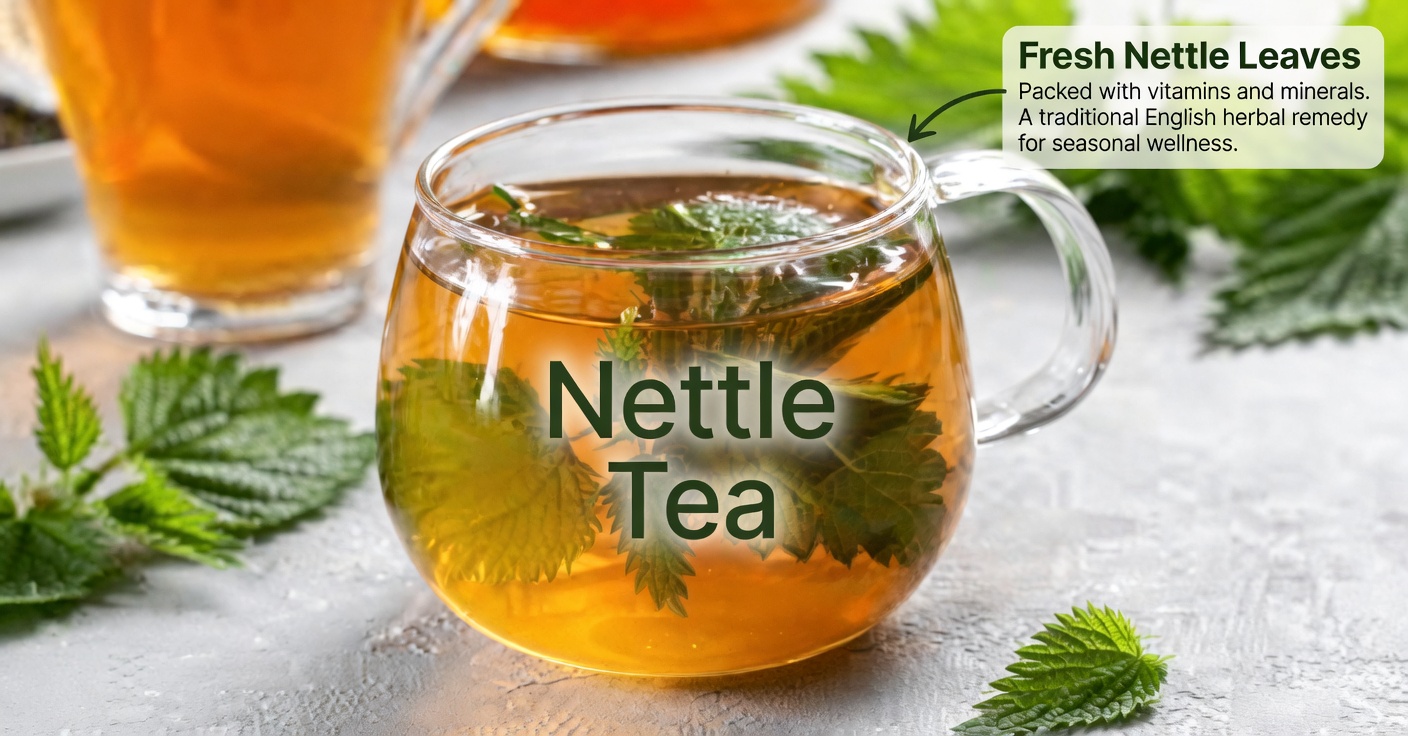
Key Compounds in Nettle That May Support Prostate Health
Nettle’s usefulness is usually linked to its naturally occurring plant compounds, including:
- Phytosterols: May help support hormone-related pathways tied to prostate comfort
- Lignans: Contribute to antioxidant protection for urinary tract tissues
- Flavonoids: May offer mild anti-inflammatory support for day-to-day ease
- Minerals (including potassium): Support fluid balance and overall wellness
How to Make Nettle Tea for Everyday Support
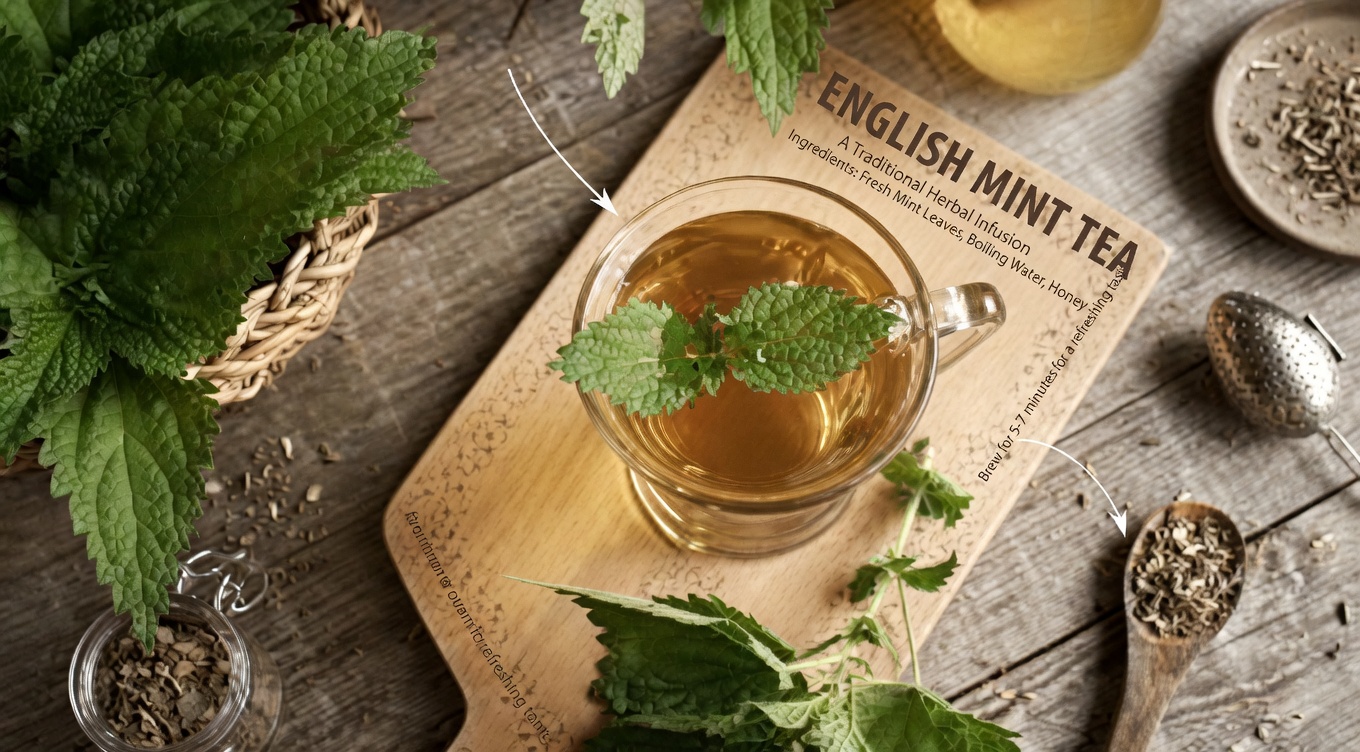
A simple way to use nettle for prostate health is as a daily tea—easy to make at home and simple to build into a morning or after-meal ritual. Many people enjoy it as a soothing routine that supports urinary comfort without feeling complicated.
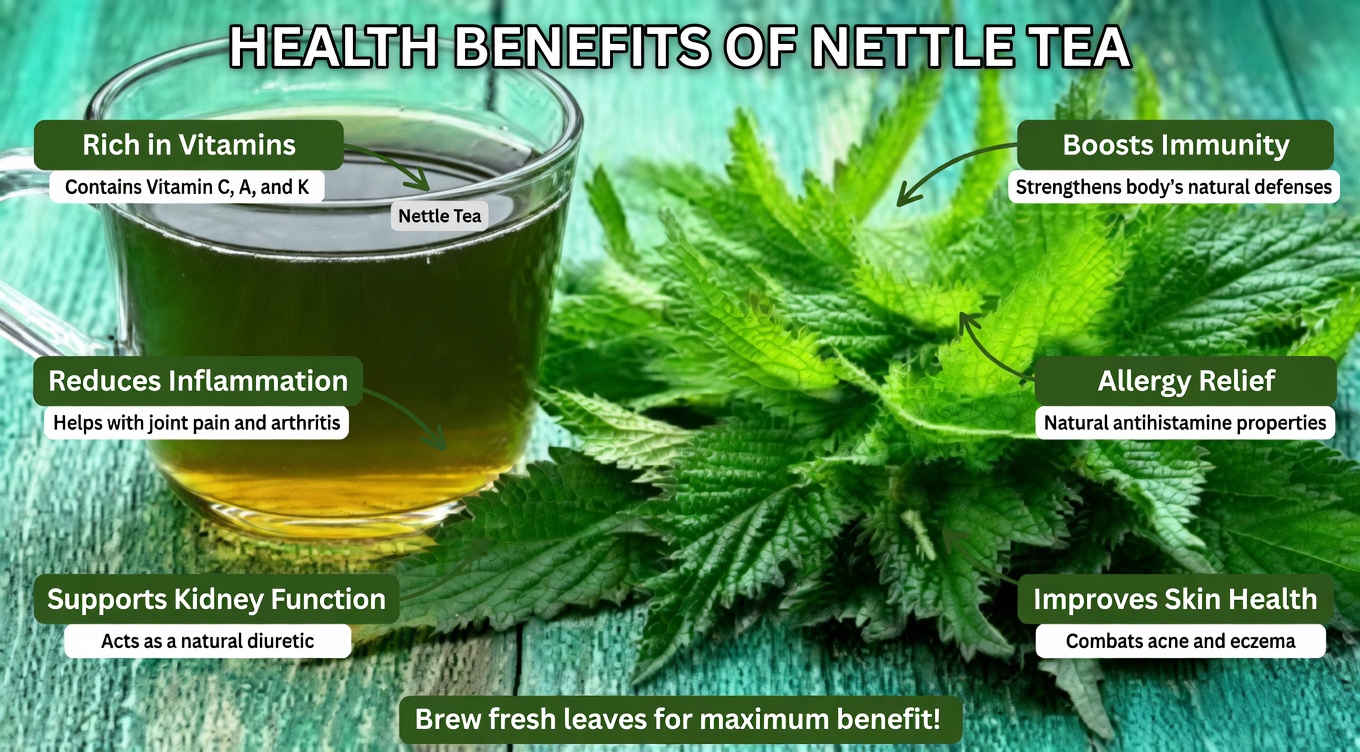
Easy Nettle Tea Recipe (About 1 Liter / 4 Servings)
Ingredients
- 1 handful of fresh or dried nettle leaves
- If using fresh nettle, wear gloves to avoid stings
- 1 liter filtered water
- Optional: lemon slice or a small amount of honey
Steps
- Rinse the nettle leaves gently under cool water.
- Bring the water to a boil, then add the leaves. Reduce heat and simmer for 10–15 minutes.
- Turn off the heat, cover, and let it steep for another 5 minutes.
- Strain into a cup and drink warm. Add lemon or honey if desired.
Routine tip: For nettle for prostate health support, many people start with 1 cup per day after meals, then adjust based on how they feel. Choose high-quality nettle from a trusted source.
Important Precautions Before Using Nettle
While nettle is generally well tolerated, using nettle for prostate health should still be done thoughtfully—especially if you already manage medical conditions or take prescription medications.
Talk with a healthcare professional before adding nettle if you take medications related to:
- Blood pressure
- Diabetes
- Blood thinning (anticoagulants/antiplatelets)
- Diuretics or prostate-related prescriptions
People who are pregnant or breastfeeding should avoid nettle due to potential hormone-related effects.
Common Considerations
- Digestive sensitivity: Some people notice mild stomach upset; taking it with food may help
- Allergic reactions: Uncommon, but possible—start with a small amount first
- Drug interactions: Nettle may amplify effects of some diuretics or other medications
- Product quality: Opt for reputable, preferably organic sources to reduce contaminant risk
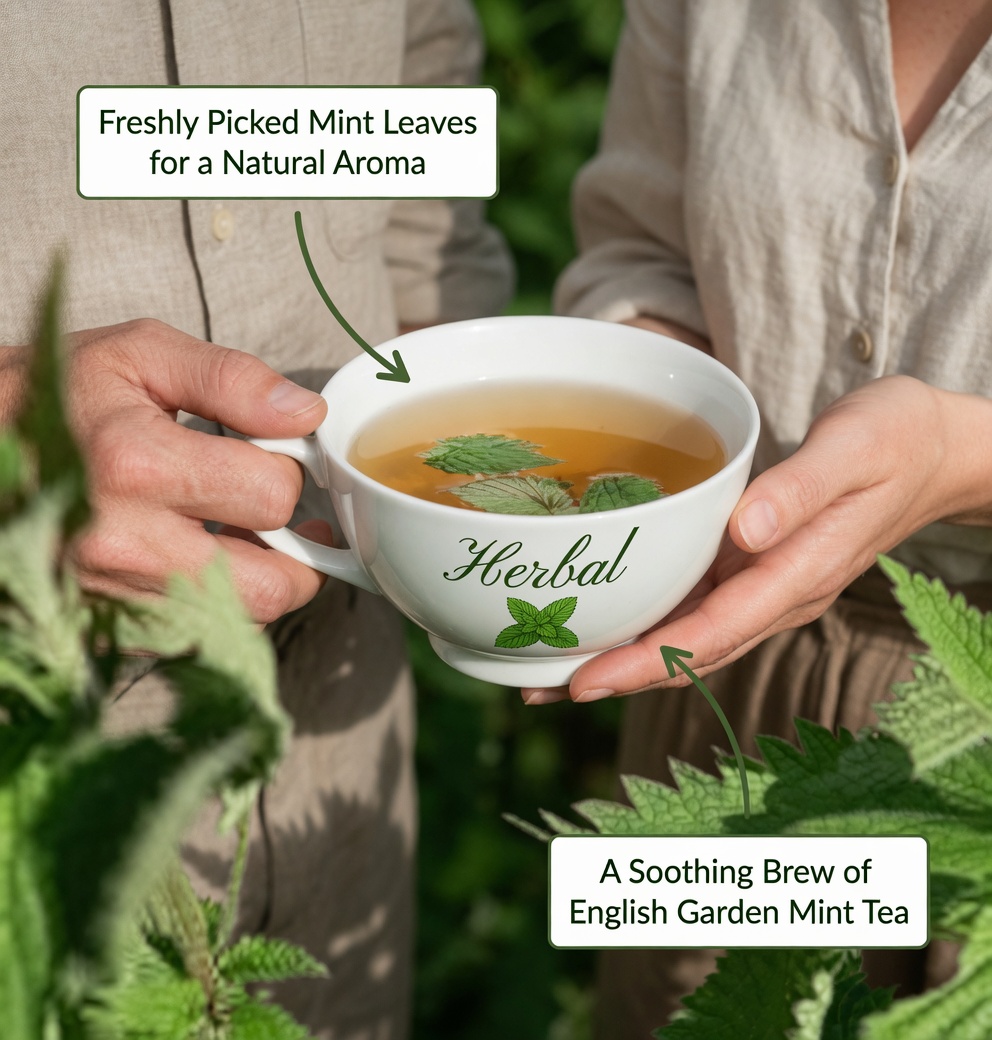
Other Ways to Use Nettle for Prostate Health
Tea isn’t the only option. If you prefer convenience or consistent dosing, nettle is also available as:
- Capsules (simple, measured amounts)
- Tinctures (liquid extracts)
Some people also add nettle leaves to soups or smoothies, turning prostate health support into a nourishing habit rather than a chore. For best results, consistency matters—many men report more noticeable changes after several weeks of regular use.
Conclusion: Nettle as a Gentle Ally for Prostate Health
Nettle for prostate health offers a plant-based approach rooted in traditional use and supported by emerging research. For men dealing with everyday urinary frustrations, it may provide a helpful, gradual kind of support—especially when paired with smart lifestyle habits and professional guidance.
Whether you choose a calming cup of tea or a standardized supplement, nettle can be a practical addition to a prostate-friendly routine—without replacing proper medical care.
FAQ: Nettle for Prostate Health
Is nettle safe for long-term prostate support?
For most healthy adults, nettle is considered safe when used appropriately. Still, long-term use is best discussed with a clinician—especially if you’re monitoring prostate symptoms or taking ongoing medications.
How quickly might nettle help with urinary symptoms?
Results vary. Some men report changes such as improved urinary flow within 4–6 weeks of consistent daily use. Hydration, diet, sleep, and stress can also influence outcomes.
Can nettle be combined with other herbs for prostate support?
Often, yes. Nettle is commonly paired with herbs such as saw palmetto in traditional formulas. Because combinations can affect medications and individual health needs, confirm with a healthcare professional before stacking supplements.