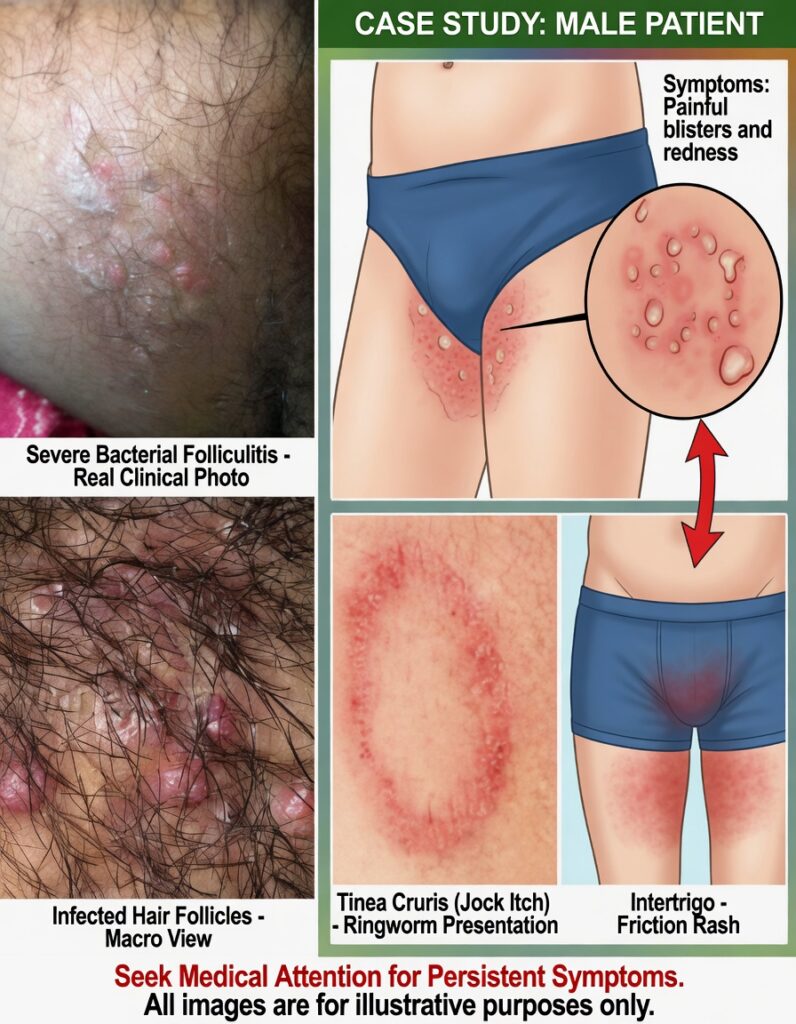
Overview: Why Intimate Fungal Infection Symptoms Shouldn’t Be Ignored
Occasional discomfort in the intimate area is common, so many people assume it’s just short-term irritation or extra sensitivity. However, signs of a fungal infection in the intimate area can build gradually and quietly—affecting self-confidence, everyday comfort, and intimate relationships. When left unaddressed, symptoms often become more persistent, disruptive, and frustrating.
Understanding the most common signs of a fungal infection in the intimate area can help you recognize what’s happening and decide when to take action—especially if you’ve noticed subtle changes recently.
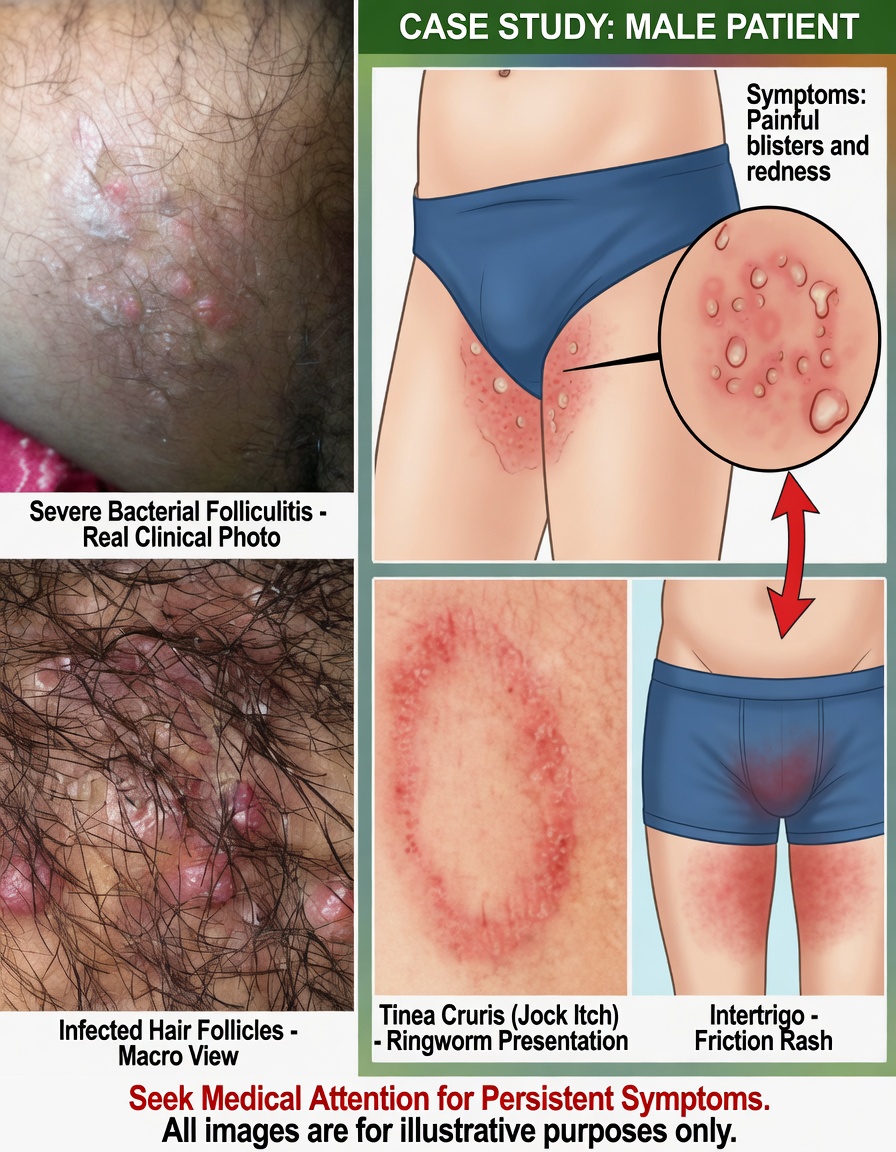
1) Intense Itching and Ongoing Irritation
One of the earliest and most uncomfortable signs of a fungal infection in the intimate area is persistent itching. It can feel nonstop and make it difficult to concentrate, sleep well, or feel comfortable in your body.
Many people initially blame underwear, shaving, or heat—but the urge to scratch often becomes stronger over time. Clinicians commonly link this intense itch to yeast overgrowth irritating delicate tissues. Recognizing itching as a potential fungal symptom is often the first step toward relief.

2) Burning or Stinging Sensation
A burning or stinging feeling—especially during movement, after bathing, or when sweating—is another frequent sign of a fungal infection in the intimate area. Friction can intensify the discomfort, making normal daily activities feel unpleasant.
It’s easy to suspect soaps, laundry detergents, or fabrics at first. But in many cases, the burning reflects inflammation triggered by infection. Identifying it early can help prevent worsening irritation.

3) Thick, White Discharge (Common in Women)
For many women, a key sign of a fungal infection in the intimate area is unusual discharge that looks thick, white, and clumpy—often compared to cottage cheese. It typically appears without a strong odor, which can help distinguish it from other concerns.
Changes in discharge can be worrying, yet they’re sometimes dismissed as temporary. This symptom is closely associated with Candida (yeast). Paying attention to discharge patterns can help you spot a developing infection sooner.

4) Redness and Swelling
Red, inflamed, or swollen skin around the vulva, groin, or surrounding folds is a visible sign of a fungal infection in the intimate area that can affect both women and men. The skin may feel tender, sensitive, or sore to the touch—especially in warm, moist areas.
At first, tight clothing may seem like the cause. Still, redness and swelling often reflect the body’s inflammatory response to fungal overgrowth. Noticing this can encourage gentler hygiene and care until symptoms improve.

5) Rash, Flaking, or General Soreness
A fungal rash may look bumpy, red, and clearly edged, or it may feel like ongoing soreness with itching and mild flaking. In men, similar symptoms can resemble jock itch, and physical activity may start to feel uncomfortable due to friction.
Moisture and skin-to-skin rubbing can worsen this classic sign of a fungal infection in the intimate area. Treating the rash appropriately is often essential for restoring comfort.
6) Pain or Stinging During Urination
A sharp sting while urinating can be distressing and embarrassing. This sign of a fungal infection in the intimate area often happens when urine comes into contact with inflamed external tissues, rather than being caused by the urinary tract itself.
Many people assume it must be a urinary infection—but external irritation from yeast or fungal inflammation can produce similar discomfort. If this symptom persists, it deserves timely professional guidance.
7) Discomfort During Intimacy
When the area is inflamed, sexual activity can become painful or overly sensitive. This common sign of a fungal infection in the intimate area can strain closeness, create confusion between partners, and reduce confidence.
The infection may become a barrier without obvious warning. Recognizing the cause can help couples address the issue sooner and return to comfort.
8) Mild but Unusual Odor
A slightly yeasty or musty smell—even if not strong—can be a subtle sign of a fungal infection in the intimate area, especially when it appears alongside itching, burning, or changes in discharge.
This symptom can lead to unnecessary worries about hygiene. Often, it reflects an imbalance in the natural environment rather than poor cleanliness. Tracking odor changes can provide useful clues when deciding whether to seek support.
Practical Ways to Manage and Help Prevent Recurrence
Simple daily habits can support intimate comfort and lower the risk of recurring intimate fungal infection symptoms:
- Choose breathable cotton underwear to improve airflow and reduce trapped moisture.
- Avoid overly tight clothing that holds heat and sweat against the skin.
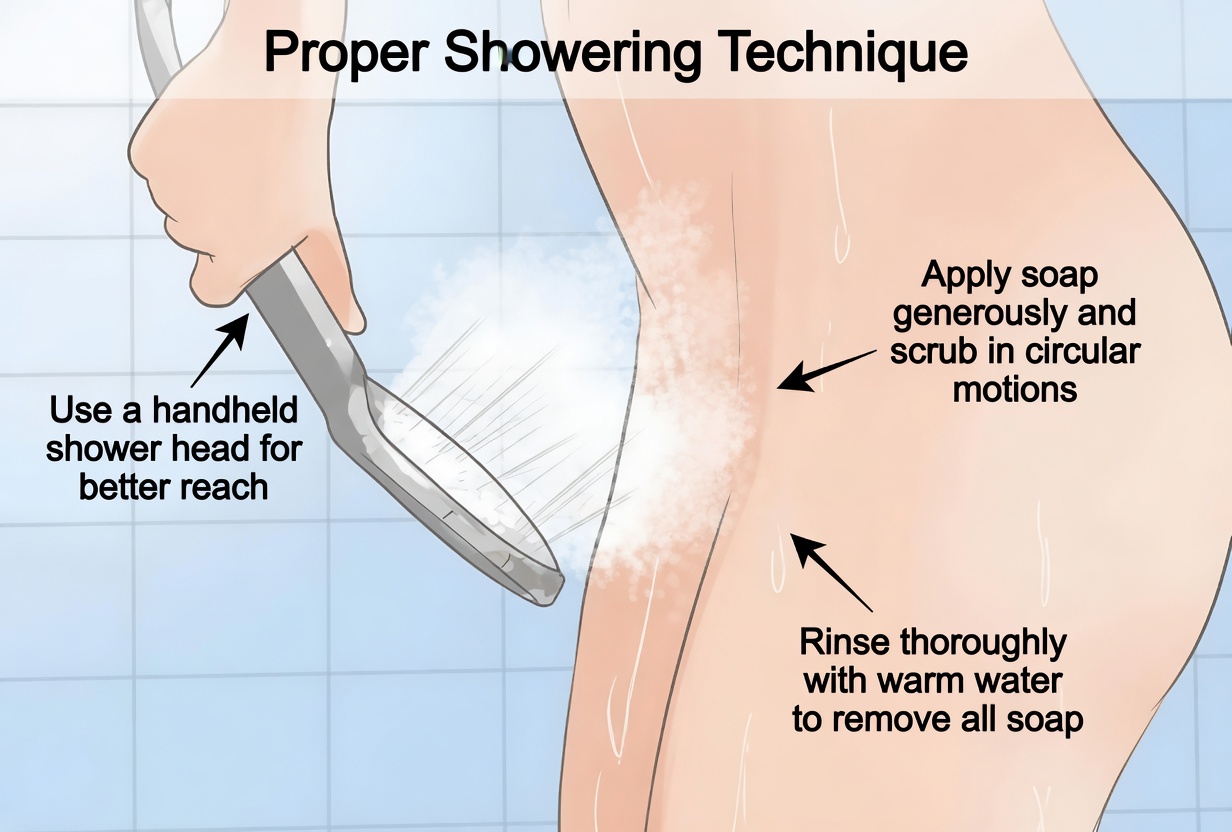
- Cleanse gently using unscented products, then pat dry thoroughly.
- Change out of wet clothing quickly, especially after workouts or swimming.
- Support a balanced diet, limiting excess sugar that may encourage yeast growth.
These steps may help both with prevention and with managing mild symptoms.
When to See a Healthcare Provider
Consider professional evaluation if signs of a fungal infection in the intimate area:
- last longer than one week
- return frequently (recurring episodes)
- come with fever, severe pain, or worsening symptoms
Over-the-counter treatments are available in many places, but confirmation helps ensure the right approach—especially because other conditions can mimic similar symptoms.
Conclusion
The body often signals imbalance through clear changes. The eight most common signs of a fungal infection in the intimate area—itching, burning, thick discharge, redness, rash, pain during urination, discomfort during intimacy, and unusual odor—can affect daily comfort and emotional well-being. Early awareness is one of the most effective paths back to confidence and relief.
FAQ
Are fungal infections in the intimate area contagious?
They can spread through close contact, but many cases develop due to internal factors such as changes in the natural balance of microorganisms.
Who is more likely to experience signs of a fungal infection in the intimate area?
Symptoms are more common in people who are pregnant, have diabetes, or are taking antibiotics, as these factors can increase the likelihood of yeast overgrowth.
Can these signs go away without treatment?
Mild cases may improve with hygiene and moisture-control habits, but persistent or recurring symptoms often respond better with professional evaluation and targeted care.