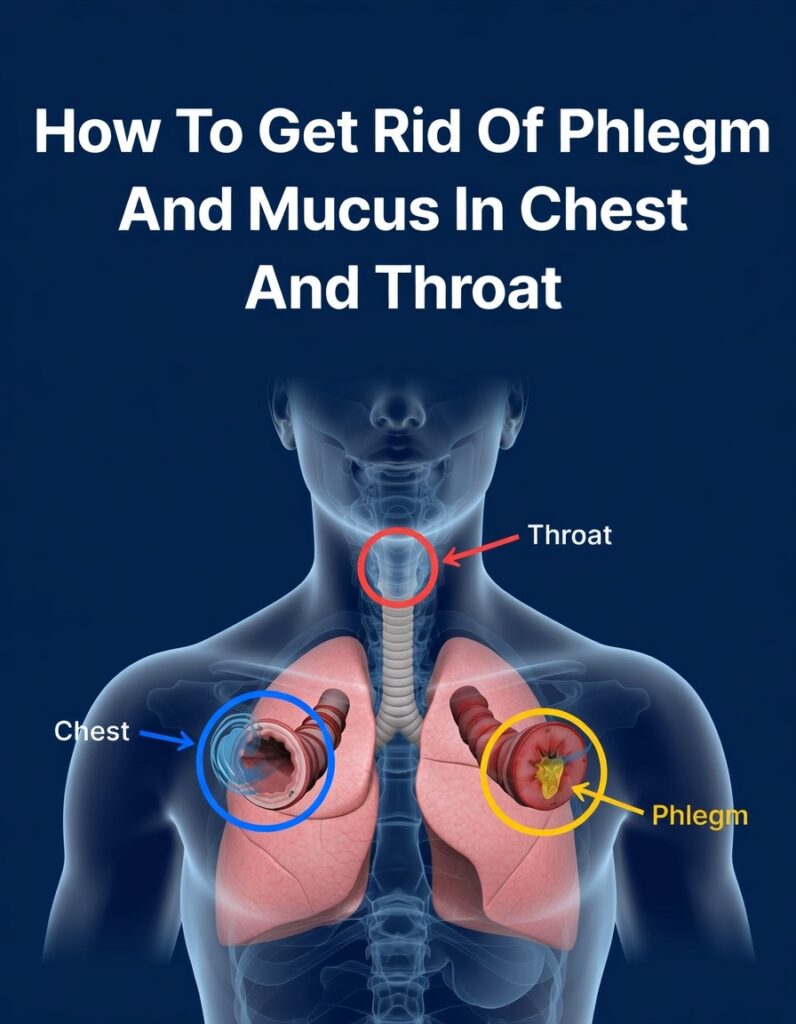
That thick, sticky sensation in your throat—or the weighty congestion sitting in your chest—can be miserable, especially when it disrupts breathing, sleep, or even simple conversation. In many situations, excess mucus (often called phlegm when it’s coming from the lower airways) is a normal defense response to colds, allergies, and environmental irritants. The encouraging part: a few practical, at-home steps can help thin mucus, loosen it, and make it easier to clear.
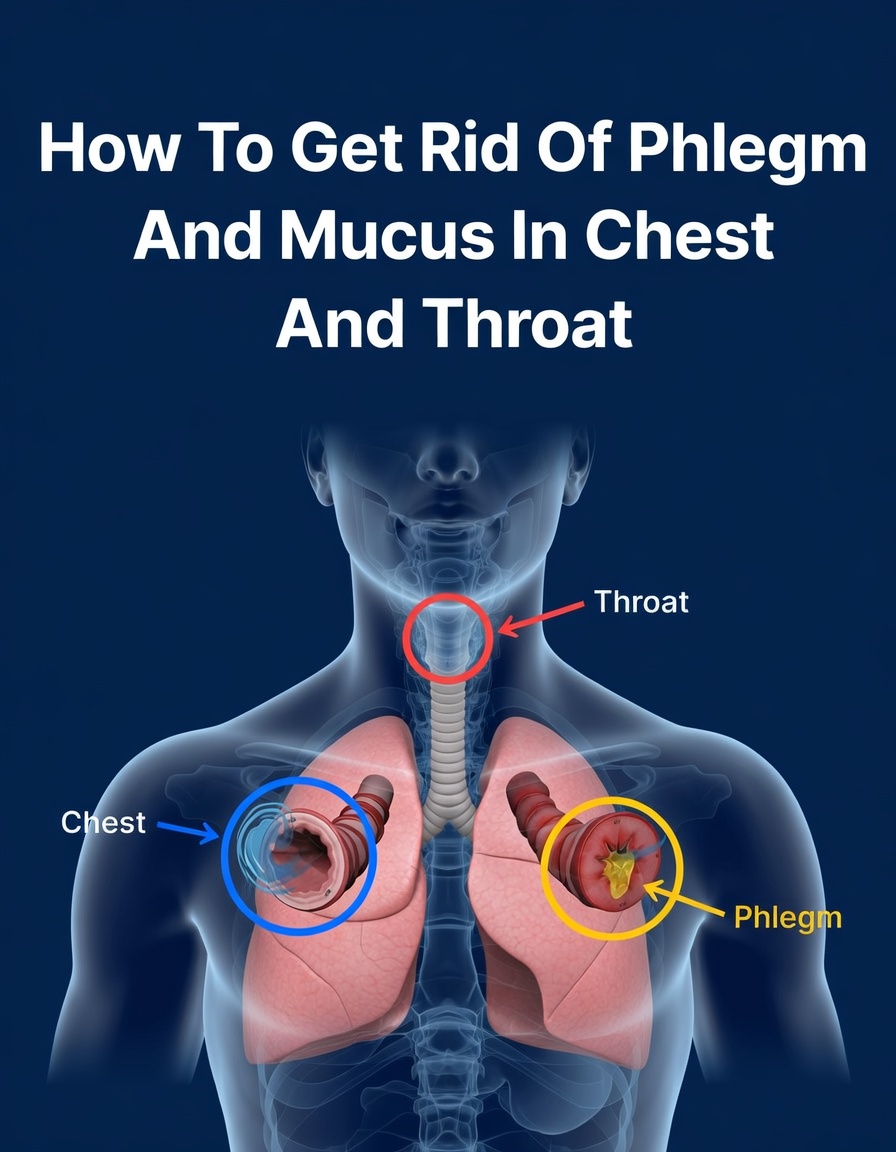
When to See a Doctor Immediately
Reach out to a healthcare professional as soon as possible if you notice any of the following:
- A cough lasting longer than 3 weeks
- Green, yellow, or bloody phlegm
- Fever above 100.4°F (38°C)
- Shortness of breath, wheezing, or chest pain
- Symptoms that suddenly get worse
These warning signs may point to bronchitis, pneumonia, or another condition that requires medical assessment.

7 Effective Natural Ways to Clear Phlegm and Mucus
1. Hydrate Well (Warm Drinks Help Most)
One of the simplest ways to loosen thick mucus is to drink more fluids. Hydration helps make secretions less sticky so your body can clear them more easily. Warm beverages can be especially helpful because heat may soothe and loosen buildup.
Try:
- Warm water with lemon and honey (adults only—never give honey to children under 1 year)
- Herbal tea such as peppermint or ginger
- Clear soups or broths

2. Inhale Warm Steam
Steam adds moisture to irritated airways and can help soften mucus in both the throat and chest.
Safe ways to do it:
- Take a long, hot shower and keep the bathroom door closed to trap steam
- Or breathe in steam from a bowl of hot (not boiling) water for 5–10 minutes, with a towel loosely draped over your head
Optional: a few drops of eucalyptus oil can feel soothing if you tolerate the scent.
3. Use a Humidifier or Vaporizer
Dry indoor air often makes mucus thicker and harder to move. A cool-mist humidifier can restore moisture and help keep mucus thinner and easier to clear.
- Important: Clean the device daily to reduce the risk of mold or bacteria buildup.

4. Gargle with Warm Salt Water
A warm saltwater gargle can help loosen throat mucus while also soothing irritation.
Simple recipe:
- Mix ½ teaspoon of salt into 8 ounces (240 ml) of warm water
- Gargle several times a day as needed
5. Try Saline Nasal Spray or a Saline Rinse
If you’re dealing with post-nasal drip, the mucus you feel in your throat may actually be draining from your sinuses. Saline spray or a neti pot rinse can flush out allergens, irritants, and excess mucus.
Safety note: Only use distilled, sterile, or previously boiled (then cooled) water—never tap water.
6. Use Controlled “Huff” Coughing
When mucus feels stuck deep in the chest, a gentle technique can bring it up without exhausting you.
Huff cough steps:
- Sit upright
- Take a deep breath in
- Exhale quickly in three short “ha” bursts, tightening your abdominal muscles
- Repeat 3–5 times, then rest

7. Consider an Over-the-Counter Expectorant
If you want a medication option, products containing guaifenesin (such as Mucinex) can help thin and loosen chest mucus, making it easier to cough up.
- Follow the label instructions carefully.
- Ask a pharmacist if you’re unsure which product fits your symptoms.
Extra Tips to Feel Better Faster
- Sleep with your head elevated (an extra pillow can help mucus drain by gravity).
- Limit dairy if you notice it makes mucus feel thicker (this varies by person).
- Avoid smoke, strong perfumes, and other airway irritants.
- If allergies are driving the problem, an antihistamine or a nasal corticosteroid spray (after checking with a pharmacist) may reduce mucus production at the source.
How Long Until You Improve?
For a typical cold or allergy flare, many people feel noticeable relief within 3–7 days when using these strategies consistently. If congestion or mucus problems persist beyond 10–14 days, it’s a good idea to check in with a doctor.
You don’t have to push through constant throat-clearing or stubborn chest congestion. Start with hydration and steam today, and give your airways the support they need.