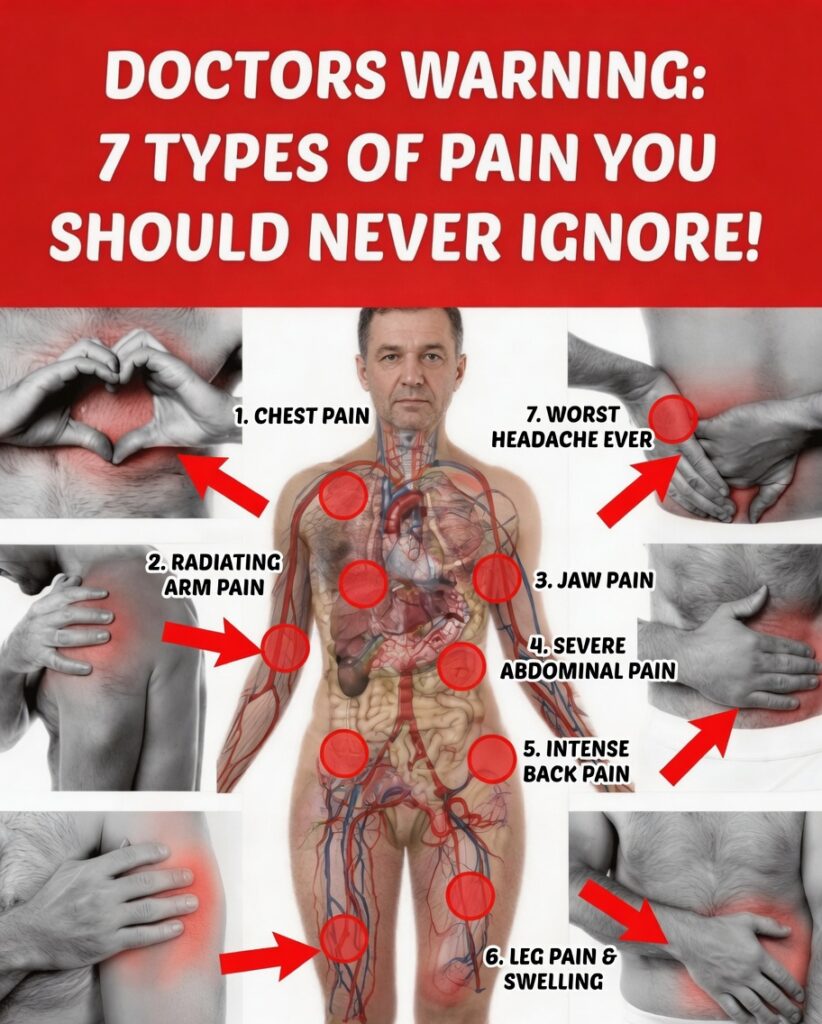
The 7 Types of Pain You Should Never Ignore After 40
A sudden stab of pain or a dull ache that won’t quit is easy to dismiss as “getting older.” But these signals can quietly drain your enjoyment of everyday life, disrupt sleep, limit time with family, and leave you wondering why rest no longer helps. Many adults over 40 shrug off warning signs until discomfort starts affecting mobility, mood, or confidence.
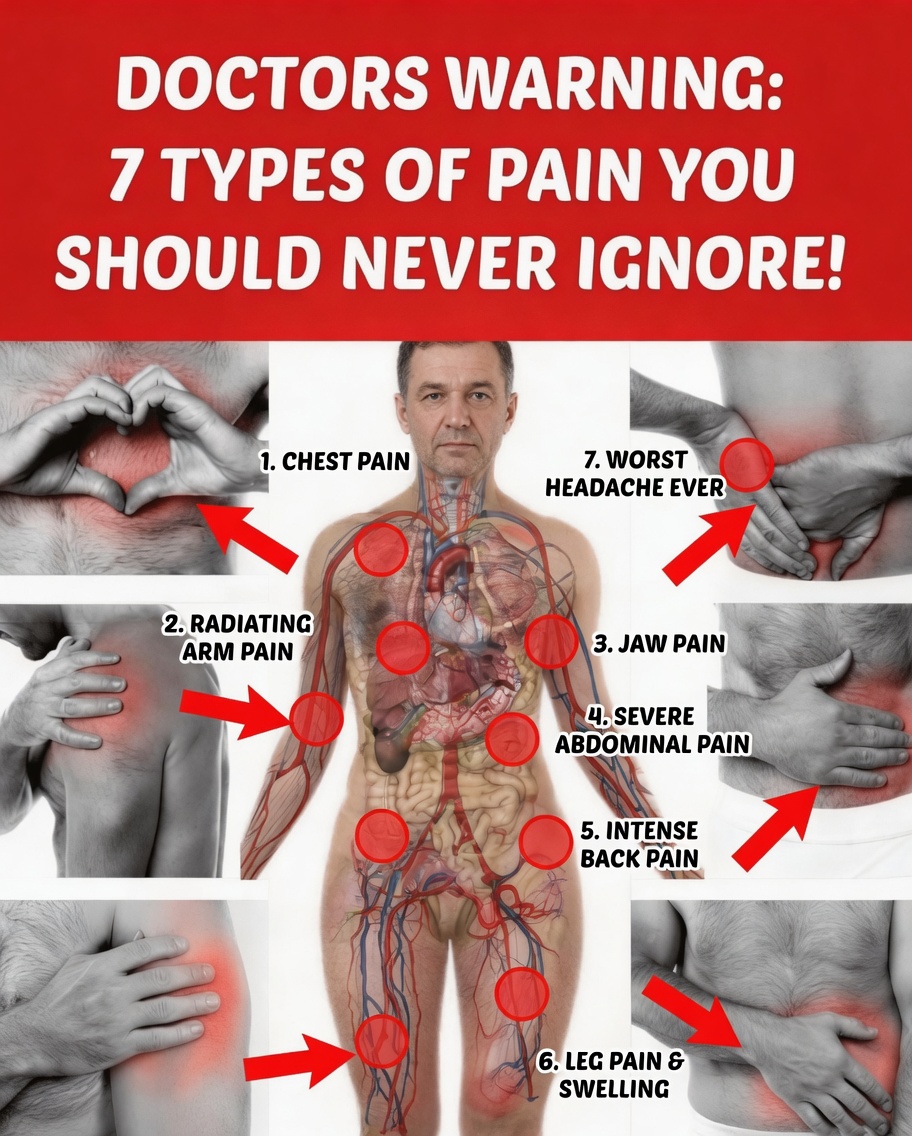
The good news: learning to recognize the types of pain you should never ignore makes it far easier to get timely care, prevent complications, and stay active. Below are the 7 red-flag pains health experts consistently highlight, why they matter, and what to do next.
Why These Types of Pain You Should Never Ignore Matter More After 40
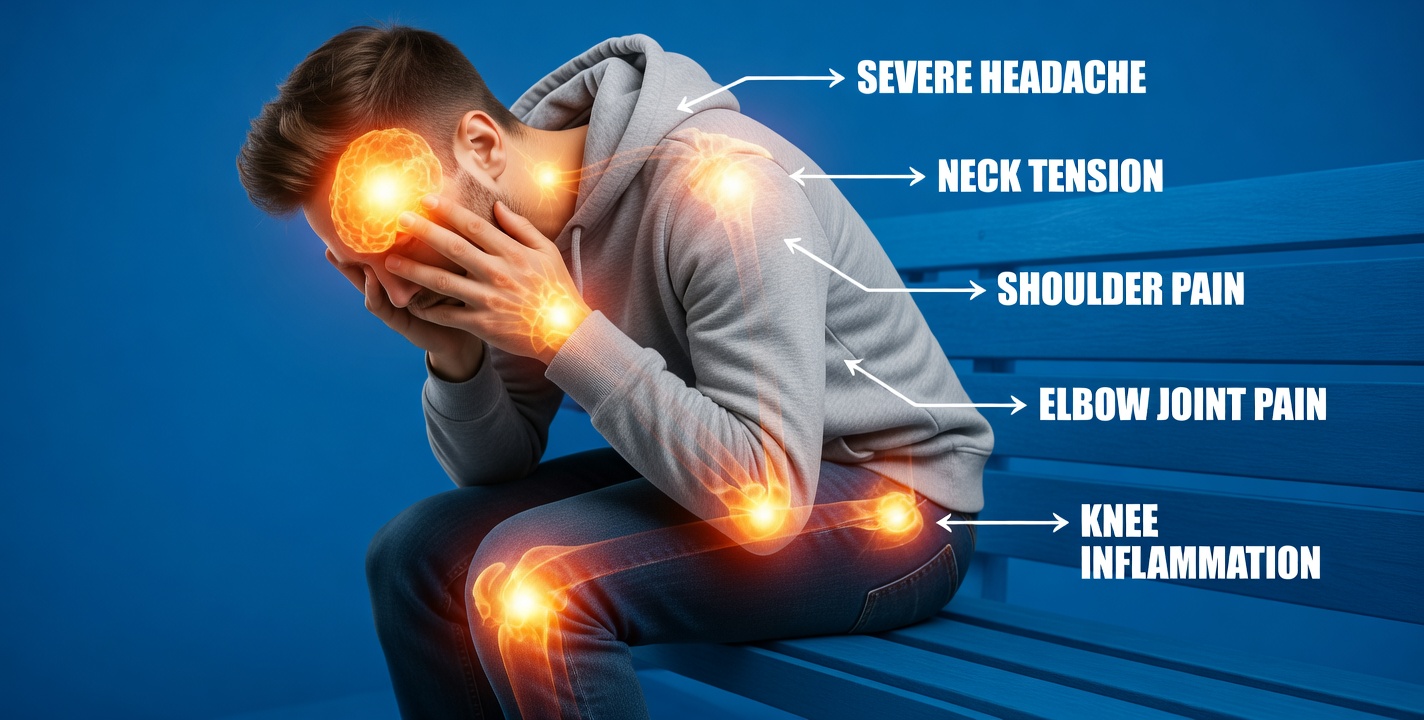
After 40, new aches can blend in with normal wear-and-tear, busy schedules, and increased stress. That’s exactly why it helps to know when pain is not “normal” and deserves attention. Certain symptoms respond best to early evaluation, even if they seem mild at first.
Many people delay care because they hope the discomfort will fade. The real distinction is often in the sudden onset, unusual intensity, persistence, or the presence of other symptoms (like shortness of breath, weakness, fever, or swelling). Small changes in how you respond to the pain you should never ignore can protect your energy, independence, and peace of mind for years.
The 7 Types of Pain You Should Never Ignore
1. The “Worst Headache of Your Life”
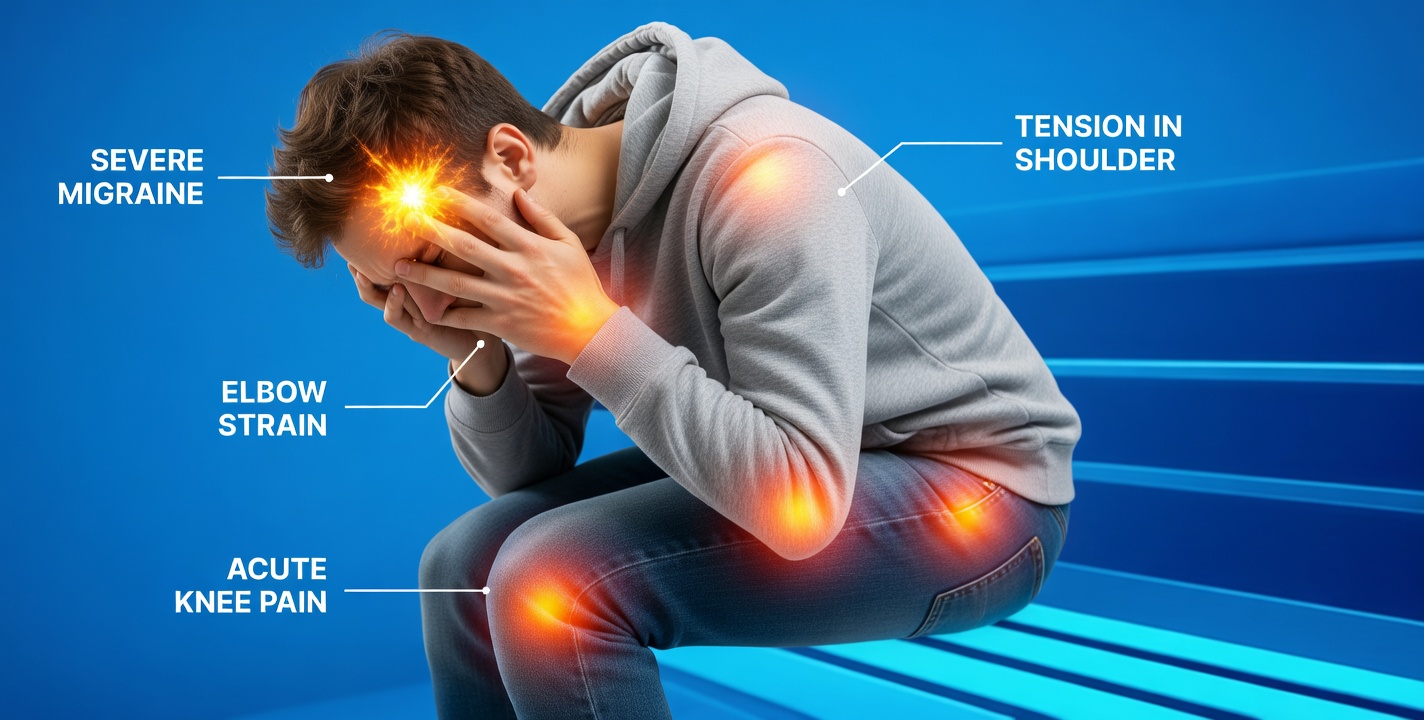
A headache that arrives abruptly or feels more severe than anything you’ve experienced before is a type of pain you should never ignore. This is especially urgent if it comes with symptoms such as:
- Neck stiffness
- Vision changes
- Confusion, fainting, or weakness
Even if you’ve had migraines in the past, a dramatically different headache deserves immediate medical evaluation to rule out serious causes.
2. Chest Pain, Tightness, or Pressure
Any pressure, heaviness, squeezing, or discomfort in the chest—or spreading to the jaw, shoulder, arm, back, or upper abdomen—is a type of pain you should never ignore. Heart-related symptoms are not always sharp; they can feel like pressure or fullness.
If chest symptoms appear during activity or at rest, treat it as urgent. Fast action can be life-saving.
3. Severe or Worsening Abdominal Pain
Intense belly pain that persists, escalates, or feels distinctly different from typical indigestion is a type of pain you should never ignore—especially if paired with:
- Fever
- Vomiting
- Pain that localizes (such as lower-right abdomen)
- Inability to keep fluids down
Digestive and organ-related conditions can progress quickly, and early assessment often prevents complications.
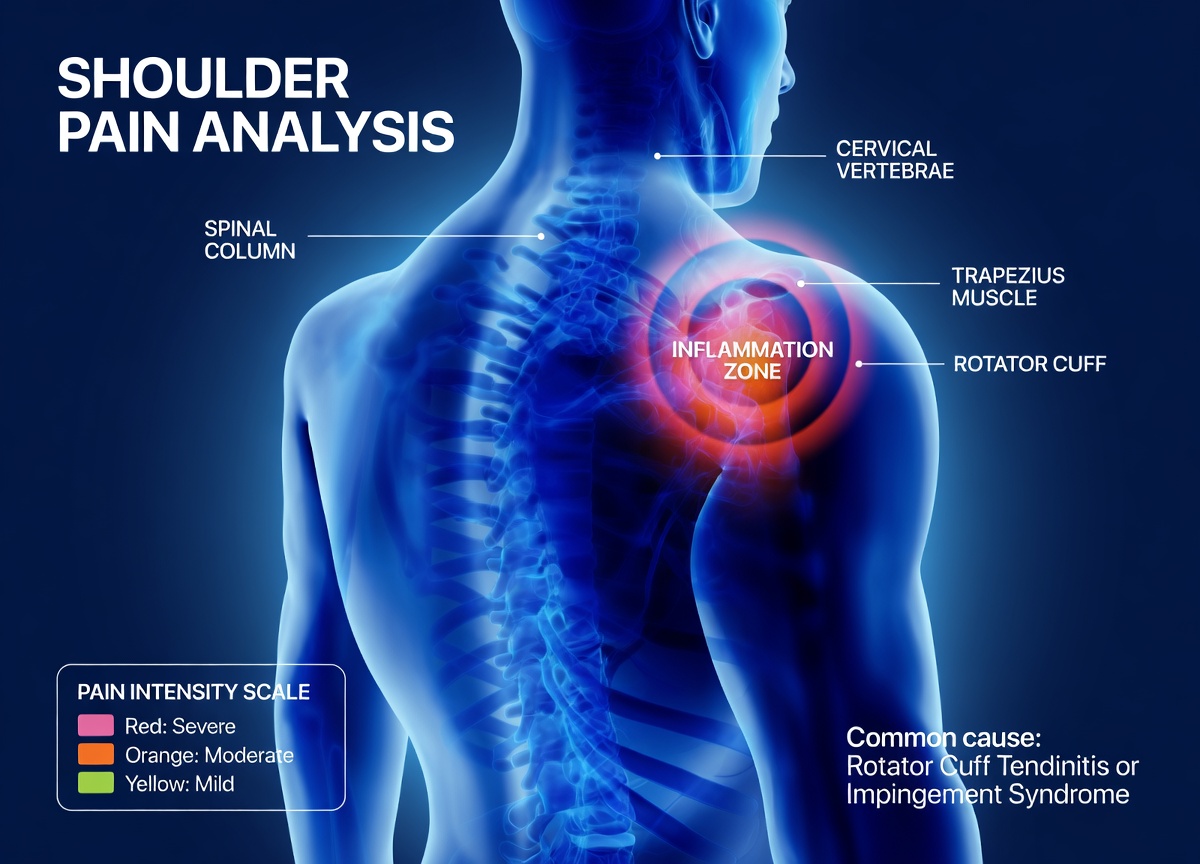
4. Pain Between the Shoulder Blades
A deep ache or sudden discomfort between your shoulder blades can be “just posture”—but it can also be a type of pain you should never ignore, particularly when it:
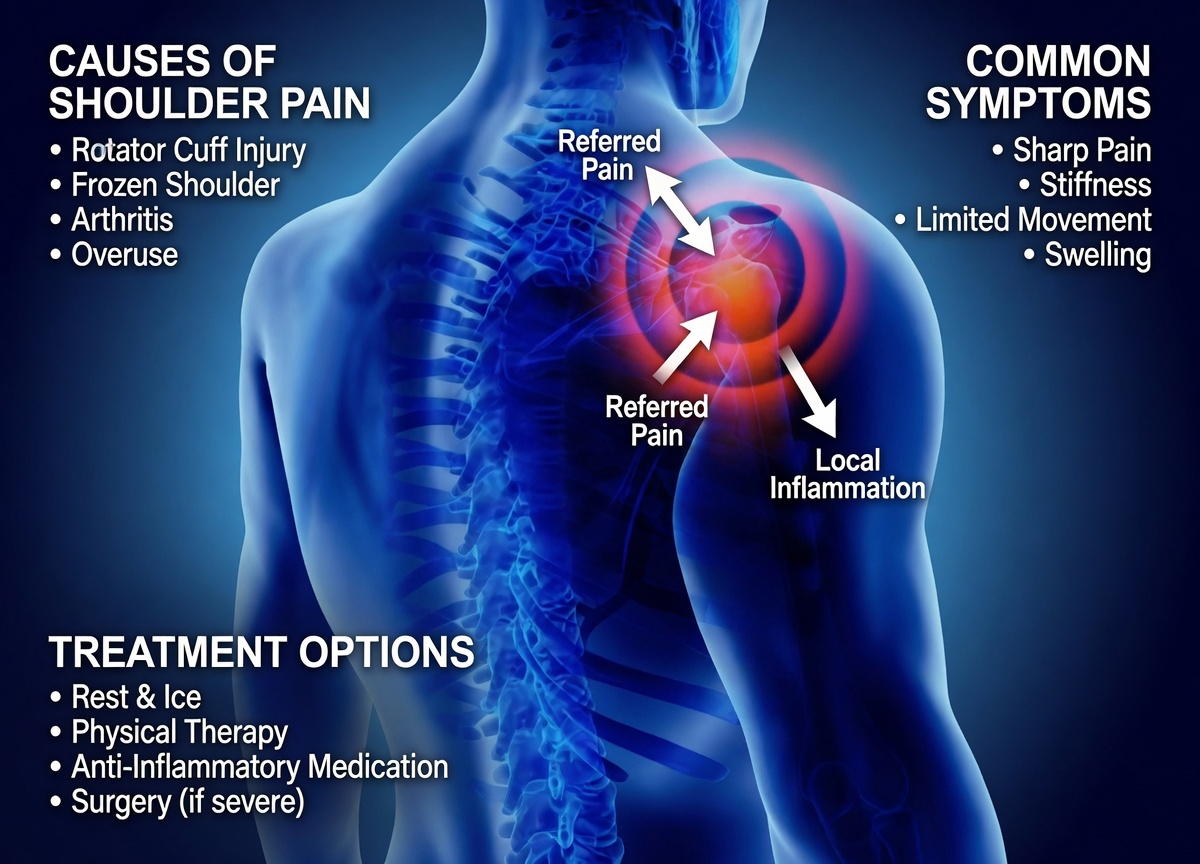
- Radiates to other areas
- Occurs with shortness of breath
- Feels unusual compared to typical muscle tension
Because this region can reflect vascular or cardiac issues in some cases, it’s worth prompt professional review when the pain is unexplained or intense.
5. Calf Pain with Swelling, Warmth, or Redness
One-sided calf tenderness with swelling, warmth, or discoloration is a type of pain you should never ignore. It may signal a circulation problem such as a blood clot, especially if you:
- Recently traveled long distances
- Have been less active than usual
- Recently had surgery or illness
Same-day medical evaluation is the safest choice—simple tests can quickly clarify the cause.
6. Sudden, Severe Lower Back Pain (Especially with Neurologic Symptoms)
Most back pain improves with conservative care, but sudden or extreme lower back pain is a type of pain you should never ignore when it comes with:
- Leg weakness or numbness
- Fever
- Changes in bowel or bladder control
- Difficulty standing or walking
These combinations can indicate conditions that require urgent treatment to protect long-term mobility and nerve function.
7. Unexplained Jaw or Facial Pain
Jaw, tooth, or facial pressure that doesn’t have an obvious dental cause is a type of pain you should never ignore—particularly if it appears with other symptoms (such as chest discomfort, sweating, nausea, or shortness of breath). In some cases, jaw pain can be referred pain from heart issues, and in others it may reflect dental or nerve problems that still need timely care.
Mid-Article Check-In: Test Your Awareness
- How many types of pain you should never ignore were covered? (7)
- Which one concerns you most right now?
- What will be your first step if it happens again?
- Rate your current confidence in recognizing these warning signs (1–10).
- Ready for prevention and action tips? Yes.
What to Do When You Notice Any Type of Pain You Should Never Ignore
- Stop what you’re doing and rest briefly (if it’s safe).
- Write down the exact location, when it started, what it feels like, and any additional symptoms.
- Call your doctor for guidance, or go to urgent care/emergency services if symptoms are severe or escalating.
- Avoid self-diagnosis—getting professional input is the safest and fastest route to clarity.
Quick Comparison Table: Types of Pain You Should Never Ignore
| Type of Pain You Should Never Ignore | Common Red Flags | Why Acting Fast Matters |
|---|---|---|
| Worst headache | Sudden “thunderclap” intensity, neck stiffness, vision changes | May require urgent neurological evaluation |
| Chest discomfort | Pressure/tightness, spreads to arm/jaw/back, occurs at rest | Heart-related issues benefit from immediate care |
| Severe abdominal pain | Persistent sharp pain, vomiting, fever, localized tenderness | Early assessment can prevent serious complications |
| Shoulder-blade pain | Deep ache with shortness of breath or radiation | May warrant vascular/cardiac evaluation |
| Calf pain with swelling | One leg warm, red, tender, swollen | Could indicate a blood clot; urgent assessment reduces risk |
| Severe low back pain | Weakness, numbness, fever, bowel/bladder changes | Protects nerves and long-term mobility |
| Jaw/facial pain | Pressure without clear dental cause, other systemic symptoms | Helps rule out referred heart pain or urgent dental issues |
A Simple 30-Day Plan to Respond Confidently
- Days 1–7: Track new aches and patterns (time, triggers, intensity, associated symptoms).
- Days 8–14: Book a wellness visit if anything aligns with the types of pain you should never ignore.
- Days 15–30: Add gentle daily movement and stress-reduction habits to support comfort and resilience.
Advanced Habits to Stay Ahead of the Pain You Should Never Ignore
- Keep regular checkups, even when you feel fine.
- Learn your family health history (heart disease, stroke, blood clots, diabetes, etc.).
- Store emergency numbers and key contacts where you can access them quickly.
- Hydrate consistently and move daily (even light walking and stretching supports circulation and recovery).
FAQ: Types of Pain You Should Never Ignore
When should I call emergency services?
Seek emergency help immediately if you have chest pressure that lasts more than a few minutes, a sudden “worst-ever” headache, trouble speaking, weakness, confusion, or symptoms that rapidly worsen.
Can stress cause these pains?
Stress can contribute to discomfort, but it cannot be safely assumed as the cause when red-flag symptoms are present. Only a clinician can rule out serious conditions.
Are these warning signs only for seniors?
No. They can occur at any age, but they’re more likely to be dismissed after 40 as “normal aging,” which is why awareness becomes especially important.
Medical Disclaimer
This article is for informational purposes only and is not a substitute for professional medical advice, diagnosis, or treatment. Contact a qualified healthcare provider promptly for concerning symptoms—especially if you have heart disease, diabetes, or other ongoing health conditions.
Final Thought
Imagine a month from now moving through your day with more confidence because you can recognize the types of pain you should never ignore and respond quickly. Staying informed is a small step that can protect your health, independence, and quality of life.
P.S. Save your doctor’s after-hours number in your phone. Quick access can reduce panic and speed up care when a red-flag symptom appears.