Many adults experience the occasional headache, lingering tiredness, or mild chest pressure and chalk it up to stress, poor sleep, or getting older. In some situations, however, these concerns can overlap with aneurysm signs and symptoms that are worth paying attention to for reassurance and timely care. It can be unsettling to wonder whether a “normal” ache is actually something more serious—especially when it starts affecting your sleep, focus, and time with loved ones.
Understanding common aneurysm signs and symptoms can help you feel calmer, more informed, and better prepared to speak with a healthcare professional. Below are practical ways to recognize potential warning signals and to know when an evaluation may be the safest choice.
Why Knowing Aneurysm Signs and Symptoms Matters in Everyday Life
Some aneurysms develop with few or no noticeable clues at first. That’s why awareness matters: recognizing changes early can support proactive medical conversations rather than last-minute panic.
You might notice a sudden sharp sensation behind one eye, brief episodes of vision changes, or symptoms that come and go without a clear explanation. Even if these symptoms have many possible causes, learning how they may relate to aneurysm signs and symptoms can reduce uncertainty and help you make decisions based on facts—not fear.
Common Aneurysm Signs and Symptoms Associated With Brain Aneurysms
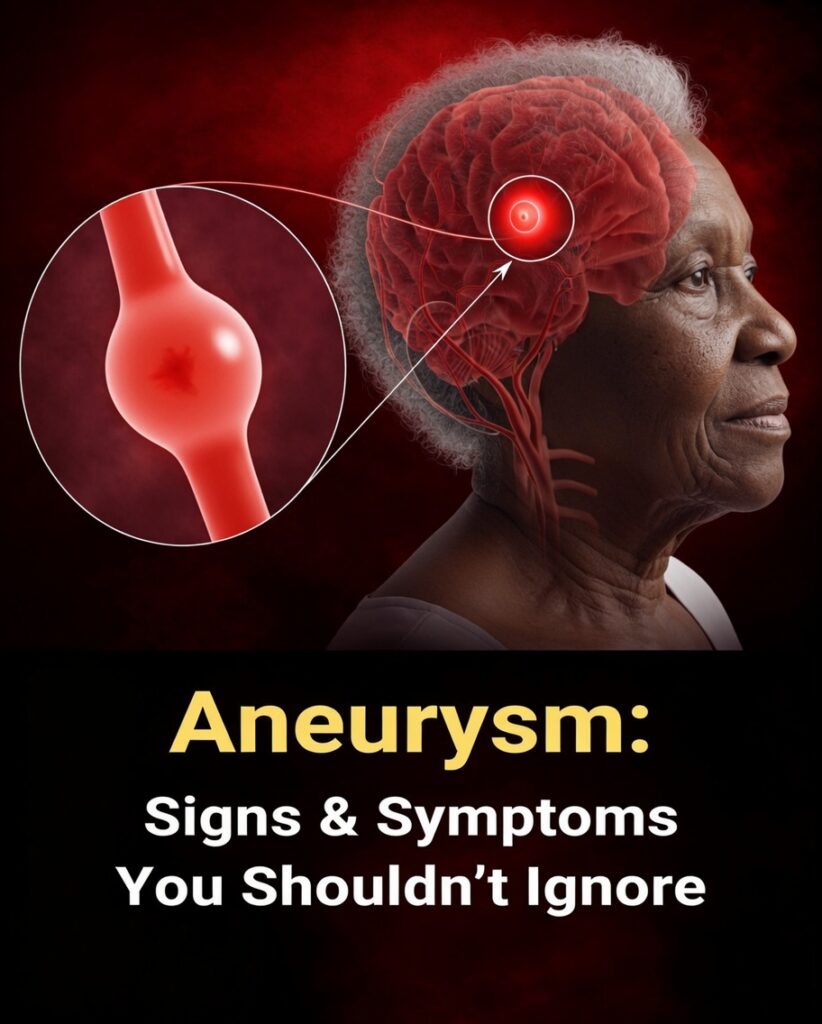
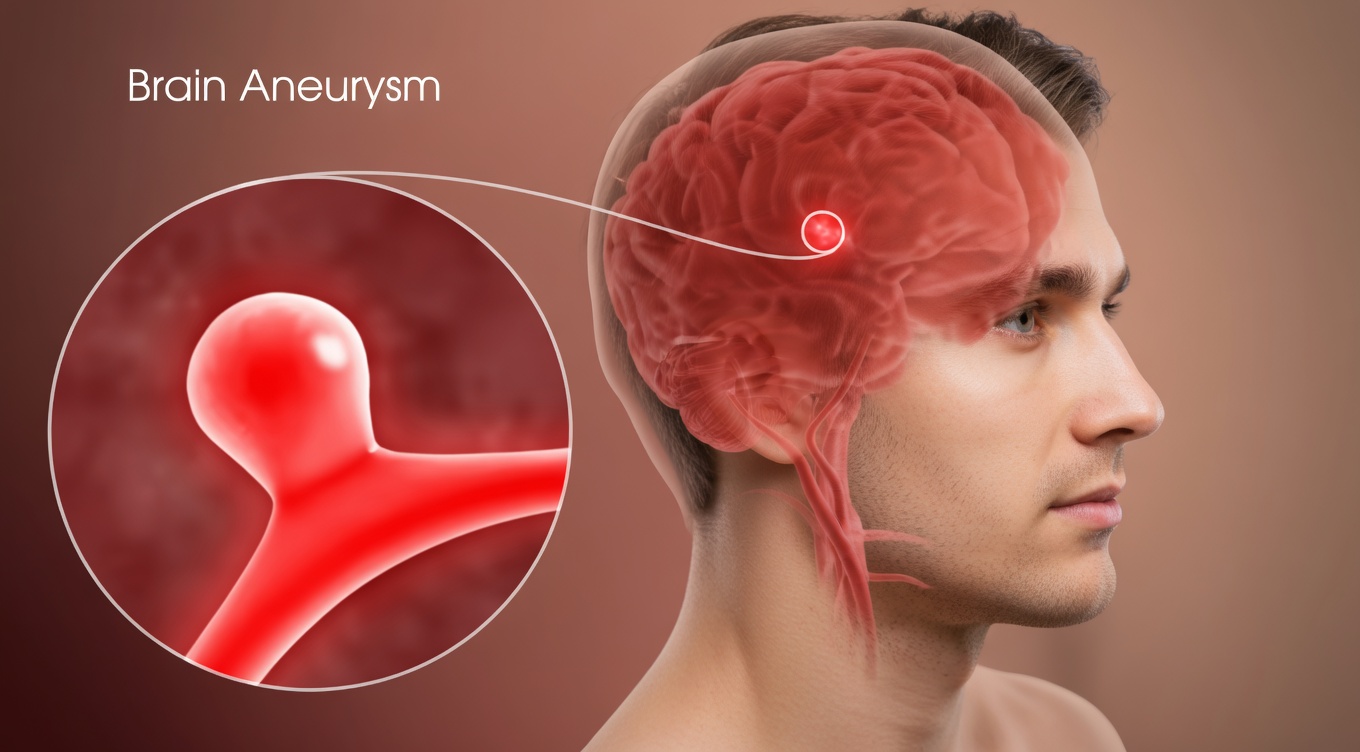
A brain (cerebral) aneurysm may cause symptoms if it presses on nearby nerves or structures. Many people describe a headache that feels noticeably different from their usual tension headache or migraine pattern—more intense, unusual, or persistent.
Possible aneurysm signs and symptoms related to brain aneurysms can include:
- Headaches that are new, persistent, or “not like your normal”
- Dizziness or a sense of imbalance
- Blurred vision or changes in visual clarity
- Pain above or behind one eye
- Double vision
- Drooping eyelid
These signs can be easy to ignore, especially when life is busy. But tracking when they happen, how long they last, and what makes them better or worse can make your next medical appointment much more productive.
Aneurysm Signs and Symptoms Felt in the Chest, Back, or Abdomen (Aortic Aneurysm)
An aneurysm can also occur in the aorta, the main artery that carries blood from the heart to the rest of the body. When symptoms appear, they may feel deep, constant, and difficult to “stretch out” or sleep off.
Potential aneurysm signs and symptoms linked to the chest, back, or abdominal area include:
- Ongoing pain in the chest, back, or abdomen that doesn’t improve with rest
- Shortness of breath that seems out of proportion to your activity
- Persistent cough without an obvious illness
- Hoarseness or a voice change that lingers
Because these symptoms can overlap with other common conditions, they are not a diagnosis on their own. Still, noticing and reporting them—especially if they are new, severe, or worsening—can support earlier assessment.
Emergency Aneurysm Signs and Symptoms: When to Seek Immediate Help
Some warning signs should be treated as an emergency. The most well-known is a sudden, extremely severe headache that people often describe as the “worst headache of my life” or a “thunderclap” headache.
Seek emergency care right away if aneurysm signs and symptoms include:
- Sudden, severe headache with rapid onset
- Nausea and vomiting alongside intense head pain
- Neck stiffness
- Confusion or sudden difficulty thinking clearly
- Seizures
- Sensitivity to light
- Fainting or loss of consciousness
Knowing these red flags can help you act quickly and confidently if you—or someone near you—experiences them.

Quick Reference: Common Symptoms and What They May Suggest
| Possible aneurysm signs and symptoms | Where you may notice it | Why it matters |
|---|---|---|
| Sudden “thunderclap” headache | Head | Can indicate rupture and needs emergency care |
| Persistent deep pain | Chest/back/abdomen | Often reported with aortic aneurysm changes |
| Vision changes or double vision | Eyes | May occur with brain aneurysm pressure on nerves |
| Unusual fatigue or dizziness | General | Can be a subtle early clue (not specific) |
How to Discuss Aneurysm Signs and Symptoms With Your Doctor
If something feels off—headaches, eye symptoms, chest sensations, or persistent breathlessness—bring clear details to your appointment. This can relieve stress and help your clinician decide whether further evaluation is appropriate.
Helpful information to share includes:
- When the symptom started and how often it occurs
- How long each episode lasts
- Severity (for example, a 1–10 scale)
- Triggers (exercise, stress, coughing, straining)
- Any associated changes (vision, nausea, weakness, confusion)
Depending on your symptoms and risk profile, a doctor may suggest imaging or additional testing to better understand what’s happening.
Daily Habits That Support Vascular Health While You Stay Alert
While monitoring possible aneurysm signs and symptoms, general cardiovascular habits can support overall vascular wellness:
- Stay active with walking or other gentle exercise (as appropriate for your health)
- Eat a balanced diet rich in fruits, vegetables, and whole grains
- Manage blood pressure with your clinician’s guidance
- Avoid smoking and secondhand smoke exposure
These steps don’t replace medical evaluation, but they can strengthen your overall health and reduce preventable strain on blood vessels.
A Simple Step-by-Step Plan for Better Awareness
- Write down unusual patterns (headache, vision shifts, chest/back/abdominal pain, dizziness).
- Book a check-up to review your symptoms and risk factors.
- Follow any testing, monitoring, or lifestyle recommendations provided by your clinician.
- Share key emergency warning signs with family members so they know what to watch for.
Staying informed about aneurysm signs and symptoms is ultimately about peace of mind—turning worry into practical, calm action and clearer conversations with your healthcare team.
FAQ
What aneurysm signs and symptoms do people often notice first?
Some people first notice unusual or persistent headaches, vision changes (such as double vision), or localized pain. Symptoms vary widely, and many aneurysms cause no symptoms until they grow or rupture.
Should I treat every headache as aneurysm signs and symptoms?
No. Most headaches are not caused by an aneurysm. However, a sudden, severe “thunderclap” headache or a headache pattern that is new and concerning should be discussed with a healthcare professional.
Can lifestyle changes reduce my concern about aneurysm signs and symptoms?
Healthy habits—especially blood pressure control and not smoking—support vascular health and are commonly recommended as part of risk management while monitoring symptoms. Always follow your clinician’s guidance for your personal situation.