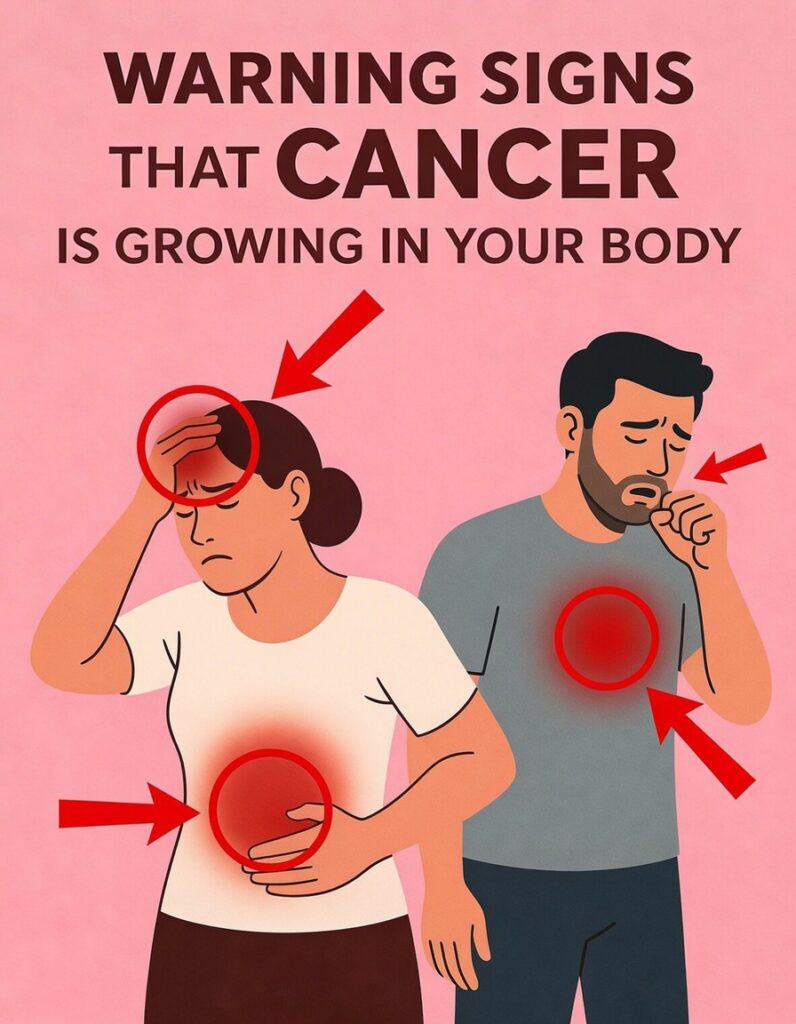
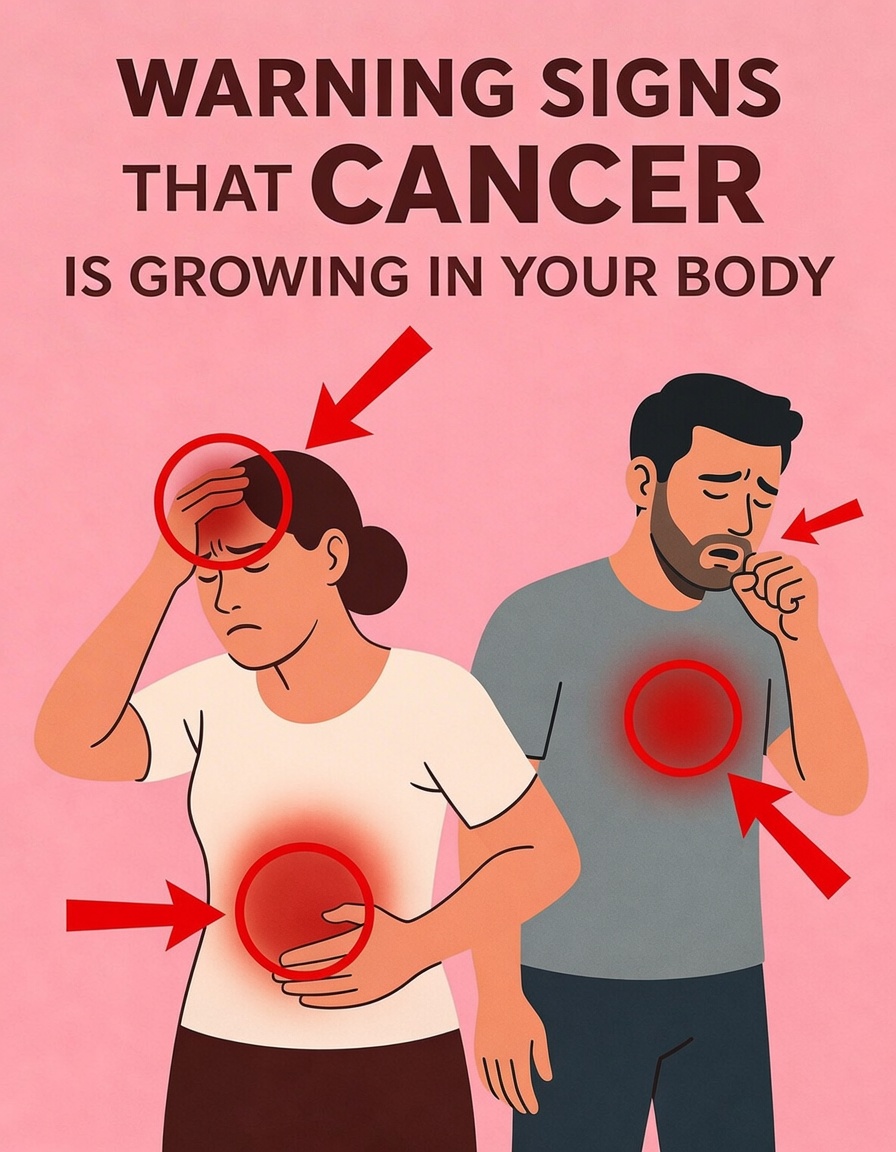
Subtle shifts in your health can be easy to brush off as stress, aging, or everyday “wear and tear.” Yet some of these changes may be early warning signs of cancer, especially when they persist, worsen, or show up in combination. The longer they go unchecked, the more they can affect your comfort, confidence, and overall well-being.
Staying informed about early warning signs of cancer helps you act sooner and get clarity. If you’ve noticed something “off” lately, one of the signs below may help you name it.
1) Unexplained Weight Loss
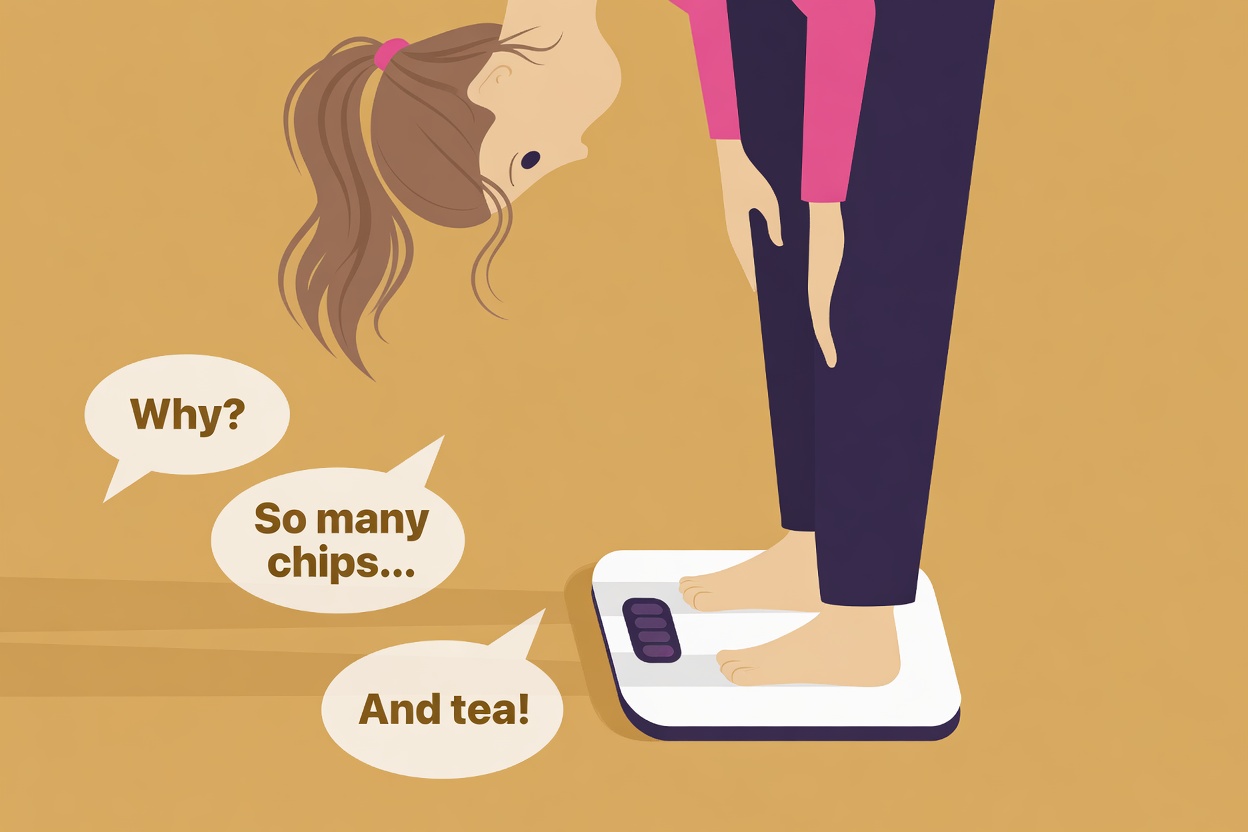
Losing weight without changing your diet or exercise routine can feel confusing—and sometimes even like a pleasant surprise at first. However, unexplained weight loss can be an early warning sign of cancer when the body’s energy demands shift or appetite drops unexpectedly.
The American Cancer Society notes that losing 10 pounds (about 4.5 kg) or more without trying should be taken seriously. Catching this early warning sign of cancer early can lead to timely testing and peace of mind.
2) Persistent Fatigue That Rest Doesn’t Fix
Feeling tired after a busy week is normal. But deep, ongoing fatigue that doesn’t improve with sleep may be one of the early warning signs of cancer, reflecting how the body responds to illness.
Many people attribute it to work or lifestyle, but when the exhaustion continues, it can significantly affect mood, productivity, and quality of life.
3) Chronic or Unexplained Pain
Aches that linger without a clear injury can be more than strain or aging. In some cases, pain becomes an early warning sign of cancer when a tumor presses on nerves, organs, or bones.
If pain is persistent, progressive, or unusual for you, it’s worth getting evaluated rather than simply “pushing through it.”
4) Skin Changes You Can’t Explain
Your skin can reveal important health clues. Early warning signs of cancer may include:
- A new growth
- A sore that doesn’t go away
- Darkening or unusual discoloration
- Itching or irritation that persists
- Changes in existing moles
The Mayo Clinic encourages monitoring for irregularities and changes. Noticing skin-related early warning signs of cancer early supports earlier intervention.

5) A Persistent Cough or Ongoing Hoarseness
A cough that doesn’t resolve—or voice changes that linger—can disrupt sleep, work, and daily conversation. These may be early warning signs of cancer linked to the lungs, throat, or voice box.
Smokers often dismiss these symptoms, but they can occur in non-smokers as well. If a cough or hoarseness lasts several weeks, professional assessment is recommended.
6) Difficulty Swallowing
If swallowing starts to feel uncomfortable—like food is sticking in the throat—meals can quickly become stressful. This early warning sign of cancer may relate to the esophagus.
It often begins subtly and can be mistaken for reflux. Persistent swallowing issues should not be ignored.
7) Persistent Indigestion or Ongoing Heartburn
Occasional indigestion is common. But recurrent heartburn or discomfort after eating that keeps returning can be an early warning sign of cancer involving the stomach or esophagus.
Over-the-counter remedies may temporarily hide symptoms, so ongoing issues deserve a medical conversation.

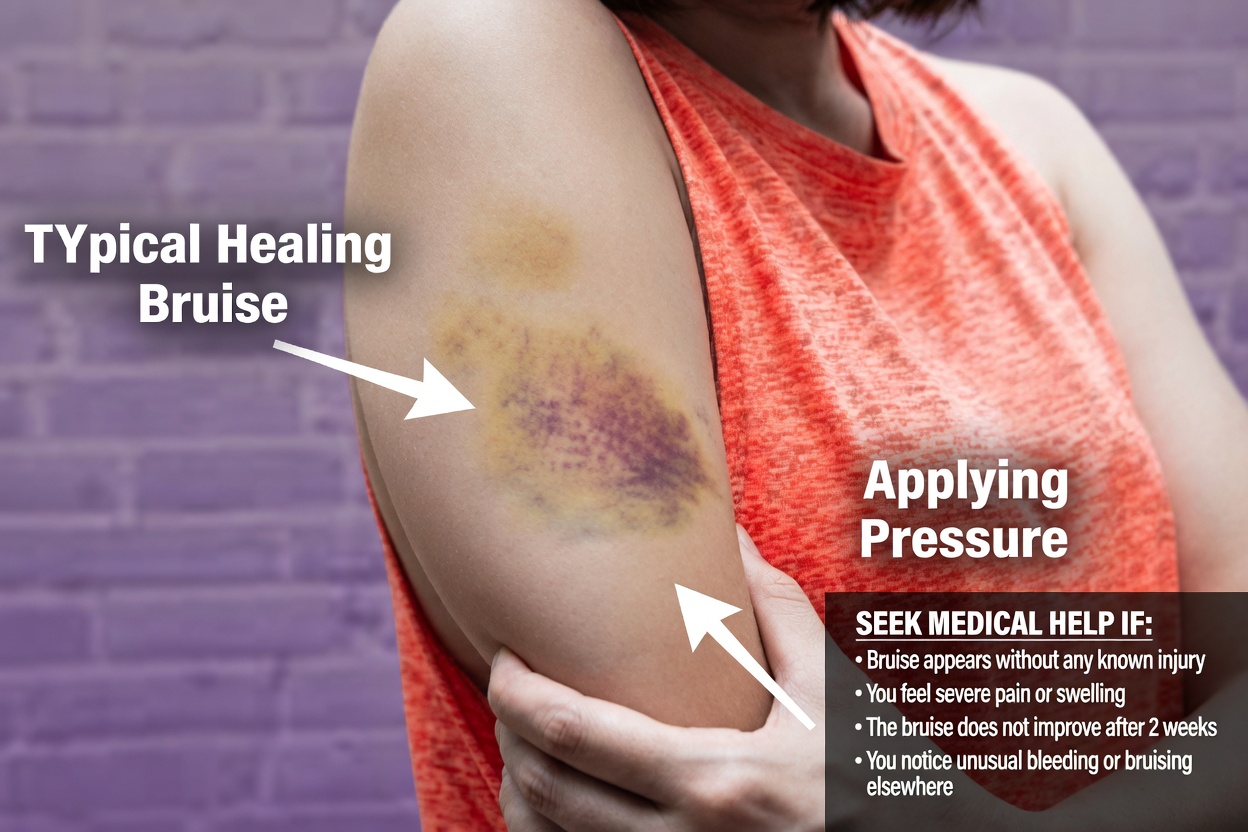
8) Unusual Bruising or Bleeding
If bruises appear easily, linger longer than expected, or bleeding happens without a clear reason, it can be alarming. These early warning signs of cancer sometimes point to blood-related conditions.
When minor bumps leave major bruises—or bleeding feels out of proportion—it’s safer to get checked.
9) New Lumps or Swelling
Discovering a new lump in the neck, armpit, breast, groin, or elsewhere often causes immediate worry. While many lumps are benign, they can also be early warning signs of cancer, including changes in lymph nodes.
If a lump is new, growing, hard, or persistent, schedule an evaluation promptly.
10) Sores That Don’t Heal
Cuts, ulcers, or wounds that heal unusually slowly may be an early warning sign of cancer. This can occur on the skin or inside the mouth.
It’s easy to blame infection or irritation first, but a sore that doesn’t improve in the expected timeframe should be assessed.

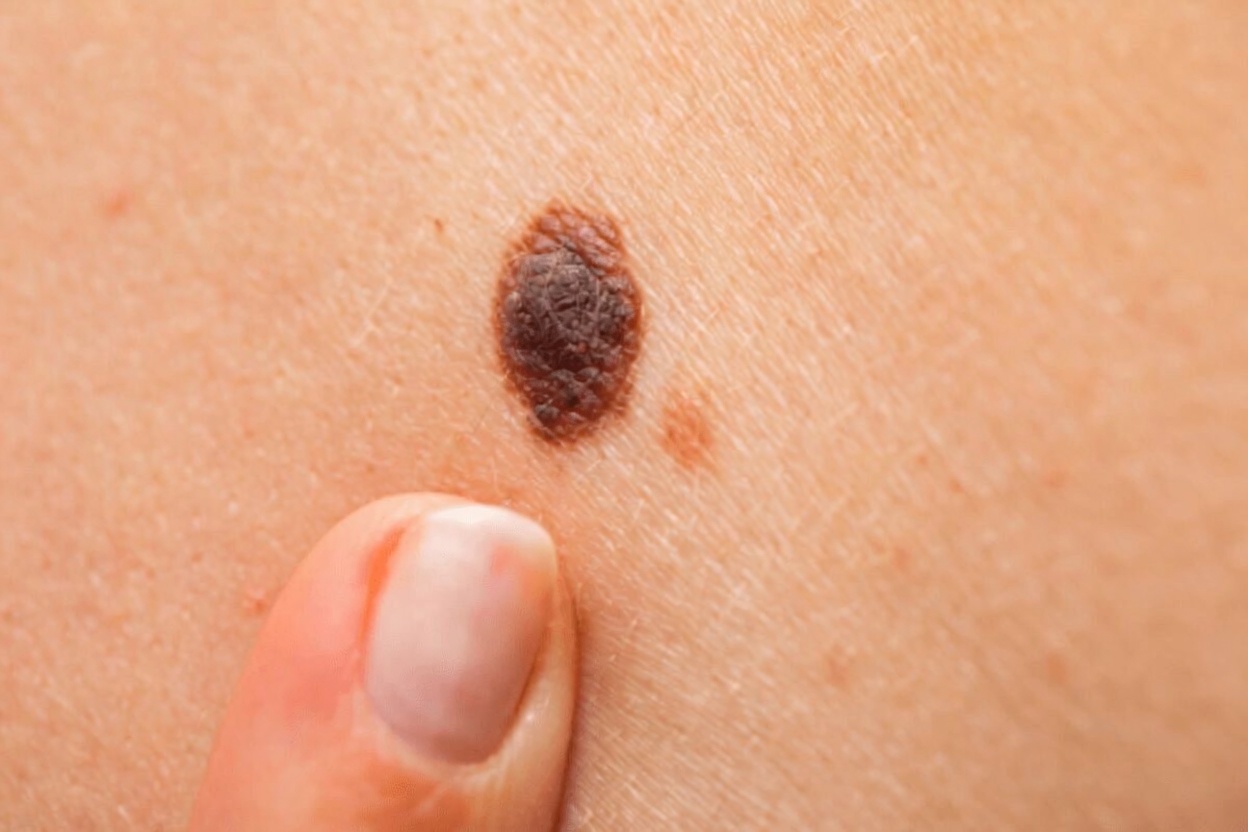
11) Noticeable Changes in Existing Moles
Moles that change in size, shape, color, or start itching or bleeding are among the most recognized early warning signs of cancer. Experts often recommend the ABCDE approach for melanoma awareness.
A history of heavy sun exposure increases the need for regular skin checks.
12) Night Sweats
Waking up drenched—even in a cool room—can disrupt sleep and raise concerns. In certain cases, intense night sweats are early warning signs of cancer, including some lymphatic cancers such as lymphoma.
Because hormones and infections can also cause night sweats, tracking frequency and severity can help your clinician evaluate the cause.
13) Recurrent or Unexplained Fevers
Fevers that come and go without a clear infection can drain energy and weaken the body. As early warning signs of cancer, recurring fevers may reflect the immune system’s response.
If you notice a pattern—especially alongside fatigue or weight loss—document it and consult a professional.
14) Shortness of Breath During Normal Activities
If you feel winded during everyday tasks you used to handle comfortably, don’t assume it’s only reduced fitness. Shortness of breath may be an early warning sign of cancer affecting the lungs or chest.
Early evaluation helps identify whether the cause is respiratory, cardiac, or something else.
15) Chronic or New-Pattern Headaches
Headaches are common, and most are not cancer-related. Still, frequent, severe, or changing headache patterns can be early warning signs of cancer in rare cases and should be evaluated—especially if they are new for you or accompanied by other symptoms.
Stress is often blamed first, which can delay attention to a meaningful shift.
16) Persistent Bloating
Ongoing abdominal swelling, pressure, or a “full” feeling can be uncomfortable and concerning. Persistent bloating is sometimes an early warning sign of cancer, including ovarian or gastrointestinal cancers.
Diet changes may seem like the obvious explanation, but when bloating continues—particularly in women—it deserves medical review.
17) Breast or Nipple Changes
Breast changes can affect women and men. Early warning signs of cancer may include:
- Dimpling or puckering of the skin
- Nipple inversion (new or changing)
- Unusual discharge
- Changes in breast shape or texture
Regular self-awareness and age-appropriate screenings are key to catching changes early.
18) Unusual Bleeding (Stool, Urine, or Between Periods)
Seeing blood where it shouldn’t be is one of the most striking early warning signs of cancer. Examples include:
- Blood in stool
- Blood in urine
- Bleeding between periods or after menopause
Benign causes exist (like hemorrhoids or infections), but because internal bleeding can signal serious conditions, it should be addressed promptly.

19) White Patches in the Mouth That Don’t Wipe Off
Persistent white patches—especially those that can’t be scraped away—may be leukoplakia, an early warning sign of cancer risk in the mouth.
Smokers are at higher risk, but anyone can develop these patches. Regular dental visits can help detect changes early.
20) Hoarseness That Lasts for Weeks
If your voice remains raspy for weeks, despite rest and hydration, it can be more than allergies or overuse. Persistent hoarseness is among early warning signs of cancer potentially involving the vocal cords or throat.
If it doesn’t improve, a medical evaluation is warranted.
Practical Ways to Track Early Warning Signs of Cancer
Staying proactive doesn’t mean panicking—it means paying attention. Helpful habits include:
- Do monthly self-checks: Look at your skin, mouth, breasts, and any areas where lumps could appear.
- Track symptoms: Record weight changes, fatigue levels, pain patterns, bleeding, or digestive symptoms.
- Follow recommended screenings: Use age-appropriate guidelines from trusted healthcare sources.
- Support overall health: Eat well, stay active, avoid tobacco, and limit alcohol.
- Seek care promptly: Don’t wait if something persists or worsens.
When to Seek Medical Advice
Contact a healthcare professional if any early warning sign of cancer:
- Lasts longer than two weeks
- Gets worse over time
- Appears alongside other symptoms
Early evaluation often provides clarity—and when something serious is present, acting sooner improves options.
Conclusion
These 20 early warning signs of cancer—from unexplained weight loss and persistent fatigue to unusual bleeding and mouth changes—are reminders to listen carefully to your body. Most symptoms have non-cancer causes, but recognizing persistent changes can turn a quiet concern into timely care and reassurance.
FAQ
Are these early warning signs of cancer always cancer?
No. Many of these symptoms are caused by benign or temporary conditions. What matters most is persistence, progression, or symptom clusters.
How often do these early warning signs of cancer turn out to be false alarms?
Very often. Still, getting checked can provide reassurance and ensure nothing important is missed.
Can lifestyle changes lower cancer risk related to these warning signs?
Yes. Healthy habits—such as avoiding tobacco, maintaining a balanced diet, exercising regularly, and limiting alcohol—can significantly reduce overall cancer risk.