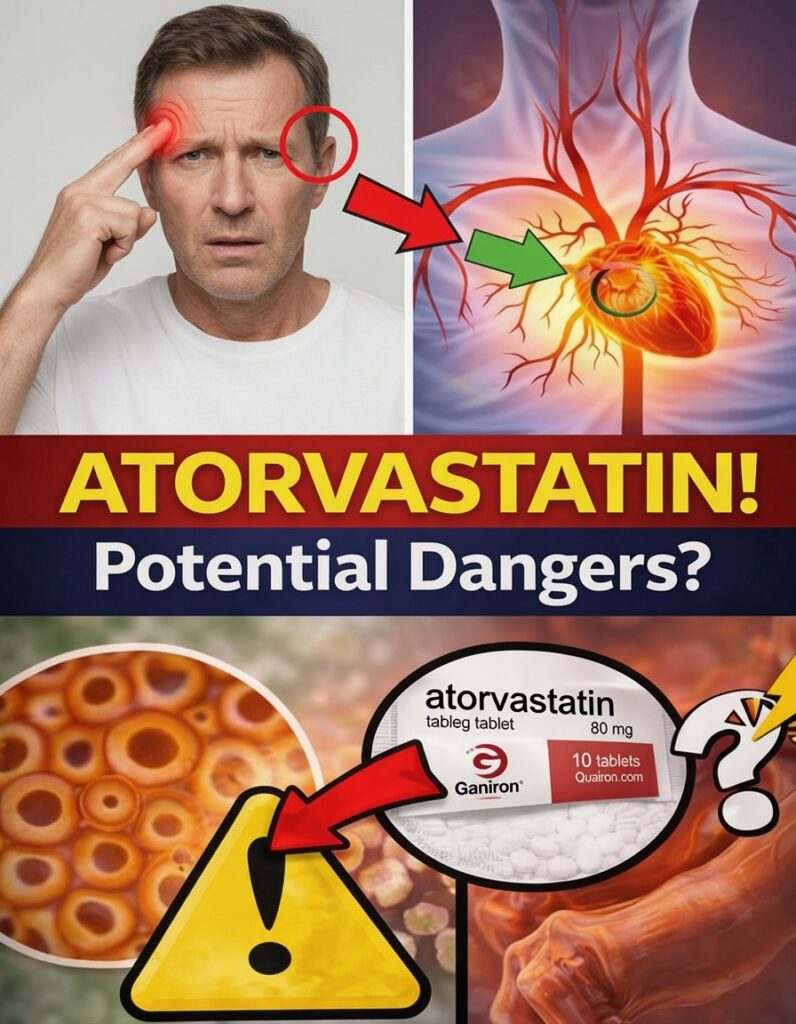
Taking atorvastatin to lower cholesterol is a widely used strategy for protecting heart health. Still, some people notice unexpected changes—like muscle soreness, digestive discomfort, or a drop in energy—that can make everyday life harder. When symptoms appear without a clear explanation, it’s easy to feel unsure about whether the medication is the cause or whether you should keep taking it.
Understanding possible atorvastatin side effects can help you recognize patterns, reduce anxiety, and have clearer, more productive conversations with your healthcare provider. Below is a practical, patient-friendly look at side effects people commonly mention—starting with the more frequently reported and moving toward less common ones.
Why Awareness of Atorvastatin Side Effects Is Important
People respond to atorvastatin differently. For many, side effects are mild or don’t happen at all. For others, symptoms can interfere with sleep, workouts, mood, or overall quality of life.
Trusted medical sources such as Mayo Clinic and WebMD note that most side effects are manageable—especially when spotted early. Knowing what to watch for can prevent the frustrating cycle of wondering whether a new ache or dip in energy is connected to your medication.
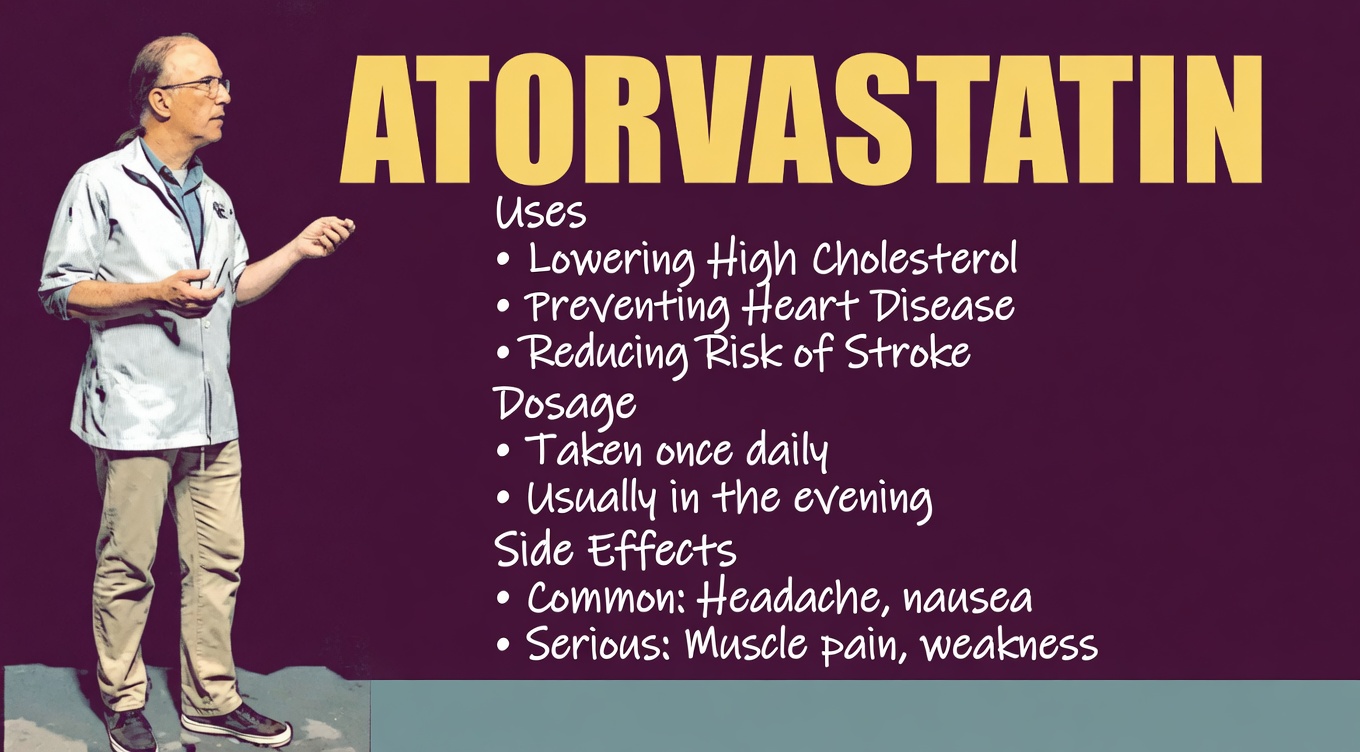
15 Possible Atorvastatin Side Effects (Common to Less Frequent)
#15: Joint Pain That Makes Movement Uncomfortable
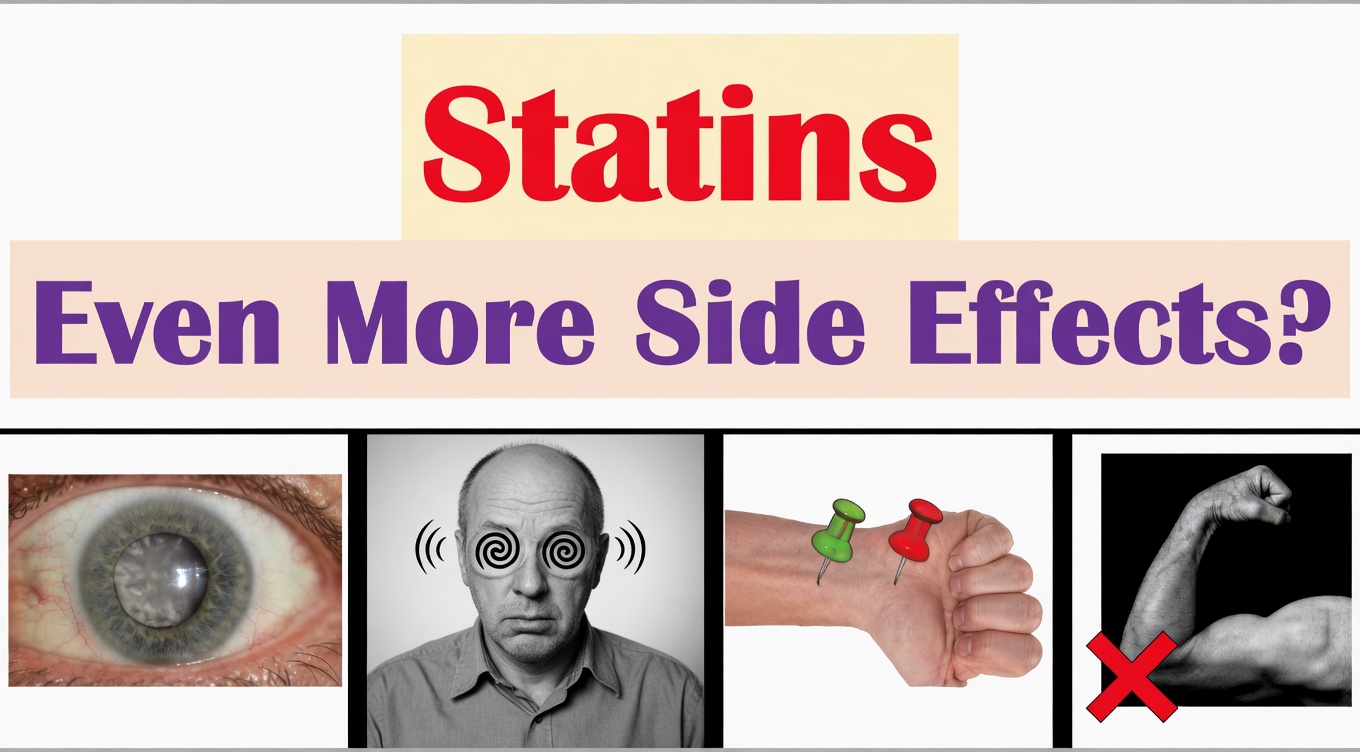
Some people report joint stiffness or aches while on atorvastatin. When joints feel sore, even simple activities like walking or climbing stairs can become more difficult—especially frustrating for those trying to stay active for cardiovascular health.
#14: Lingering Headaches
A persistent, dull headache is another complaint some users mention. While typically considered mild, it can still disrupt focus and daily comfort, and it’s listed among reported effects on resources like Drugs.com.
#13: Digestive Problems (Nausea, Diarrhea, Bloating)
Stomach-related symptoms can show up as nausea, diarrhea, gas, or a general “off” feeling after meals. These gastrointestinal side effects are relatively common and often fade with time, but they can be uncomfortable in the short term.
#12: Muscle Pain or Weakness
Muscle aches are among the most discussed atorvastatin side effects—often affecting the legs, back, or shoulders. The soreness may feel similar to overexertion, even without unusual activity. Research commonly cites muscle symptoms in roughly 5–15% of users, though many cases are mild.
#11: Sleep Disruption or Insomnia
Some people describe difficulty falling asleep or staying asleep. Poor sleep can amplify fatigue during the day and make other symptoms feel worse. A number of studies have explored links between statins and sleep disturbances, though experiences vary widely.
#10: Slight Increase in Blood Sugar
Atorvastatin may cause a modest rise in blood sugar levels for some individuals. Meta-analyses suggest statins are associated with about a 9–12% increased risk of new-onset diabetes, especially in those already at risk. For many, the cardiovascular benefits still outweigh this risk—but monitoring matters.
#9: Feeling More Tired Than Usual
Ongoing fatigue can make routines feel heavier than normal and affect motivation, mood, and productivity. Some discussions connect this to potential effects on cellular energy processes, but the experience differs between individuals.
#8: Memory Fog or Confusion
A subset of users report episodes of forgetfulness or “brain fog.” While reports exist, the direct cause can be hard to confirm because many factors can affect memory and focus. Still, it’s worth tracking and discussing if it’s new or persistent.
#7: Tingling in Hands or Feet
Less commonly, some people notice a pins-and-needles sensation in the hands or feet. This type of nerve-related symptom can feel unsettling, even when mild.

#6: Mood Changes or Irritability
Some individuals describe mood shifts, irritability, or feeling emotionally “off.” Research has explored possible connections between cholesterol pathways and mood, but the relationship is not always clear and may depend on personal factors.
#5: Changes in Liver Enzymes
Infrequently, atorvastatin can raise liver enzymes, which is why clinicians may recommend periodic blood tests. These changes often don’t cause symptoms at first, making routine monitoring especially helpful.
#4: Skin Rash or Itching
Rarely, people experience skin reactions such as rash, redness, or itching. While uncommon, these symptoms can be uncomfortable and should be reported—particularly if they worsen or spread.
#3: Tendon Discomfort
Tendon pain or unusual tendon sensitivity is occasionally reported and can be concerning for active individuals. Although rare, it has been documented and should be evaluated if it interferes with movement or exercise.
#2: Lower CoQ10 Levels (Possibly Linked to Fatigue and Muscle Issues)
Statins can reduce CoQ10 levels, which plays a role in cellular energy production. Some believe this may contribute to muscle discomfort or low energy. Research supports that statins can lower CoQ10, though whether supplementation consistently relieves symptoms is still debated.
#1: Overall Energy Drain
For some, the most disruptive issue is a broad, persistent reduction in energy—described as feeling “older overnight” or struggling to keep up with normal responsibilities. This is also one of the most common reasons people bring concerns to their clinician.
Quick Summary of Reported Atorvastatin Side Effects
- Muscle or joint pain (often cited; sometimes 5–15%) — monitor and ask about dose adjustments
- Digestive symptoms (common) — consider taking with food if approved
- Fatigue (commonly mentioned) — review sleep, nutrition, activity, and discuss CoQ10
- Blood sugar increase (modest risk rise) — monitor fasting glucose and A1C
- Headache or insomnia (occasional) — track timing and patterns
- Memory fog (reported) — document changes for your appointment
Most people tolerate atorvastatin well, and many side effects—when they occur—can be addressed with practical adjustments.
Practical Ways to Manage Possible Atorvastatin Side Effects
Managing side effects starts with communication and a plan. You do not need to “push through” symptoms without support.
- Keep a symptom log: Write down what you notice, when it happens, and how intense it feels.
- Ask about CoQ10: Some people use 100–200 mg for muscle symptoms, but you should confirm safety and suitability with your clinician first.
- Request appropriate monitoring: Common tests may include liver enzymes, CK (creatine kinase) for muscle concerns, and blood glucose/A1C.
- Discuss dosage options: A lower dose may still provide benefit with fewer side effects for some patients.
- Adjust timing if recommended: Taking atorvastatin at night may help certain people, depending on their routine and symptoms.
- Stay active with gentle exercise: Light strength training and mobility work can support muscle function—without overdoing it.
- Review alternatives if needed: If side effects persist, your provider can discuss other statins or non-statin cholesterol treatments.
Move Forward With More Confidence
Recognizing potential atorvastatin side effects helps you make informed decisions while staying focused on heart health. Small changes—like better tracking, lab monitoring, or clinician-guided adjustments—can make a meaningful difference for many people.
Bring your observations to your next appointment. In most cases, clinicians welcome patients who arrive prepared with clear details about what they’re experiencing.
Frequently Asked Questions
Are atorvastatin side effects common?
Many people have no side effects or only mild ones. The most frequently mentioned are muscle symptoms and digestive issues, and for many patients the benefits outweigh the risks when the medication is indicated.
Can CoQ10 reduce atorvastatin side effects?
Some research and patient reports suggest CoQ10 may help with muscle-related symptoms, but results are mixed. Always ask your healthcare provider before starting supplements.
Should I stop atorvastatin if I notice side effects?
Do not stop atorvastatin without medical guidance. Sudden discontinuation can affect cholesterol control and cardiovascular risk. Discuss symptoms first—dose changes or alternatives may solve the problem.
Medical disclaimer: This article is for informational purposes only and does not replace professional medical advice. Always consult your healthcare provider for personalized guidance about medications, symptoms, and atorvastatin side effects.