Ginger for Hair Thinning: A Simple Twice-Weekly Scalp Ritual Worth Trying
Hair thinning and excessive shedding affect millions of adults worldwide. For many people, it starts quietly in the 30s or 40s—then worsens with stress, hormonal shifts, or repeated heat styling and chemical damage. Seeing extra strands in the shower drain or a widening part line can slowly erode confidence, leading you to skip certain hairstyles (and even avoid photos).
Costly serums and trendy treatments often promise a lot but don’t always deliver. If you’re looking for a more natural, budget-friendly approach, ginger—an everyday kitchen ingredient—may offer gentle scalp support when used just twice per week.
Why Hair Thinning and Scalp Discomfort Can Be So Draining
Hair shedding rarely feels like a small issue. It can create daily anxiety—counting hairs on your brush, checking thin areas in the mirror, or dealing with flakes and itch that make styling feel pointless. When scalp discomfort shows up alongside shedding, it can feel even harder to regain control.
Ginger has a long history in traditional wellness routines, largely due to its warming nature. Some people find that adding ginger to scalp care helps create a calmer, more comfortable scalp environment. Scientific interest also points to ginger’s bioactive compounds as potentially soothing for irritation—an important factor, since scalp inflammation can contribute to shedding and overall hair fragility.
What Makes Ginger a Promising Ingredient for Scalp Support?
Ginger contains gingerol, a well-known compound with antioxidant and anti-inflammatory properties. These qualities may help reduce scalp stress and calm irritation that can disrupt a healthy hair cycle.
Some studies on ginger extracts also suggest a potential role in supporting circulation. Better blood flow to the scalp may help deliver nutrients to hair follicles, which is often discussed as part of building a healthier foundation for hair growth and retention.
Another advantage: ginger is widely available and inexpensive—especially compared to ongoing purchases of commercial hair growth products.
How Ginger May Help Improve Scalp and Hair Conditions
When applied topically (and used carefully), ginger may support people dealing with hair shedding, itchiness, or an unbalanced scalp by:
- Encouraging scalp circulation, which may help nourish follicles
- Helping reduce inflammation, a common contributor to scalp discomfort
- Providing antioxidant support against environmental stressors
- Soothing flaking and irritation, making the scalp feel clearer and more comfortable
With consistent use, some individuals report that hair feels stronger, looks fuller, and breaks less easily—reducing the daily stress of excessive shedding.
A helpful tip for sensitive scalps: dilute ginger juice with a carrier oil (like coconut or jojoba) to lower the chance of irritation while still benefiting from ginger’s properties.
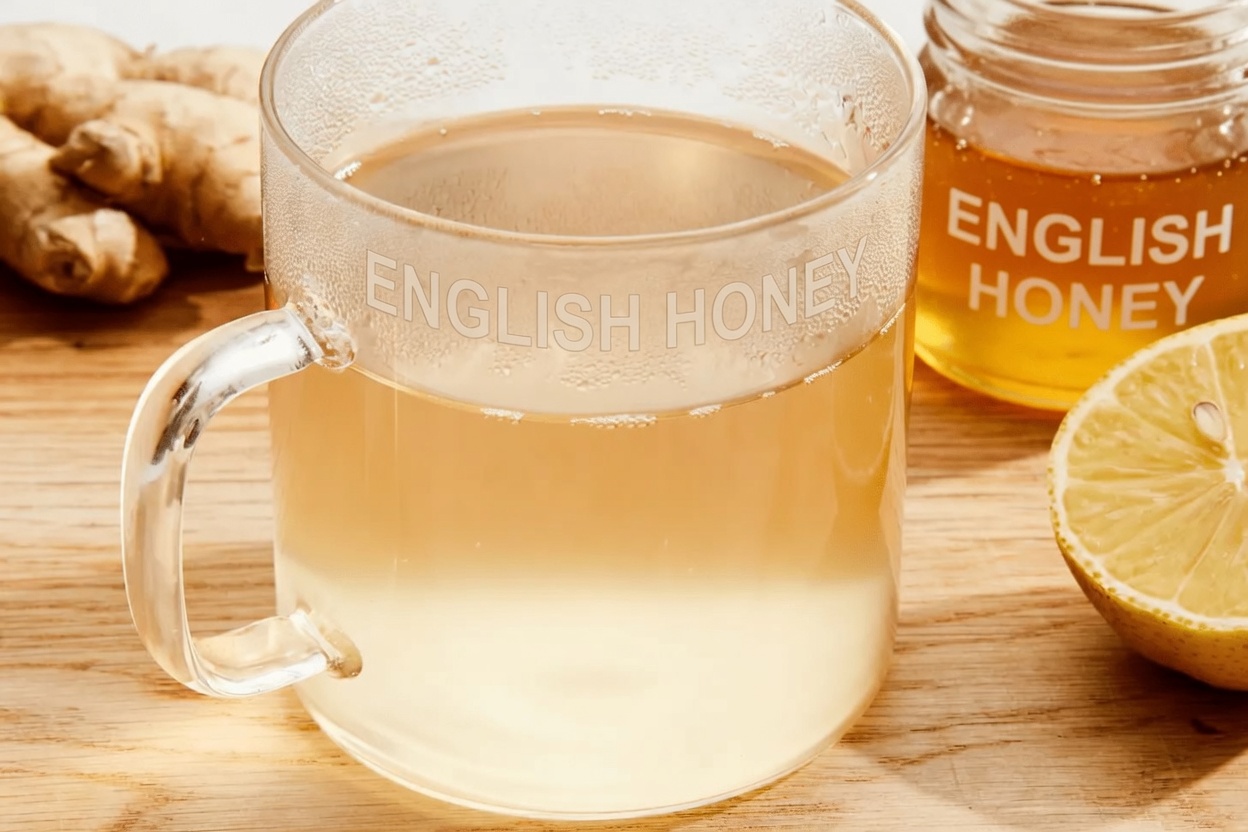
Step-by-Step: A Twice-Weekly Ginger Scalp Ritual
This routine is simple, low-cost, and doesn’t require special tools. Aim for two times per week—more frequent use may be too stimulating for some scalps.
Ingredients
- 2–3 inches of fresh ginger root
- Optional: coconut oil or jojoba oil (for dilution)
- Cotton pads or clean fingertips
Directions
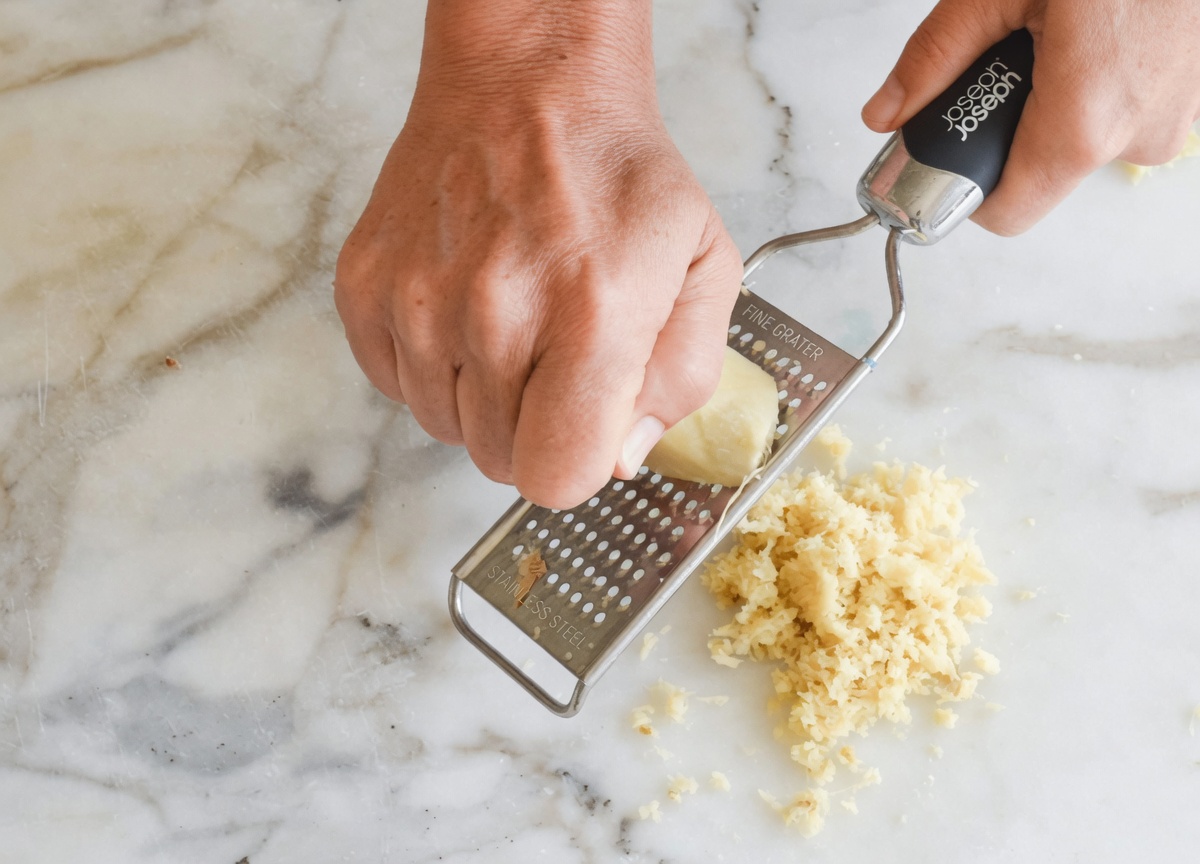
- Peel the ginger and grate it finely.
- Squeeze or strain the grated ginger to extract the juice.
- If your scalp is sensitive, mix the juice 1:1 with a carrier oil.
- Part your hair and apply the mixture directly to the scalp.
- Massage gently for 5–10 minutes.
- Cover with a shower cap and leave on for 30–60 minutes.
- Rinse thoroughly and wash with a mild shampoo.
Consistency matters. Many people describe a calmer scalp within a few weeks, with gradual improvements in shedding over time.
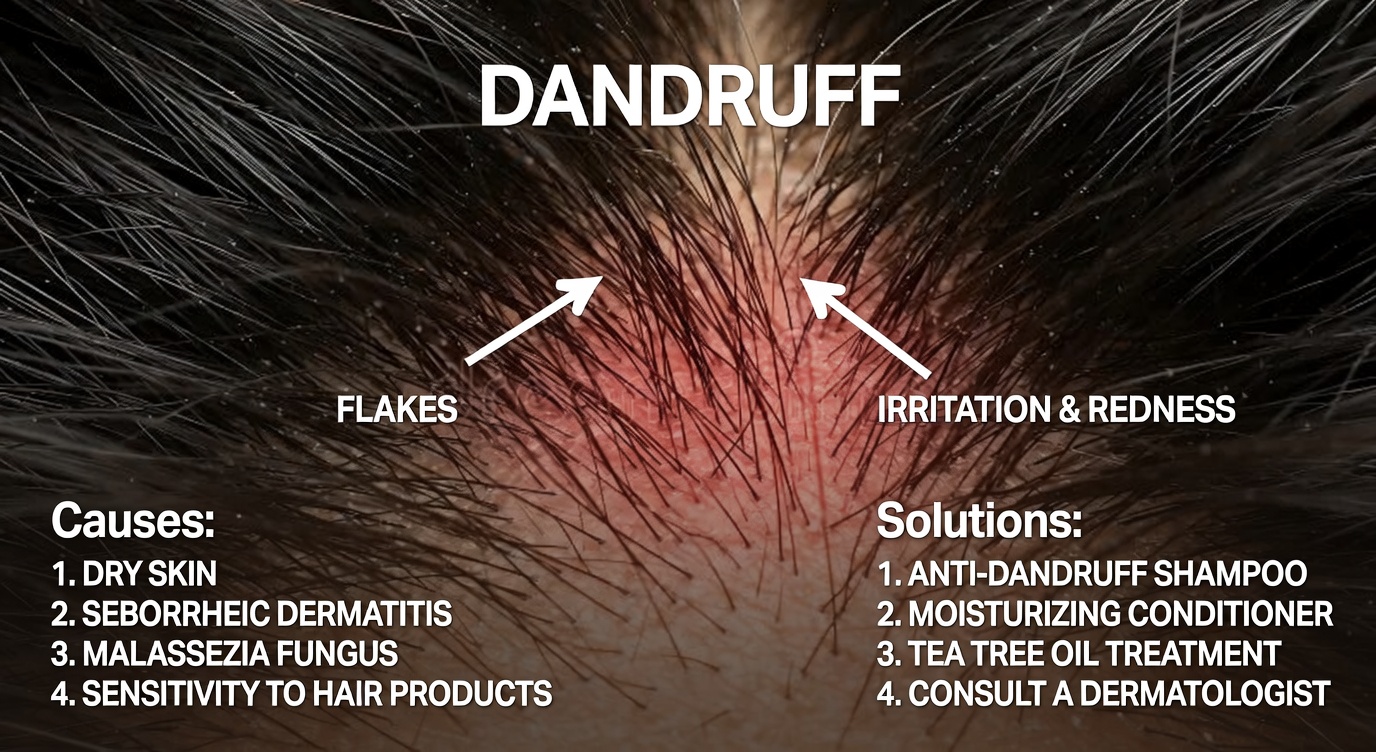
Expected Timeline: What Many People Notice Over Time
Results vary based on the cause of hair loss, scalp sensitivity, and overall hair care habits. However, a common experience looks like this:
-
Weeks 1–2 (Getting started)
- Often: less itchiness, a fresher scalp feel
- Tip: patch test first and stop if irritation occurs
-
Weeks 3–6 (Building consistency)
- Often: reduced day-to-day shedding, improved comfort
- Tip: massage thoroughly to support absorption
-
Ongoing (Maintenance)
- Often: hair appears fuller, better retention and reduced breakage
- Tip: pair with gentle washing, minimal heat, and low-tension styles
For many, this routine feels like a practical, low-pressure way to reduce the emotional weight that comes with hair thinning.
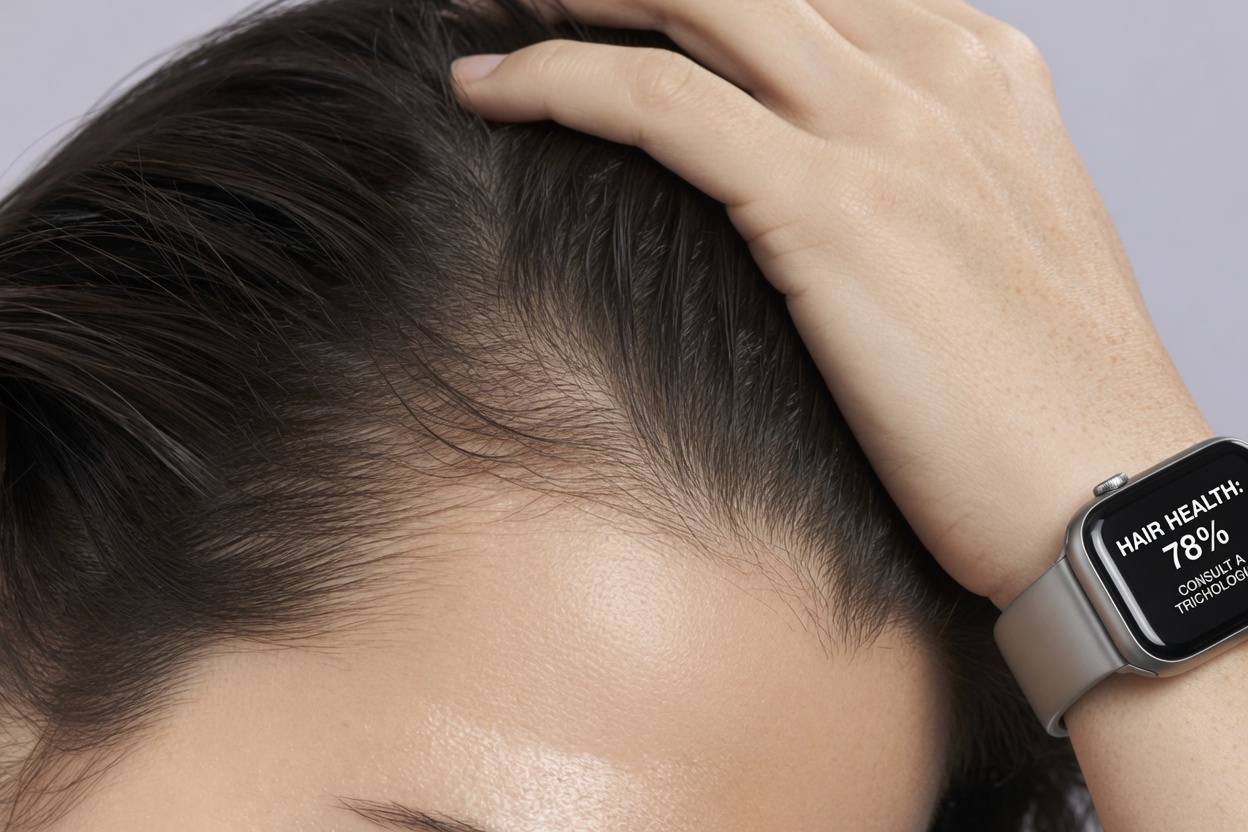
Ginger Twice Weekly vs. Other Popular Hair Thinning Options
-
Cost
- Ginger ritual: very affordable
- Commercial serums: higher ongoing cost
- Salon treatments: expensive sessions
-
Convenience
- Ginger ritual: easy, home-based
- Serums: daily use required
- Salon treatments: appointment-dependent
-
Focus
- Ginger ritual: scalp comfort + circulation support
- Serums: targeted active ingredients (can vary widely)
- Salon treatments: intensive but infrequent
-
Comfort and tolerance
- Ginger ritual: often gentle when diluted
- Serums: may irritate depending on formula
- Salon treatments: may show quick changes but aren’t a daily support system
If you’re tired of inconsistent outcomes, ginger can be a refreshing natural option to explore—especially as supportive scalp care.

Imagine Feeling More Confident About Your Hair Again
Think about running your fingers through hair that feels stronger, looks healthier, and causes less worry each day. A twice-weekly ginger scalp ritual won’t be a guaranteed fix for everyone, but many people find it a meaningful addition to their routine—especially when hair thinning is paired with scalp irritation or discomfort.
Frequently Asked Questions
How often should I apply ginger to my scalp?
Twice weekly is a balanced approach for most people. Applying it more often may increase the risk of irritation, especially if your scalp is sensitive.
Can ginger help with every type of hair shedding?
Ginger may support scalp health, but hair loss has many causes (hormonal changes, genetics, nutritional issues, medical conditions). Consider it complementary care, not a replacement for professional guidance.
Is fresh ginger better than powdered ginger for topical use?
For this type of scalp application, fresh ginger juice is typically preferred because it contains more active compounds in a form commonly used for topical routines.
Important Safety Note
This article is for informational purposes only and is not intended to diagnose, treat, or cure any condition. Always consult a qualified healthcare professional before starting new routines—especially if you have scalp conditions, allergies, or sensitivities. Patch test ginger first and discontinue use if you experience burning, redness, or discomfort.