
Vaginal Odor Changes After 45: What’s Normal, What Worsens It, and What Helps
Many women over 45 begin to notice subtle changes in vaginal odor—and the worry can feel immediate: Can someone notice during a hug, at the gym, or during intimacy? Even mild shifts may trigger self-consciousness and make everyday situations feel stressful.
The good news is that comfort and confidence often return with a few gentle, realistic adjustments. However, one common hygiene practice—usually done with “freshness” in mind—can actually make vaginal odor in older women more noticeable. Keep reading to learn what gynecologists want you to avoid and what to do instead.

Why Vaginal Odor in Older Women Can Feel So Distressing
During perimenopause and menopause, estrogen gradually declines. That hormonal shift affects the vaginal environment in several ways:
- The vaginal lining can become thinner and more sensitive
- Vaginal pH tends to rise (becoming less acidic)
- Protective Lactobacillus bacteria may decrease
Studies suggest that up to 55% of postmenopausal women notice some change in vaginal scent—often described as mild but “different.” Even when the change is normal, the emotional impact can be significant, especially in social settings or close relationships.
You’re not imagining it—and you’re far from alone. Importantly, some “extra-clean” habits can disrupt the natural balance and make vaginal odor in older women linger or intensify.

8 Common Reasons Vaginal Odor Changes After 45
Understanding the likely causes can reduce anxiety and help you choose the right next steps.
8. Hormonal Changes Can Shift Your Natural Scent
With less estrogen, the body produces less glycogen in vaginal tissue (a key fuel source for beneficial bacteria). As the microbiome changes, the scent may also shift. This is a common reason vaginal odor in older women feels unfamiliar—yet it’s often manageable with gentle support.

7. Sweat and Dehydration Can Make Odor Stronger
Hot flashes and night sweats are common during menopause. When you’re dehydrated, sweat and bodily fluids can become more concentrated, which may make any scent more noticeable. Consistent hydration supports overall balance and may help reduce concerns about vaginal odor in older women.
6. Tight, Non-Breathable Clothing Traps Moisture
Synthetic underwear and snug pants can hold heat and moisture close to the skin, creating conditions that encourage irritation and bacterial overgrowth. Switching to breathable fabrics—especially cotton—often improves comfort and can help minimize vaginal odor in older women.
5. Scented Hygiene Products Can Disrupt Sensitive Tissue
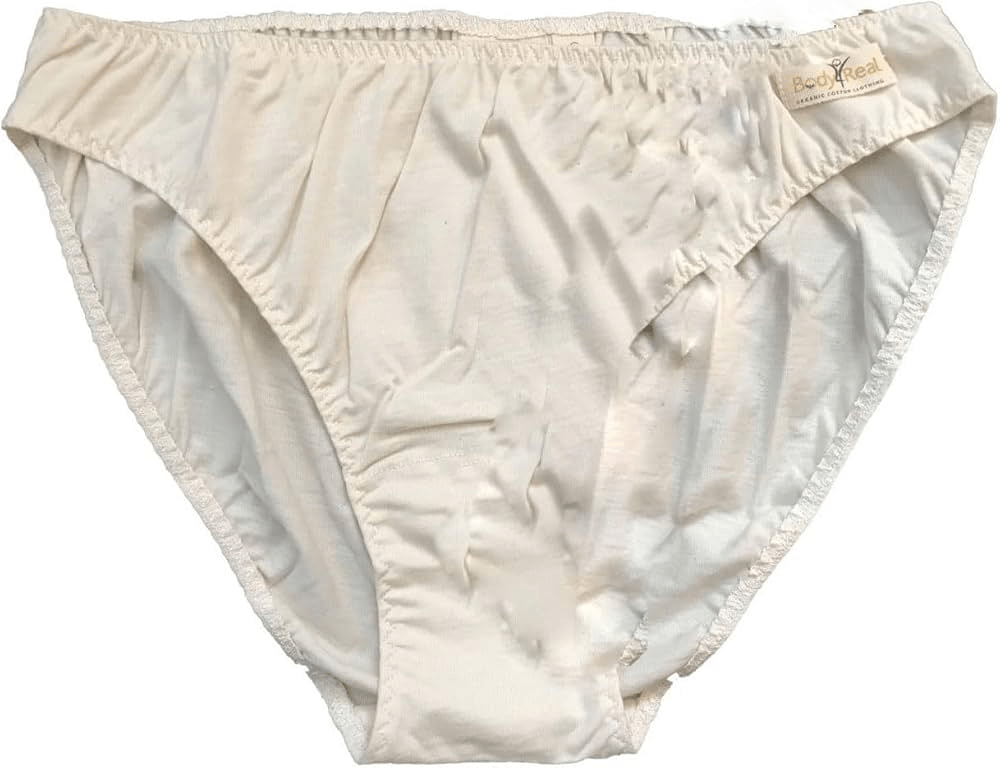
Fragranced soaps, sprays, deodorants, and scented wipes may sound helpful, but they can irritate delicate tissue and disturb pH. Many gynecologists recommend unscented, gentle products to avoid worsening vaginal odor in older women.
4. Too Much Washing Can Remove Natural Protection
Washing more frequently or scrubbing harder doesn’t necessarily help. In fact, aggressive cleansing can strip away natural moisture and upset the protective balance of the vulvar area. In many cases, a simple rinse with warm water is sufficient and more supportive.
3. Light Urine Leakage May Add an Ammonia-Like Note
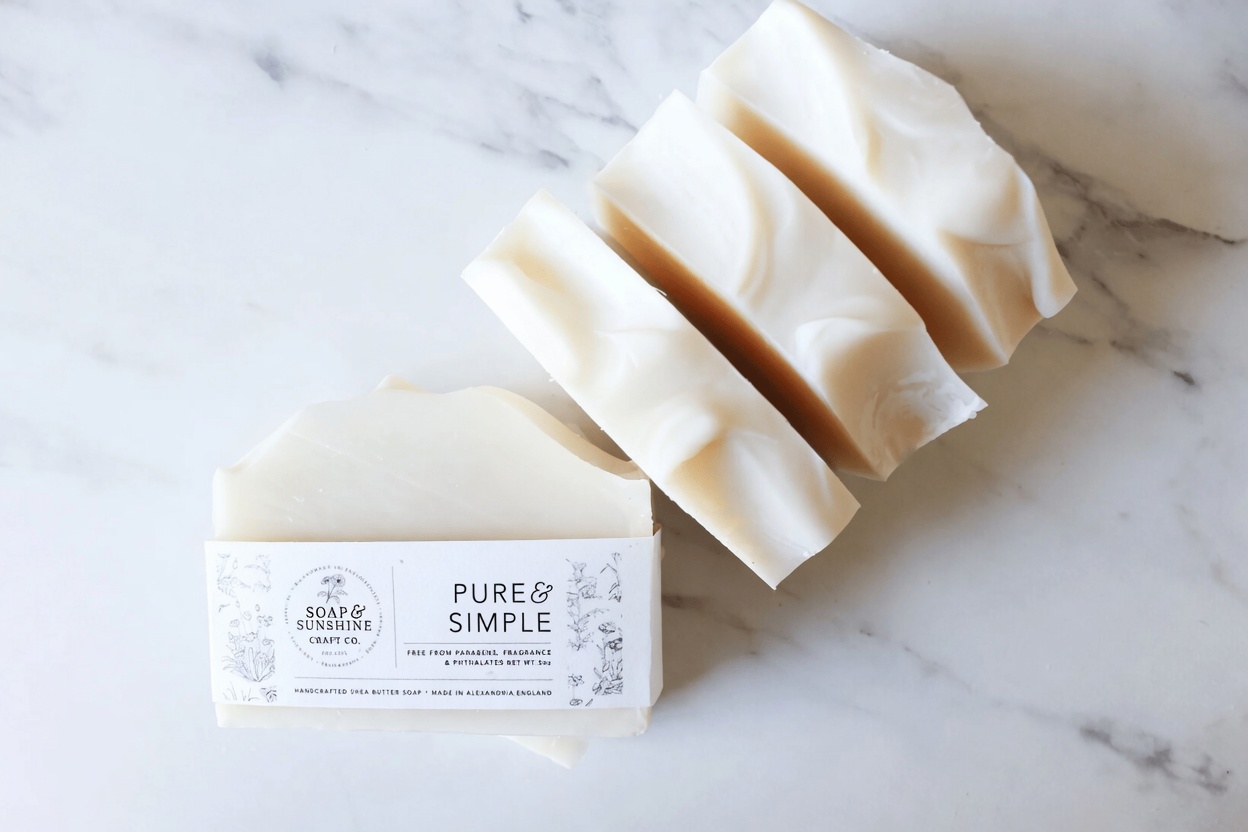
After 45, pelvic floor changes can lead to minor urine leakage, especially when coughing, laughing, or exercising. Even small amounts can create an ammonia scent on underwear. Pelvic floor strengthening may reduce leakage and ease worry about vaginal odor in older women.
2. Infections Can Cause Sudden or Strong Odor Changes
Because pH rises after menopause, bacterial vaginosis (BV) may become more likely for some women. BV often causes a stronger “fishy” odor and may require medical treatment. If the smell changes suddenly or becomes intense, getting evaluated can bring fast relief.

1. Douching: The Habit Gynecologists Warn Against
This is the big one. Douching interferes with the vagina’s natural self-cleaning system by flushing out beneficial bacteria and altering pH. Major medical organizations, including the American College of Obstetricians and Gynecologists (ACOG), advise against douching. It can:
- Increase the risk of infections
- Disrupt healthy vaginal flora
- Make vaginal odor in older women worse—especially when tissues are already more fragile after menopause

How Common Hygiene Habits Stack Up
- Gentle external washing: Supports natural protection; use daily with warm water (or a mild, unscented cleanser if needed)
- Fragranced products: More likely to irritate and disturb pH; best avoided
- Douching: Removes helpful bacteria and raises infection risk; not recommended
- Cotton underwear: Improves airflow and reduces moisture buildup; preferred choice
Simple Daily Steps to Feel Comfortable Again
Small changes often make the biggest difference—because they work with your body, not against it:
- Clean externally only — Rinse with warm water and pat dry (no harsh scrubbing).
- Wear breathable fabrics — Choose cotton underwear and looser clothing when possible.
- Hydrate consistently — Water intake can reduce concentrated sweat and urine odors.
- Ask about probiotics — Yogurt or supplements may support healthy bacteria (check with your clinician first).
- Support your pelvic floor — Regular Kegel exercises may reduce minor leakage.
- See a gynecologist when needed — Especially if odor is strong, persistent, or accompanied by discomfort.
Final Thoughts
Changes in vaginal odor in older women are common and often reflect normal shifts in hormones, pH, and vaginal bacteria. Avoiding douching, skipping fragranced products, and choosing gentle daily care can help many women feel comfortable—and confident—again. Start with one small adjustment this week and build from there.
Frequently Asked Questions
-
Is vaginal odor normal after menopause?
Yes. A mild natural scent is typical. A strong, fishy, or unusual odor may signal an infection or imbalance and should be checked. -
Why can douching make vaginal odor worse?
Because it washes away protective bacteria and disrupts pH, allowing less helpful microbes to grow—often increasing odor and infection risk. -
When should I see a doctor?
Make an appointment if the odor is strong or doesn’t improve, or if you also notice itching, unusual discharge, burning, pain, or irritation.
This article is for informational purposes only and is not a substitute for professional medical advice. Always consult a qualified healthcare provider regarding vaginal health concerns or symptoms.