
Onions for Prostate and Bladder Wellness: Benefits, Onion Skins, and Safe Use
For generations, everyday kitchen staples have been used in traditional wellness routines. One ingredient that often gets underestimated is the onion. Beyond adding flavor to meals, onions—and even their papery outer skins—contain plant-based compounds that may support overall health.
In recent years, more people have started looking into the link between onions and prostate and bladder health, largely because onions provide antioxidants and anti-inflammatory nutrients. Onions are not a medical treatment, but studies suggest they deliver compounds that can support urinary wellness when included in a balanced lifestyle.
This guide breaks down the potential benefits of onions and onion skins, how they may relate to prostate health, and practical, safe ways to use them at home.
Why Prostate and Bladder Health Deserves Attention
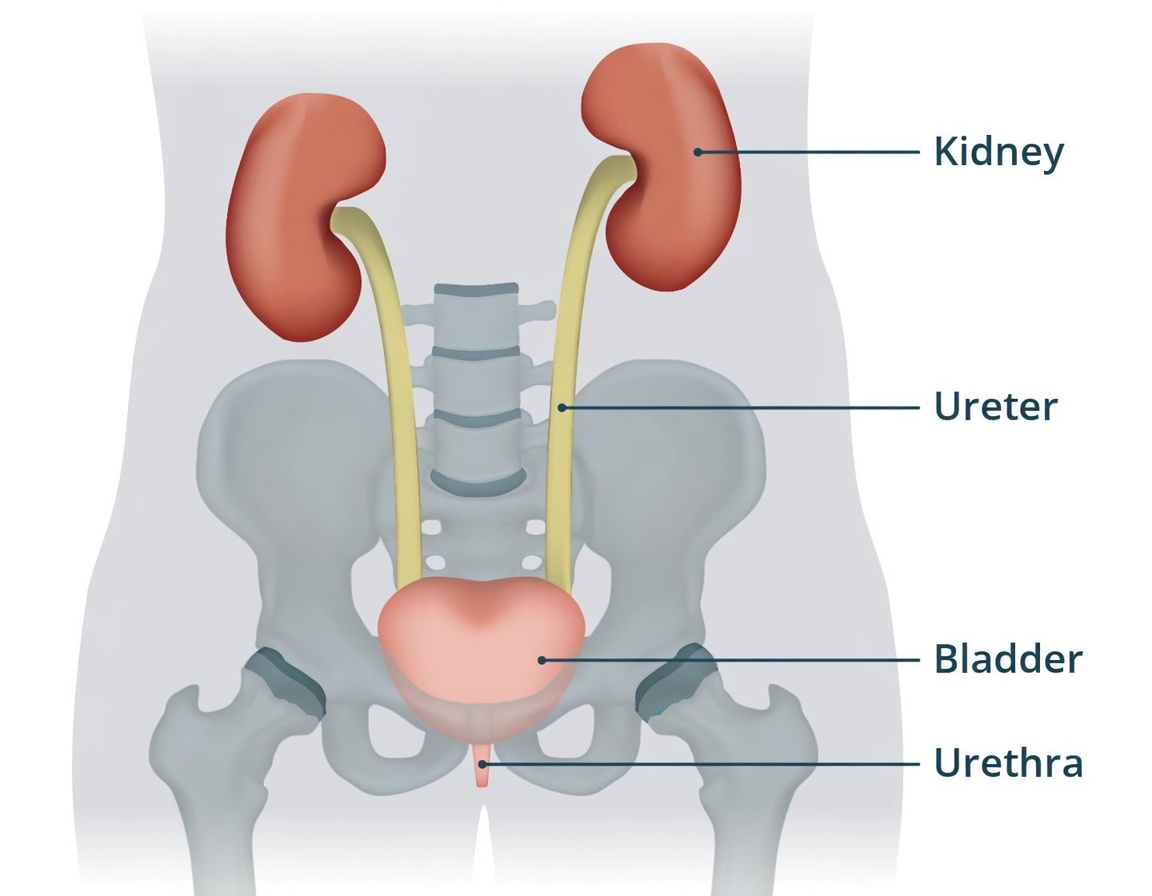
The prostate and bladder play key roles in the male urinary system. With age, these organs may become more affected by inflammation, hormonal shifts, and oxidative stress.
Common prostate- and bladder-related concerns include:
- Frequent urination
- Reduced urine stream strength
- Waking at night to urinate
- Bladder irritation or discomfort
- Benign prostatic hyperplasia (BPH)
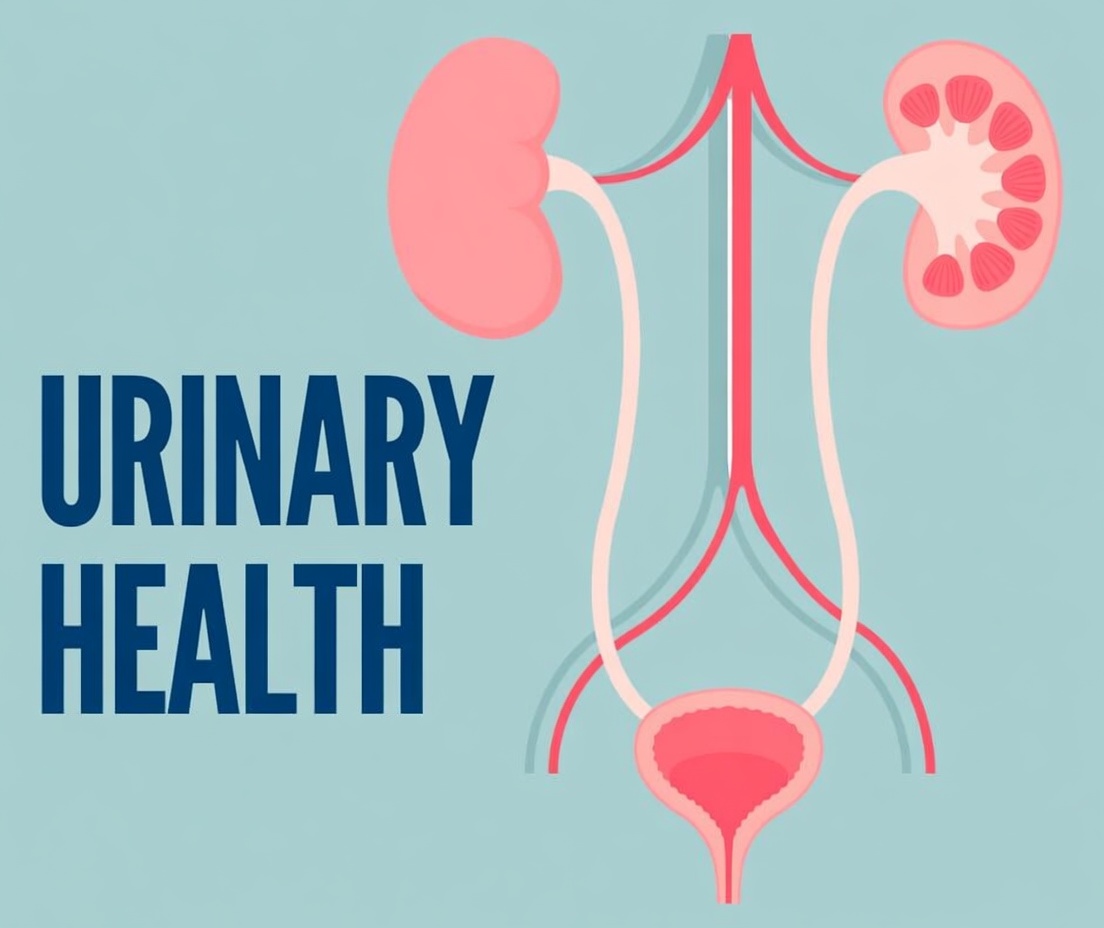
Diet and lifestyle choices can influence urinary function over time. Foods rich in antioxidants and protective plant compounds—such as onions—may help the body manage inflammation and oxidative damage more effectively.
The Nutritional Strength of Onions (Allium Vegetables)
Onions belong to the Allium family, alongside garlic, leeks, and chives. Allium vegetables are known for their distinctive sulfur-based compounds and flavonoids, which are widely studied for health-supporting properties.
Research indicates that onions contain bioactive nutrients with antioxidant and anti-inflammatory activity—two factors frequently linked to healthy aging.
Key compounds found in onions include:
- Quercetin (a well-known flavonoid antioxidant)
- Sulfur compounds (associated with anti-inflammatory effects)
- Phenolic compounds (supporting free-radical defense)
- Vitamin C and dietary fiber
Some studies also suggest that higher intake of allium vegetables may correlate with a lower risk of certain cancers, including prostate cancer, though more research is still needed to confirm this relationship.
Why Onion Skins May Contain Even More Antioxidants
Most people throw away onion skins, not realizing the outer layers can hold some of the highest concentrations of beneficial compounds.
Nutrition sources often highlight that onion peels are especially rich in flavonoids such as quercetin and pigments like anthocyanins, both of which can help the body respond to oxidative stress.
Onion skins may also provide:
- Higher fiber content than inner layers
- Increased levels of antioxidants
- Small amounts of vitamins A, C, and E
- Minerals including calcium and zinc
Because oxidative stress is closely linked to inflammation and age-related cellular wear, antioxidant-rich foods (and food parts) like onion skins may support the body’s natural protective mechanisms.
Potential Ways Onions May Support Prostate Health
Onions are not a cure for prostate conditions. However, their nutrient profile suggests they could contribute to prostate wellness in several supportive ways.
1. Anti-inflammatory support
Inflammation is commonly discussed in relation to prostate discomfort. Onion flavonoids—especially quercetin—have been studied for their ability to influence inflammatory pathways.
Supporting a healthier inflammatory balance may help maintain normal tissue function over time.
2. Antioxidant defense against oxidative stress
Free radicals can contribute to cellular damage when oxidative stress is high. The antioxidants in onions help neutralize these unstable molecules.
Laboratory research on onion peel extracts has shown strong antioxidant and anti-inflammatory activity, suggesting onion skins are a concentrated source of bioactive compounds.
For men as they age, consistently consuming antioxidant-rich foods may be one helpful part of overall cellular and metabolic support.
3. Possible benefits for urinary function
Vegetable-forward eating patterns that include onions and garlic have been associated in some populations with better prostate health and fewer symptoms linked to enlargement.
While findings are not definitive, the pattern supports a broader point: a nutrient-dense diet can be a meaningful foundation for long-term urinary wellness.
Practical Ways to Use Onion Skins in Daily Life
If you want to try onion skins for wellness purposes, there are several simple options that don’t require eating the tough peel directly.
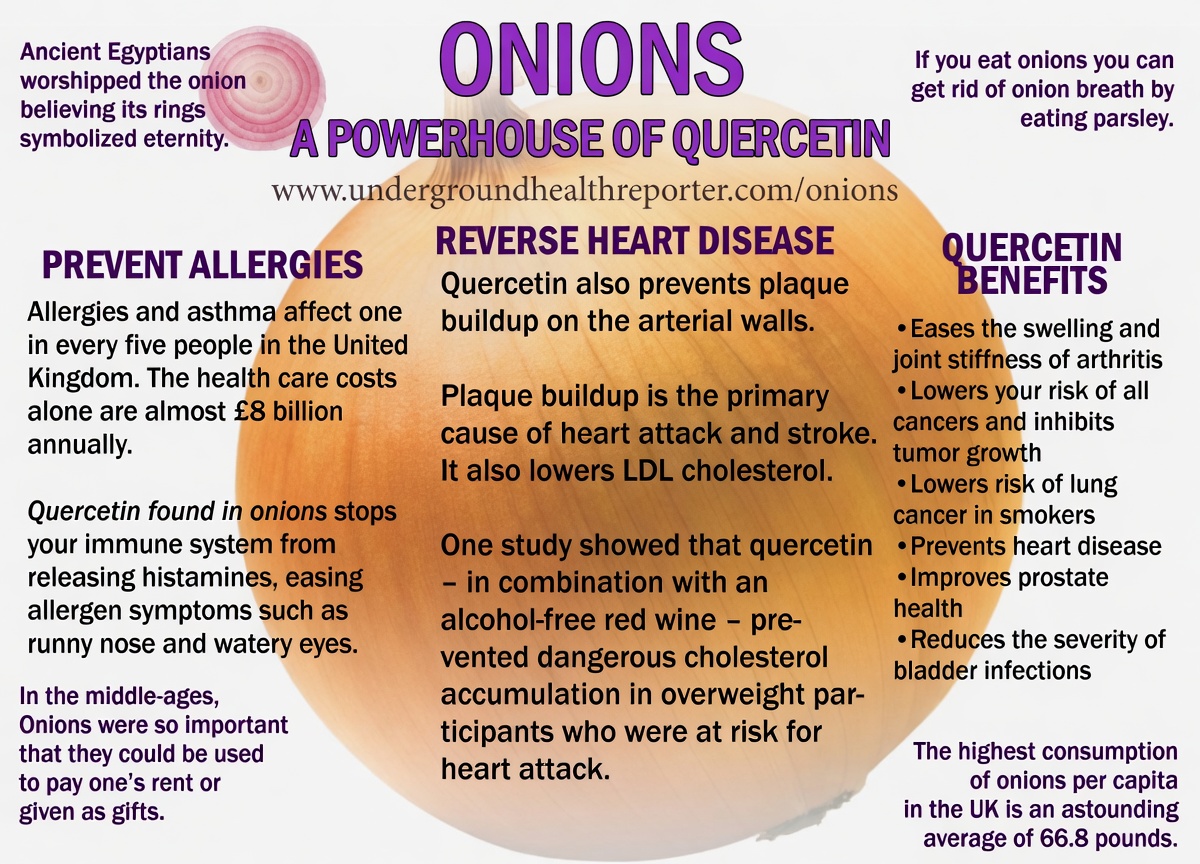
1. Onion skin tea
A common traditional method is simmering onion skins into a light infusion.
How to prepare:
- Thoroughly rinse the skins from 1–2 onions
- Add to a pot with about 2 cups of water
- Simmer for 10–15 minutes
- Strain and drink warm
The tea typically has a mild, earthy taste.
2. Add onion skins to soups and broths
For an easy approach, place clean onion skins into soup or stock while cooking, then remove them before serving. This allows beneficial compounds to infuse into the liquid without needing to chew the peel.
3. Make onion skin powder
You can dry onion skins and grind them into a seasoning. Onion skin powder may contribute:
- A subtle savory flavor
- Extra antioxidants
- Additional fiber
Safety Notes and Important Limitations
Onions are generally safe in normal food amounts, but they are not a proven treatment for prostatitis, urinary tract infections, or prostate disease.
If you have ongoing urinary symptoms, seek guidance from a qualified healthcare professional.
Helpful precautions:
- Wash onion skins well to reduce possible pesticide residue
- Avoid eating raw skins, as they can be difficult to digest
- Start with small amounts when using tea or broth methods
Lifestyle Habits That Also Support Prostate and Bladder Health
Diet matters, but it works best alongside consistent daily habits. Consider these supportive strategies:
- Drink enough water throughout the day
- Focus on a plant-forward, nutrient-rich diet
- Maintain a healthy body weight
- Reduce highly processed foods and limit heavy alcohol intake
- Stay physically active
- Keep up with routine medical checkups
Combining these habits with antioxidant-rich foods like onions may help support urinary wellness over the long term.
Conclusion
Onions and onion skins are simple, widely available ingredients packed with antioxidants, fiber, and beneficial plant compounds. They should never replace medical care, but they may provide gentle nutritional support for prostate and bladder health as part of a balanced routine.
Instead of discarding onion skins, consider using them in broths, teas, or as a powdered seasoning. Sometimes, wellness-supporting ingredients are already within reach—right in your kitchen.
FAQ
1. Can onion skins cure prostate problems?
No. Onion skins are not a cure for prostate conditions. They may offer nutritional support, but they are not a substitute for medical diagnosis or treatment. Consult a healthcare professional if symptoms persist.
2. Are onion skins safe to consume?
Yes, when prepared properly. Wash them thoroughly and begin with small amounts, especially if using them in tea or broth, to reduce the chance of digestive discomfort.
3. What are the best ways to add onion skins to my diet?
Popular options include simmering them into broth, making onion skin tea, or grinding dried skins into a powder to sprinkle onto meals.
Disclaimer: This article is for informational purposes only and is not intended to replace professional medical advice, diagnosis, or treatment. Always consult a physician or qualified health provider with questions about any medical condition.