
Nighttime Urgency, Weak Flow, and BPH: Can Natural Oils Help?
Waking up in the middle of the night with a sudden, urgent need to urinate—and then experiencing a slow, hesitant stream—can be frustrating and exhausting. For many men over 50, this becomes a regular disruption rather than a one-off inconvenience. One common reason is an enlarged prostate, medically known as Benign Prostatic Hyperplasia (BPH).
While BPH can affect sleep, confidence, and day-to-day comfort, some men look beyond conventional options and explore natural oils for prostate health as supportive tools for symptom management.
Why Does BPH Become More Common With Age?
BPH is extremely common: more than half of men develop it by age 60. Typical symptoms include:
- Frequent urination (especially at night)
- Weak or interrupted urine flow
- Trouble starting urination
- The feeling of incomplete bladder emptying
These issues often happen because, as the prostate grows, it can compress the urethra, narrowing the channel urine passes through. Hormonal shifts (including changes related to testosterone metabolism) and inflammation are also believed to contribute.
6 Natural Oils That May Support Prostate Health (BPH-Friendly Options)
There is no instant cure for BPH, and evidence varies by ingredient. Still, several plant-derived oils and extracts have a long history of use and emerging research interest for urinary function and prostate support. Below are six commonly discussed options.
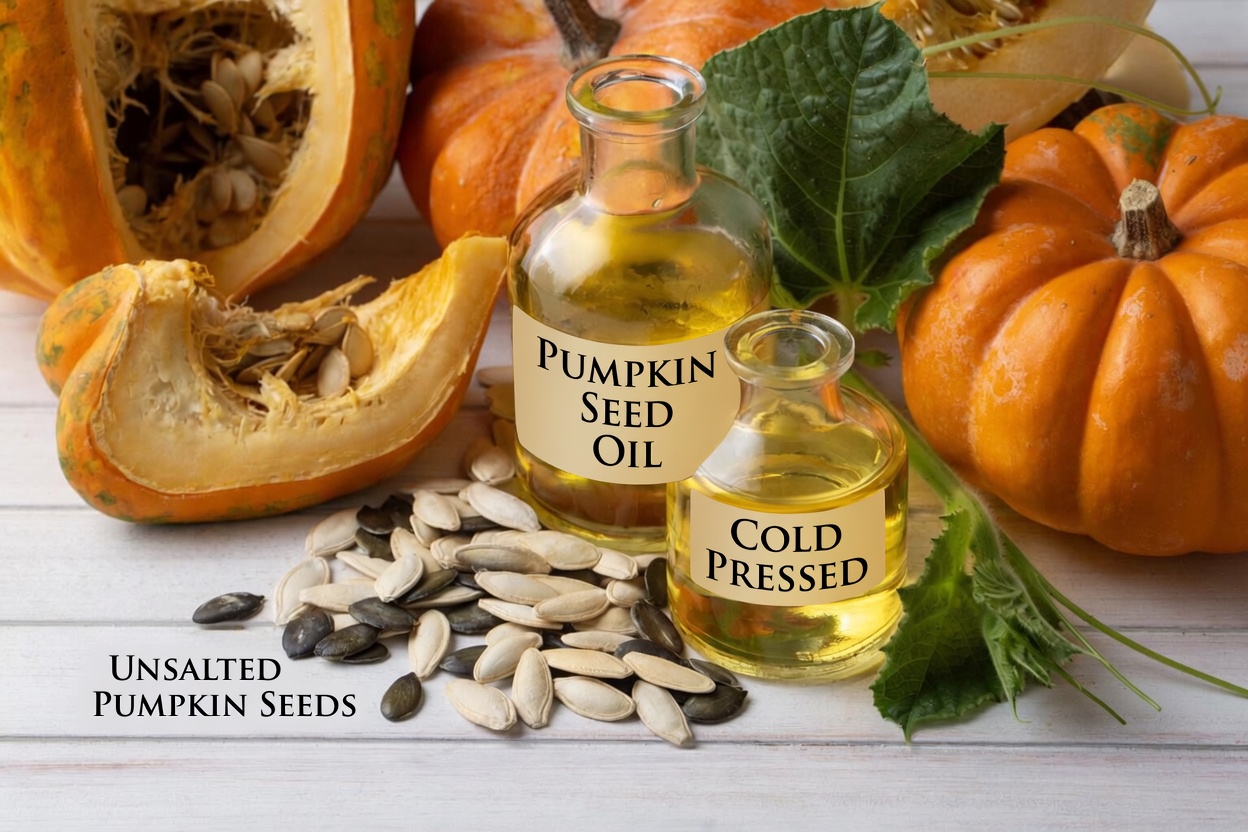
6) Saw Palmetto Oil: One of the Most Studied BPH Remedies
Saw palmetto comes from the berries of the Serenoa repens plant. The oil/extract has been widely researched for BPH symptom support. A key proposed mechanism is its potential effect on DHT (dihydrotestosterone), a hormone linked to prostate enlargement.
Some studies suggest saw palmetto may help reduce:
- Frequent urination
- Nighttime urination (nocturia)
- Overall urinary discomfort
Saw palmetto is most commonly found in capsules, though oil-based preparations and topical blends exist as well.
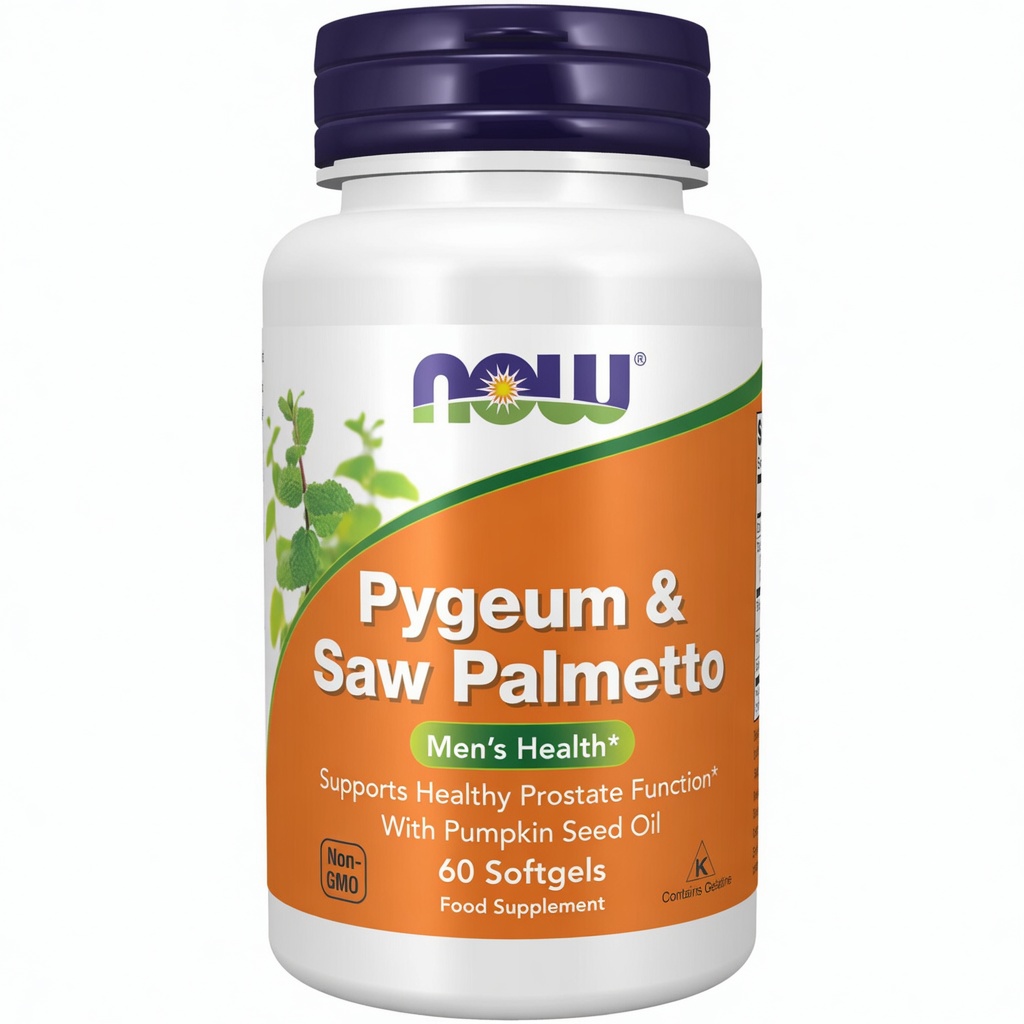
5) Pumpkin Seed Oil: Nutrient-Dense Support for Urinary Flow
Pumpkin seed oil is known for its rich nutrient profile, including zinc and plant compounds like phytosterols. These phytosterols are studied for their potential influence on prostate-related pathways and urinary function.
Research suggests pumpkin seed oil may be associated with:
- Improved urine flow
- Reduced nocturia (nighttime bathroom visits)
Many people use it as a food oil (for example, over salads). It is also available as a supplement.
4) Pygeum Oil (African Plum): Traditional Anti-Inflammatory Support
Pygeum is derived from the bark of the African plum tree (Prunus africana). Traditionally used for urinary concerns, pygeum contains phytosterols and other compounds that may help address inflammation, a factor often discussed in BPH symptom severity.
Studies have linked pygeum preparations with potential improvements in:
- Urinary flow
- Nighttime urination
- Bladder emptying comfort
Pygeum is typically used as a standardized supplement extract, though some topical products also exist.
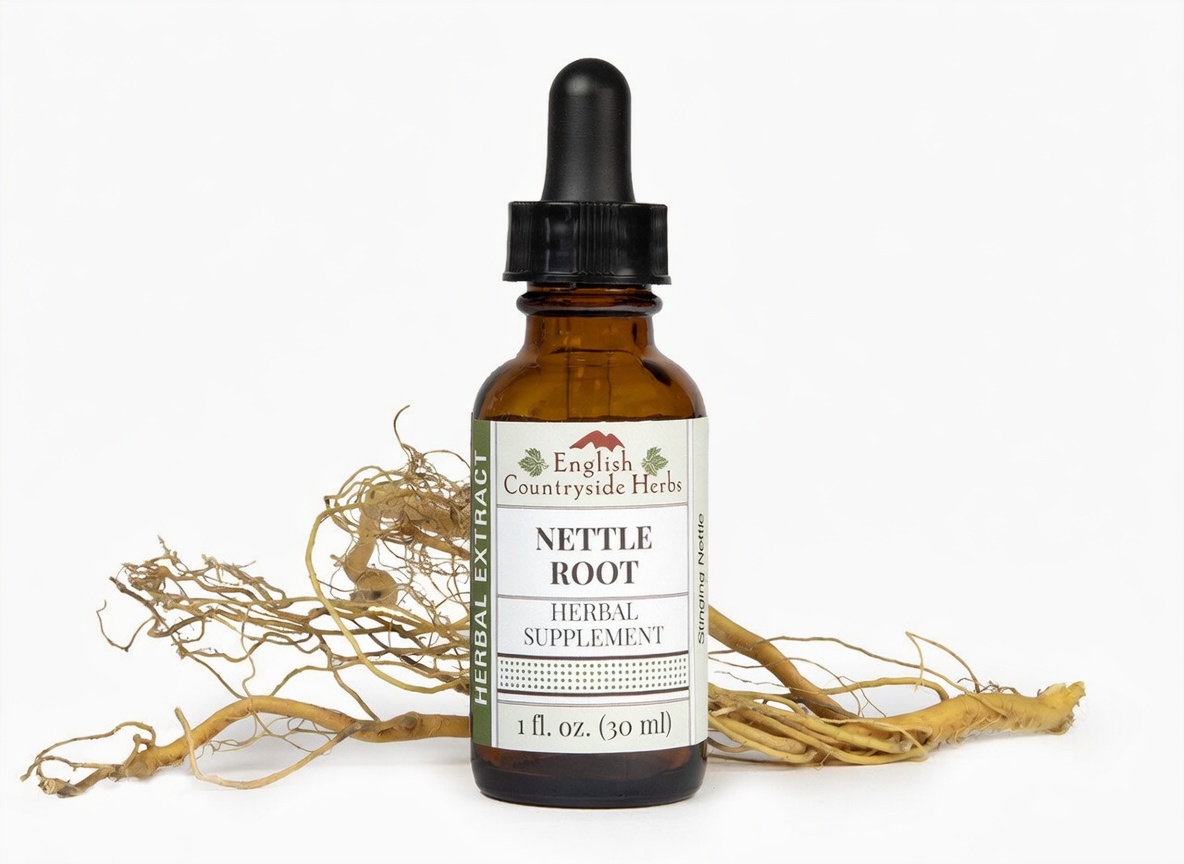
3) Stinging Nettle Root Oil: A Longtime European Favorite
Although stinging nettle is famous for its sting, the root is used in many European herbal traditions for urinary and prostate support. Nettle root may influence proteins and pathways involved in prostate-related symptoms and is often used in combination formulas.
Potential benefits may include support for:
- Urinary frequency and urgency
- Overall lower urinary tract comfort
It commonly appears in capsules, teas, or blended supplements rather than as a standalone culinary oil.
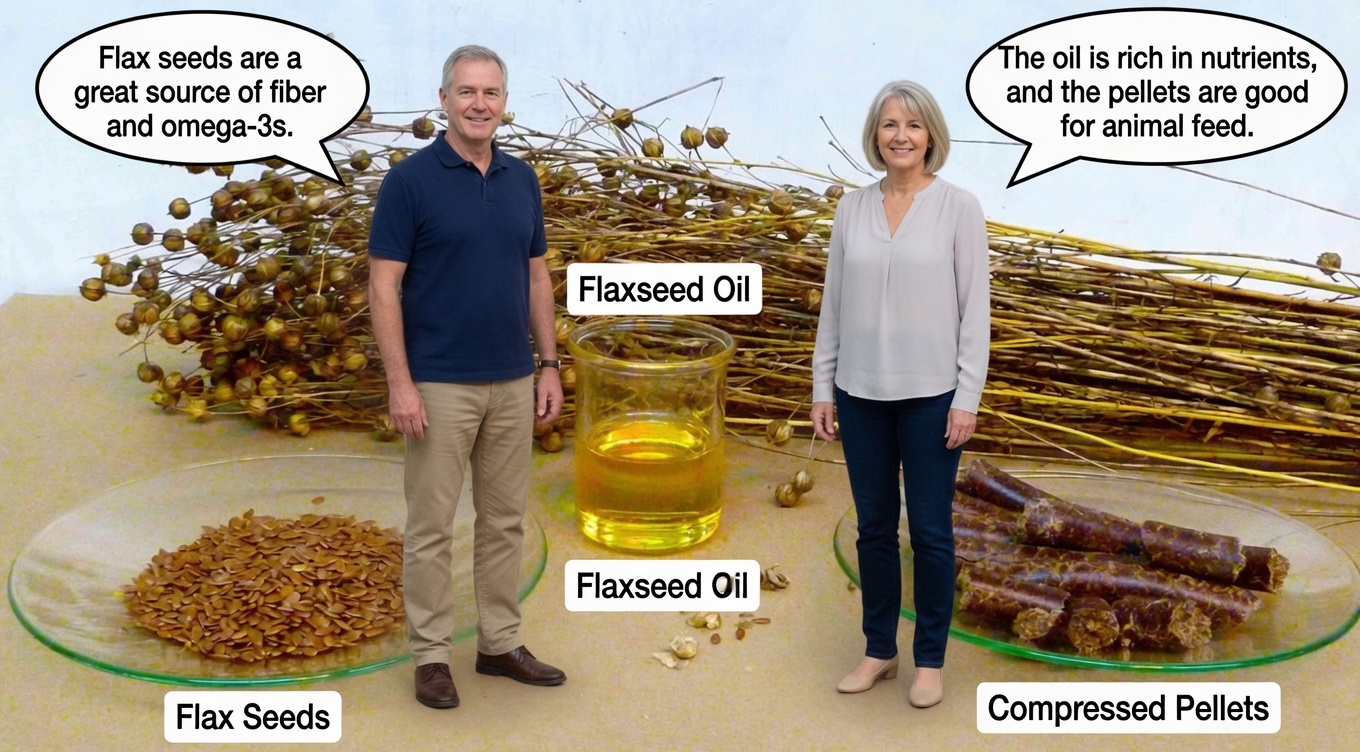
2) Flaxseed Oil: Omega-3s and Anti-Inflammatory Potential
Flaxseed oil is valued for ALA omega-3 fatty acids and other naturally occurring compounds often discussed for their role in inflammation and hormone balance. Because inflammation is frequently linked with worsening urinary symptoms, flaxseed oil is sometimes used as a supportive dietary option.
Common ways to use flaxseed oil include:
- Mixing into smoothies
- Adding to salads or cold foods
It’s also popular beyond prostate support due to its role as a heart-healthy fat. (Tip: store it properly—flaxseed oil is sensitive to heat and oxidation.)
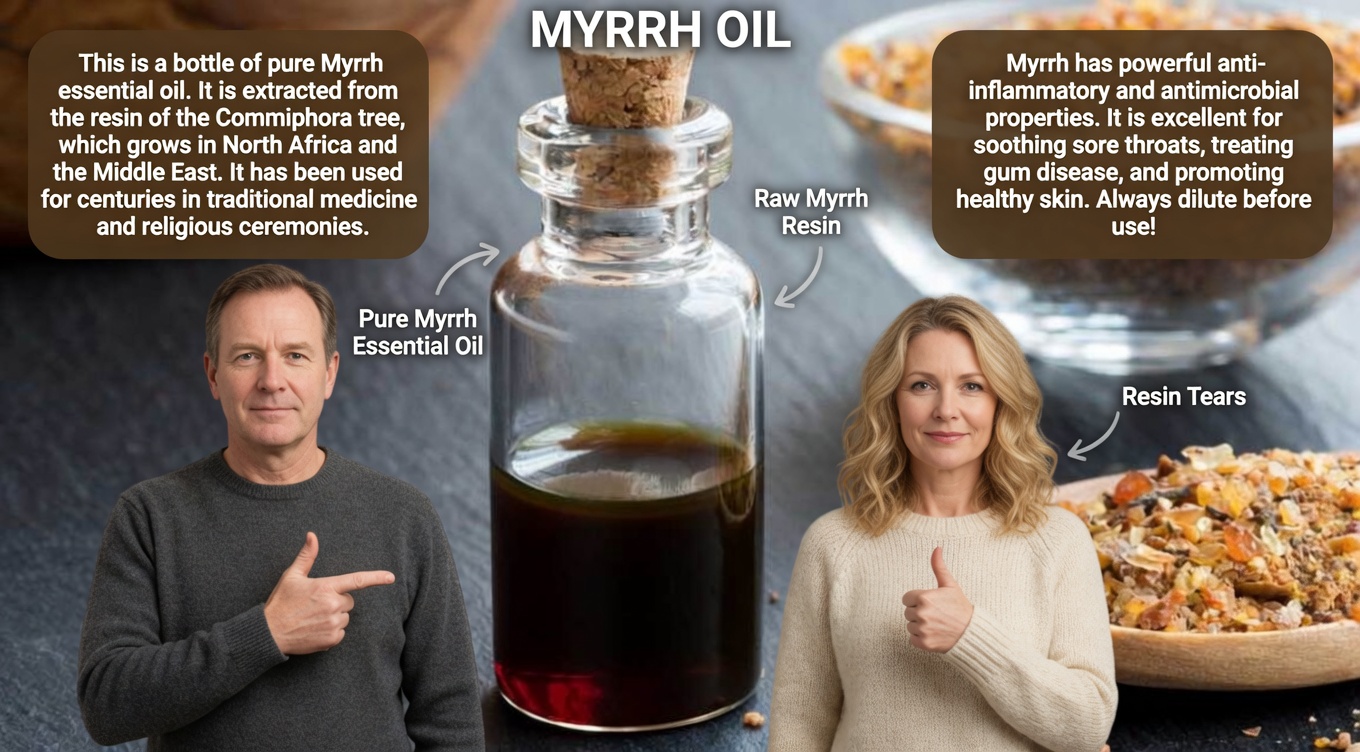
1) Frankincense and Myrrh Essential Oils: Ancient Resins, Modern Interest
Frankincense and myrrh are resin-derived essential oils with a long historical footprint. Modern interest centers on their anti-inflammatory properties, including compounds such as boswellic acids (particularly associated with frankincense).
While evidence for BPH is still emerging and often anecdotal—especially for topical use—some men use these essential oils to help soothe pelvic or prostate-area discomfort.
Important safety note: Essential oils must be diluted before skin application, and a patch test is strongly recommended.
Quick Comparison: Key Compounds and Potential Benefits
- Saw Palmetto Oil: fatty acids — may support DHT-related pathways
- Pumpkin Seed Oil: phytosterols — may support urinary flow
- Pygeum (African Plum): bark compounds/phytosterols — may help reduce inflammation
- Stinging Nettle Root: plant lignans/other actives — may support urinary symptoms
- Flaxseed Oil: omega-3 ALA — may support inflammation balance and hormones
- Frankincense/Myrrh: resin compounds (e.g., boswellic acids) — topical soothing potential
How to Use These Oils More Safely
If you want to try natural oils for BPH symptoms, consider these common approaches:
- Saw Palmetto: Often taken in capsule or oil-based softgel form with meals.
- Pumpkin Seed Oil: Commonly 1–2 teaspoons daily (cold-pressed is a popular choice).
- Pygeum: Typically used as a standardized extract supplement.
- Nettle Root: Found in teas or capsules, frequently combined with other prostate herbs.
- Flaxseed Oil: Often about 1 tablespoon daily mixed into food; store refrigerated.
- Frankincense/Myrrh: Use only diluted topically; patch test first.
If you take prescription medications or have chronic health conditions, consult a qualified healthcare professional before adding supplements or essential oils, as interactions are possible.
Conclusion
Natural oils may offer supportive benefits for men managing BPH and urinary symptoms, especially when used consistently and carefully. Results can vary significantly, so it helps to introduce one option at a time and track changes in sleep, frequency, and urine flow over several weeks.
Frequently Asked Questions (FAQ)
-
Can saw palmetto oil help with BPH symptoms?
Research suggests saw palmetto may support BPH symptom relief, potentially by influencing DHT-related mechanisms and urinary function. -
How much pumpkin seed oil is commonly used per day?
A frequently used amount is 1–2 teaspoons daily, especially when using cold-pressed pumpkin seed oil. -
Can I use these oils if I’m taking medication?
You should speak with your healthcare provider first. Supplements and essential oils can interact with medications or affect existing conditions.
Disclaimer: This content is for informational purposes only and is not a substitute for professional medical advice, diagnosis, or treatment. Always consult a qualified healthcare provider before making changes to your health routine.