A Spoonful of Chia Seeds: A Small Habit With All-Day Impact
You mix a spoonful of tiny black chia seeds into your morning water. A few minutes later, they expand into a cool, gel-like texture—slightly nutty, surprisingly satisfying, and more filling than you’d expect. As the day goes on, your energy feels steadier, cravings stay quieter, and your focus seems clearer. That simple routine may be changing how your body manages fuel from morning to night.
So what’s the real story—are chia seeds truly powerful, or just another wellness trend? Even with “healthy” diets, millions of Americans still deal with energy crashes, blood sugar swings, digestive discomfort, and persistent hunger. Chia seeds can be a practical tool to address several of these issues, but only if you understand how they work and how to use them correctly.
In this guide, you’ll learn what happens in your body when you eat chia seeds, the science-backed benefits, real-world success stories, and the best ways to add chia to your daily routine.
What Happens in Your Body When You Eat Chia Seeds
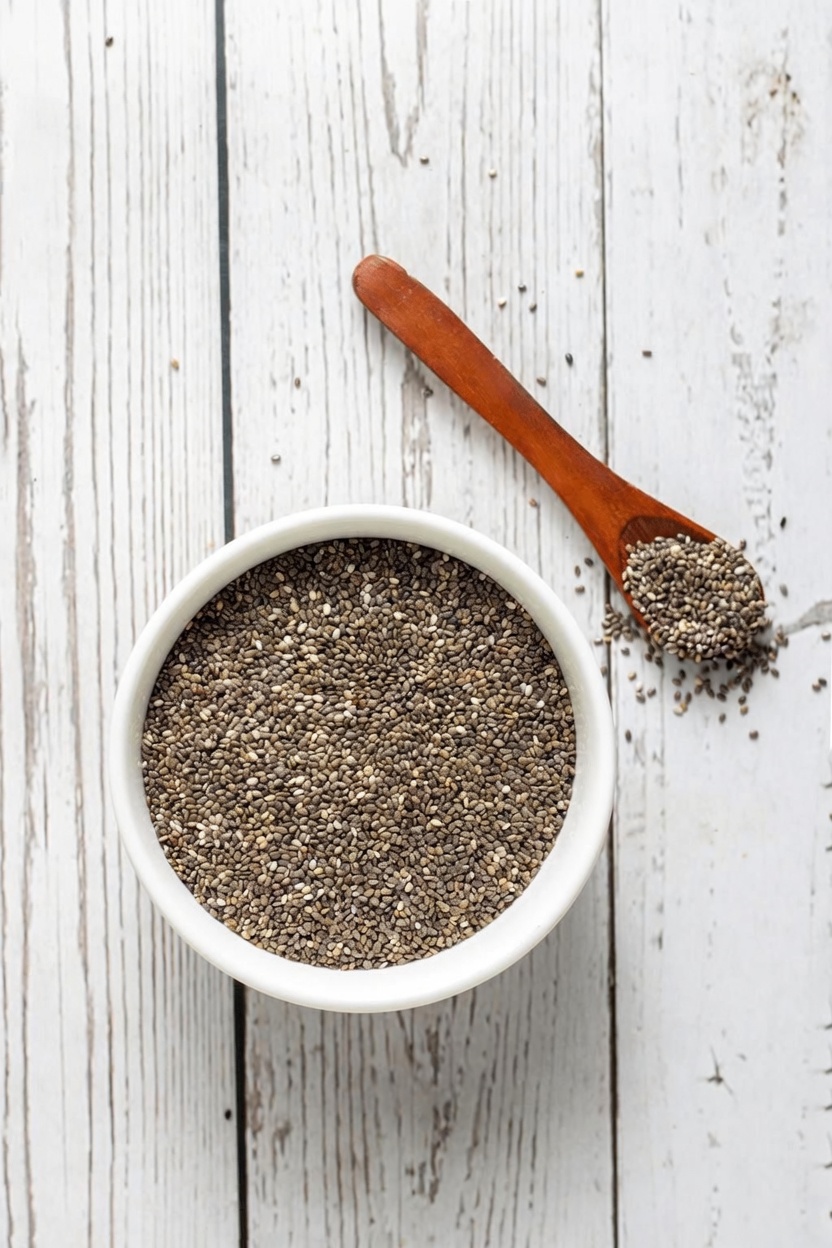
When dry chia seeds come into contact with liquid—water, milk, yogurt, or even stomach fluids—they absorb up to 12 times their weight. This creates a thick, viscous gel.
That gel matters because it can:
- Slow down carbohydrate digestion
- Support a more gradual release of glucose
- Reduce the likelihood of the classic spike-and-crash energy pattern
In other words, chia seeds can help turn fast energy into steadier energy.
The Nutritional Profile: Why Just 2 Tablespoons Matter
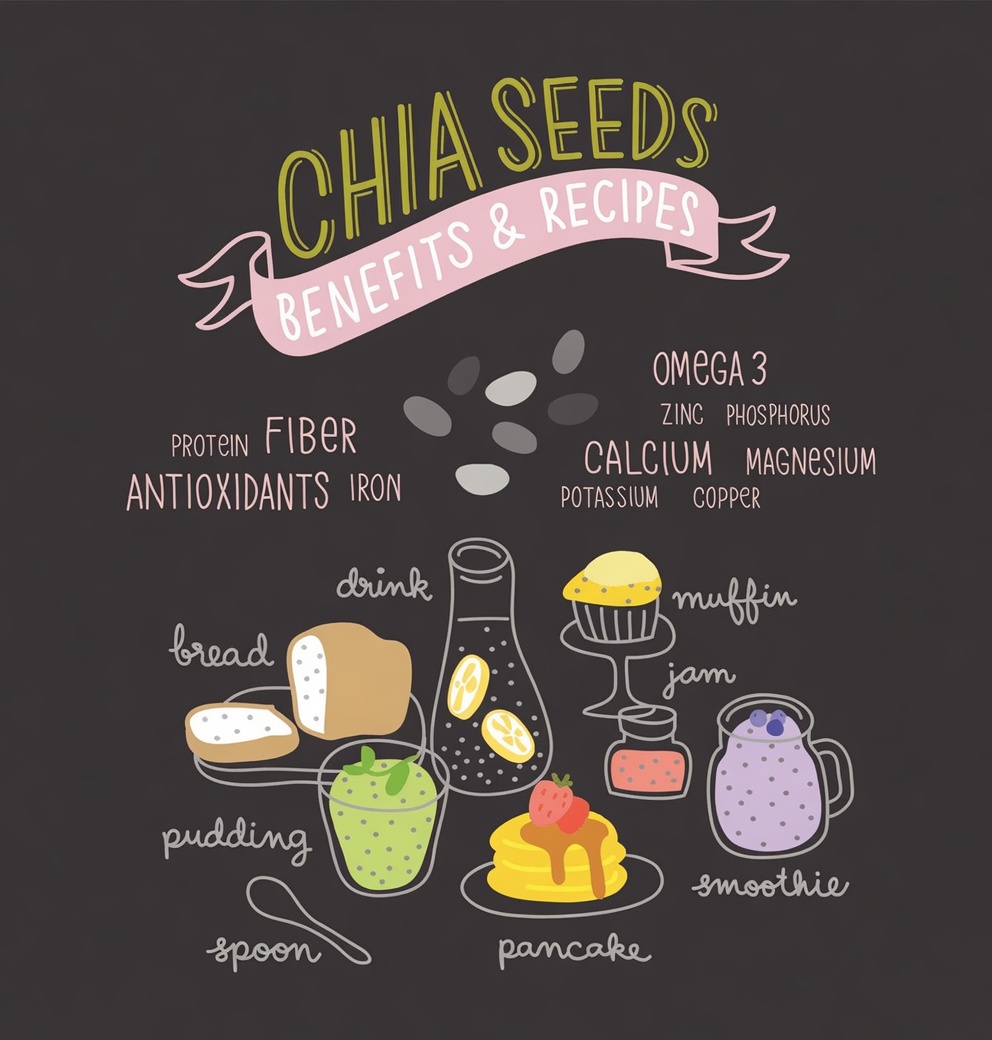
In about 28 g (2 tablespoons) of chia seeds, you’ll get:
- Fiber: ~11 g (40%+ DV), largely soluble
- Protein: ~4–5 g, including all essential amino acids (complete plant protein)
- Omega-3 (ALA): ~5 g, one of the richest plant sources
- Calcium: ~18% DV, with strong bioavailability compared to many foods
- Magnesium: ~30% DV, important for energy production and muscle function
- Phosphorus, zinc, potassium, manganese: support metabolism and bone structure
- Antioxidants: help protect cells from everyday oxidative stress
- Calories: ~137, highly nutrient-dense rather than “empty” calories
Thanks to a low glycemic load plus strong satiety effects, chia seeds can be especially useful for appetite control and stable blood sugar.
Key Benefits of Chia Seeds (With Real-Life Results)
Stabilizes Blood Sugar and Reduces Energy Crashes
Because chia gel slows carbohydrate absorption, it may help reduce sudden rises and drops in blood sugar—often linked to midday fatigue and sugar cravings.
Real-life example: Maria, 47, an office administrator in Texas with prediabetes, added 1 tablespoon of soaked chia to her breakfast smoothies. After four weeks, her afternoon crashes disappeared, and her follow-up labs showed improvement in HbA1c. Her endocrinologist called it a “smart adjunct.”
Promotes Fullness and Helps Curb Overeating
Chia’s expanding fiber can activate fullness signals and reduce the urge to snack, making it a helpful addition for natural appetite control and weight management.
Real-life example: James, 52, a sales manager in Florida, struggled with constant snacking. A mid-morning serving of chia pudding (2 tablespoons) noticeably reduced cravings. Over eight weeks, he lost 9 pounds without extreme restriction.
Supports Digestion and Nourishes the Gut Microbiome
The soluble fiber in chia helps:
- Add bulk to stool
- Encourage regularity
- Reduce constipation risk
It may also act as a prebiotic, feeding beneficial gut bacteria and supporting long-term digestive health.
Real-life example: Elena, 39, a mother in California with IBS-like symptoms, began soaking 1 tablespoon of chia nightly. Within two weeks, bloating decreased and regularity improved. Her gastroenterologist supported the change, and she reported a calmer gut overall.
Improves Heart Health Markers and Lipid Profile
Chia seeds are rich in omega-3 ALA, which research links to improvements in heart-health indicators. Studies suggest chia may:
- Lower LDL (“bad”) cholesterol
- Reduce triglycerides
- Increase HDL (“good”) cholesterol
Real-life example: Robert, 61, an engineer in Ohio with high cholesterol, added chia to oatmeal daily. After 12 weeks, his LDL dropped by 12%, and his HDL improved—results that impressed his cardiologist.
Strengthens Bones and Teeth With Plant-Based Minerals
Chia seeds provide a strong mix of calcium, magnesium, and phosphorus, with trace vitamin K. These nutrients support bone density and dental health, and chia’s mineral bioavailability can be comparable to dairy.
Real-life example: Sophia, 55, postmenopausal in New York, worried about bone loss. She added chia seeds alongside vitamin D support. After six months, her bone density readings improved.
Supports Brain Function, Mood, and Focus
Omega-3 fats contribute to brain health, and regular chia intake is often associated with improved focus and less mental fatigue. While chia provides ALA (which the body partially converts), it can still be a meaningful plant-based contribution to your omega-3 intake.
Real-life example: Carlos, 42, a software developer in Seattle, added soaked chia to overnight oats. After one month, he noticed less brain fog, better focus, and a more stable mood—leading to higher productivity.
Chia Seeds vs. Common Alternatives (Quick Comparison)
| Food/Supplement | Fiber (per 28 g) | Omega-3 | Calcium (% DV) | Satiety | Blood Sugar Impact | Best Use Case |
|---|---|---|---|---|---|---|
| Chia seeds | 11 g | ALA ~5 g | 18% | Very high | Strong stabilization | Daily energy + digestion support |
| Flaxseeds | 8 g | ALA ~6 g | 6% | High | Good | Omega-3 emphasis |
| Oats (dry) | 4 g | Trace | 2% | Moderate | Good | Breakfast foundation |
| Psyllium husk | 20+ g | None | None | Very high | Excellent | Constipation relief |
| Salmon (100 g) | 0 g | EPA/DHA ~2 g | 1% | Moderate | Neutral | Direct omega-3 (EPA/DHA) |
How to Eat Chia Seeds Correctly (Methods + Timing)
Recommended Daily Amount
A typical effective range is 15–30 g per day (1–2 tablespoons). Avoid exceeding this regularly without professional guidance.
Best Ways to Use Chia Seeds
- Soaked (best option): Mix 1 tablespoon with ½–1 cup water or milk; soak 30 minutes to overnight
- Smoothies or yogurt: You can add them dry, but always ensure there’s plenty of liquid
- Baking: Add to muffins, breads, or homemade snack bars
- Chia pudding: Soak in milk (dairy or plant-based) with fruit overnight for an easy high-fiber breakfast
Best Time to Take Chia Seeds
- Breakfast: Helps promote steady morning energy and fewer cravings
- Pre-workout: Supports hydration and sustained fuel
- Dinner or before bed: May help overnight digestion and next-morning regularity
Common Chia Seed Mistakes (And How to Avoid Them)
- Eating large amounts dry: Can increase choking risk or cause blockage
- Not drinking enough fluids: May lead to constipation rather than relief
- Expecting results without a balanced diet: Chia helps, but it’s not a substitute for overall nutrition
- Overdoing the dose (50 g+ daily): Can trigger bloating or disrupt nutrient balance
FAQ: Chia Seeds and Daily Use
-
Can chia seeds support weight loss?
Yes. Chia seeds can reduce overeating by increasing fullness, largely due to their fiber and gel-forming effect. -
How can I prevent digestive discomfort from chia?
Increase chia gradually and drink enough water. Soaking chia is often the easiest method for digestion. -
Are chia seeds safe if I have low blood pressure?
Chia may have a mild blood-pressure-lowering effect. If you tend toward low blood pressure, consult a clinician before using chia regularly.
Disclaimer
This content is for informational purposes only and is not a substitute for medical advice. Consult a qualified healthcare professional before making major dietary or lifestyle changes, especially if you have medical conditions or take medication.