Vision Health Worldwide: Why This Matters After 40
More than 2.2 billion people globally live with some degree of vision impairment. For many adults, age-related eye concerns—such as cataracts and age-related macular degeneration (AMD)—often start becoming more noticeable after age 40. Research from reputable medical institutions (including findings often cited from AIIMS) suggests that simple diet upgrades may help lower risk or slow progression of these conditions.
One nutrient-dense fruit is frequently missed in the U.S. conversation about eye nutrition: guava.
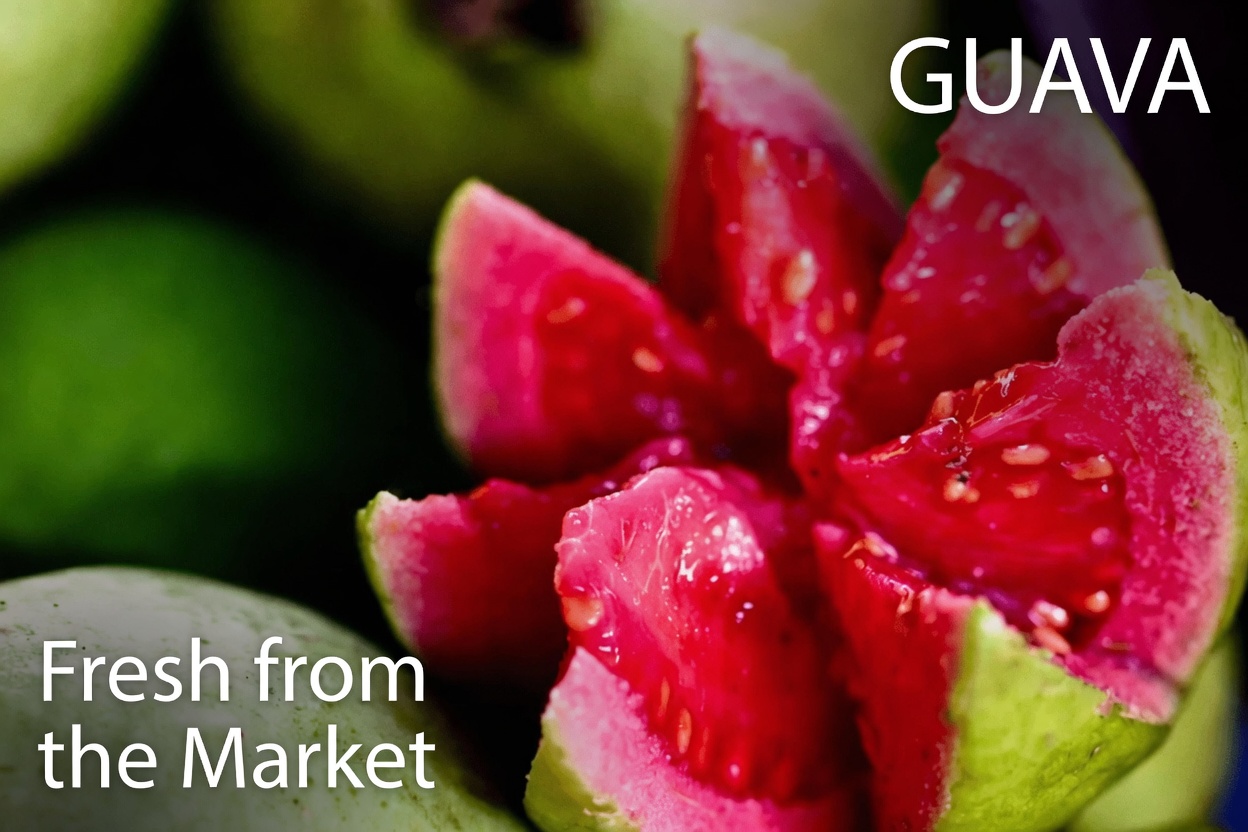
Picture a ripe guava: crisp skin, fragrant aroma, and sweet pink flesh. Beyond the taste, guava delivers a concentrated mix of nutrients that may help protect what many people value most—their eyesight.
Before we go further, do a quick check-in: after a long day of screens, how often do you feel eye strain or end-of-day fatigue? Keep that in mind as we break down the science-supported ways guava may support eye comfort and long-term visual resilience.
Why Guava Is a Standout Fruit for Eye Wellness
Guava isn’t just “healthy”—it’s loaded with eye-relevant nutrition, including:
- Vitamin C
- Vitamin A
- Antioxidants such as lycopene
- Small amounts of lutein and zeaxanthin
These compounds are associated with protecting eye tissues from oxidative stress, a major driver behind age-related eye changes. Studies commonly link higher intakes of vitamin C and carotenoids with a reduced risk of cataracts and slower progression of AMD.
Key Guava Nutrients That Support Eye Health
- Vitamin C: Helps protect tiny blood vessels and supports overall eye tissue integrity.
- Vitamin A: Supports the cornea and contributes to better low-light vision.
- Lycopene + other antioxidants: Helps defend retinal cells from oxidative damage over time.
12 Science-Backed Ways Guava May Support Eye Health
Foundation Benefits: Building Eye Resilience
1. High Vitamin C Intake to Help Protect the Lens
Cataracts develop when the eye’s lens becomes cloudy—often influenced by oxidative damage. Guava is exceptionally rich in vitamin C, which functions as an antioxidant and may help support lens clarity. Research has associated higher vitamin C intake with a slower pace of cataract formation.
2. Vitamin A for Night Vision and Corneal Support
If low-light vision feels weaker—especially when driving at night—vitamin A is a key nutrient to consider. It helps form rhodopsin, a pigment needed for seeing in dim conditions, and supports the cornea.
3. Lycopene-Rich Antioxidant Defense for the Retina
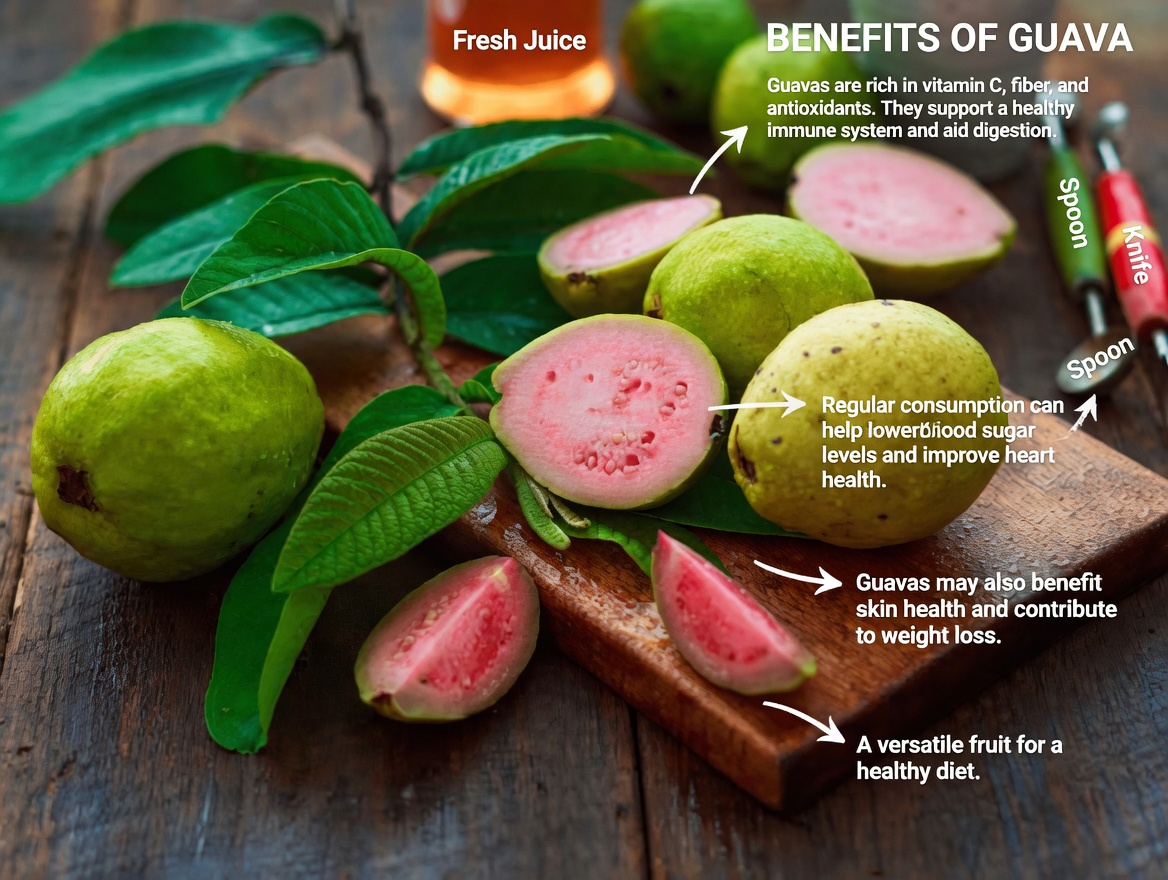
Pink guava is known for containing lycopene, an antioxidant studied for its role in reducing oxidative stress. This type of protection is particularly relevant for the retina and is often discussed in connection with AMD risk management.
4. Hydration Support Plus Potential Anti-Inflammatory Effects
Guava contains a meaningful amount of water, which can support overall hydration—often linked to improved comfort for people prone to dry, irritated eyes. Additionally, guava contains plant compounds being studied for potential anti-inflammatory activity.
Momentum Acceleration: Amplifying Protection
5. Lutein and Zeaxanthin Contribution for Macular Support
Lutein and zeaxanthin act like internal filters that help reduce exposure to harsh light (including blue light). Guava provides modest amounts, and it can be a helpful addition alongside lutein-rich staples like spinach and kale.
6. Nutrient Synergy That May Help Lower Dry-Eye Discomfort
For people who work long hours on laptops or phones, eye dryness often pairs with fatigue and strain. Guava’s combination of hydration + antioxidants may help support eye surface comfort—especially as part of a broader eye-friendly diet.
- Practical combo idea: blend guava + carrot juice for a vitamin C and vitamin A boost.
7. Traditional Use of Guava Leaves for Soothing Relief
Guava leaves have a long history in traditional wellness practices. They contain compounds studied for anti-inflammatory and antimicrobial properties. Some people prepare guava leaf tea, and in traditional contexts, cooled preparations have also been used externally for soothing comfort. Lab research suggests guava leaf extracts may act against certain bacteria, though human-use methods vary widely.
8. High Total Antioxidant Load for Long-Term Eye Resilience
Compared with many common fruits, guava offers an impressive antioxidant profile. Consistent antioxidant intake is often linked to better protection against cumulative oxidative stress—one of the pressures associated with aging eyes.
Life-Changing Territory: Long-Term Protection Potential
9. Possible Cataract Risk Reduction
Because cataracts are strongly tied to oxidative damage, guava’s vitamin C density makes it a smart dietary option for people focused on long-term lens health.
10. AMD Support via Carotenoids and Vitamins
While no single food “prevents AMD,” diets rich in carotenoids and protective vitamins are commonly associated with better aging-eye outcomes. Guava contributes both vitamin C and carotenoid antioxidants, which may support macular wellness.
11. Relief Support for Digital Eye Strain
Modern routines often mean constant close-up focusing and blue-light exposure. Antioxidants may help counter stress pathways linked to fatigue, while hydration support may improve comfort for people prone to screen-related dryness.
12. Ongoing Visual Sharpness Support
Vitamin A is central to healthy vision maintenance. Adding vitamin A-rich foods such as guava may help support long-term clarity—especially when paired with an overall nutrient-dense eating pattern.
Practical Ways to Add Guava for Eye Support
- Fresh fruit: Eat 1–2 guavas per day, or add to smoothies, yogurt bowls, or fresh juice blends.
- Guava leaves (tea): Boil 5–10 leaves, let cool, then drink 1 cup/day. Some traditions use cooled tea externally, but extra caution with hygiene is essential.
Guava vs. Common Eye-Health Foods (Quick Comparison)
-
Vitamin C
- Guava: 200+ mg (per fruit, approximate)
- Orange: ~70 mg
- Carrot/spinach: generally lower for vitamin C
-
Vitamin A
- Guava: high
- Carrot: very high
- Spinach: high
- Orange: low
-
Lutein/Zeaxanthin
- Spinach: very high
- Guava: some
- Orange/carrot: low
Simple Implementation Timeline (Easy Routine)
- Weeks 1–2: Add 1 guava daily (fresh is simplest).
- Weeks 3–4: Try guava leaf tea (about 1 cup/day).
- Week 5+: Combine approaches if tolerated: 1–2 guavas + tea.
Conclusion: A Simple Fruit With Serious Eye-Nutrition Value
Guava offers a powerful mix of vitamin C, vitamin A, lycopene, antioxidants, and small amounts of lutein/zeaxanthin—all relevant to maintaining eye comfort and supporting healthy aging vision. As a natural, affordable, and flavorful option, guava can be an easy upgrade for people looking to strengthen long-term eye resilience.
Disclaimer: This article is for informational purposes only and does not replace medical advice. Consult a healthcare professional for personalized guidance—especially before using guava leaf preparations or if you have existing eye conditions or take medications.