
Unpredictable blood sugar swings can make you feel drained, unusually thirsty, and constantly on edge about how your next meal might affect your energy. Those frustrating highs and lows can interfere with everyday life in ways many people don’t expect. The good news: everyday foods—like red onion—contain natural plant compounds that research suggests may help promote steadier glucose responses when used as part of a balanced diet.

Many people miss an important detail: how you prepare red onion can influence how well its beneficial compounds are preserved and used by the body. Later in this article, you’ll find a simple, lesser-known preparation method that makes red onion easier to include—especially if raw onion feels too strong.
Why Red Onion Matters for Metabolic Support
Worrying about post-meal blood sugar spikes can turn even favorite meals into a source of stress. Red onion stands out because its deep purple-red color signals a high concentration of anthocyanins, antioxidant pigments found in many colorful plants.
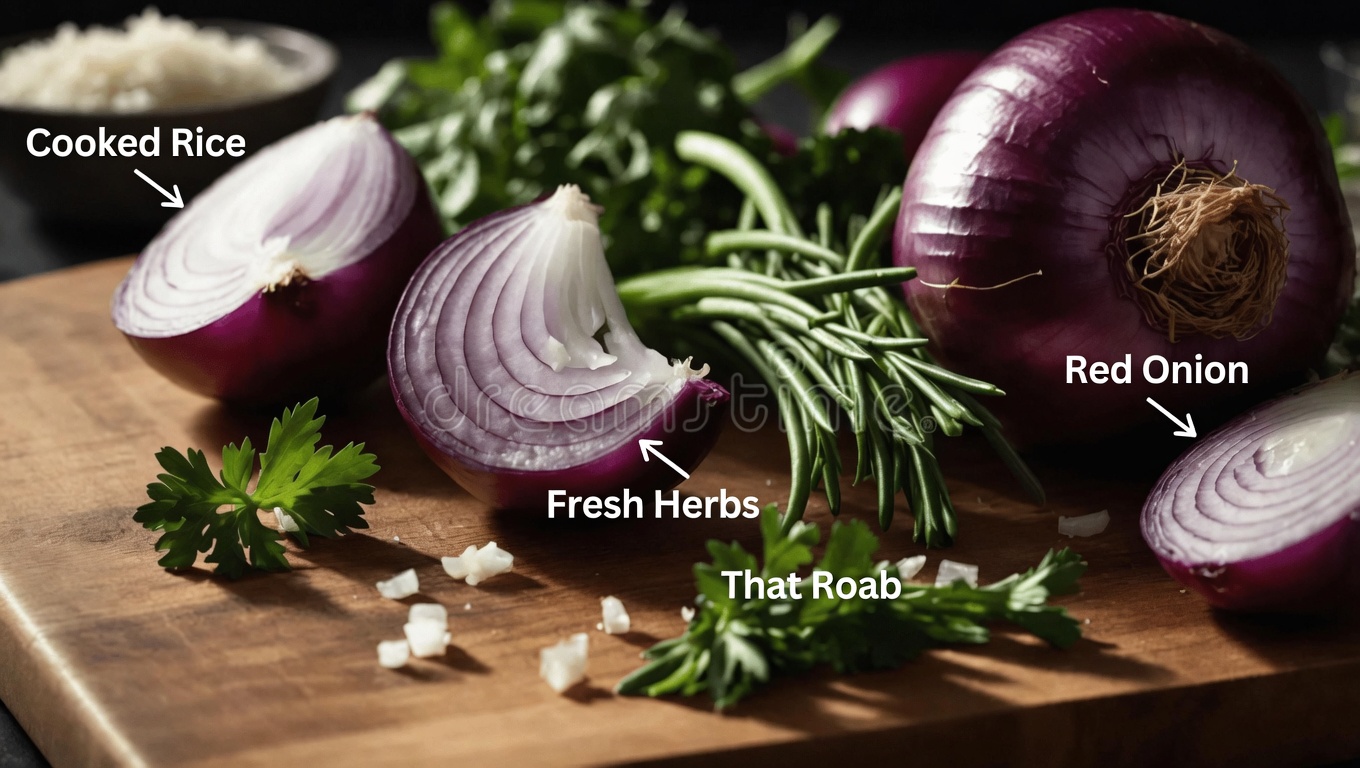
The standout compound in red onion is quercetin, a flavonoid that multiple studies associate with potential support for:
- Insulin sensitivity
- Lower oxidative stress
- Healthier metabolic signaling
Red onion also contains sulfur-based compounds, which may help slow carbohydrate digestion and influence the way glucose enters the bloodstream.
Compared with yellow or white onions, red onion typically provides higher quercetin levels, making it an especially strong option for people looking for natural, food-based metabolic support.
What Current Research Suggests About Red Onion and Blood Sugar
If blood sugar concerns keep you awake at night, it’s normal to wonder whether a simple food choice can truly matter. While large-scale trials are still limited, early research is encouraging.

Some small human studies (including research where participants ate roughly 100 grams of raw red onion daily) observed reduced fasting glucose in certain individuals managing type 2 diabetes. Scientific reviews (including those published in journals such as Phytotherapy Research) discuss how quercetin may support glucose uptake in cells, which is a key factor in healthier blood sugar regulation.
Animal studies also suggest that red onion extracts may help reduce oxidative damage, a common contributor to metabolic dysfunction.
Bottom line: Red onion shows potential as a supportive dietary addition, but it’s not a standalone solution—and more robust human research is still needed.
Additional Health Benefits of Red Onion
Red onion isn’t only about blood sugar. It also offers broader wellness advantages that can support long-term vitality.

Key benefits often linked to regular red onion intake include:
- Powerful antioxidant support against everyday cellular stress
- Potential support for healthy cholesterol and blood pressure
- Prebiotic fibers that feed beneficial gut bacteria
- Natural anti-inflammatory plant compounds
- Very low calories, making it easy to fit into balanced meals
For such a simple ingredient, red onion delivers surprisingly dense nutrition.
Practical, Everyday Ways to Eat Red Onion
If you’re ready to move beyond unpredictable energy crashes and add red onion consistently, the strategies below make it easy and realistic.
1) Choose Fresh, High-Quality Red Onions
For the best flavor and nutrient retention, look for red onions that are:
- Firm and heavy for their size
- Covered with dry, glossy skin
- Free from soft spots or moisture
Fresher onions generally retain more active plant compounds.
2) Eat Red Onion Raw for Maximum Nutrient Preservation
Raw red onion helps protect heat-sensitive compounds.
Try this simple approach:
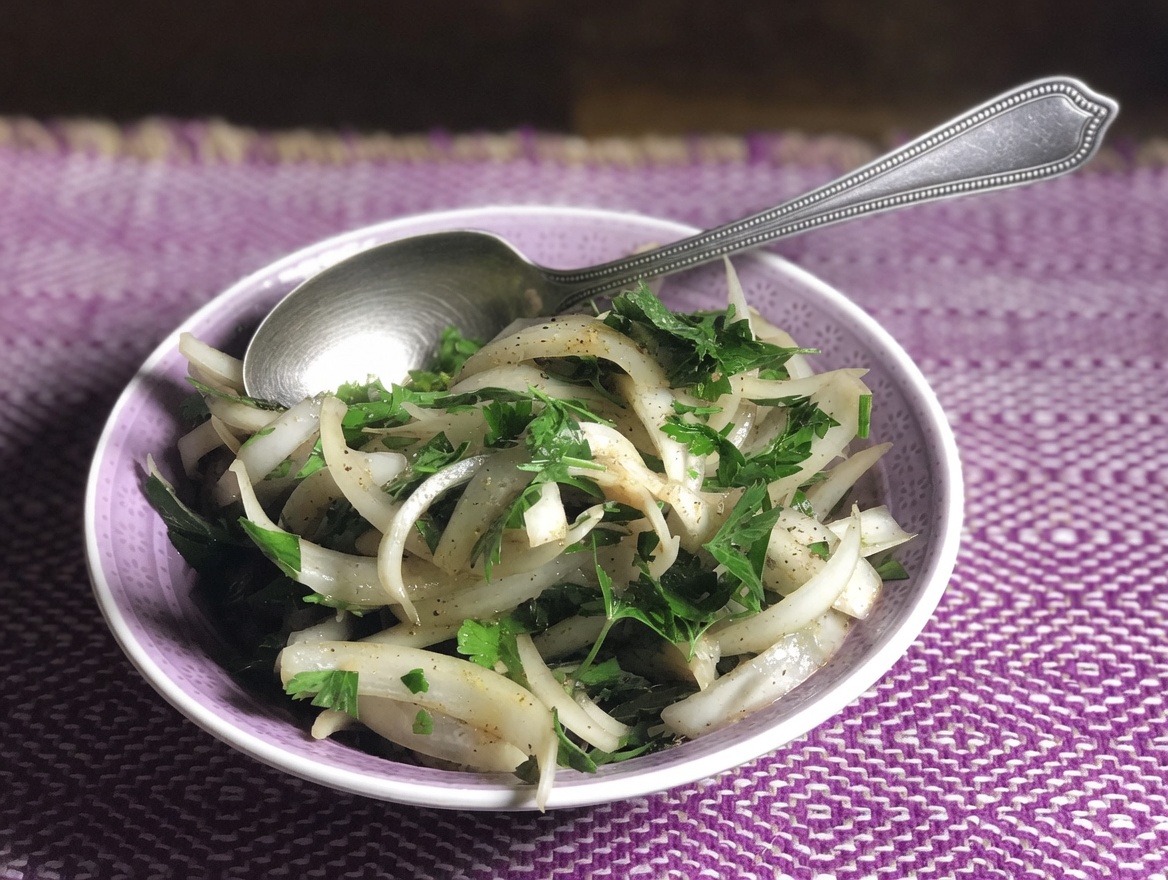
- Slice ½ to 1 medium red onion very thin
- Add to salads, wraps, grain bowls, or avocado toast
- Start around 50 grams per day and increase based on comfort
If the bite feels too sharp, soak the slices in lemon juice for 10 minutes—many people find this noticeably softens the flavor.
3) The Overlooked Method: Red Onion Infusion (Gentler Than Raw)
This tea-like preparation is often easier on digestion and still convenient for daily use.
How to make it:
- Peel and roughly chop 1 medium red onion
- Add to 1 liter of water
- Simmer for 10–15 minutes
- Strain and let it cool slightly
- Drink 1–2 cups per day, warm or at room temperature
- Optional: add fresh lemon slices for a cleaner taste
Many people are surprised by how mild this infusion tastes compared with eating onion raw.
4) Lightly Cooked Red Onion Options
Gentle cooking can reduce sharpness while still keeping many benefits.
- Quick sauté in olive oil until translucent
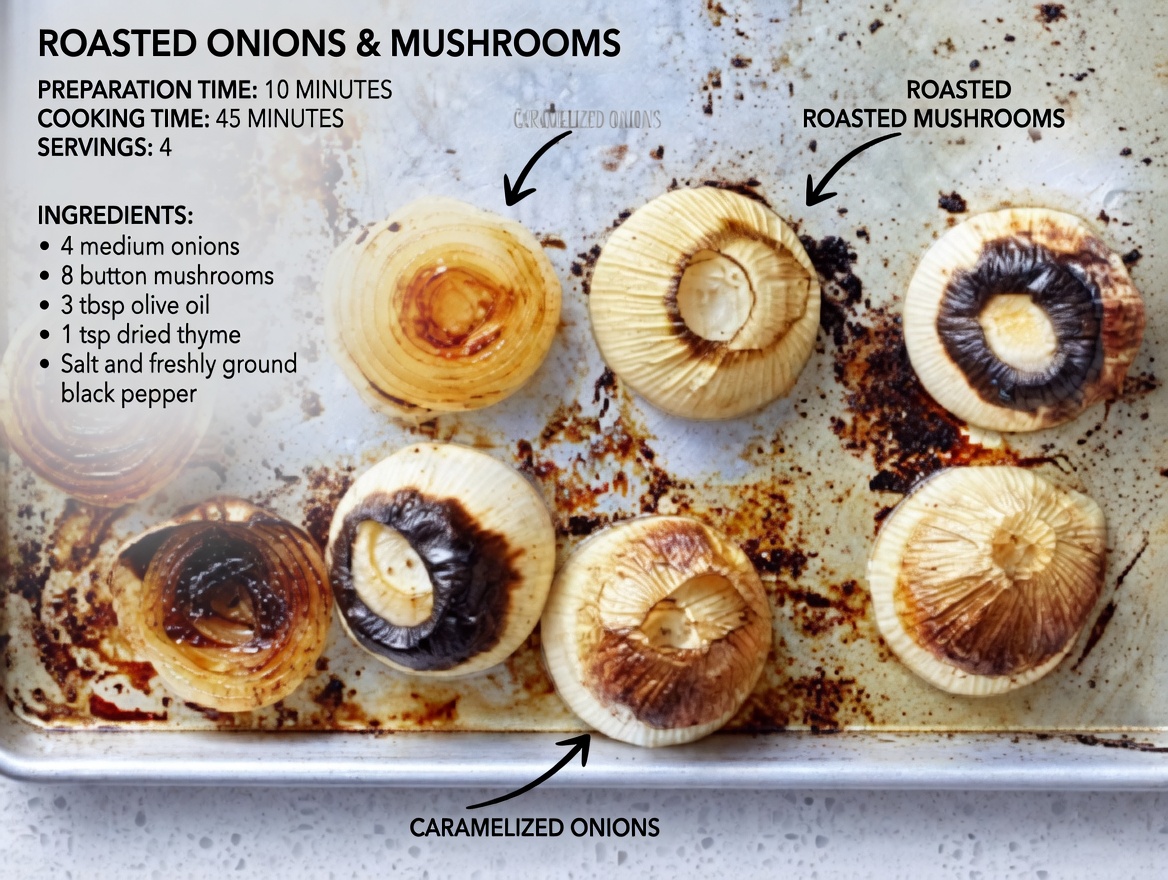
- Roast onion halves at 400°F (about 200°C) for ~20 minutes
- Add near the end of soups, stews, or stir-fries
Avoid long, high-heat cooking if your goal is to preserve as many plant compounds as possible.
5) Easy Meal Ideas That Naturally Include Red Onion
- Tomato-cucumber salad with thin red onion and a lime dressing
- Crunchy topping for bean tacos or grilled fish
- Quinoa bowls with herbs, red onion, and feta
- Small amounts blended into green smoothies with apple and spinach
These ideas help red onion feel like a normal part of your meals—not a “health add-on.”
Safety Considerations and Who Should Be Cautious
Red onion is generally safe in typical food amounts, but these tips can prevent discomfort:
- Raw red onion may trigger temporary bloating or gas—start small
- If you have a sensitive stomach, try cooked onion or the infusion
- If you use blood sugar–lowering medication, monitor your levels carefully when increasing intake
- If you have specific medical conditions, speak with your clinician before making major dietary changes
Pay attention to your body and build the habit gradually.
Final Thoughts
Adding red onion to your daily routine is a simple, budget-friendly way to increase intake of natural compounds—especially quercetin and anthocyanins—that may support healthier blood sugar responses and overall energy. While it won’t replace medical care, balanced nutrition, or lifestyle habits, many people find it becomes a practical and flavorful ally in their wellness routine.
Small, consistent choices—like including red onion more often—are often the ones that add up to meaningful long-term change.
Frequently Asked Questions
How much red onion is reasonable per day?
Many studies reference 50–100 grams of raw red onion daily (roughly ½ to 1 medium onion) or an equivalent amount cooked or as an infusion. Adjust based on your tolerance.
Can red onion lower blood sugar by itself?
No. Red onion may offer supportive compounds, but it works best alongside balanced meals, regular movement, and any prescribed treatment plan.
Is red onion safe during pregnancy?
In typical culinary amounts, red onion is generally considered safe. However, if you plan to significantly increase your intake (especially via infusions), consult your healthcare provider.