Many adults choose extra virgin olive oil (EVOO) as a heart-friendly fat, expecting better cholesterol numbers, steadier energy, and smoother digestion after meals. Still, even after swapping butter or other oils for olive oil, some people continue to experience fatigue, occasional bloating, or lab results that barely change. Often, the issue isn’t olive oil itself—it’s how it’s selected, stored, and used. When EVOO is handled poorly, its most valuable compounds can break down, leaving you with fewer benefits than you anticipated. The upside: a few small, research-aligned changes can help you get far more out of your daily drizzle.
Why Extra Virgin Olive Oil Is Worth Doing Right
EVOO is widely studied for its combination of monounsaturated fats and polyphenols (plant compounds with antioxidant activity). Large nutrition studies—including the well-known PREDIMED trial—associate consistent olive oil use with improved heart-health markers when it’s used correctly. Key components such as oleic acid and polyphenols like hydroxytyrosol help support healthy inflammatory balance.
The catch is the phrase “when used correctly.” Exposure to excessive heat, light, oxygen, or simply buying low-quality oil can reduce the very compounds that make EVOO special. If olive oil hasn’t lived up to expectations in your routine, one or more of the mistakes below may be the reason.
Mistake #1: Heating Olive Oil Until It Smokes
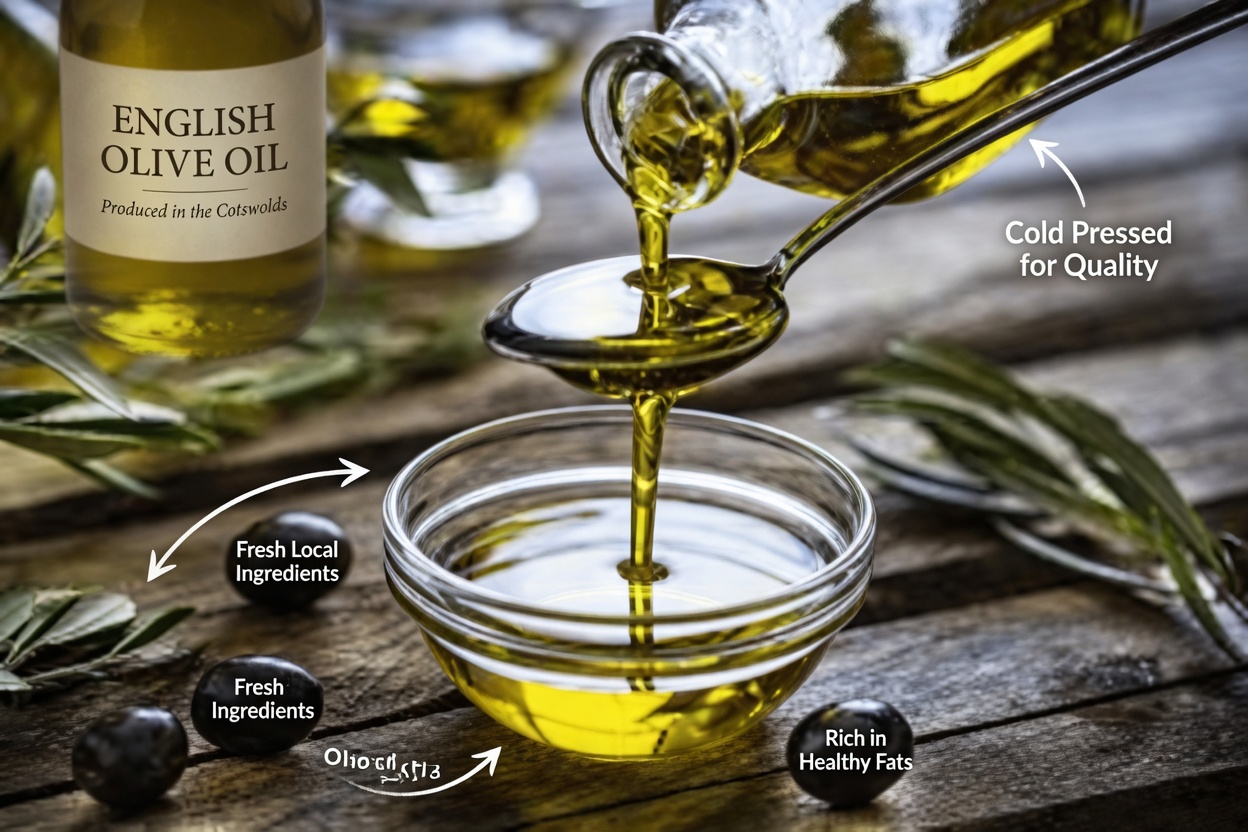
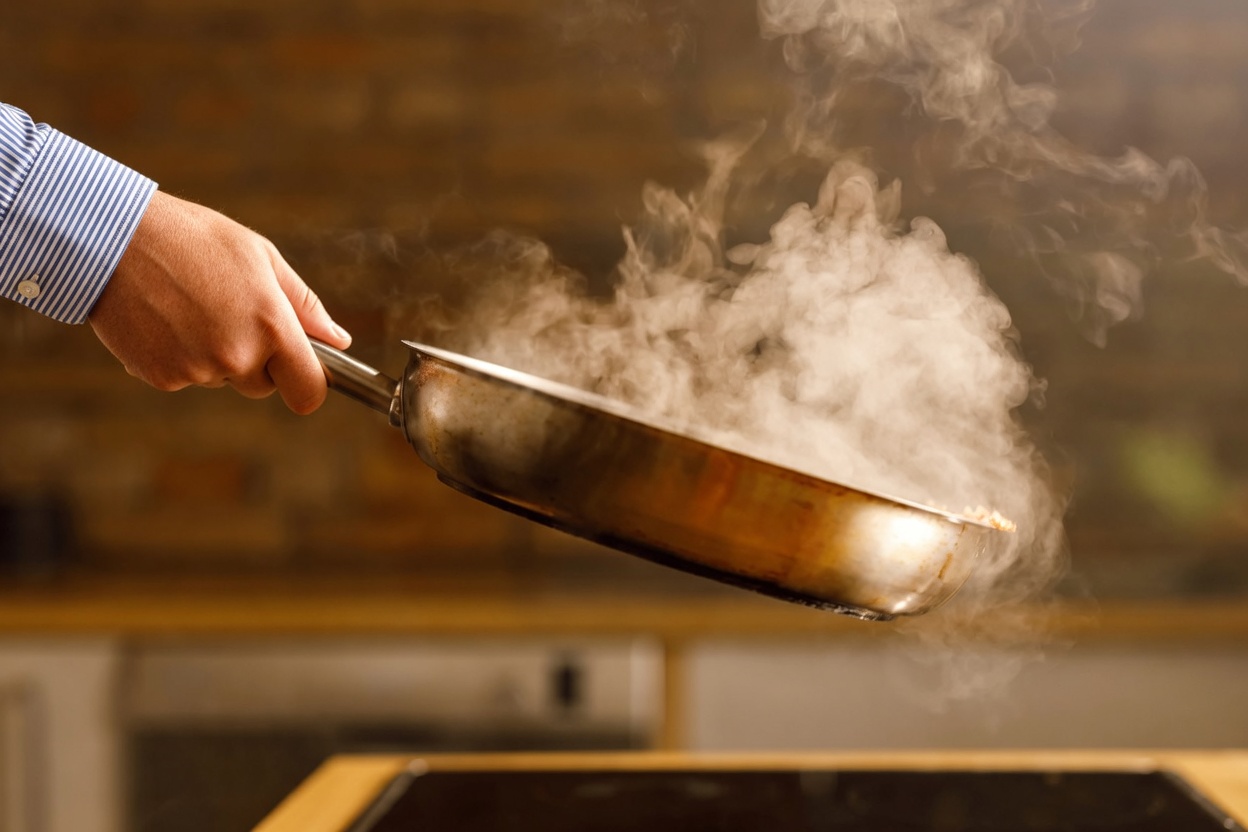
If your pan is smoking, EVOO has gone too far. Extra virgin olive oil typically has a smoke point around 375–410°F (190–210°C). When it’s overheated, its delicate polyphenols degrade and undesirable breakdown products can increase.
While EVOO is relatively stable compared with many common seed oils, repeated high-heat exposure still reduces its antioxidant content.
Better approach: sauté over medium heat (look for a gentle shimmer, not smoke). For very high-heat cooking, consider using a higher-smoke-point option like avocado oil. Many people report meals feel “lighter” once they stop pushing EVOO past its comfort zone.
Mistake #2: Buying the Wrong “Extra Virgin” Bottle
The label alone isn’t a guarantee. Past marketplace testing has shown that some supermarket oils labeled “extra virgin” varied in freshness and purity. Quality has improved across many major brands, but meaningful differences still exist.
When shopping, prioritize:
- Harvest date (ideally within 18 months)
- Dark glass or tin packaging (protects from light)
- Single-origin or clear sourcing details
- A fresh, slightly peppery taste if you can sample it
Also note: “Light” olive oil usually means refined, not lower-calorie. It tends to contain far fewer polyphenols while delivering the same energy density. If you want the benefits highlighted in research, true extra virgin is the goal.
Mistake #3: Storing Olive Oil Where It Degrades Fast
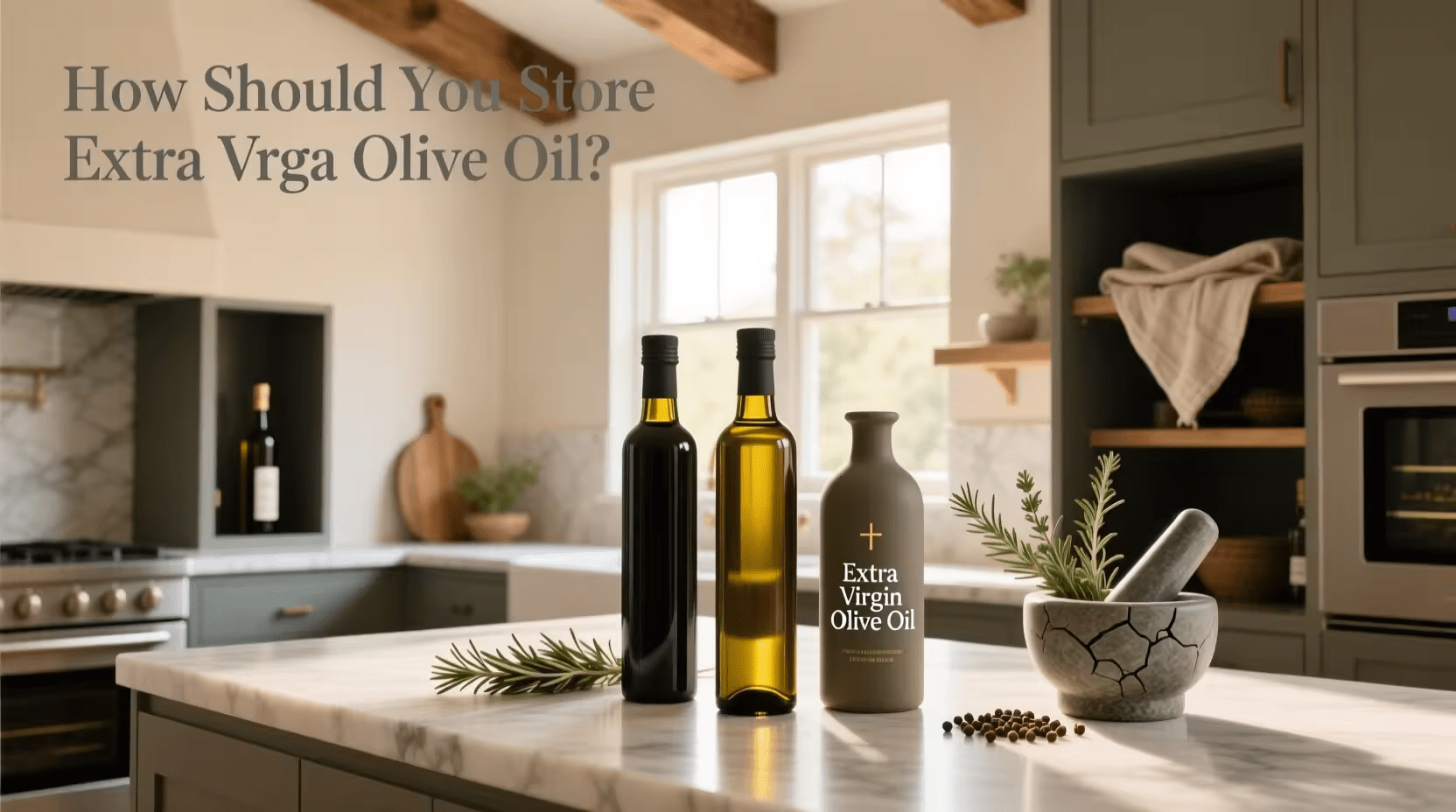
EVOO’s biggest enemies are light, heat, and air. A clear bottle on the counter—or worse, next to the stove—accelerates oxidation, dulls flavor, and reduces nutrient value.
Store it well:
- Keep EVOO in a cool, dark cupboard (about 57–68°F / 14–20°C)
- Leave it in its original dark bottle or tin
- Buy only what you can finish within 1–2 months after opening
Quick freshness check: rancid olive oil can smell like crayons, old nuts, or stale oil. If that’s the aroma, it’s time to replace it.
Mistake #4: Pouring Without Measuring
Olive oil is healthy—but it’s still calorie-dense at about 120 calories per tablespoon. It’s easy to overshoot the intake often seen in Mediterranean-style patterns (roughly 2–4 tablespoons per day) when you drizzle freely.
Overdoing it may quietly slow weight progress and can trigger digestive heaviness for some people.
Simple fix: measure for a week or two, or use a spray bottle to control portions. Many find they feel more energized and comfortable when their intake is consistent and intentional.
Mistake #5: Using Premium EVOO Only for Cooking
Heat can reduce polyphenol levels—sometimes noticeably—so using expensive EVOO only for cooking can mean missing out on its strongest advantages.
To preserve more beneficial compounds, use high-quality EVOO primarily in raw or finishing applications:
- Salad dressings
- Drizzling over cooked vegetables, fish, or grains
- Dips
- Marinades
Light sautéing is generally fine, but finishing with a fresh drizzle helps retain more of what makes EVOO unique.
Mistake #6: Overlooking How Aging Can Change Fat Digestion
As people get older, fat digestion may slow slightly. For some adults—especially over 50—large servings of olive oil late in the day can feel heavier than expected.
Try this instead:
- Distribute olive oil across meals rather than taking a large amount at once
- Pair it with fiber-rich foods (vegetables, beans, whole grains) for better tolerance
If you take blood-thinning medication, speak with your clinician about keeping olive oil intake consistent as part of your overall dietary pattern.
Mistake #7: Reusing Olive Oil for Frying
Reheating the same oil repeatedly—especially for frying—encourages the buildup of polar compounds, which research associates with oxidative stress. Even a relatively stable oil like EVOO breaks down over multiple high-heat cycles.
Best habit: use fresh oil each cooking session, or limit deep-frying at home.
Quick Comparison: Common Mistake vs. Better Habit
-
High-heat cooking
- Downside: fewer antioxidants, more breakdown byproducts
- Better habit: medium heat or raw use
- Benefit: better polyphenol retention
-
Poor quality choice or storage
- Downside: oxidation, lower nutrient value
- Better habit: dark bottle/tin + recent harvest + cool storage
- Benefit: fresher taste and stronger benefits
-
Too much at once
- Downside: excess calories, digestive discomfort
- Better habit: aim for 2–4 tbsp/day, measure initially
- Benefit: easier weight and appetite management
-
Cooking-only use
- Downside: lost polyphenol potential
- Better habit: drizzle on finished foods
- Benefit: higher antioxidant intake
-
Reusing for frying
- Downside: compound buildup
- Better habit: fresh oil each time
- Benefit: fewer oxidation products
A Simple 30-Day Olive Oil Reset
- Check your current bottle—replace it if it’s old, rancid, or in clear glass
- Move olive oil to a cool, dark storage spot
- Measure portions and prioritize raw/finishing drizzles for two weeks
- Track changes in energy, digestion, and post-meal heaviness
Small adjustments often create noticeable results.
Frequently Asked Questions
Is it safe to cook with extra virgin olive oil?
Yes. EVOO is suitable for moderate-heat cooking. Avoid heating it to the point of smoking to preserve its beneficial compounds.
How much olive oil should I use each day?
Many studies suggest 1–4 tablespoons daily can be beneficial without adding excessive calories. Adjust based on your total diet, activity level, and goals.
How do I know if my olive oil is fresh?
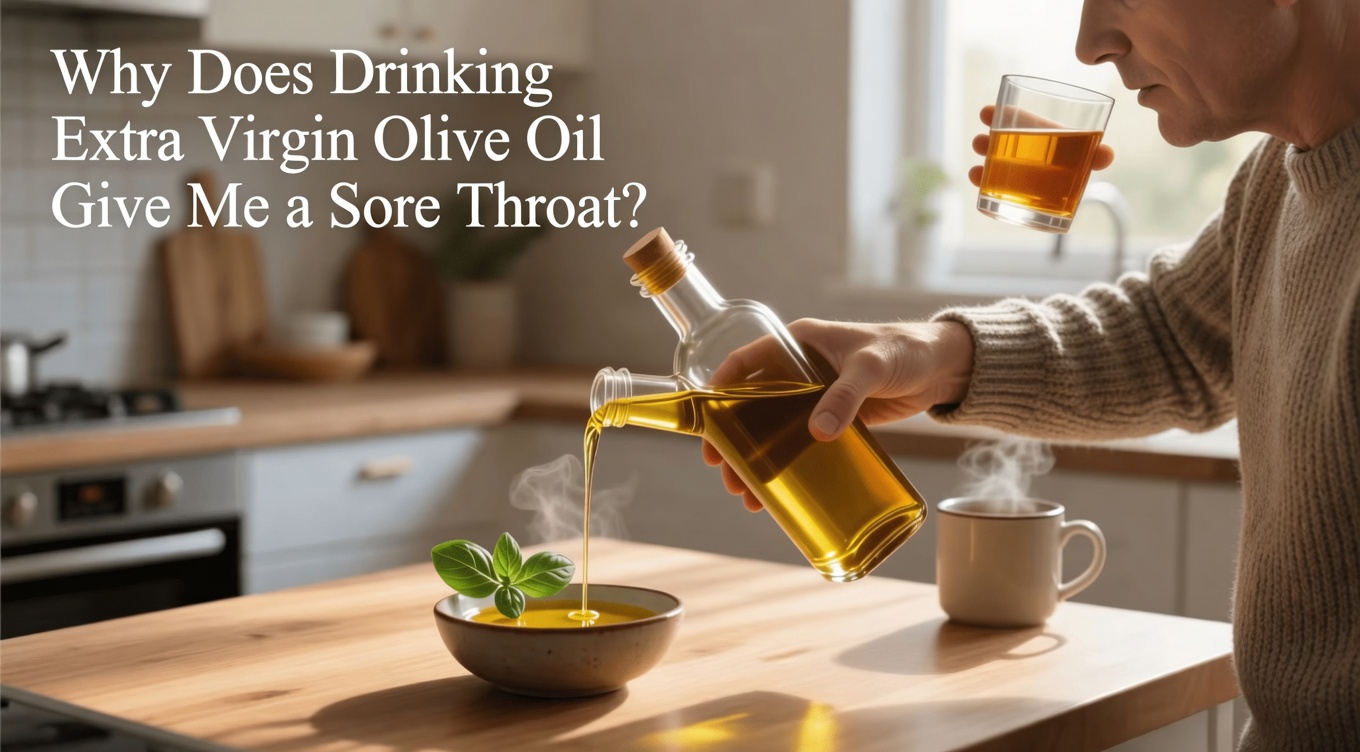
Fresh EVOO typically tastes fruity and slightly peppery, and it may cause a mild throat tickle—often linked to higher polyphenol content.
Medical Disclaimer
This article is for informational purposes only and does not replace professional medical advice. Consult your healthcare provider for personalized guidance on diet, medications, and health conditions.