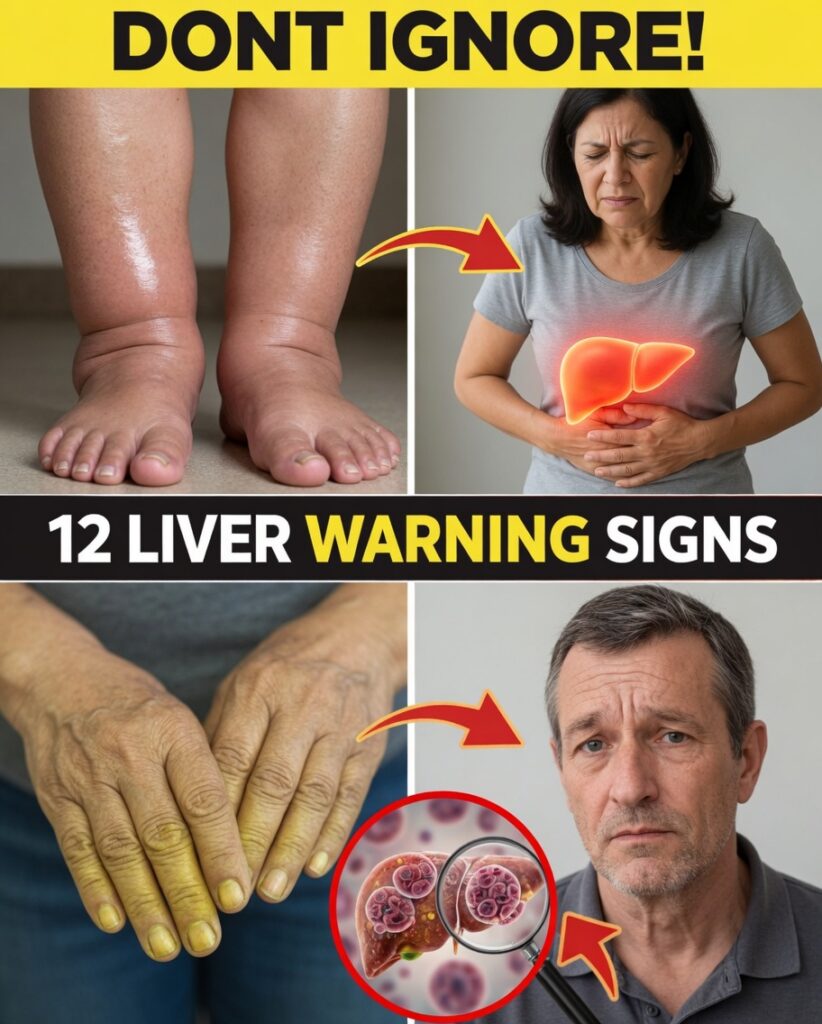
Feet as an Early Clue to Liver Health
Most people don’t think of their feet when they think about liver health, yet the lower body can sometimes show early, surprising changes. If you’ve been unusually tired, dealing with ongoing foot swelling, or noticing odd toenail changes, it’s easy to blame age, long workdays, or uncomfortable shoes. However, in some cases, these signs can be linked to liver stress.
Pay attention—your feet may be one of the first places where liver problems become visible.
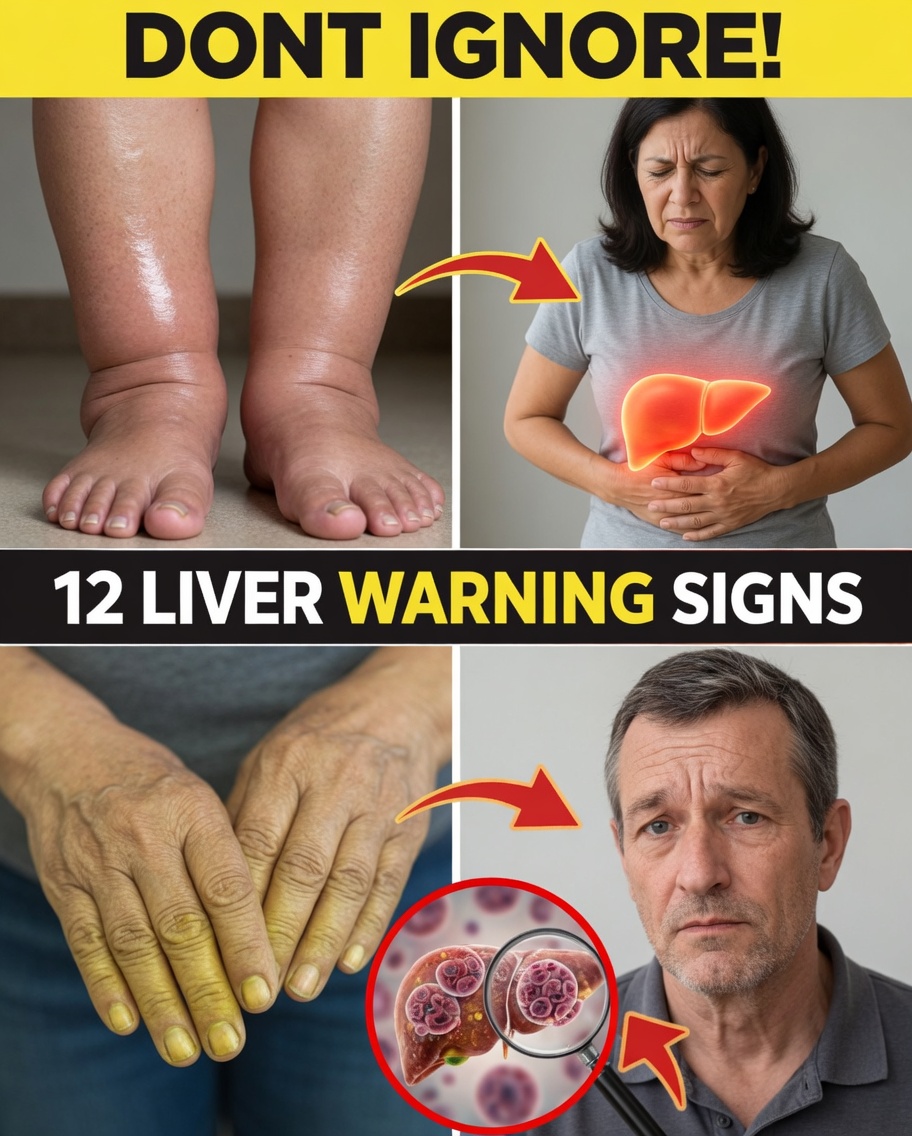
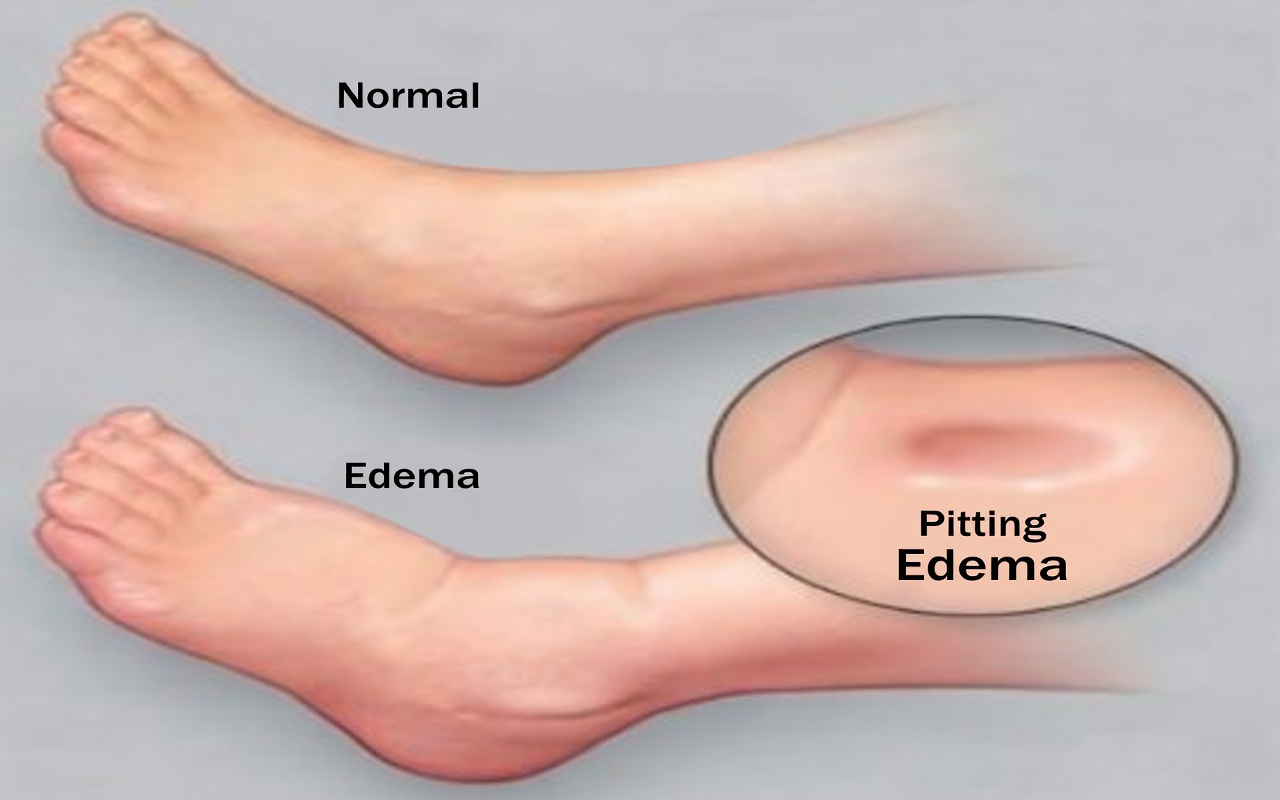
1. Swollen Feet and Ankles (Edema): A Warning Sign of Liver Strain
Swelling in the feet and ankles, also called edema, isn’t always just “tired legs.” The liver helps produce albumin, a key protein that keeps fluid in the bloodstream instead of leaking into surrounding tissues. When liver function declines, albumin levels may drop and fluid can collect in the lower limbs.
What to watch for
- Swelling that persists and doesn’t improve after rest or elevating your legs
- Swelling alongside abdominal bloating or yellowing of the eyes/skin (jaundice)
- Potential association with serious conditions such as cirrhosis or liver failure
What to do
- If swelling continues or worsens, seek medical evaluation promptly—especially if it comes with other symptoms.
2. Yellow Feet or Skin: Could This Be Jaundice?
Jaundice is commonly noticed in the eyes or face, but yellow discoloration can also appear on the feet, including the skin and toenail area. This happens when the liver can’t effectively process and remove bilirubin, a yellow pigment that builds up in the body.
What to watch for
- Yellowing of the feet, toenails, or broader areas of skin
- Additional symptoms such as dark urine, nausea, or extreme fatigue
- Possible connection to conditions like hepatitis, advanced liver disease, or liver cancer
What to do
- Jaundice requires urgent medical assessment. Don’t delay if yellowing appears.

3. Itchy Soles Without a Rash: A Subtle Sign of Cholestasis
If the soles of your feet itch intensely—especially when there’s no visible irritation—the cause may be internal. One possible explanation is cholestasis, where bile flow is reduced or blocked. This can lead to a buildup of bile-related substances in the bloodstream, triggering persistent itching.
What to watch for
- Strong itching in the feet, often worse at night
- Associated signs like pale stools, dark urine, or ongoing fatigue
- Links to issues such as hepatitis or bile duct obstruction
What to do
- Persistent itching warrants a checkup. A clinician may consider testing liver enzymes and evaluating bile flow.
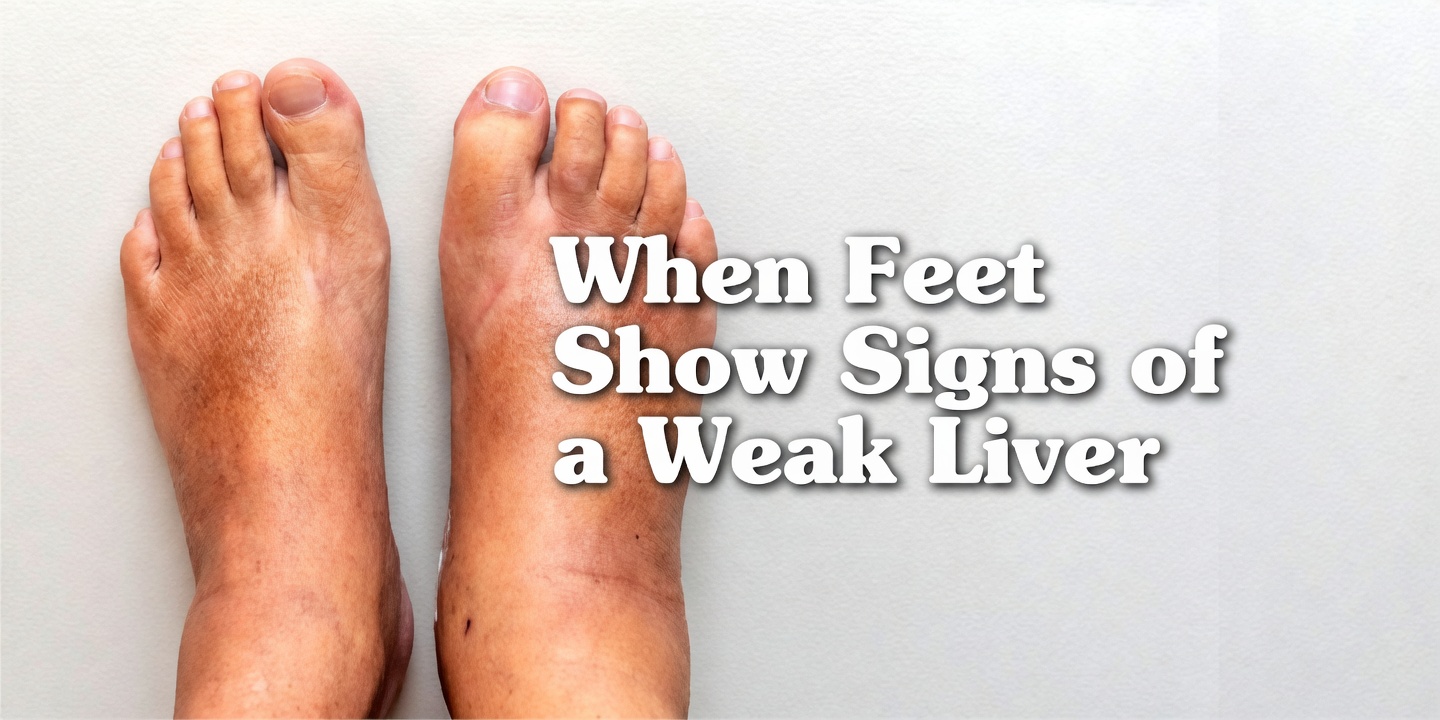
4. Unexplained Foot Pain or Tenderness: Possible Effects of Liver Inflammation
Foot soreness isn’t always caused by overuse. In some cases, liver inflammation or toxin buildup related to liver dysfunction may contribute to discomfort, particularly when other body systems are affected.
What to watch for
- Ongoing foot pain or tenderness with no clear trigger
- Symptoms occurring alongside swelling, digestive discomfort, or fatigue
- Potential association with fatty liver disease or hepatitis
What to do
- If pain doesn’t resolve with rest or basic care, consider discussing your symptoms with a healthcare provider and asking whether liver function testing is appropriate.
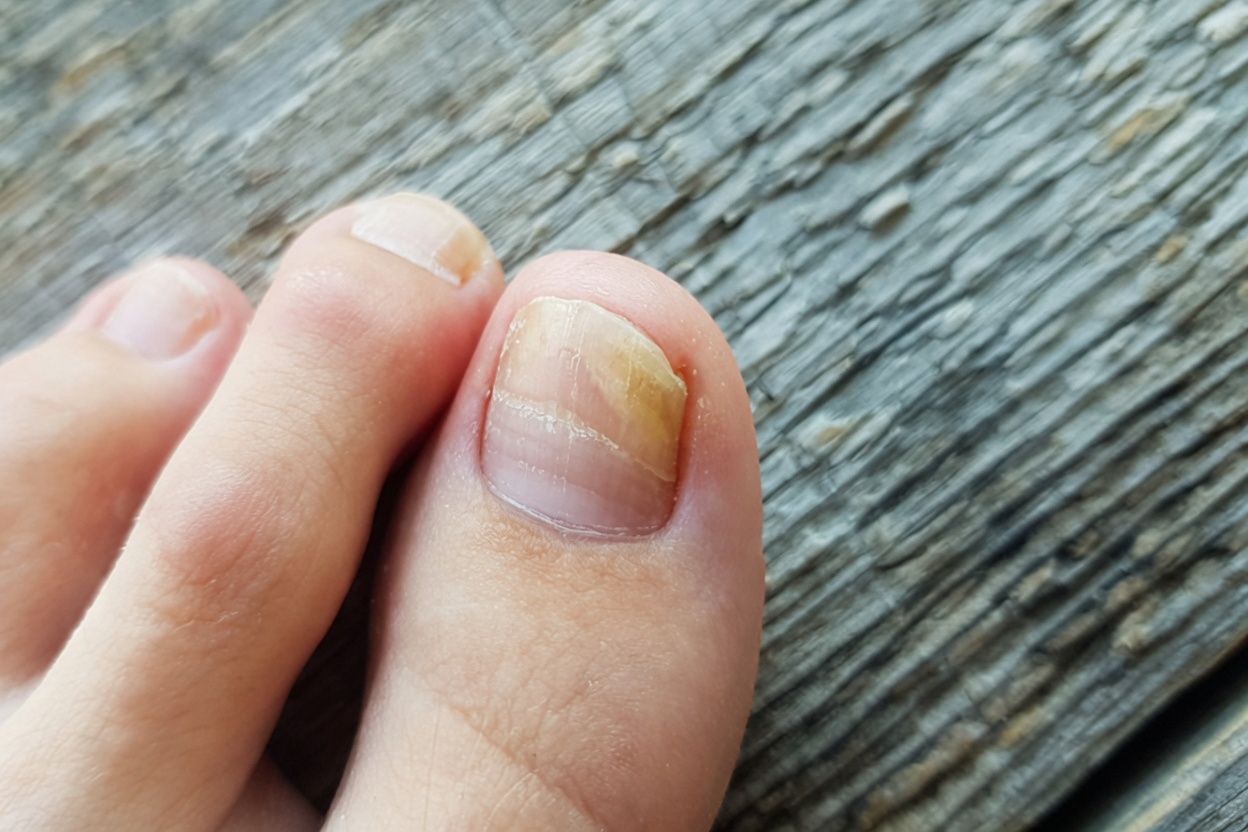
5. Yellow, Brittle, or Thickened Toenails: A Nail-Level Clue
Your toenails can reflect internal health changes. If nails become yellow, brittle, thickened, or develop abnormal ridges, it may suggest circulation problems or nutritional and metabolic changes that can occur with liver dysfunction.
What to watch for
- Yellow or unusually pale toenails
- Texture changes such as thickening, ridges, or brittleness
- Possible signals of impaired detoxification or immune strain associated with liver disease
What to do
- Track changes over time. If nail changes persist or appear with other symptoms, ask your clinician about a liver function test.
6. Constantly Cold Feet: Circulation Changes Linked to Liver Stress
If your feet are frequently cold—even when the environment isn’t—this may point to circulation issues. When the liver isn’t functioning well, blood flow and oxygen delivery can be affected, sometimes contributing to cold extremities, weakness, or fatigue.
What to watch for
- Cold feet in warm conditions
- Symptoms like dizziness, tiredness, or general weakness
- Possible indication of broader circulation effects tied to liver dysfunction
What to do
- If cold feet come with persistent fatigue or other warning signs, consult a healthcare provider. Testing may help clarify whether liver health is a factor.
Final Thoughts: When Your Feet Signal Liver Trouble
Your feet do more than carry you—they may also reveal early shifts in your health. Signs like swelling, yellowing, itching, pain, and toenail changes can sometimes point to liver issues that deserve attention.
If you notice two or more symptoms, especially alongside fatigue, jaundice, or digestive discomfort, schedule a medical evaluation. Protecting your liver health is time-sensitive, and early action matters.
FAQ: Liver Health and Foot Symptoms
Q1: Can cold feet be a sign of liver problems?
Yes. Cold feet may be linked to circulation changes that can occur when liver function is compromised, potentially affecting oxygen delivery throughout the body.
Q2: What should I do if my feet look yellow?
Yellowing may indicate jaundice, which can be a sign of liver distress. Seek medical evaluation promptly.
Q3: Is foot pain always caused by liver disease?
No. Foot pain has many possible causes. However, persistent or unexplained pain—especially with swelling, fatigue, or digestive issues—should be discussed with a clinician.
Disclaimer
This article is for informational purposes only and does not replace professional medical advice. Always consult a qualified healthcare provider for diagnosis and treatment.