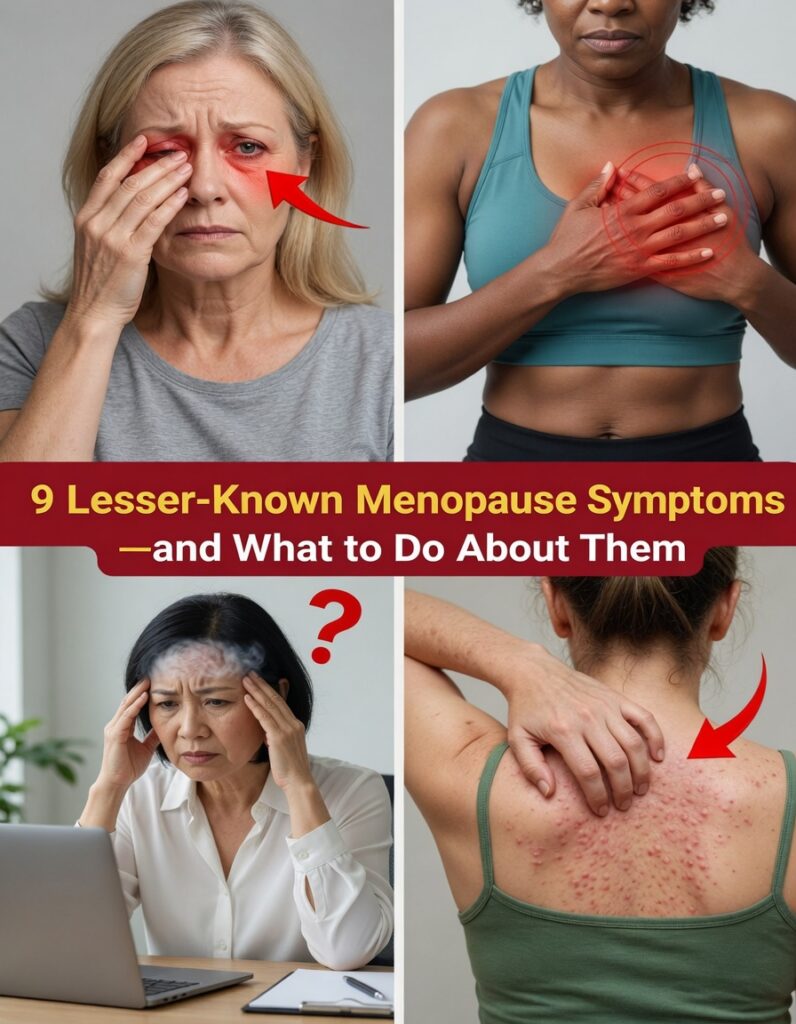
Early Menopause: 10 Key Signs to Watch Before Age 45
A sudden surge of heat during a meeting. A flushed face. Sweat appearing out of nowhere—while everyone else seems perfectly comfortable. If this sounds familiar, it may not be “just stress.”
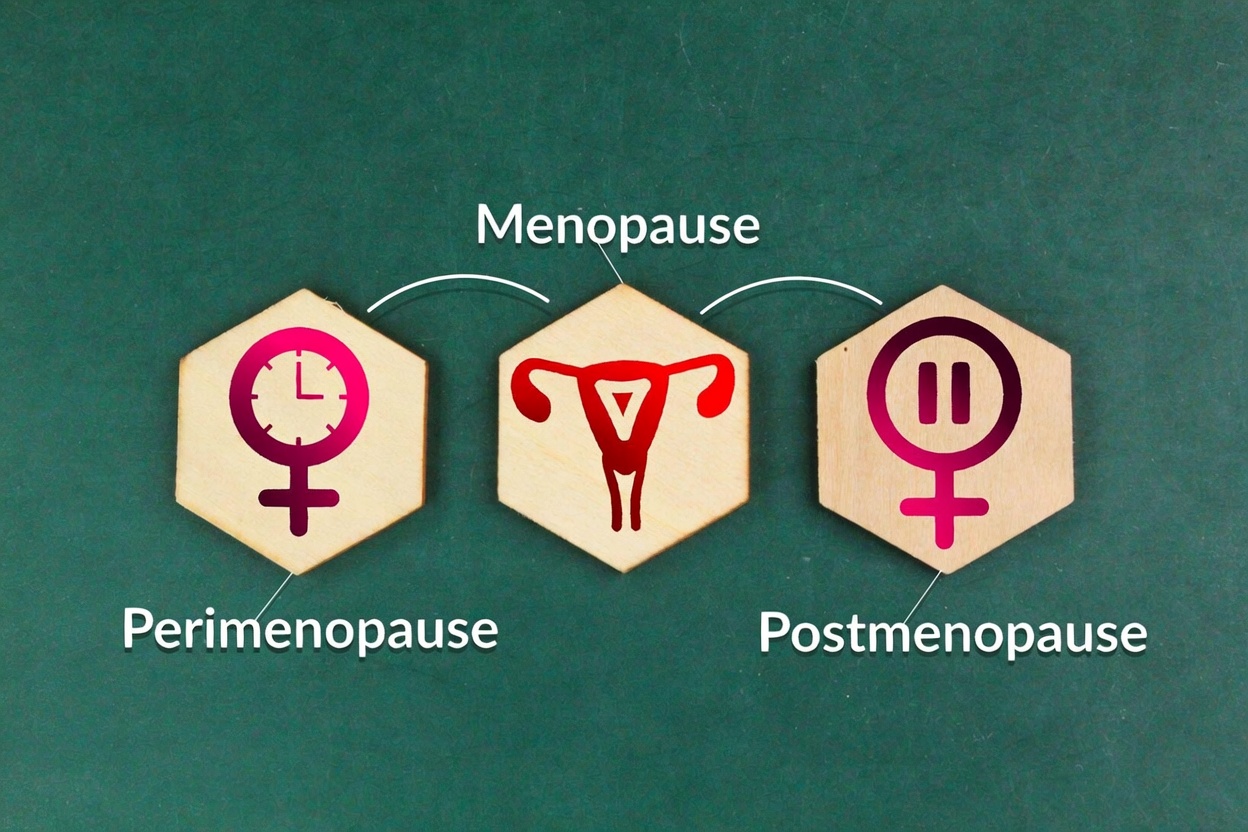
Early menopause (menopause before age 45) affects millions of women in the United States. Research suggests it may occur in up to 5% of women, and it can influence long-term health, including bone strength and cardiovascular function. If you’ve noticed unexpected changes in your cycle, mood, sleep, or body, understanding the warning signs can help you take informed next steps.
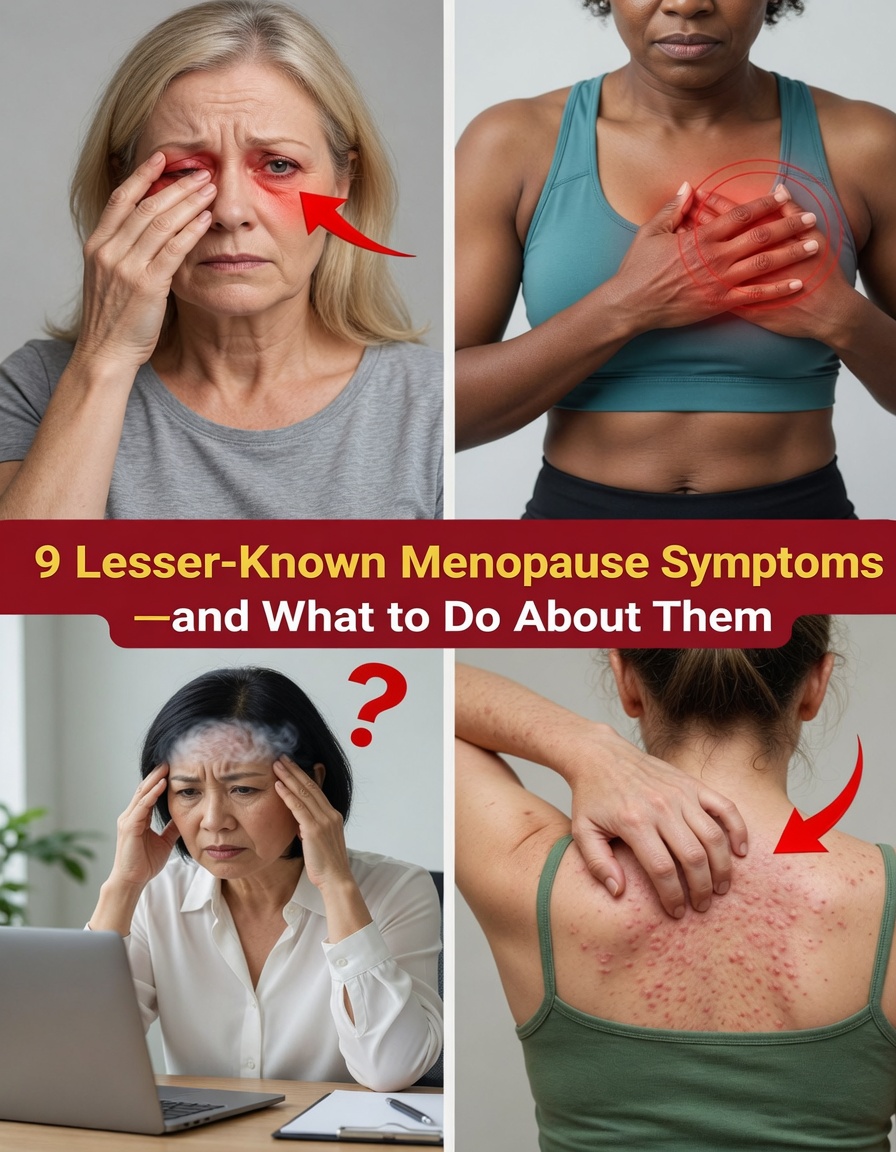
Why Spotting Early Menopause Early Matters
Consider Lisa, a 42-year-old marketing executive who began waking up drenched in sweat, struggling to get restful sleep. Symptoms like these don’t only feel disruptive—they may also be linked to higher health risks if they’re ignored or left unmanaged.
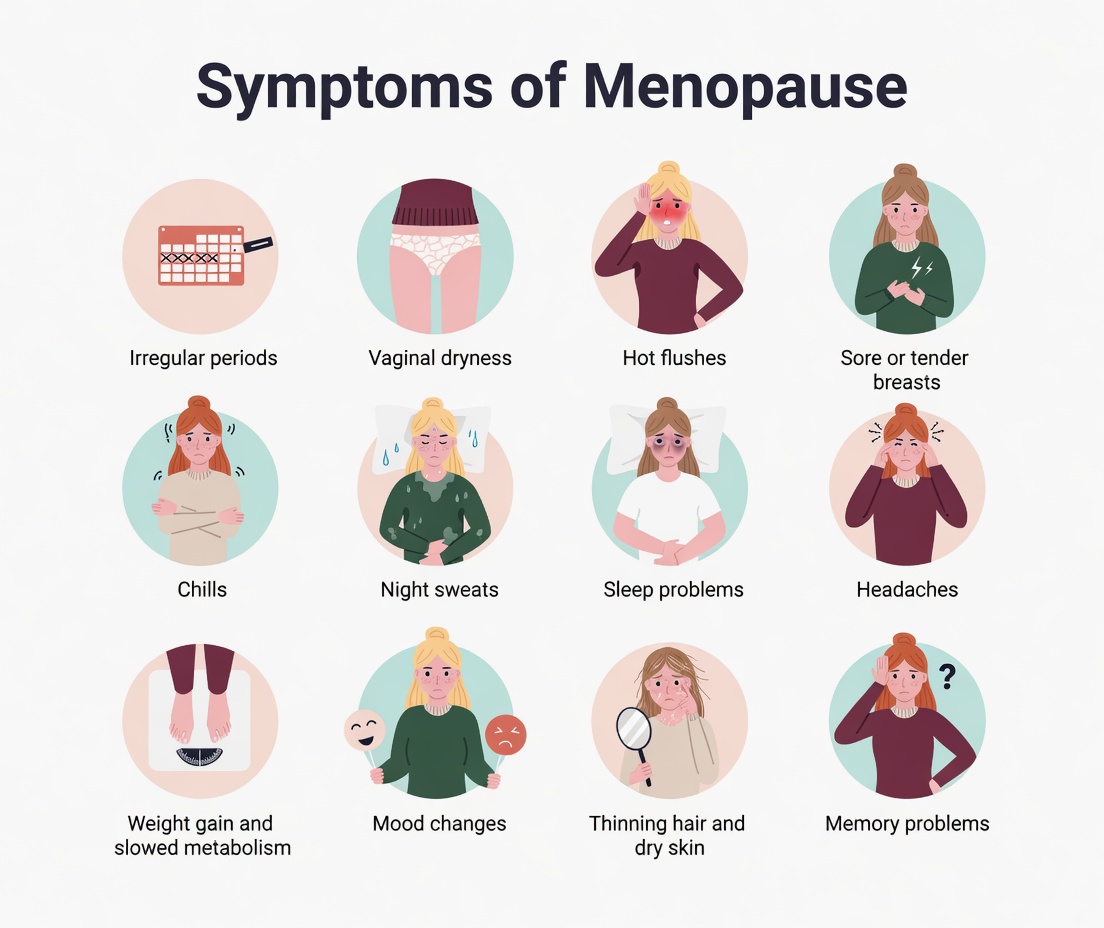
Every body experiences hormonal transition differently, but many women notice repeating patterns. Below are 10 common signs of early menopause, starting with the more subtle ones.
Number 10: Irregular Periods (Your Cycle Becomes Unpredictable)
One of the earliest and most common clues is a change in your menstrual cycle. You may notice:
- Shorter or longer cycles
- Skipped periods
- Lighter or heavier bleeding than usual
These shifts are often tied to fluctuating hormone levels, and they can be an early indicator of perimenopause.
Number 9: Hot Flashes (Sudden Heat That Takes Over Fast)
Hot flashes can feel like a wave of heat that starts in the chest or face and quickly spreads through the body. Clothes suddenly feel suffocating, and concentration becomes difficult.
Studies suggest up to 75% of women experience these vasomotor symptoms during the menopause transition, commonly linked to declining estrogen.
Number 8: Night Sweats (Waking Up Soaked and Drained)
Night sweats are essentially hot flashes that happen during sleep. You might wake up with damp pajamas or sheets, then struggle to fall back asleep.
Because they interrupt rest, night sweats often lead to:
- Daytime exhaustion
- Reduced focus
- Irritability that builds over time
The frequency varies widely—some women experience them occasionally, while others have them nightly.
Number 7: Mood Swings (Emotional Ups and Downs That Feel Unfamiliar)
Hormonal changes may affect brain chemistry, which can influence mood and emotional regulation. Some women report:
- Sudden irritability
- Heightened anxiety
- Tearfulness or emotional sensitivity
Research continues to explore the role of hormones in neurotransmitters such as serotonin, which can shape mood stability.
Number 6: Vaginal Dryness (Discomfort That Can Extend Beyond Intimacy)
As estrogen drops, vaginal tissues can become thinner and less lubricated. This may cause:
- Dryness or irritation
- Discomfort during sex
- Sensitivity that affects daily comfort
Many women experience this quietly, but it’s common—and there are effective ways to manage it with medical guidance.
Number 5: Sleep Disturbances (Insomnia, Restlessness, and Frequent Waking)
Sleep issues aren’t only caused by night sweats. Hormonal shifts themselves can disrupt sleep quality, leading to:
- Trouble falling asleep
- Waking repeatedly without a clear reason
- Feeling unrefreshed even after a full night in bed
Some research also points to changes in sleep-regulating hormones like melatonin during this transition.
Number 4: Fatigue (Tiredness That Doesn’t Improve With Rest)
This is more than feeling “a bit tired.” Menopause-related fatigue can feel deep, persistent, and difficult to fix—even with caffeine or extra sleep.
Experts suggest metabolic and hormonal changes may contribute, and fatigue often worsens when paired with insomnia or mood disruption.
Number 3: Memory Lapses and Brain Fog (Focus Feels Harder Than Before)
Many women notice cognitive shifts, such as:
- Forgetting words mid-sentence
- Misplacing items more often
- Feeling mentally “cloudy”
Evidence suggests estrogen plays a role in brain function, which may explain why cognitive symptoms appear during hormonal transition.
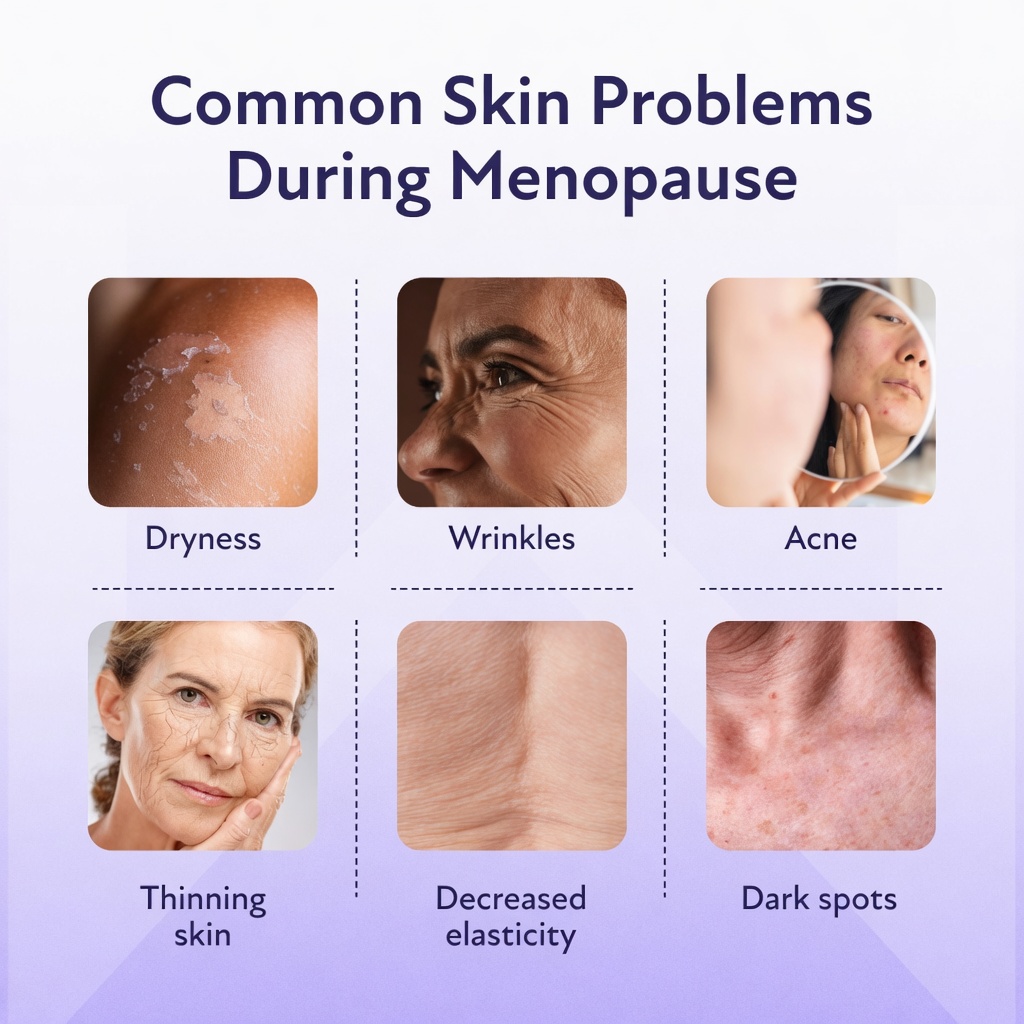
Number 2: Thinning Hair or Dry Skin (Visible Changes That Build Gradually)
Hormones affect collagen, skin hydration, and oil production. Over time, you may notice:
- Increased hair shedding or thinning
- Skin that feels drier or less elastic
- Reduced response to lotions or hair products you used to rely on
These changes tend to develop slowly, which can make them easy to overlook at first.
Number 1: Decreased Fertility (A Quiet but Foundational Sign)
Even if you’re not actively trying to conceive, early menopause can show up as reduced fertility. As ovarian reserve declines earlier than expected, conception may become more difficult.
Fertility specialists consider this a core marker of early reproductive transition, especially when it appears alongside other symptoms on this list.
Additional Symptoms Some Women Notice
Beyond the top 10 signs, early menopause may also involve:
- Joint aches or stiffness
- Weight changes
- Urinary issues (urgency, irritation, or increased frequency)
Risk factors can include family history and certain medical conditions, such as autoimmune disorders. Symptoms vary significantly—tracking patterns can be more helpful than focusing on one standalone change.
A Quick Symptom Guide
| Sign | Common Trigger | Potential Impact | When to Pay Attention |
|---|---|---|---|
| Irregular periods | Hormone fluctuations | Unpredictable cycles | Skipping multiple cycles |
| Hot flashes / night sweats | Vasomotor instability | Disrupted comfort and sleep | Frequent or worsening episodes |
| Mood changes | Brain chemistry shifts | Emotional strain | Intense or persistent swings |
| Vaginal dryness | Thinning tissues | Discomfort in daily life and intimacy | Ongoing irritation |
| Fatigue / brain fog | Metabolic and cognitive changes | Reduced daily function | Tiredness that won’t resolve |
What to Do If You Suspect Early Menopause
No single symptom confirms early menopause. However, a pattern—especially several signs occurring together—is a strong reason to speak with a healthcare professional.
Possible next steps include:
- Schedule a doctor visit if symptoms persist or escalate
- Discuss whether hormone testing is appropriate (it may help, though it’s not always necessary)
- Make evidence-supported lifestyle adjustments, such as regular movement, stress reduction, and a balanced diet
- Track symptoms in a journal to improve clarity during appointments
- Seek support, whether from trusted friends, communities, or counseling
It’s also worth repeating: these symptoms are not “in your head.” They are real physiological changes, and many women find relief once they get accurate guidance and a personalized plan.
Practical Action Plan
| Action | When to Start | Potential Benefits | Notes |
|---|---|---|---|
| Doctor consultation | When signs persist | Accurate evaluation | Share full medical history |
| Hormone check | As recommended | Clarity on hormone patterns | Not always required |
| Lifestyle adjustments | Ongoing | Symptom relief | Exercise and stress care matter |
| Support network | Now | Emotional relief | Community can help |
| Follow-ups | Regularly | Long-term monitoring | Adjust plan as needed |
Don’t Dismiss the Signs—Choose Awareness
Ignoring symptoms can mean missing opportunities for support, symptom relief, and long-term health protection. If early menopause is a possibility, awareness is a powerful tool: track what’s changing, start a conversation with your doctor, and share what you’re experiencing with people you trust.
Many women report that simply talking openly—at home or in a clinic—becomes the first step toward feeling better.
Disclaimer: This article is for informational purposes only and does not replace professional medical advice. Please consult a qualified healthcare provider for diagnosis and personalized guidance.