
Watching someone you love wrestle with memory loss or ongoing confusion can be deeply painful. Conversations that once flowed with ease may become fragmented, everyday routines turn exhausting, and their familiar personality can seem to fade. For many families, these changes begin subtly—often after age 50—shaped by stress, nutrition, and the natural aging process. In the search for gentle, practical support, some people look to coconut oil for its potential connection to brain energy.

Why “Memory Fog” Feels So Alarming
Misplacing keys or forgetting a name might seem harmless at first, but repeated lapses can trigger real fear about something more serious. Mental haze can affect performance at work, strain relationships, and take the joy out of daily life—leaving people wondering whether their sharpness is slipping away.
One reason coconut oil for brain health gets attention is its medium-chain triglycerides (MCTs), which the body can convert into ketones—an alternative energy source the brain may use when glucose metabolism becomes less efficient with age. Research is still evolving, but the idea has sparked widespread interest—especially after one widely shared personal story.

A Doctor’s Personal Experience: Coconut Oil and Alzheimer’s Hope
Consider what it would feel like to watch your spouse face early Alzheimer’s symptoms in their 50s—declining independence, mood changes, tremors, and depression, even while following standard medical care. This was the reality for Dr. Mary Newport, whose husband Steve experienced worsening symptoms despite medication.
After extensive reading and research, she introduced coconut oil into his daily routine, gradually working up to multiple tablespoons per day. According to her account, she observed improvements such as a steadier mood, fewer tremors, and stronger recall. She also reported that Steve regained the ability to participate in some everyday activities.

This experience is personal and not proof of a cure—but it has encouraged many people to explore whether coconut oil might offer gentle support for cognitive function. To understand why, it helps to look at the proposed mechanism.
How Coconut Oil May Support Brain Energy
As we age, some brain cells may struggle to use glucose efficiently. That reduced energy availability can contribute to fatigue, mental fog, and slower thinking—especially during stressful periods or when overall health is compromised.
Coconut oil contains MCTs, which can be converted relatively quickly into ketones. Ketones may provide the brain with a “backup fuel” source, potentially helping bridge energy gaps. Some small studies have explored whether MCT supplementation may support short-term cognitive performance in certain people with mild cognitive impairment, with responses sometimes differing based on genetic factors.
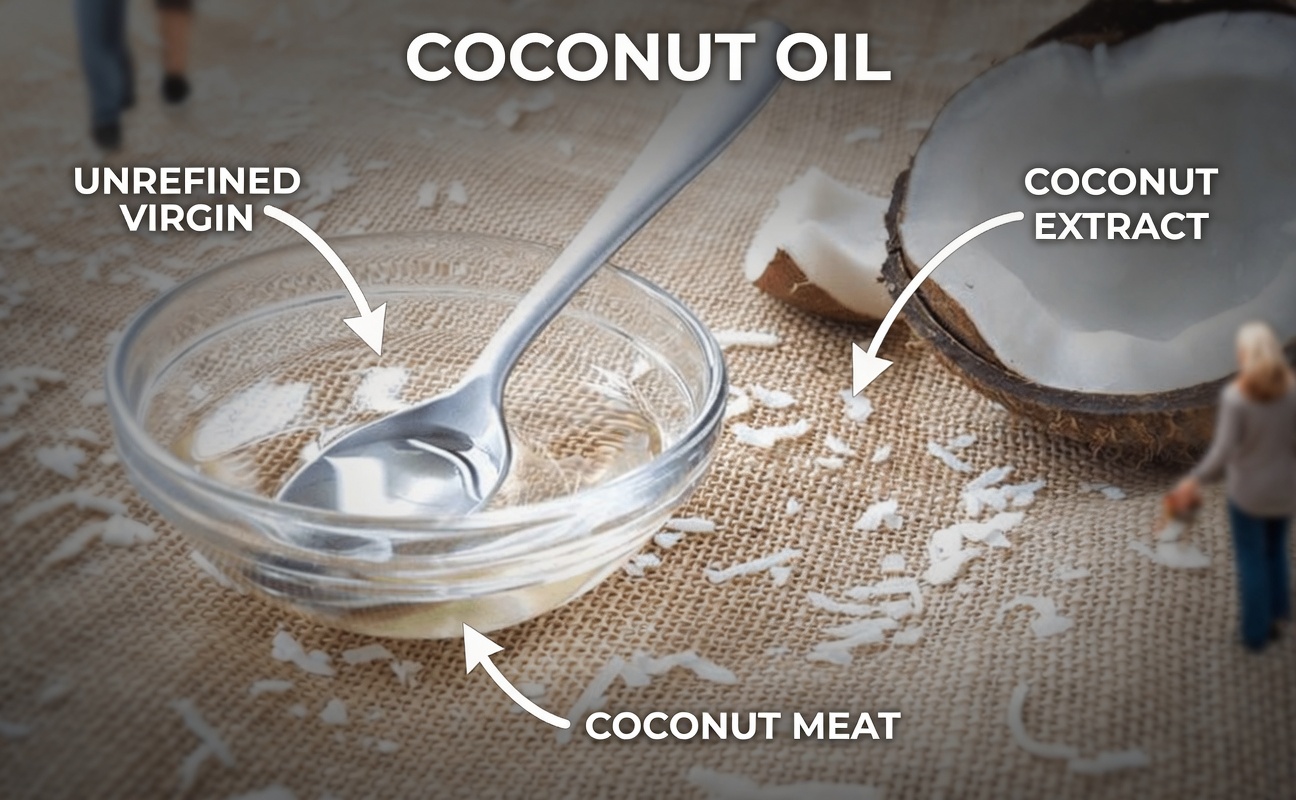
While results vary and evidence remains limited, some individuals report steadier focus and fewer “crashes,” especially when coconut oil is used consistently and alongside other healthy habits.
Possible Benefits for Day-to-Day Mental Sharpness
Stress, poor sleep, and heavy workloads can make concentration feel harder than it should be. When you can’t recall details or stay focused during conversations, confidence drops—and decision-making can feel overwhelming.
Because ketones may help compensate when glucose-based brain energy is less reliable, some researchers have explored whether MCT-rich foods (including coconut oil) could improve certain cognitive markers in controlled settings. Although findings are not definitive, the potential for reduced haze is a key reason many people remain interested.
Mood and Daily Vitality: What People Often Notice
Memory concerns frequently overlap with low mood, irritability, and reduced motivation. When energy dips, even enjoyable routines—hobbies, social time, family moments—can feel distant.
Anecdotal reports (including Dr. Newport’s) suggest that coconut oil may be associated with greater steadiness and less mental fog in some individuals. Meanwhile, early laboratory and clinical research on MCTs continues to investigate possible neurological support. Coconut oil is also easy to use in everyday meals, which makes it appealing for people who want a simple dietary addition rather than a complex regimen.
What’s in Coconut Oil That Drives Brain-Health Interest?
- Medium-Chain Triglycerides (MCTs): Linked to ketone production, which may offer alternative brain fuel.
- Lauric acid: Often discussed in the context of general wellness.
- Natural fats: May contribute to steadier energy for some people when used appropriately.
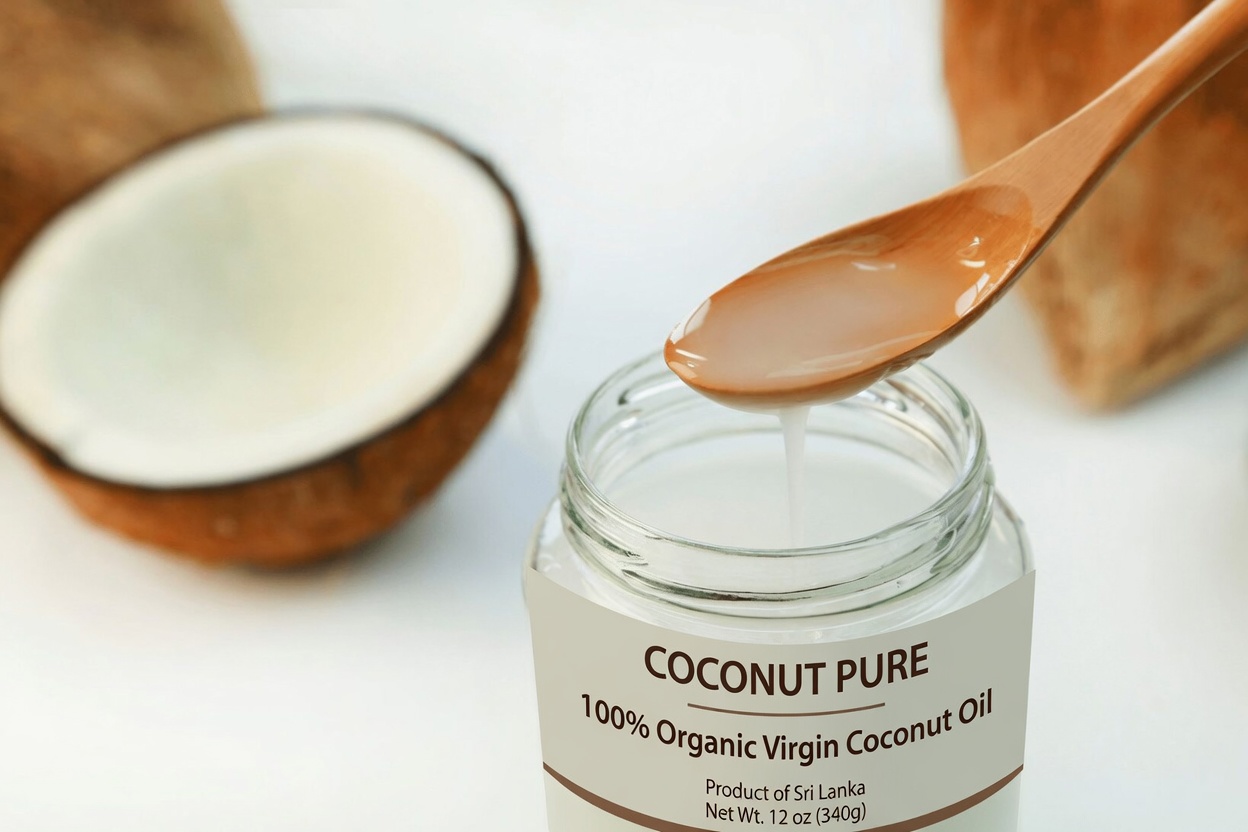
Many people prefer virgin coconut oil, which is less processed and typically retains more natural compounds.

Gentle, Practical Ways to Add Coconut Oil to Your Routine
Coconut oil is calorie-dense and high in saturated fat, so a slow approach matters. Talk with a healthcare professional first, especially if you have cardiovascular risk factors, digestive issues, or take medication.
- Choose quality: Opt for virgin (and often organic) coconut oil for a cleaner option.
- Start small: Begin with 1 teaspoon daily, then increase gradually if tolerated.
- Common target amounts (anecdotal): Some people work up to 1–2 tablespoons, twice per day, but this isn’t a universal recommendation.
- Easy ways to use it:
- Stir into coffee or tea
- Blend into smoothies
- Mix into oatmeal or yogurt
- Cook eggs or sauté vegetables with a small amount
- Track how you feel: Note digestion, mood, energy, and clarity over several weeks.
Tips to Make Coconut Oil a Consistent Habit
- Use it at the same time each day (morning routines help).
- Take it with food to reduce the chance of stomach discomfort.
- Store it in a cool area (it melts easily in warm environments).
- Pair it with other brain-supportive habits such as walking, hydration, and sleep.
- Adjust the amount to fit your body and your overall diet.
- Look for small improvements rather than overnight changes.
A Balanced Takeaway on Coconut Oil and Brain Health
Dr. Newport’s story helped bring attention to coconut oil’s MCT content and the idea of ketones as an alternative brain fuel. Early research offers intriguing possibilities, but outcomes differ from person to person—and coconut oil is not a cure for Alzheimer’s disease or cognitive decline.
For those interested in natural approaches, coconut oil may be explored as one supportive tool alongside medical care, nourishing food choices, movement, and stress management.
Frequently Asked Questions
Is coconut oil safe to use every day?
Many people tolerate coconut oil in moderation, but it is high in saturated fat and calories. Discuss daily use with a qualified healthcare provider, especially if you have heart-health concerns.
How much coconut oil do people typically try?
Some personal reports mention up to 2 tablespoons twice daily, but it’s wiser to start much lower and personalize based on tolerance and medical guidance.
How soon might someone notice changes?
Timing varies. Some individuals report differences within a few weeks of consistent use, but scientific evidence is still developing and not conclusive.
Medical Disclaimer
This content is for informational purposes only and does not provide medical advice. Always consult your healthcare provider before making dietary changes—particularly if you have cognitive symptoms, medical conditions, or take prescription medications.