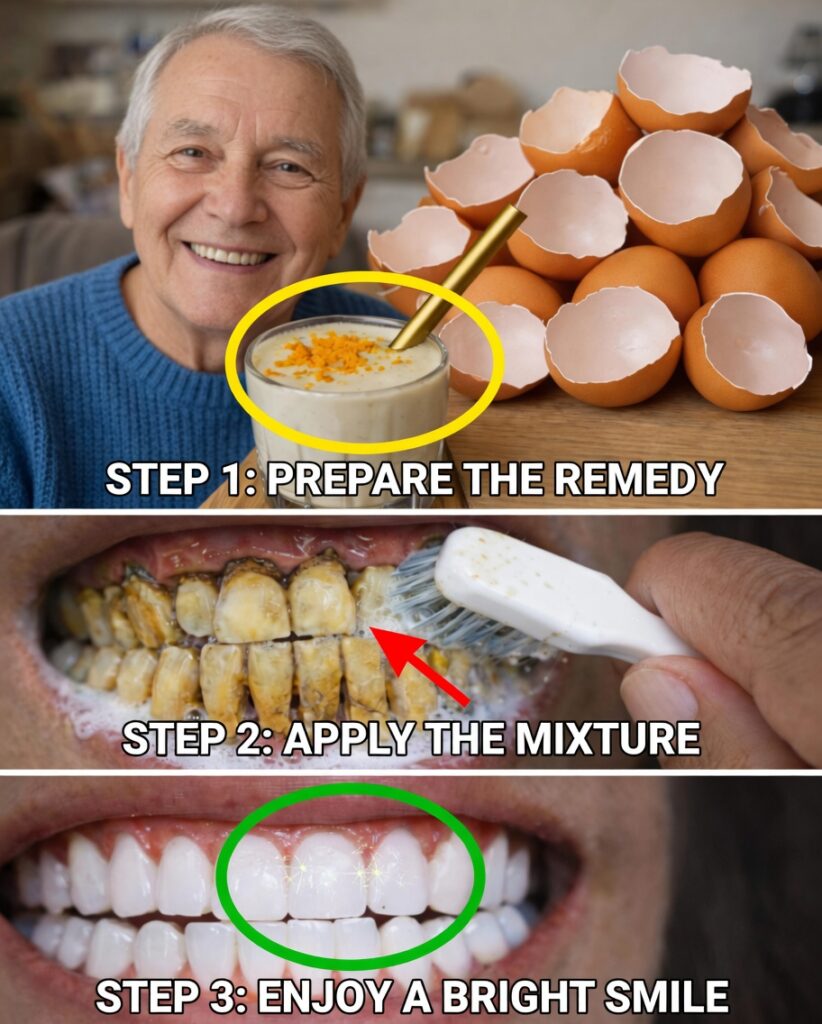
Keep Your Teeth Healthy at 80: Simple Daily Habits That Protect Your Smile for Life
Picture yourself at 80, sitting in a dental chair and hearing the words everyone wants to hear: no cavities, no gum disease, and strong teeth. That outcome isn’t a fantasy—it’s often the result of small, consistent choices made every day.
Many older adults assume tooth loss is simply part of aging. In reality, healthy teeth can last a lifetime when you support them with the right oral care habits, smart nutrition, and regular professional checkups. This guide breaks down the most effective, easy-to-follow steps to help you maintain excellent oral health as you age.
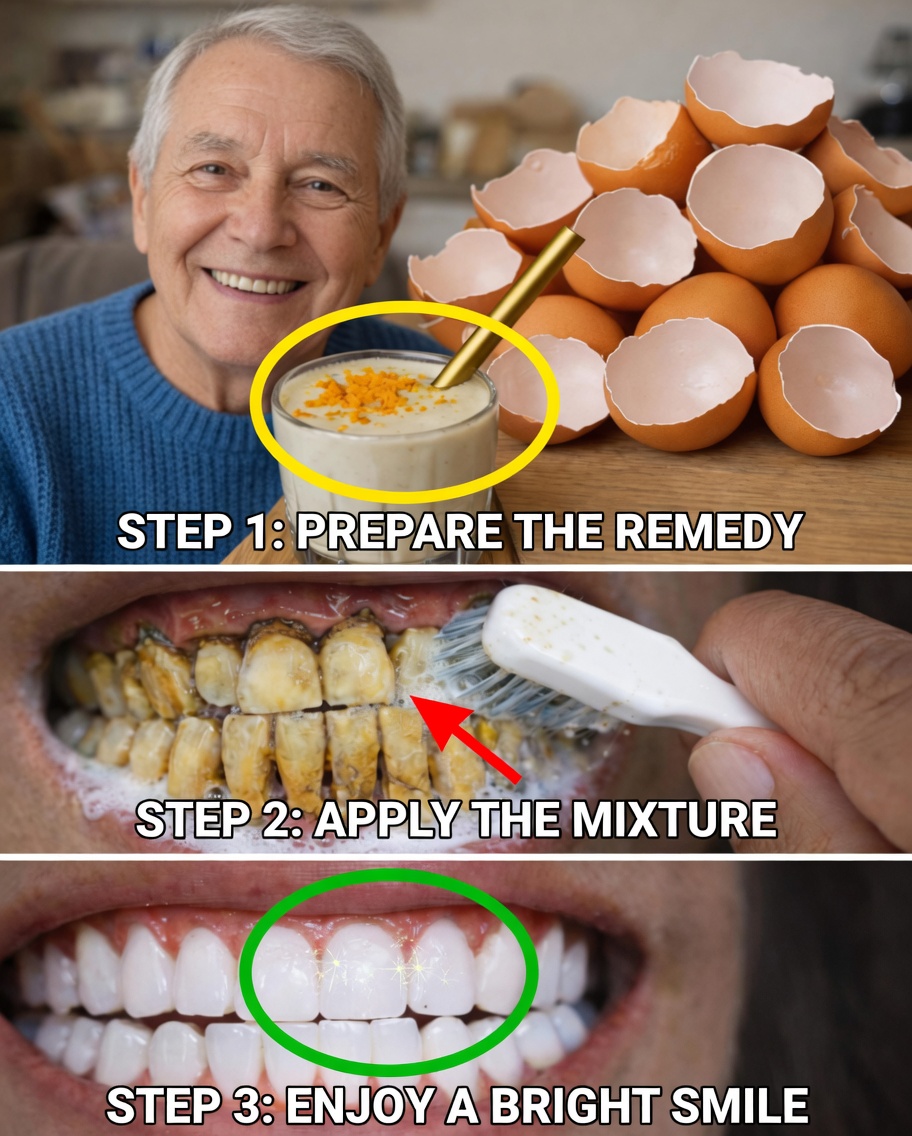
Why Oral Health Becomes More Important With Age
As the years go by, the risk of tooth decay, gum disease, and dry mouth increases. But the impact isn’t limited to your mouth. Poor oral health has been linked to broader health concerns, including:
- Heart disease
- Diabetes complications
- Chronic inflammation
Protecting your teeth and gums in your senior years supports not only your smile, but also your overall well-being.
1. Brush Twice Daily—But Use the Right Technique
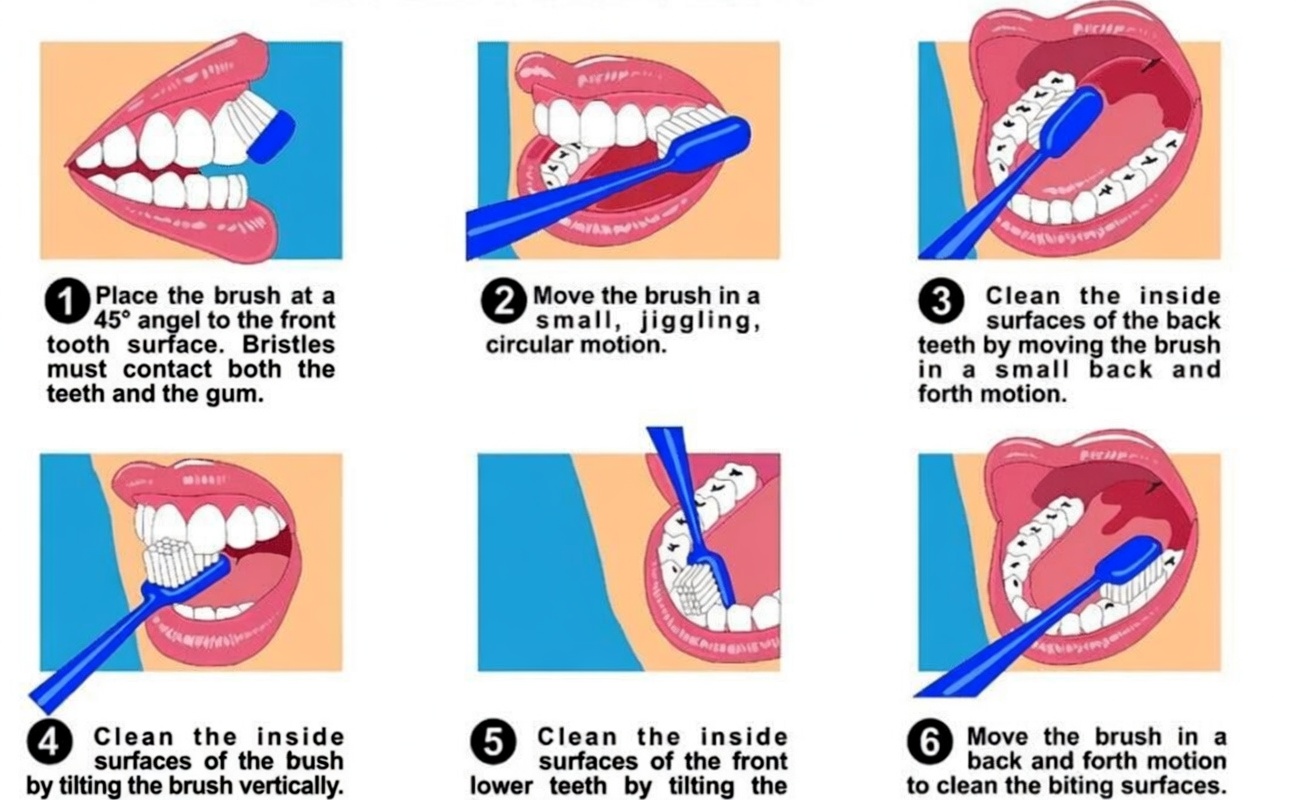
Brushing is essential, yet how you brush matters as much as how often. Dentists commonly recommend:
- Brush twice a day for two full minutes
- Choose a soft-bristled toothbrush
- Clean gently along the gum line using small circular motions
Brushing too hard can wear down enamel and irritate gum tissue. Also, replace your toothbrush (or brush head) every 3–4 months to keep it effective.
2. Use Natural Antibacterial Helpers (As Support, Not Replacements)
Some natural ingredients can enhance your oral hygiene routine by helping reduce bacteria and irritation:
- Saltwater rinse: Mix warm water with salt, swish, and spit to help calm gums and lower bacterial load
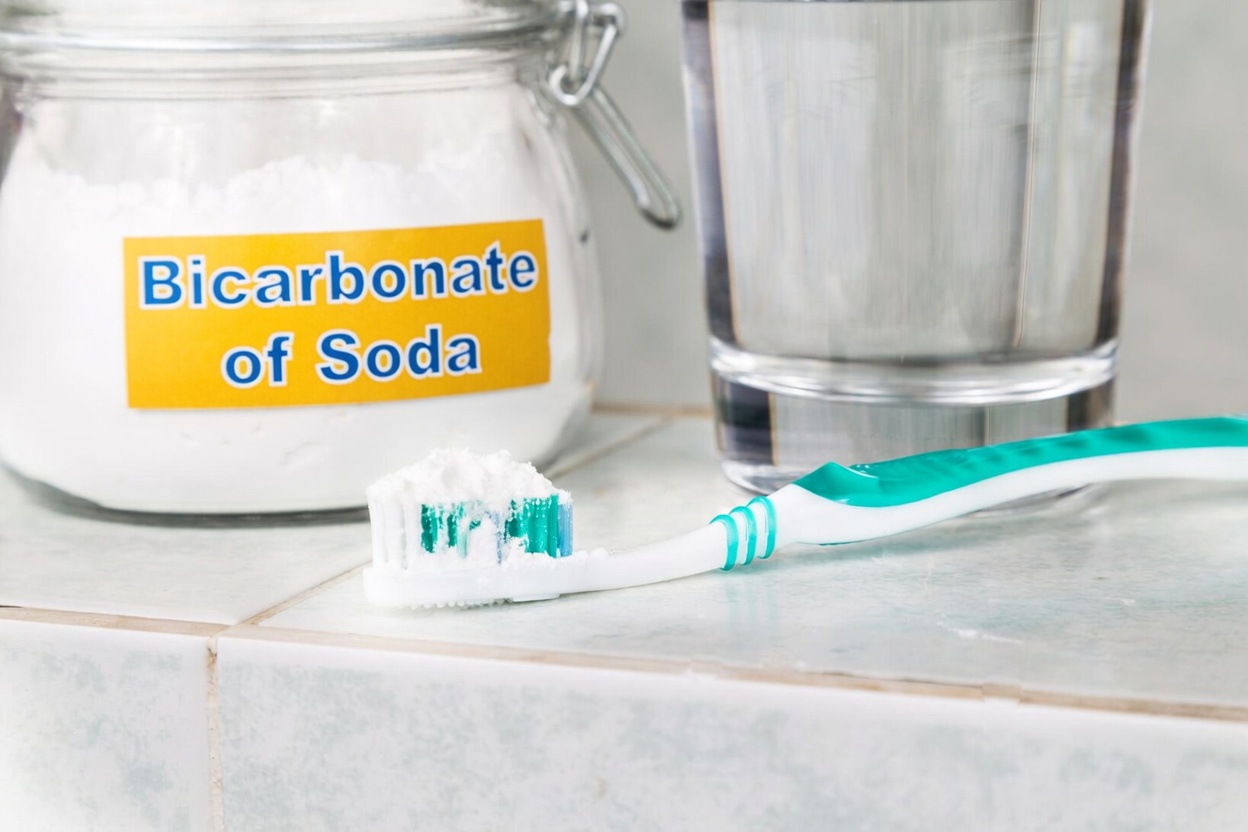
- Baking soda: A mild abrasive that can help lift surface stains and neutralize mouth acids
- Coconut oil pulling: Swishing coconut oil may help reduce bacteria and support gum health
These options can be useful add-ons—but they should never substitute brushing and flossing.
3. Let Your Diet Strengthen Your Teeth
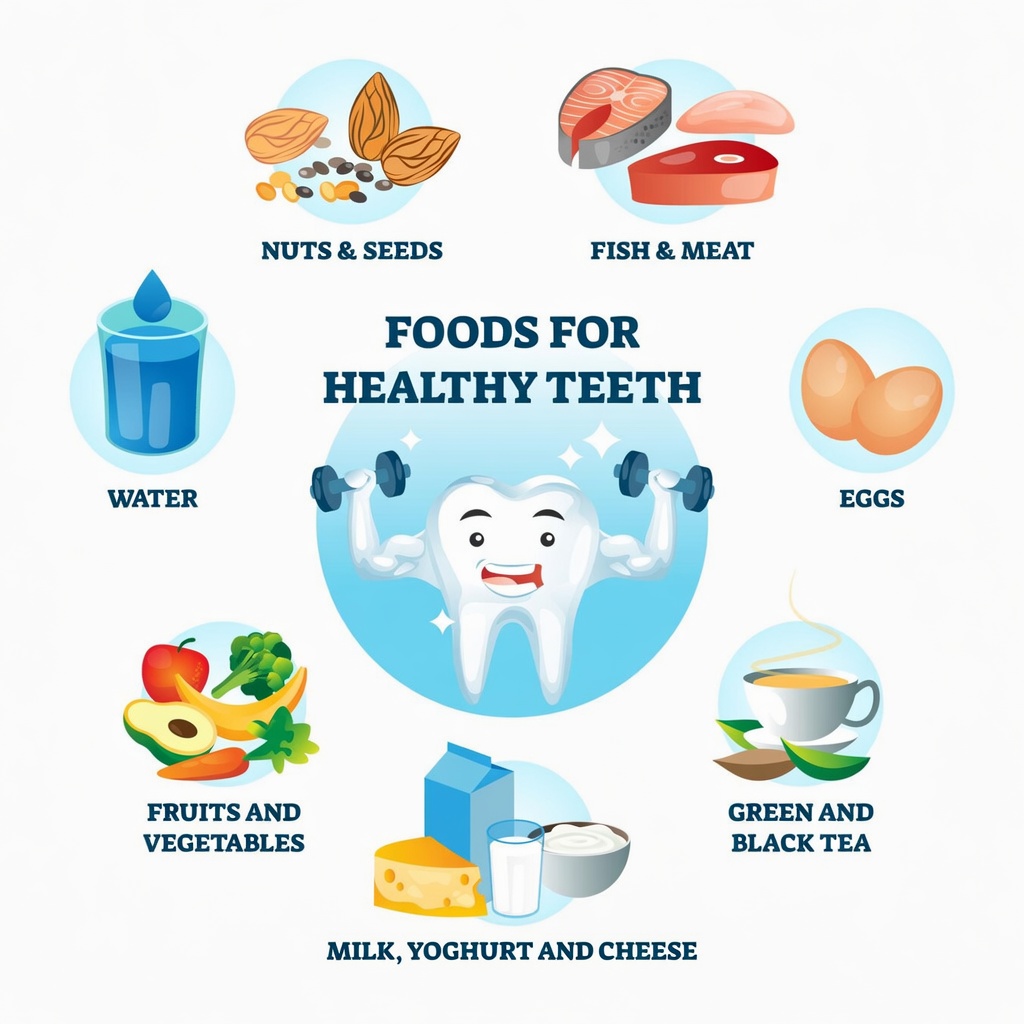
What you eat directly influences enamel strength, gum health, and plaque buildup. A tooth-friendly diet supports long-term dental health—especially in older adults.
Foods that help maintain strong teeth:
- Leafy greens
- Calcium-rich dairy foods
- Nuts and seeds
- Apples and crunchy vegetables
- Green tea
Foods and drinks to limit:
- Sugary snacks and desserts
- Sticky candies
- Acidic beverages
- Frequent soda intake
Nutrients like calcium and other minerals help protect enamel, while excess sugar feeds plaque and increases the risk of decay.
4. Stay Hydrated to Protect Against Cavities
Saliva is one of your body’s built-in defenses. It helps:
- Wash away food particles
- Neutralize harmful acids
- Deliver minerals that support enamel
Dehydration can lead to dry mouth, raising the risk of cavities and gum issues. Make water your go-to drink throughout the day to maintain healthy saliva flow.
5. Treat Gum Health as Non-Negotiable
Strong teeth depend on healthy gums. Gum disease can start quietly, with signs such as:
- Redness
- Swelling
- Bleeding during brushing
Without treatment, it can progress to gum recession and eventually tooth loss. Daily brushing and flossing help stop plaque from collecting where gum disease begins.
6. Keep Regular Dental Checkups
Even excellent home care doesn’t replace professional monitoring. Routine dental visits help with:
- Early cavity detection
- Professional plaque and tartar removal
- Ongoing screening for gum disease
Catching issues early typically means simpler treatment and better long-term outcomes.
7. Avoid Smoking to Lower Your Risk of Tooth Loss
Smoking remains one of the strongest risk factors for gum disease. Tobacco use reduces blood flow to the gums, slows healing, and increases the chance of infection.
Avoiding smoking supports healthier gums, stronger teeth, and improved overall health.
8. Consistency Is the Real “Secret” to Lifelong Oral Health
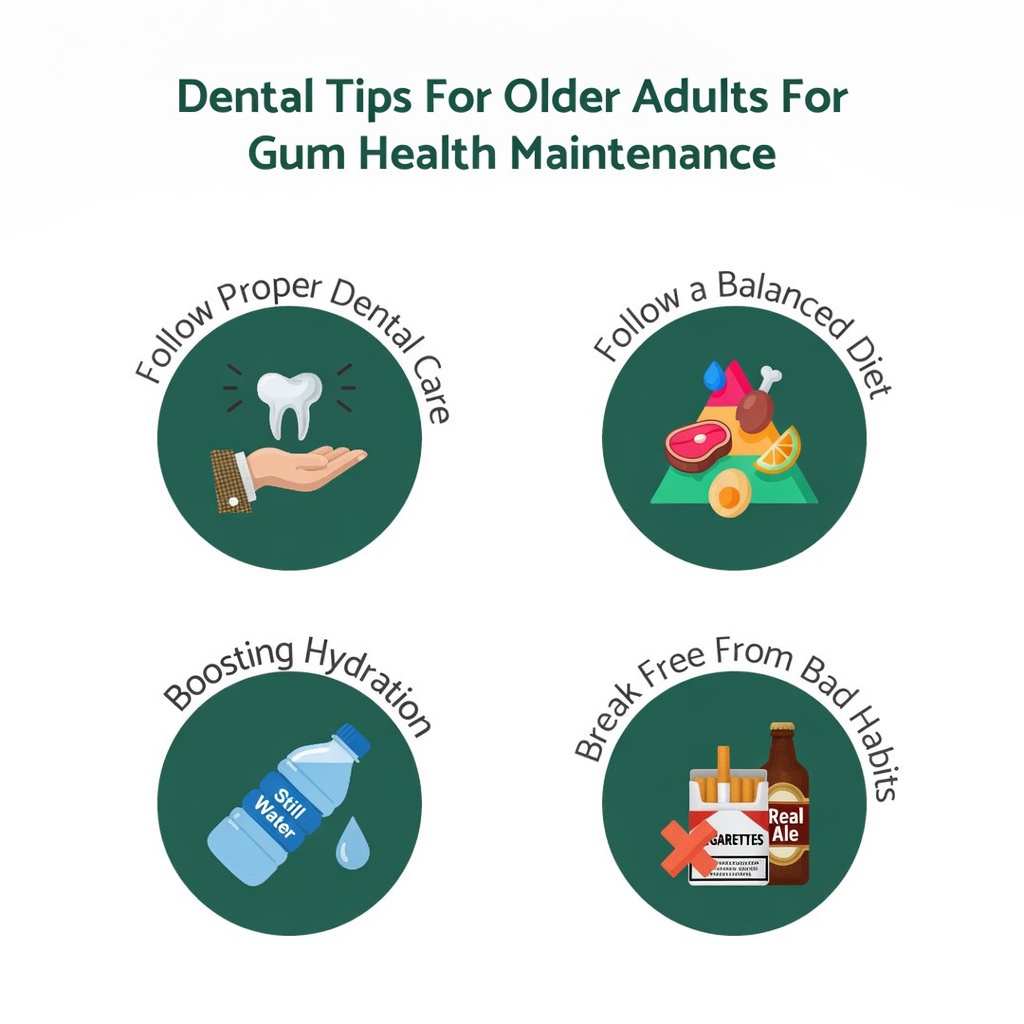
No single product or trick keeps teeth healthy forever. The biggest difference comes from repeating the basics daily, year after year:
- Brush and floss consistently
- Drink enough water
- Eat a nutrient-rich diet
- Protect gum health
- Visit the dentist regularly
Final Thoughts
Reaching your 80s with healthy teeth is absolutely achievable. With gentle, consistent brushing, smart food choices, hydration, and strong gum care, you can significantly reduce the risk of cavities and gum disease. Natural options like saltwater rinses and coconut oil pulling can complement your routine, but they work best alongside proven habits and regular dental checkups.
Your teeth are designed to last—support them with the right daily routine, and they can stay strong for life.
FAQ
Q1: How often should I brush my teeth as I get older?
Brush twice daily for two minutes each time, using a soft-bristled toothbrush and gentle pressure to protect enamel and gums.
Q2: Does coconut oil pulling actually help oral health?
It may help reduce bacteria and support gum health, but it should be used in addition to brushing and flossing—not as a replacement.
Q3: What are the best foods for strong teeth?
Leafy greens, dairy foods, nuts, seeds, apples, crunchy vegetables, and green tea support enamel and gums by providing important minerals and nutrients.
Disclaimer
This article is for informational purposes only and does not provide medical advice or treatment. Always consult a qualified dental or healthcare professional before changing your oral care routine.