A Painful Calf Sore With a Dark Center: What It Could Mean (and When to Act Fast)
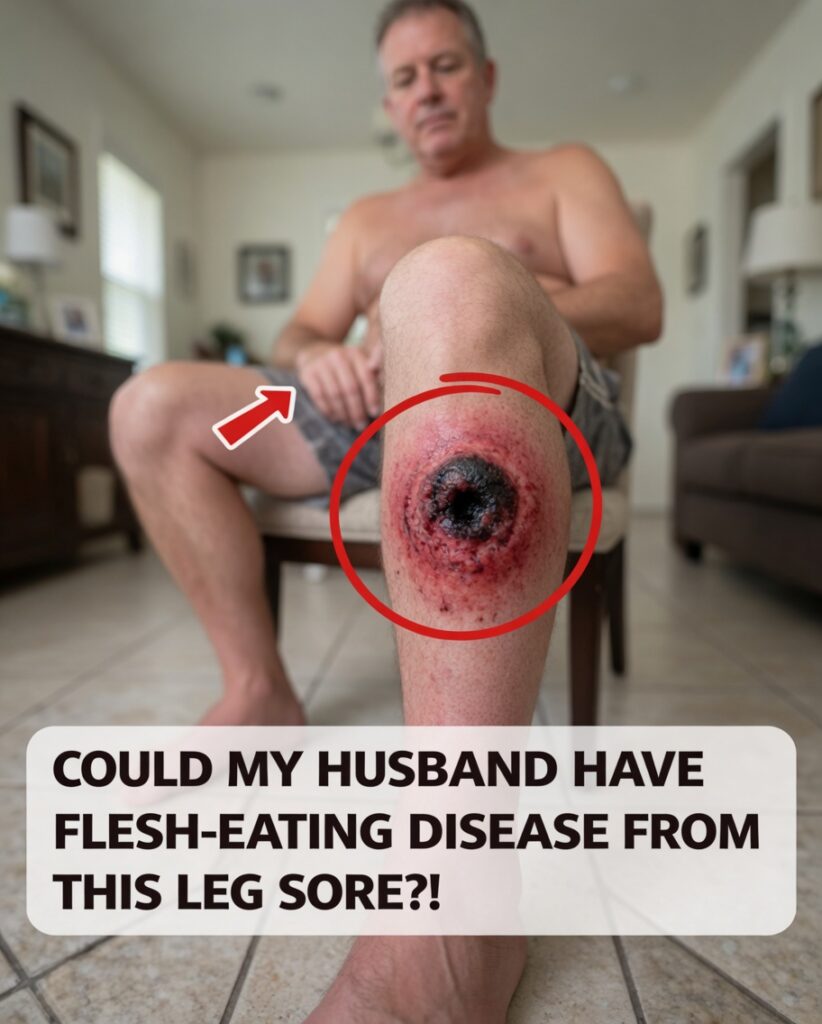
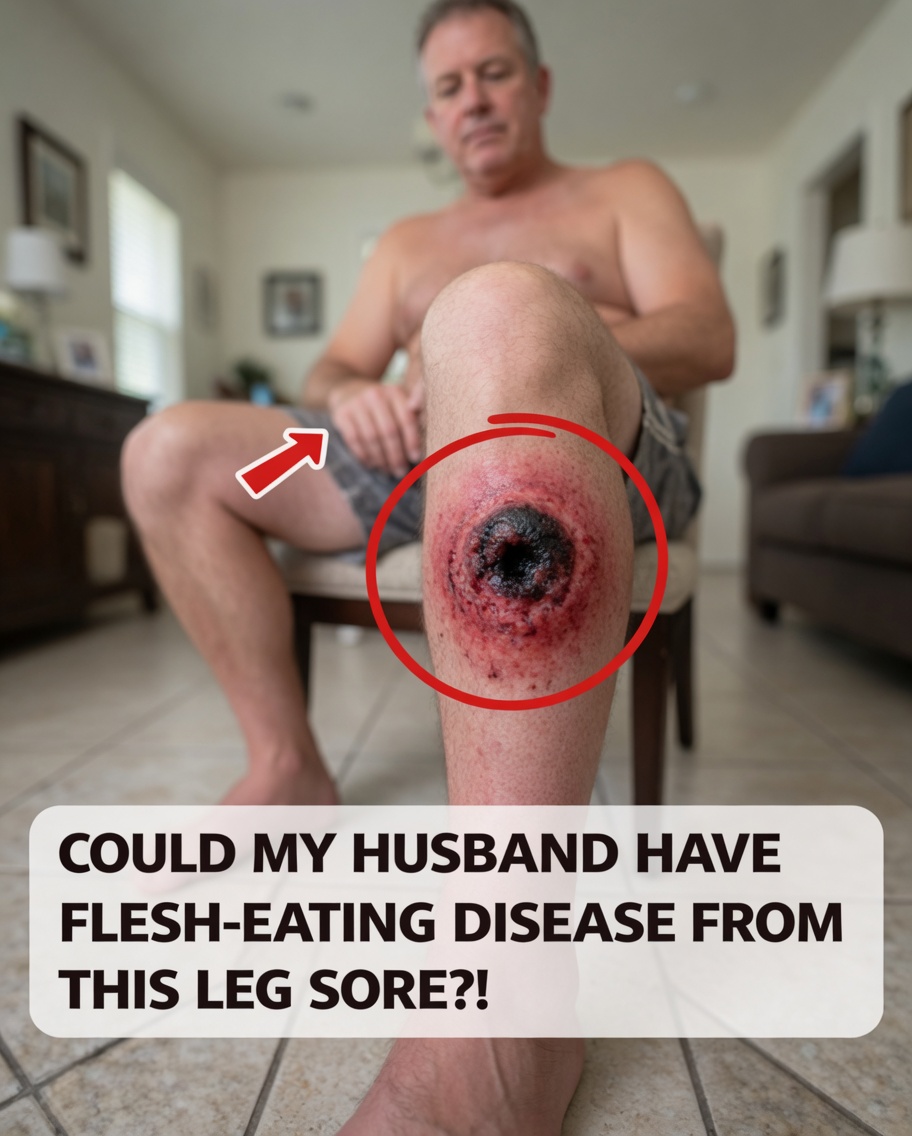
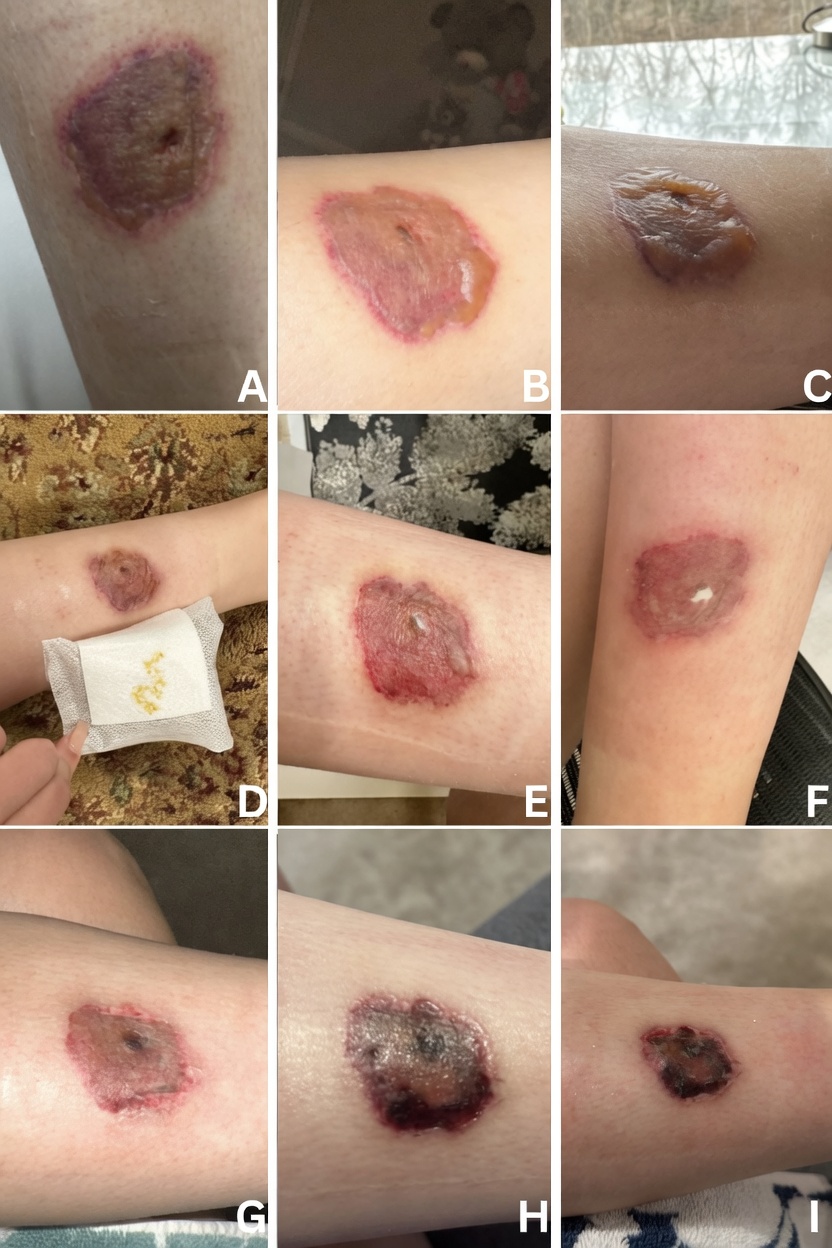
Picture this: you finally sit down at home after a long day. Maybe you’re adjusting a sock or scratching an itchy spot on your leg—then you notice something that wasn’t there before. A sore on your calf looks unusual. The middle is dark, almost black, and the surrounding skin feels swollen, tender, and sore.
It’s easy to dismiss early skin changes—many people do—until discomfort becomes impossible to ignore. What’s important to know is that a small spot on the skin can sometimes be an early signal that a deeper issue is developing.
Near the end of this article, you’ll learn a simple “marker test” clinicians often suggest to help monitor whether a sore may need urgent evaluation.
What Does a Dark Center in a Skin Sore Usually Indicate?
A wound with a dark or black center can be alarming, but the appearance often has a straightforward explanation. In many cases, the dark center forms when skin tissue is significantly irritated, damaged, or not receiving healthy blood flow. Clinicians may describe this as necrosis, meaning a portion of tissue is no longer healthy.
Many people first notice a pattern like this:
- A painful bump, blister, or raised spot
- Redness and swelling around the area
- A dark brown or black center developing over time
- Increased sensitivity when the skin is touched
The area may also feel warm or “throb,” which can point to inflammation and, in some cases, infection. Dermatology and infectious-disease research notes that the immune system can react strongly when bacteria enter through small breaks in the skin—such as tiny cuts, insect bites, shaving irritation, or inflamed hair follicles.
Often, the body can handle minor problems on its own. But certain changes suggest the condition may be escalating—making early attention especially valuable.
Common Causes of a Painful Sore With a Dark Center
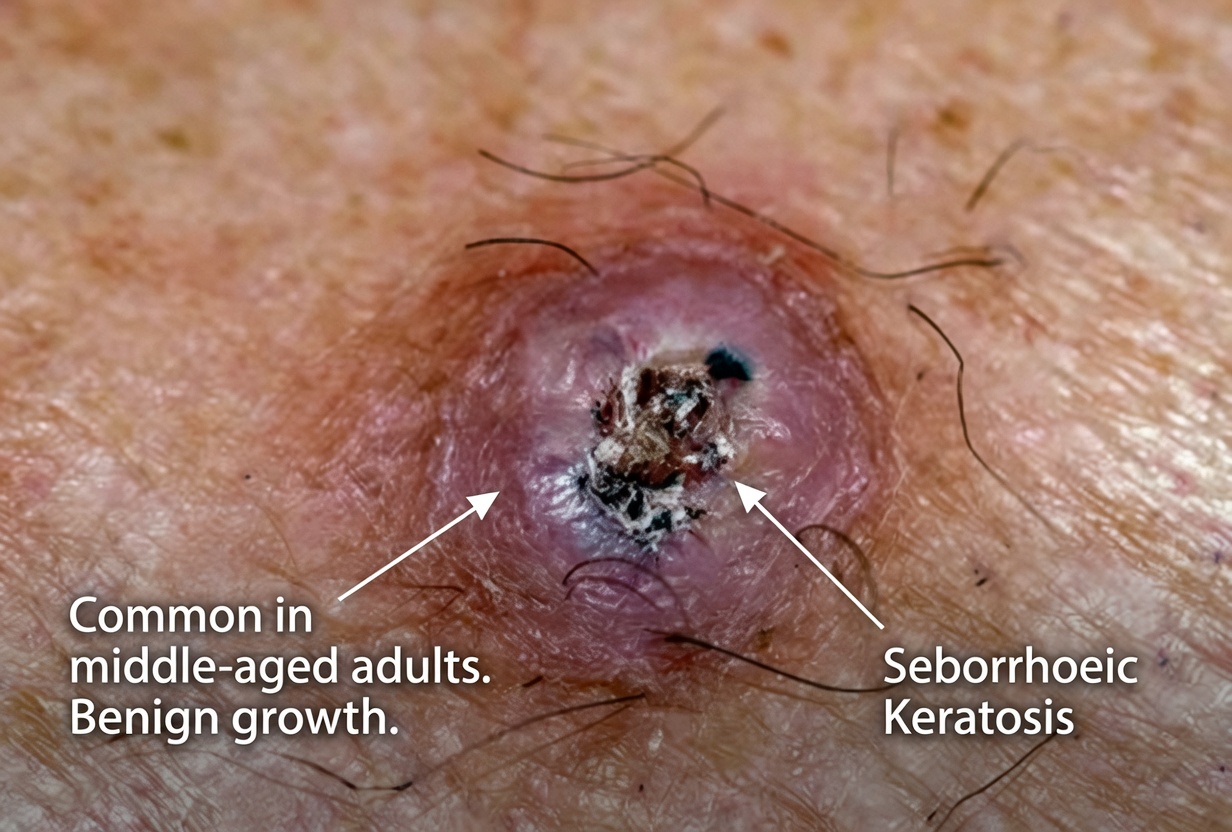
One major misconception: many people immediately assume a dark-centered sore must be a spider bite. While bites can cause skin reactions, several different conditions can look similar on the surface.
1. Infected insect bite (sometimes mistaken for a spider bite)
Some bites trigger strong inflammation, and if bacteria enter the area, a secondary infection can develop. Typical features may include:
- Redness around the bite
- Swelling and sometimes blistering
- A darker scab forming in the middle
- Burning, tenderness, or increasing discomfort
A key detail from infectious-disease studies: a large number of “suspected spider bites” later turn out to be bacterial skin infections that began from a small, easily missed injury.
2. Skin abscess (boil)
An abscess forms when bacteria get trapped under the skin, leading to a pocket of pus. It may look or feel like:
- A swollen, firm lump
- Warm, painful skin
- A dark spot or scab on top
- Drainage of pus or fluid (in some cases)
Abscesses can start after minor triggers such as shaving, friction, blocked hair follicles, or small cuts.
3. MRSA skin infection
Healthcare providers pay close attention to MRSA (methicillin-resistant Staphylococcus aureus), a bacterium that can resist certain antibiotics. Early symptoms may resemble a typical infection, such as:
- A red, swollen bump
- Throbbing pain or marked tenderness
- A lesion that resembles a bite
- Progressive darkening in the center as tissue becomes more damaged
This does not mean every dark-centered sore is MRSA—but it is one of the possibilities clinicians consider when the presentation matches.
4. Rare but serious rapidly progressing infections
In uncommon cases, a fast-worsening wound can indicate a deeper, aggressive infection. Clinicians treat the following as urgent warning signs:
- Intense pain (sometimes disproportionate to the visible sore)
- Redness that spreads quickly
- Skin turning purple, dark brown, or black
- Fever, chills, or feeling unwell
When an infection spreads rapidly, early treatment can prevent severe complications.
Red Flags You Should Not Ignore
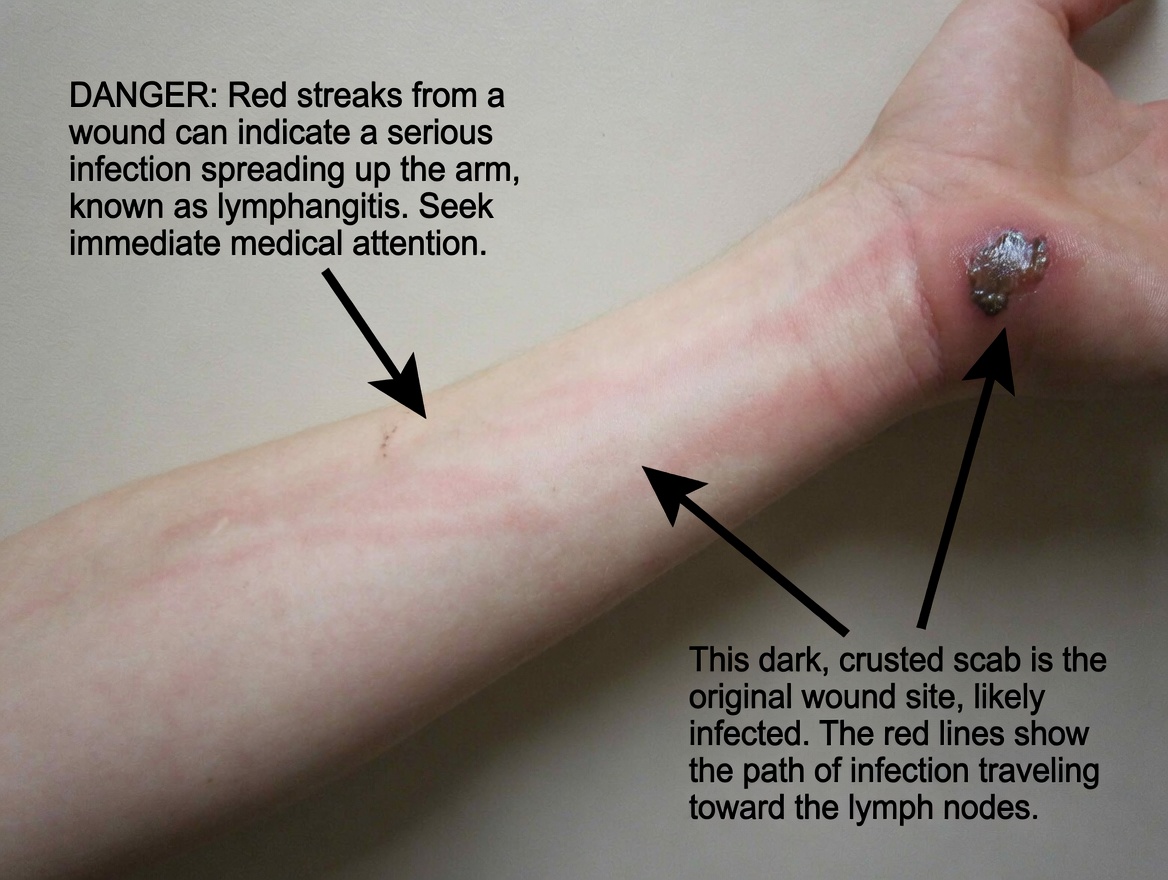
Some symptoms function like the body’s emergency alarm system. Seek prompt medical care if a sore is associated with any of the following:
- Redness spreading outward quickly
- Severe pain or pain that keeps worsening
- Swelling extending up the leg
- Fever or chills
- Pus, drainage, or a foul odor
- Skin turning dark purple or black
- Red streaks radiating away from the wound
These signs can suggest that inflammation or infection is extending into surrounding tissue. The earlier it’s assessed, the easier it often is to treat.
What You Can Do While Waiting to See a Clinician
If you can’t be seen immediately, focus on basic hygiene and careful monitoring.
1. Clean the area gently
Wash with clean water and mild soap to remove surface debris. Avoid harsh agents (such as hydrogen peroxide) that may irritate tissue and delay healing.
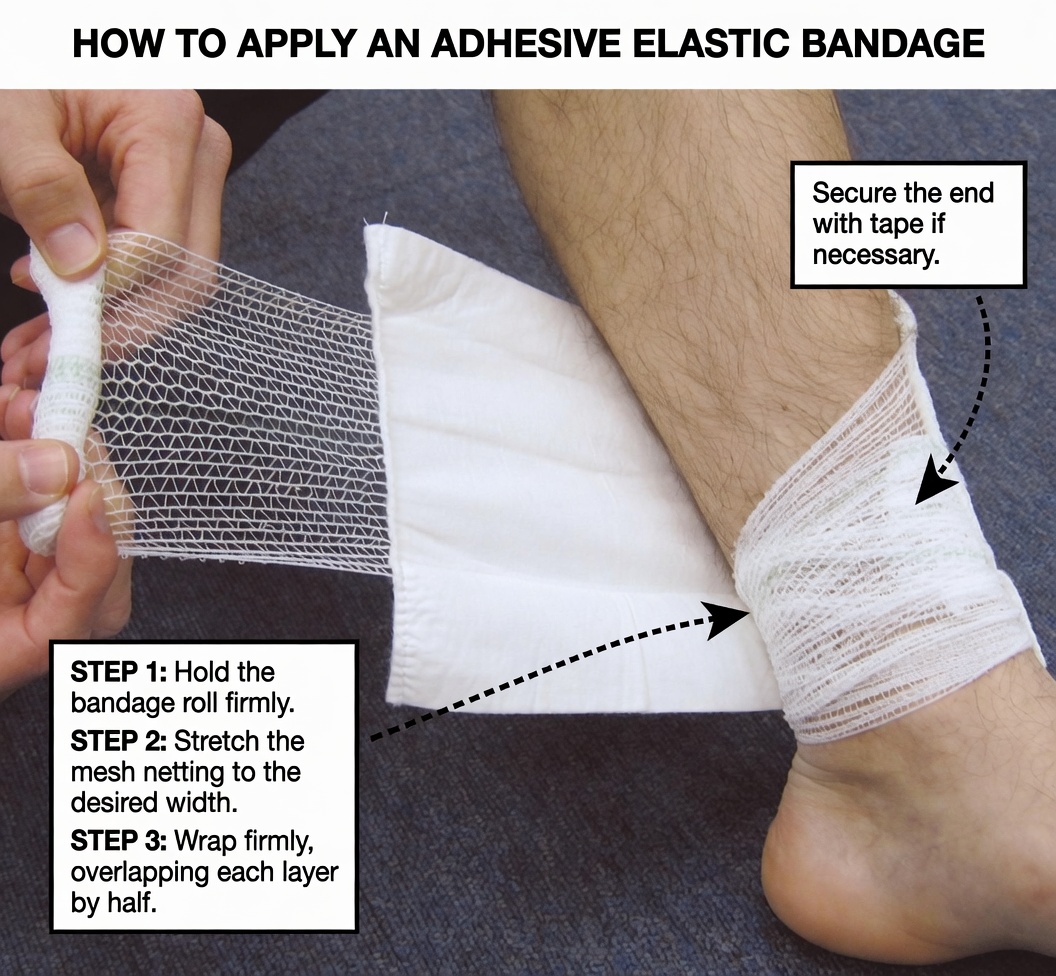
2. Cover the sore
Use a clean bandage or sterile gauze to protect the area from friction and additional bacteria. Replace the dressing if it becomes wet or soiled.
3. Don’t squeeze or “pop” it
This is critical. Pressure can push bacteria deeper and worsen inflammation. Abscesses, if present, should be evaluated and managed safely.
4. Watch for progression
Make note if the sore begins to:
- Expand in size
- Become more painful
- Start draining fluid or pus
- Develop spreading redness
This information helps healthcare professionals assess severity and next steps.
Quick Guide: Mild Irritation vs. Possible Infection
It can be hard to tell whether a lesion is minor or needs attention. Here are general differences (not a diagnosis):
-
Pain
- Mild irritation: mild tenderness
- Possible infection: increasing or severe pain
-
Redness
- Mild irritation: small, localized area
- Possible infection: spreading outward
-
Center color
- Mild irritation: pink or a typical scab
- Possible infection: dark brown, purple, or black center
-
Swelling
- Mild irritation: minimal
- Possible infection: noticeable swelling
-
Other symptoms
- Mild irritation: usually none
- Possible infection: fever, drainage, fatigue, chills
If symptoms worsen, persist, or escalate quickly, a medical evaluation is the safest option.
The Simple Observation Trick Doctors Use
A practical monitoring method clinicians often recommend is the circle test:
- Use a pen to lightly draw a line around the edge of the redness.
- Recheck the area a few hours later.
- If redness spreads beyond the line, it may indicate the inflammation is expanding.
This is a simple way to spot change over time—especially when deciding whether to seek urgent care.
Final Takeaway
A painful calf sore with a dark center can be caused by several issues, including an infected bite, a boil/abscess, or another skin infection. While many cases are treatable, warning signs like rapidly spreading redness, severe pain, fever, streaking, or darkening skin should be taken seriously.
Keeping the area clean, protected, and closely monitored is helpful, but worsening symptoms deserve professional care. Skin changes often appear before bigger problems develop—paying attention early can make a meaningful difference.
Frequently Asked Questions
Can a spider bite cause a dark-centered wound?
Some bites can lead to a dark scab or irritated tissue. However, many “spider bite” cases are actually bacterial skin infections that look similar.
Does a dark center always mean the skin is dead?
Not always. It could be dried blood, a scab, bruising, or damaged tissue. Only a qualified clinician can confirm the cause.
Should I keep the sore covered or let it air out?
Many healthcare providers recommend a clean dressing to protect the area from bacteria and friction. Replace it regularly.
Medical Disclaimer
This content is for informational purposes only and is not a substitute for professional medical advice, diagnosis, or treatment. If you suspect an infection or your symptoms worsen, seek care from a qualified healthcare provider promptly.