A Quiet Truth About Wrinkles (And Why They Suddenly Feel “New”)
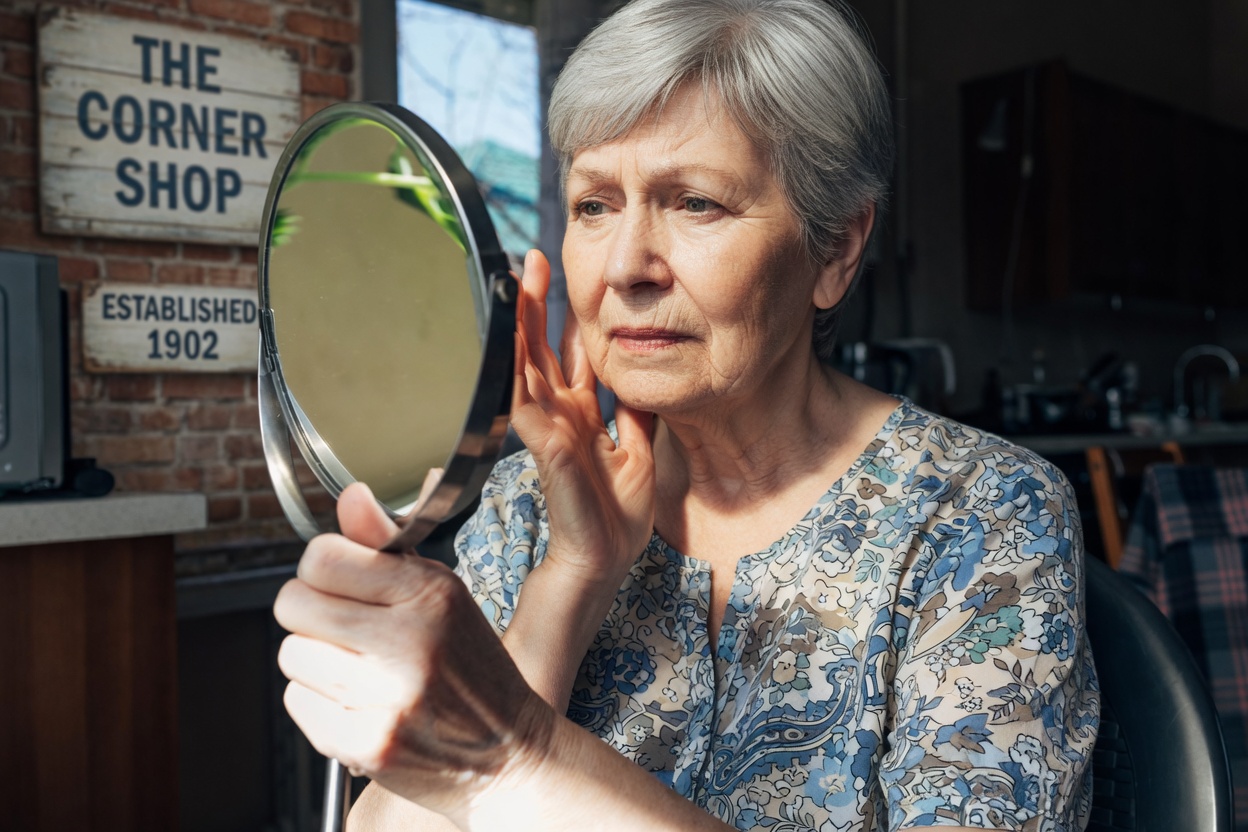
Last week, I spoke with a woman in her late sixties who admitted something many people think—but rarely say. She told me she’s started avoiding close-up mirror time, because the fine lines appearing on her face make her feel older than she imagined she would. Wrinkles rarely arrive overnight; they build gradually until one day they seem impossible to unsee.
When that moment hits, many people immediately reach for high-priced anti-aging creams. Yet a few simple, natural ingredients already in your kitchen may help support healthier-looking, better-hydrated skin. Here’s what most people miss: it’s not only what you apply—it’s also how and when you use it.
Why Expensive Anti-Aging Creams Often Fall Short for Mature Skin
Spending more doesn’t automatically mean seeing better results. Skin aging is complex, and it doesn’t respond well to “quick fixes.”
As we get older, skin naturally experiences:
- Reduced moisture levels
- Less elasticity
- Fewer protective oils
On top of that, sun exposure, environmental stress, and daily routines continuously influence how skin looks over time.
A key issue is that many commercial anti-wrinkle creams prioritize:
- Scent and texture
- Attractive packaging
- Strong marketing claims
…more than long-term nourishment. Dermatology research repeatedly points to a few fundamentals that matter most for aging skin: hydration, antioxidants, and skin-barrier support. That’s why a simple natural anti-wrinkle cream can sometimes provide similar support to far more expensive formulas.
Quick Comparison: Store-Bought vs. Simple Natural Cream
- Ingredient clarity
- Many commercial creams: long, complex ingredient lists
- Natural cream: recognizable, minimal ingredients
- Cost
- Many commercial creams: high ongoing expense
- Natural cream: budget-friendly
- Flexibility
- Many commercial creams: fixed formula
- Natural cream: easy to adjust
- Skin nourishment focus
- Many commercial creams: may include fillers
- Natural cream: centered on oils and vitamins
This doesn’t mean every store product is ineffective. It simply means that understanding what mature skin truly needs can change everything.
An Easy Natural Anti-Wrinkle Cream Recipe You Can Make at Home
A popular homemade anti-aging moisturizer relies on a short list of ingredients chosen for hydration and antioxidant support.
Ingredients
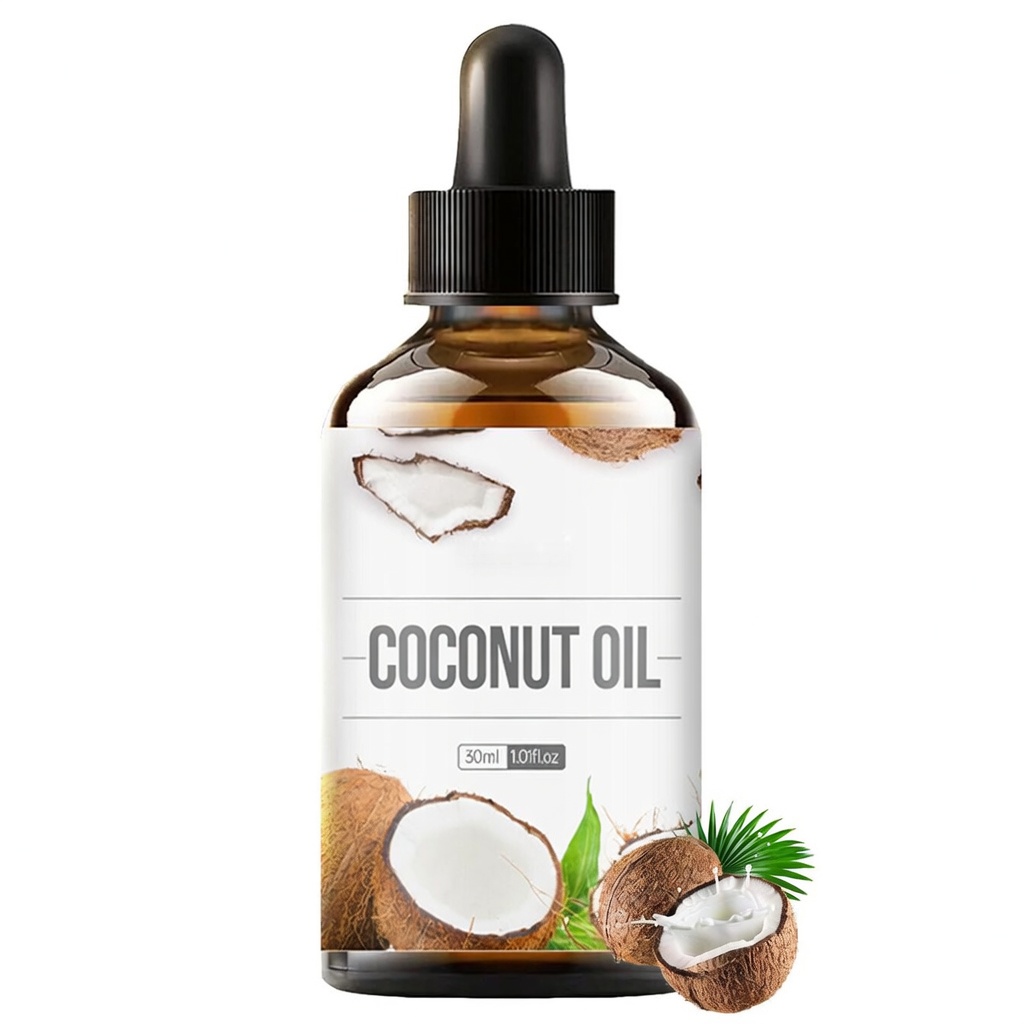
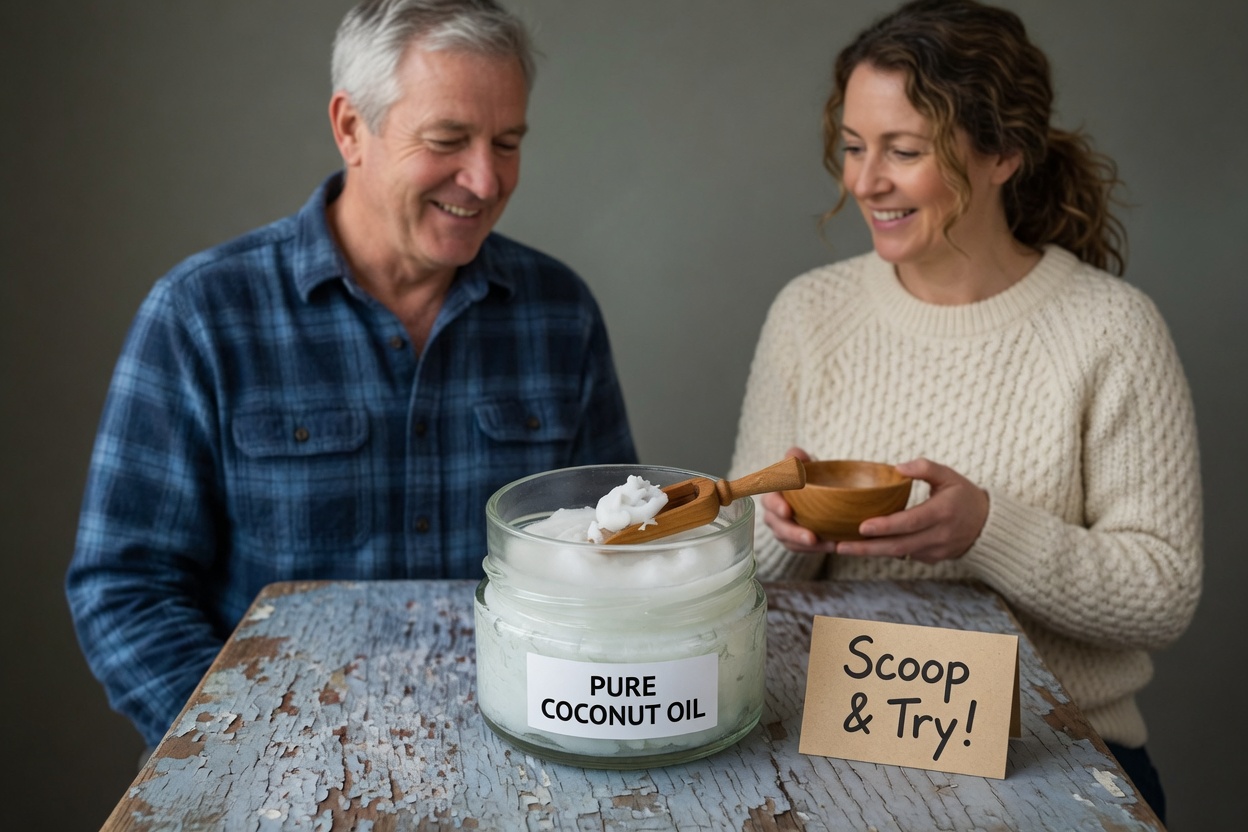
- 2 tablespoons coconut oil
- 2 vitamin E capsules
- 3–4 drops frankincense essential oil
Why These Ingredients Are Used
- Coconut oil contains fatty acids that help support the skin barrier and improve moisture retention.
- Vitamin E is a well-known antioxidant that may help defend skin from environmental stress.
- Frankincense essential oil has a long history in skincare routines and is often used to support a more even-looking skin tone with consistent use.
Hydration paired with antioxidants is a common theme in skincare research for promoting smoother, healthier-looking skin over time. Still, the way you make the cream matters too.
How to Prepare the Homemade Cream Safely
This natural anti-aging cream is quick to prepare and requires only basic tools.
Step-by-step directions
- Add the coconut oil to a small bowl. If it’s solid, warm it gently until soft or melted.
- Pierce the vitamin E capsules and squeeze the oil into the coconut oil.
- Add 3–4 drops of frankincense essential oil.
- Stir thoroughly until the mixture looks uniform and smooth.
- Spoon into a clean glass jar with a lid.
Storage tip: Keep the jar in a cool place. In warmer climates, refrigeration can help maintain texture.
Preparation helps—but real results often depend on application.
The Best Way to Apply Natural Cream for Hydrated, Smoother-Looking Skin
Many people apply moisturizer at random times, but skin follows natural renewal cycles. Dermatology research often suggests that nighttime is ideal for nourishing routines, since skin tends to focus on repair and recovery while you sleep.
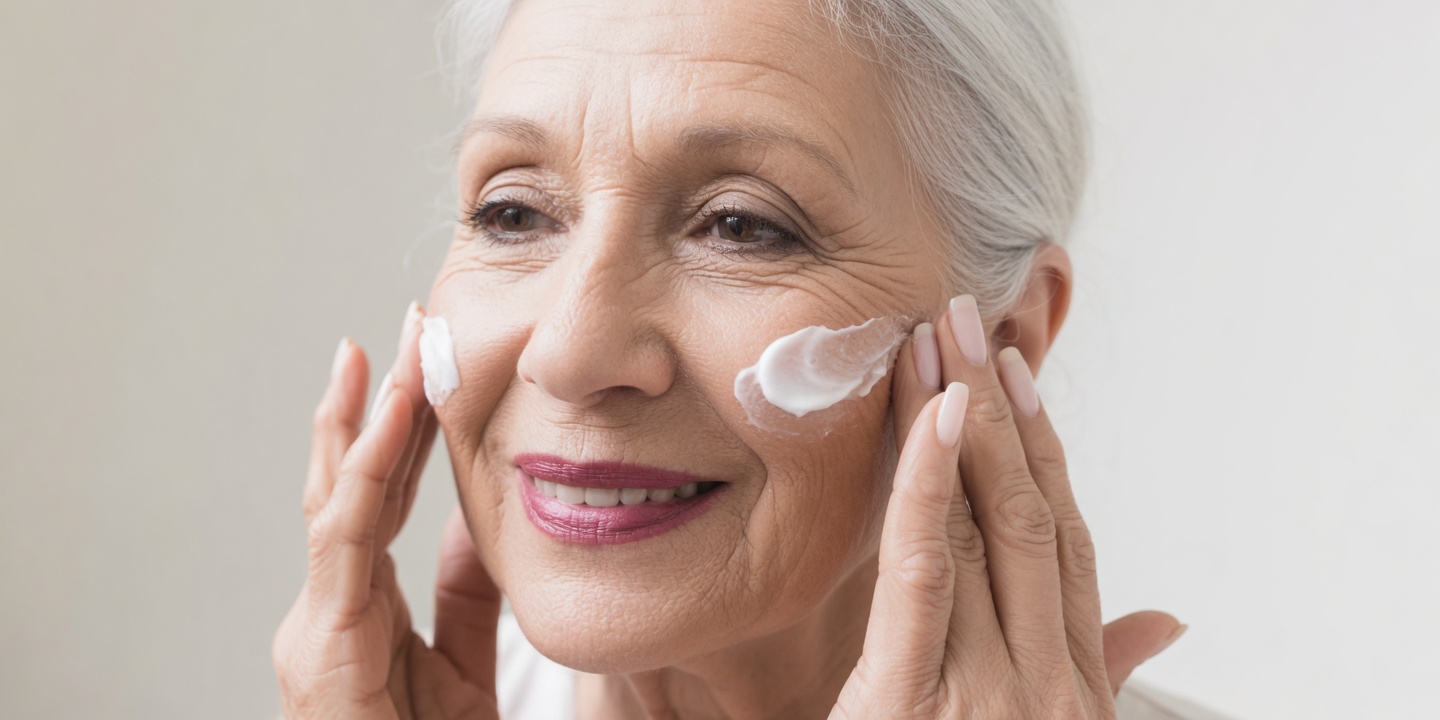
A simple nightly routine
- Cleanse with a gentle face wash
- Pat dry (don’t rub)
- Use a small amount of cream
- Apply with soft, upward circular motions
- Pay extra attention to areas with fine lines (around eyes, mouth, forehead)
Use less, not more. Applying too much can feel heavy and may clog pores for some skin types, while small amounts used consistently are typically more effective.
One more detail many people skip: facial massage. Gentle massage can support circulation and help spread oils more evenly across the skin.
Daily Habits That Help Mature Skin Look Healthier Over Time
Even the best anti-wrinkle cream can’t do much if everyday habits continuously stress the skin. Research on skin aging frequently highlights lifestyle as a major factor in long-term skin appearance.

Skin-supporting habits to focus on
- Drink enough water throughout the day
- Eat antioxidant-rich foods (berries, leafy greens, colorful vegetables)
- Wear sunscreen when outdoors
- Aim for 7–8 hours of sleep
- Avoid smoking and limit alcohol
Nutrition matters more than most people realize. Nutrients such as vitamin C, healthy fats, and antioxidants help support collagen structure and the skin’s protective systems—meaning your diet can influence your skin’s look and feel over time.
A Richer Alternative: A Thicker Cream for Very Dry Skin
If your skin is extremely dry or you prefer a denser texture (especially in winter), a richer homemade moisturizer may feel more comfortable.
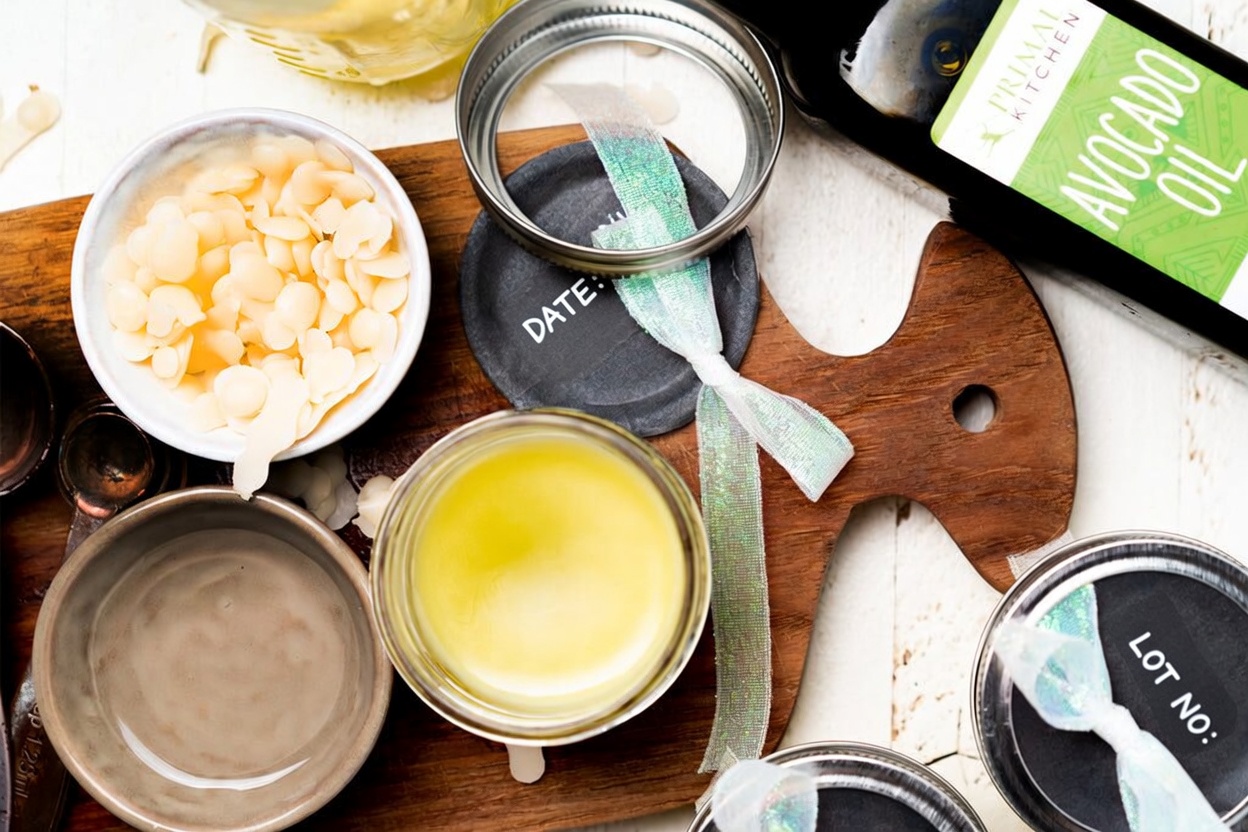
Ingredients
- 4 tablespoons coconut oil
- 1/2 ripe avocado
- 3 tablespoons beeswax
How to make it
- Gently melt the beeswax using a double boiler method.
- Add the coconut oil and stir until fully combined.
- Mash the avocado until smooth, then blend it into the warm mixture.
- Pour into a clean container and let it cool to set.
Why it works:
- Avocado provides nourishing fats and skin-friendly vitamins.
- Beeswax helps seal in moisture, supporting longer-lasting hydration.
Final Thoughts
Wrinkles are a natural part of aging, and no anti-aging cream can completely stop time. Still, consistent moisturizing, barrier-supporting oils, antioxidant ingredients, and simple daily habits can help skin stay hydrated and healthier-looking for longer.
The most effective skincare often isn’t complicated. And the real secret isn’t only the cream—it’s the daily ritual of caring for your skin with consistency.
Frequently Asked Questions
-
How long does it take to see a difference?
Natural skincare tends to work gradually. Many people notice improved softness and hydration after a few weeks of consistent use. -
Can coconut oil clog pores?
It can feel too heavy for oily or acne-prone skin. If that’s you, a lighter option like jojoba oil may be a better fit. -
Is homemade cream safe for sensitive skin?
Natural ingredients can still cause reactions. Always do a small patch test before applying any new product to your face.
Medical Disclaimer
This article is for educational purposes only and is not a substitute for professional medical advice. If you have ongoing skin concerns, allergies, or medical conditions, consult a qualified healthcare professional or dermatologist.