
A Healthy Salad—Or a Hidden Risk for Seniors?
Picture a bright afternoon and a fresh bowl of salad that feels like the perfect “healthy choice.” For many older adults, though, certain leafy greens can create unexpected health risks—especially for anyone managing heart conditions or taking blood-thinning medication.
By the end of this guide, you’ll know why spinach, often praised as a nutrient powerhouse, can sometimes work against your treatment plan if you use anticoagulants like warfarin—and what to do about it.

The Hidden Danger in Your Salad: Spinach and Blood Thinners
Many seniors taking blood thinners—particularly warfarin—don’t realize that eating large amounts of spinach may interfere with how their medication works. Spinach is rich in iron and antioxidants, but it’s also extremely high in vitamin K, a nutrient directly involved in blood clotting.
Warfarin helps reduce the risk of dangerous clots by counteracting vitamin K’s role in clot formation. When vitamin K intake rises or falls significantly, it can change how well warfarin performs. The result may be unstable INR levels (a key measure of blood clotting), which can increase the risk of complications such as clots or stroke.
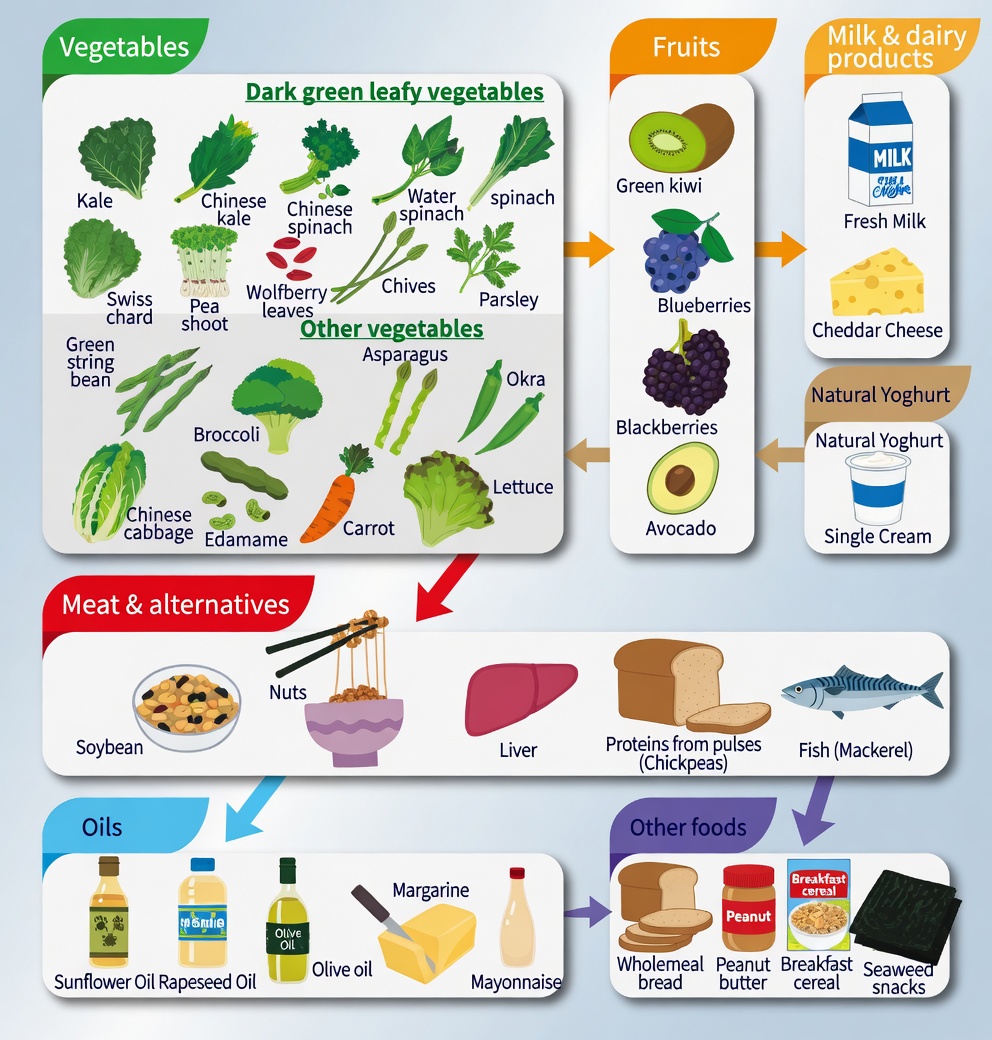
Why Diet Consistency Matters More Than Ever on Warfarin
For people using warfarin, the main goal is not necessarily avoiding vitamin K entirely—it’s keeping intake steady and predictable. Warfarin dosing is often calibrated based on your typical diet. Sudden changes (like adding a daily spinach smoothie after weeks of minimal greens) can disrupt anticoagulation control.
Key takeaways supported by major health guidance and research:
- The American Heart Association highlights that sudden increases in vitamin K can cause serious issues for warfarin users.
- Research suggests that people on warfarin with inconsistent vitamin K intake may face significantly higher complication risk, largely due to unstable INR readings.
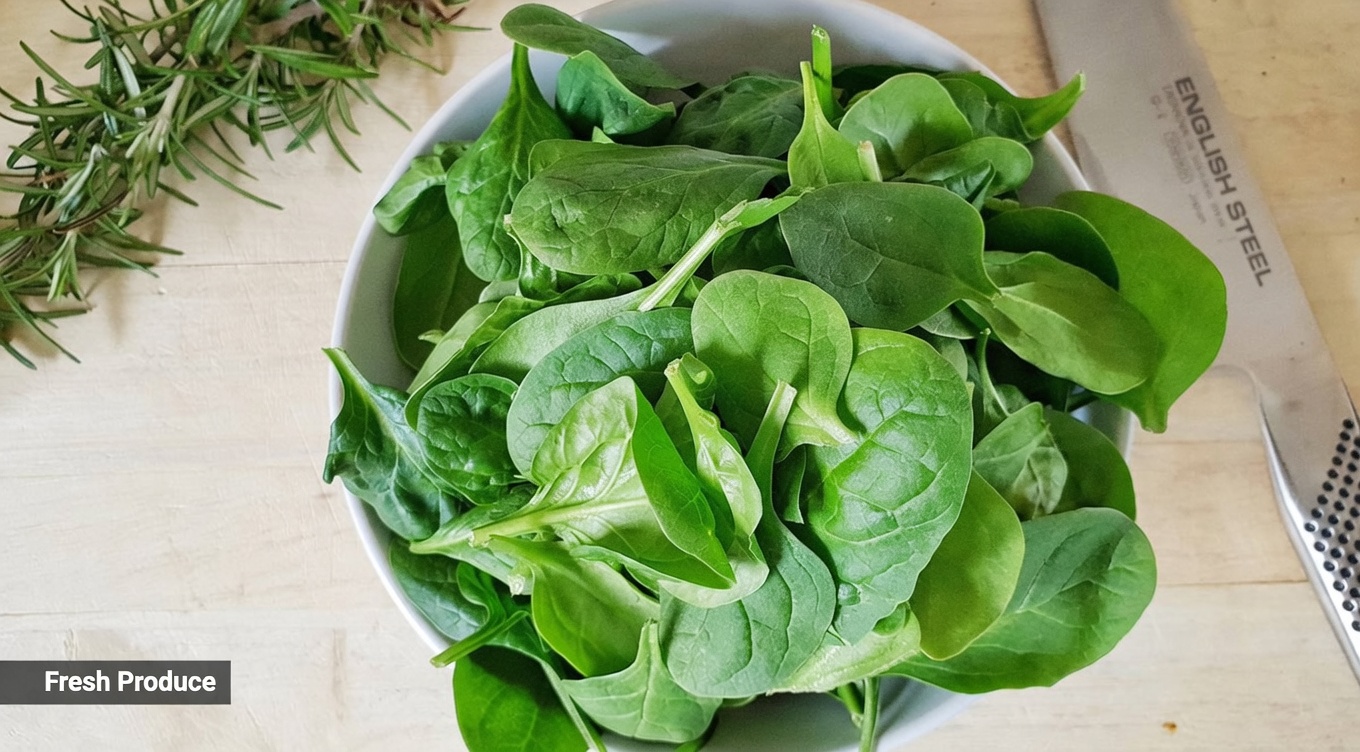
Spinach: Superfood Benefits vs. Medication Interaction Risk
Spinach earns its “superfood” reputation thanks to fiber, minerals, and protective antioxidants. The concern is its very high vitamin K content—roughly 480 micrograms per cup—which can exceed recommended levels for people whose anticoagulant therapy depends on stable vitamin K intake.
If spinach consumption is high or fluctuates frequently, it may reduce warfarin’s effectiveness, making clot prevention more difficult.
What Research and Real Life Experiences Show
According to the Harvard Health Blog, leafy greens (including spinach) are the primary source of vitamin K in many diets—making them one of the most common contributors to warfarin-food interactions.
A simple real-world example:
- Sarah’s story: A 62-year-old retiree began drinking a spinach smoothie every morning. Later, her doctor noticed irregular clotting control and found her INR levels were inconsistent. Once she adjusted her spinach intake to a steadier pattern, her results became more stable.
How to Protect Your Health Without Giving Up Spinach
You don’t always need to eliminate spinach—what matters is moderation and consistency. These practical steps can help reduce risk while keeping your diet balanced:
- Track your vitamin K intake: Use a food diary or nutrition app to keep intake steady day to day.
- Talk to your doctor before changing your diet: Any major shift in leafy greens should be discussed with your healthcare provider.
- Swap in lower–vitamin K vegetables: Options like zucchini, bell peppers, and carrots can help you maintain variety with less impact on warfarin.
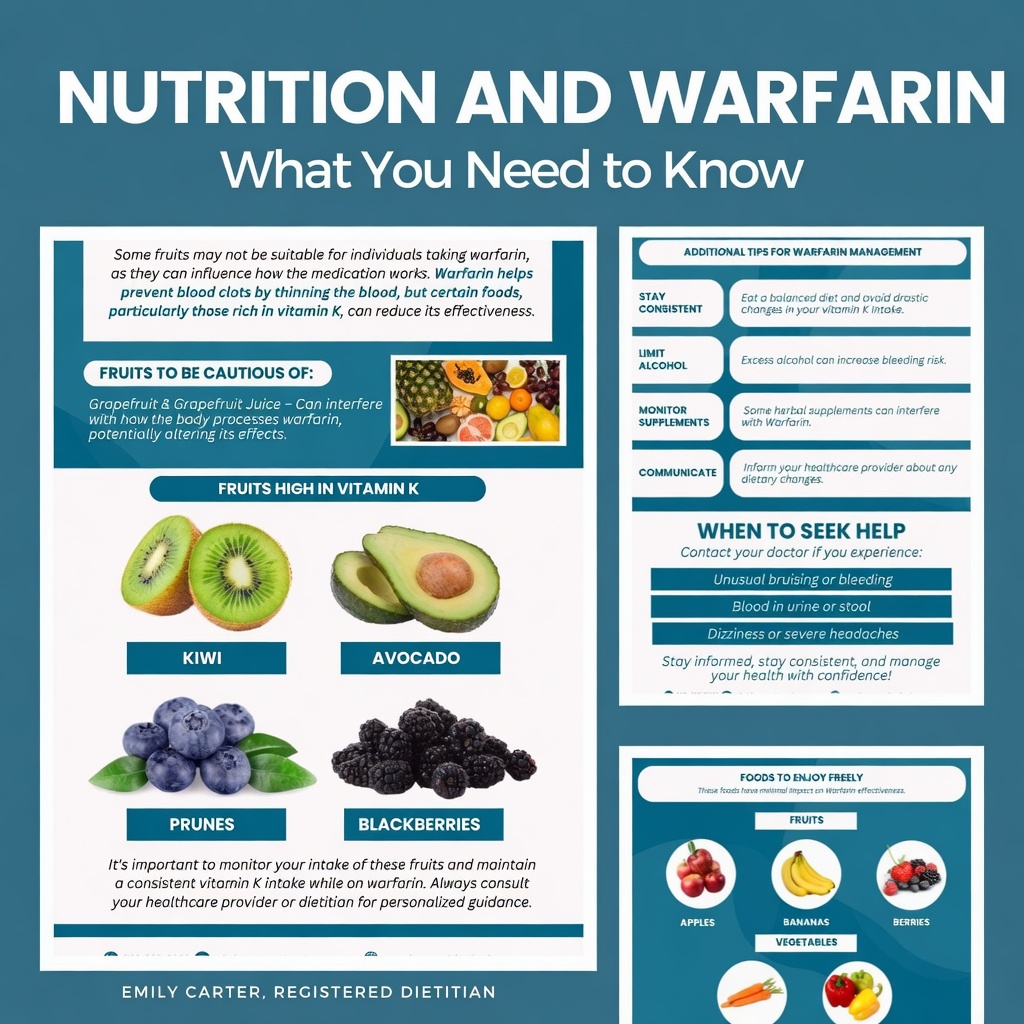
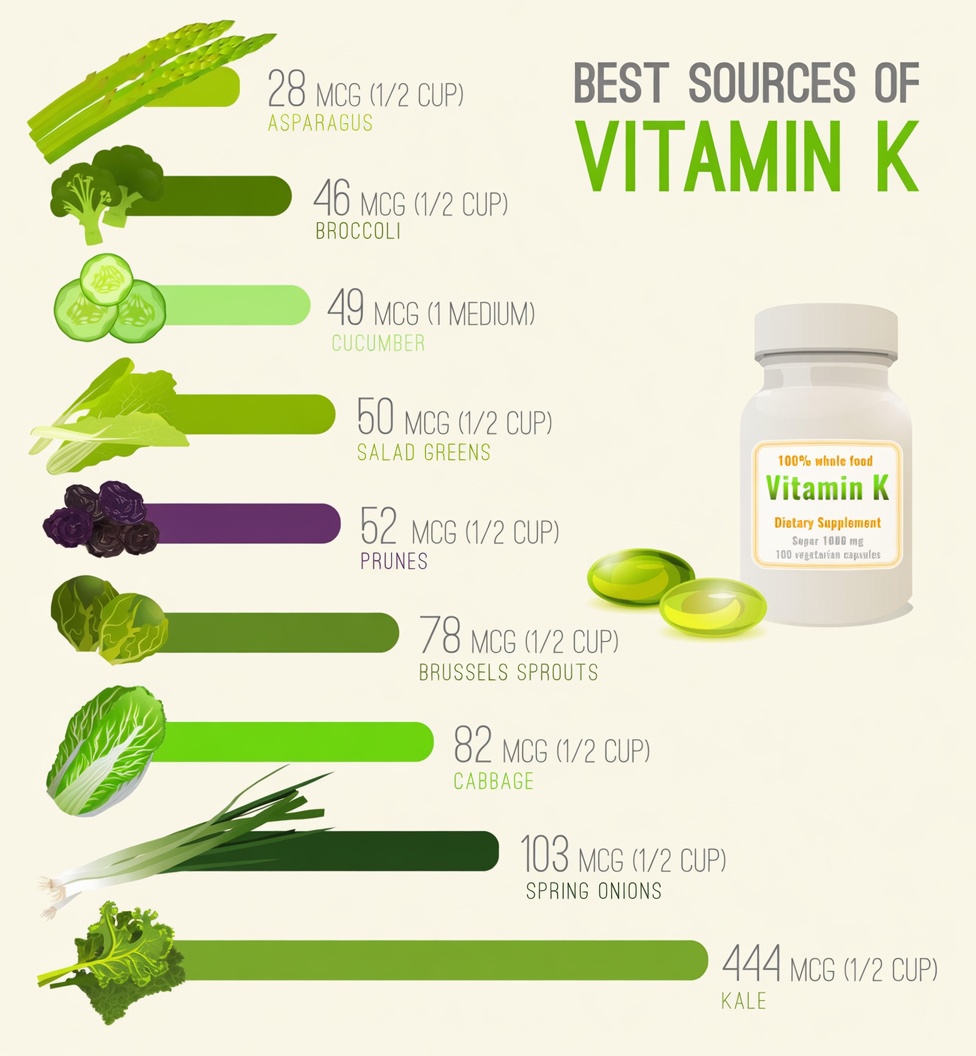
Vitamin K in Common Vegetables (Quick Comparison)
Below is a helpful snapshot of vitamin K levels and their potential effect on warfarin management:
- Spinach: 480 mcg per cup — High; may reduce medication effectiveness
- Kale: 1062 mcg per cup — Very high; strong interaction risk
- Broccoli: 220 mcg per cup — Moderate; intake should be monitored
- Lettuce: 97 mcg per cup — Lower; often easier to manage
- Carrots: 16 mcg per cup — Minimal; good alternative
Practical Diet Checklist for Warfarin Users
Use this simple action plan to support stable anticoagulation:
- Keep leafy green intake consistent (especially spinach, kale, and similar foods).
- Check in with your healthcare provider before making diet upgrades or starting “green” smoothies.
- Monitor your health and INR results as recommended.
- Watch for warning signs such as unusual bruising, fatigue, or other symptoms—then report them promptly.
- Build meals around lower–vitamin K vegetables when you want more flexibility.
Conclusion
Spinach is nutritious, but for seniors taking blood thinners like warfarin, it can become a hidden risk when intake is excessive or inconsistent. With steady vitamin K habits, smart substitutions, and regular medical guidance, you can enjoy a healthy diet while protecting the effectiveness of your medication.
FAQ
-
Can I eat spinach if I’m taking warfarin?
Yes—many people can, as long as intake is moderate and consistent. Always consult your clinician before making major dietary changes. -
Which vegetables are lower in vitamin K?
Zucchini, bell peppers, and carrots are commonly used alternatives with much less vitamin K. -
How can I tell whether my blood thinner is working correctly?
Follow your provider’s plan for INR monitoring and keep regular check-ins to ensure anticoagulation stays in the safe range.
Disclaimer
This article is for informational purposes only and does not replace professional medical advice. Always consult your healthcare provider for guidance tailored to your condition and medications.