Garlic: A Health Powerhouse—If You Use It the Right Way
Garlic has long been celebrated across cultures for its bold taste, distinctive aroma, and impressive wellness reputation. Beyond making food more flavorful, garlic contains natural compounds that may support immune health, reduce inflammation, and promote heart health.
The problem is that many people accidentally weaken garlic’s benefits through everyday kitchen habits. If you want garlic to do more than simply add flavor, preparation matters. Here’s how to get the most out of garlic—and the most common mistakes to stop making.
Why Garlic Belongs in Your Daily Diet
Garlic is far more than a seasoning. Its best-known active compound is allicin, which forms when garlic is crushed, chopped, or minced. Scientific research links allicin and other sulfur compounds to potential benefits such as:
- Supporting healthy cholesterol levels
- Helping maintain normal blood pressure
- Providing anti-inflammatory effects
- Contributing to immune system support
- Potentially reducing certain cardiovascular risks
For adults in their 50s and beyond, regularly adding garlic to meals may offer gentle but meaningful support—such as improved vitality and less inflammation over time.
However, garlic’s health value depends heavily on how you handle and cook it. If you prepare it the wrong way, you may keep the taste but lose many of the functional benefits.
The 7 Biggest Garlic Mistakes (and What to Do Instead)
Mistake 7: Cooking Garlic Right After Chopping It
When garlic is cut or crushed, an enzyme reaction begins that creates allicin—but it doesn’t happen instantly. Allicin needs time to develop, and evidence suggests it takes roughly 10 minutes to reach stronger levels.
Do this instead:
- Crush or chop garlic
- Let it sit 10 minutes
- Then add it to your dish
Mistake 6: Overheating Garlic (Especially in the Microwave)
Garlic’s beneficial compounds are sensitive to heat. Long cooking times—or microwaving—can significantly reduce its functional properties. Some findings suggest even about a minute in the microwave may block key benefits.
Do this instead:
- Use brief cooking when possible
- Add garlic later in the cooking process
- If you prefer very soft, mellow garlic, keep heat exposure in mind so you don’t trade away most benefits
Mistake 5: Eating Raw Garlic on an Empty Stomach
Raw garlic is powerful, and for some people it can be harsh on the digestive system—especially without food. Common complaints include heartburn, nausea, or stomach irritation.
Do this instead:
- Eat raw garlic with meals
- Mix it into salad dressings, dips, or sauces
- Combine with foods like honey to make it gentler
Mistake 4: Overdoing the Amount
More is not always better. Large amounts—such as five or more raw cloves—may cause unpleasant effects like bad breath, digestive discomfort, and potentially increased bleeding risk in some people.
A practical target:
- 1–2 cloves per day is enough for most people to benefit without overloading the system
Mistake 3: Forgetting Garlic Can Interact With Medications
Garlic may have a mild blood-thinning effect and can influence how certain medications work, including:
- Blood pressure medications
- Anticoagulants / antiplatelet drugs
- Some HIV treatments
Do this instead:
If you take prescription medications—especially anything related to clotting—talk to a healthcare professional before significantly increasing garlic intake.
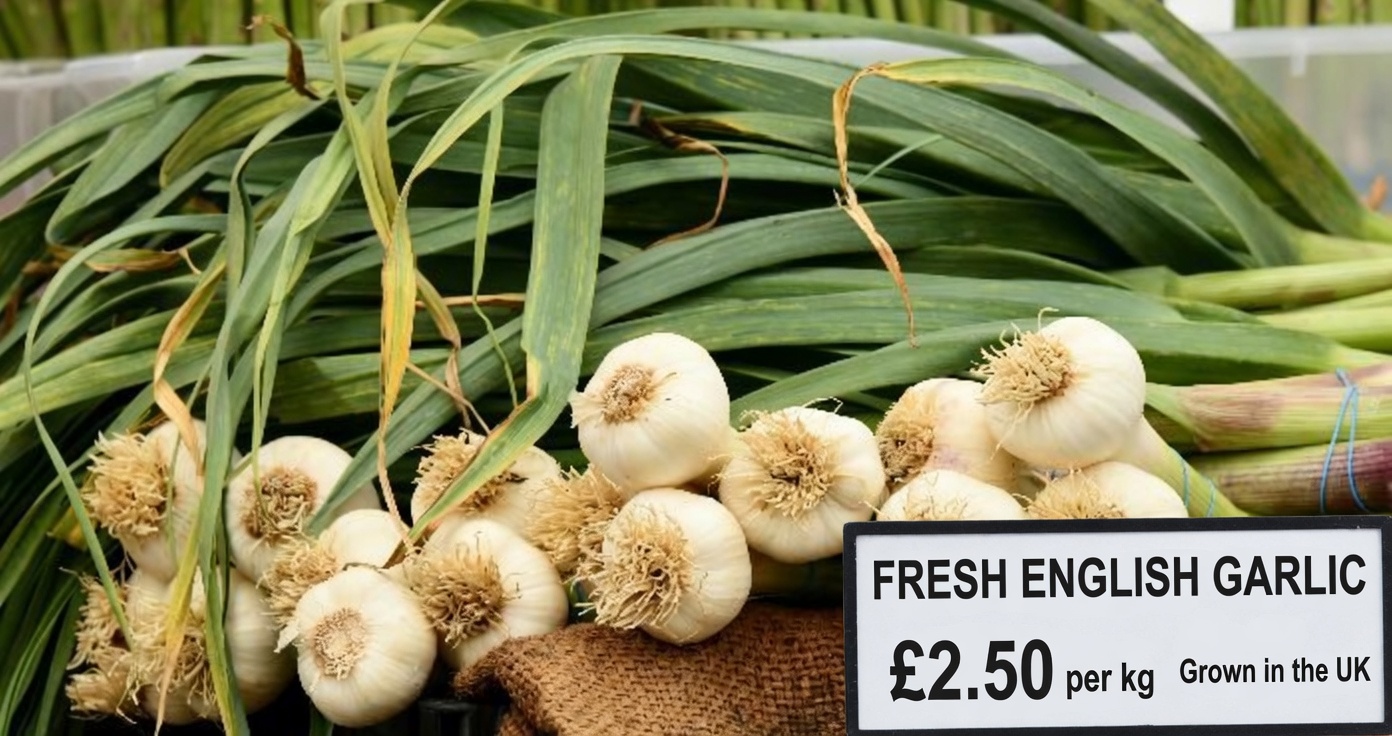
Mistake 2: Relying on Old, Sprouted, or Jarred Garlic
Garlic loses potency as it ages or is stored improperly. Sprouted cloves and processed jarred garlic are often lower in the compounds responsible for garlic’s benefits, including allicin potential.
Do this instead:
- Choose fresh bulbs
- Store garlic in a cool, dry, well-ventilated place
- Use it within a few weeks for best quality and strength
Mistake 1: Not Crushing, Chopping, or Mincing
If you swallow whole cloves or only slice garlic lightly, you may miss out on the key reaction that forms allicin. The health-supportive compounds emerge when garlic’s cells are broken.
Do this instead (best practice):
- Crush, chop, or mince garlic
- Let it rest 10–15 minutes
- Then cook or eat it
This single habit is one of the most important steps for unlocking garlic’s full potential.
How to Use Garlic Correctly (Simple Daily Tips)
- Start with a small amount: 1–2 cloves daily
- Crush and rest: wait at least 10 minutes before cooking
- Eat with food: helps reduce stomach irritation
- Stay moderate: avoid excessive raw intake
- Check with your doctor: especially if you take prescription medications
- Choose fresh garlic: skip old, sprouted, or heavily processed options when possible
Raw vs. Cooked Garlic: What’s the Difference?
-
Raw garlic (crushed and rested):
- Highest allicin potential
- Best for maximum immune and anti-inflammatory support
- Great in dressings, dips, spreads
-
Lightly cooked garlic (after resting):
- Moderate retention of benefits
- A balanced option for flavor and function
- Works well in sauces and stir-fries
-
Overcooked or microwaved garlic:
- Low to minimal health-compound retention
- Mainly provides taste rather than wellness benefits
Safe Garlic Use Guidelines
- Daily amount: 1–2 cloves
- Timing: crush/chop and rest 10+ minutes
- Sensitive stomach: consume with meals
- Medication safety: consult a healthcare professional if unsure
- Storage: cool, dry, ventilated location for freshness and potency
Used thoughtfully, garlic can be a reliable wellness ally—not something that quietly causes discomfort or loses its benefits in the pan.
Conclusion
Garlic is a powerful ingredient with real potential health advantages, but it only performs at its best when prepared correctly. By avoiding common mistakes—especially skipping the crush-and-rest step, overheating it, or using old garlic—you can keep more of garlic’s key compounds intact and enjoy its benefits more consistently.
FAQ
Can garlic help reduce cholesterol?
Yes. Research suggests garlic may support healthier cholesterol levels, which can contribute to improved heart health.
Is eating raw garlic every day safe?
For most people, yes—if you keep the amount reasonable. One to two cloves per day is generally considered a moderate intake.
Can garlic interact with medications?
Yes. Garlic may affect blood clotting and may interact with anticoagulants and other medications. If you take prescriptions, consult a healthcare professional before increasing garlic intake.
Disclaimer
This content is for informational purposes only and does not replace medical advice. For personal guidance—especially if you have health conditions or take medication—consult a qualified healthcare provider.