
Many older adults in Mexico recognize that uncomfortable post-meal slump: after a big lunch, digestion feels sluggish, energy dips, and the rest of the day becomes a fight against fatigue. It can be discouraging—especially when you feel you’re already eating “normally.” Yet many families have quietly noticed an inconvenient reality: modern eating patterns often push aside simple, traditional staples and replace them with refined carbohydrates that leave the body feeling drained rather than nourished.
A surprising candidate from the “grandparents’ pantry” may help support steadier energy, gentler digestion, and overall wellness: the sweet potato. And near the end, you’ll learn a straightforward daily habit that can make sweet potatoes even more helpful.

Steadier Energy Without the Crash
For many adults over 60, afternoon fatigue can seem inevitable. But in many cases, it’s less about age and more about how the body receives and uses energy from food.
Sweet potatoes are rich in complex carbohydrates, which break down more slowly than refined starches and sugary snacks. Instead of rushing sugar into the bloodstream, they tend to deliver energy at a more gradual pace.
In practical terms, that means:
- More stable energy across the day
- Fewer “spikes and crashes” after meals
- Better overall meal satisfaction compared with processed options
What supports this steady fuel release?
- Naturally complex carbohydrates
- Fiber that slows digestion
- Key micronutrients such as potassium and vitamin C
Many people also report that meals featuring sweet potato feel more filling than white bread, pastries, or other highly processed carbs—leading directly to the next benefit.

Helps Support More Balanced Blood Sugar
Not all carbohydrates behave the same once you eat them. Refined grains and sugary desserts often digest quickly, while whole foods with fiber generally digest more slowly.
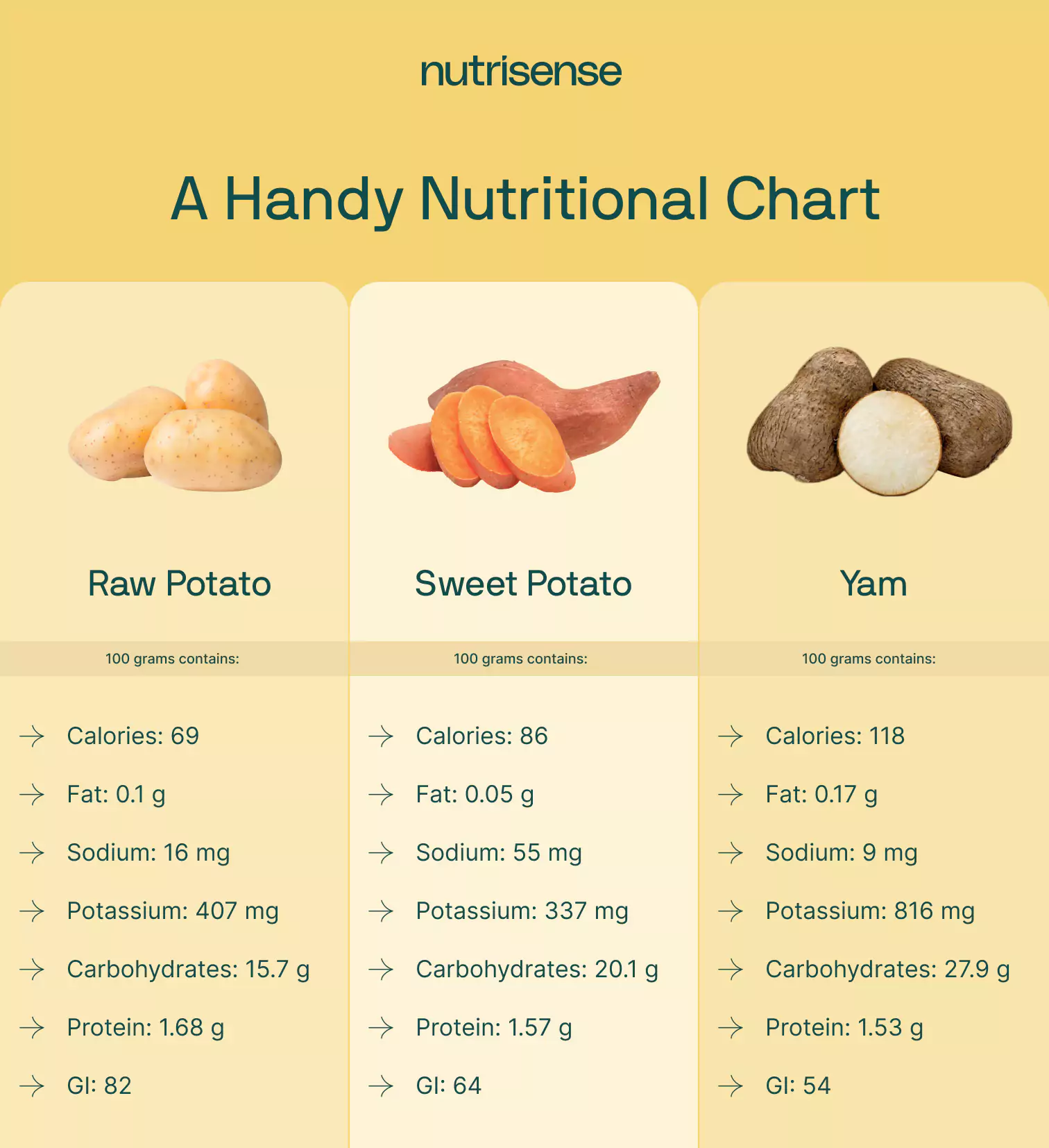
Sweet potatoes typically have a lower glycemic impact than many refined carbohydrate choices, meaning they may raise blood glucose more gradually. This can matter more as we get older, when metabolism and glucose regulation often change.
Nutrition research frequently highlights the value of fiber-rich, minimally processed foods for healthier post-meal glucose responses.
Here’s an easy way to think about it:
- White bread: digests very fast → hunger returns sooner
- Sugary pastries: fast digestion → quick energy spike, then a drop
- Sweet potato: slower digestion → longer-lasting fullness and steadier energy
Swapping heavily processed carbs for whole-food options like sweet potato may support a more balanced meal experience—especially when paired with protein and healthy fats.
Promotes Gentler, More Regular Digestion
Many older adults deal with slow or uncomfortable digestion, even if they rarely talk about it. Sweet potatoes can be a supportive option because they contain two types of dietary fiber, each with a different role:
- Soluble fiber: helps nourish beneficial gut bacteria and supports digestive balance
- Insoluble fiber: helps move food through the digestive tract more smoothly
This combination is one reason traditional diets that include root vegetables are often linked with better digestive comfort.
A simple detail many people miss: eating sweet potatoes with the skin (after washing thoroughly) can noticeably boost the total fiber content.
Nutrients That Contribute to Immune and Cellular Support
That bright orange color isn’t just aesthetic—it’s a clue. Orange sweet potatoes are high in beta-carotene, which the body converts into vitamin A. Vitamin A is essential for multiple everyday functions, including:
- Supporting normal immune function
- Helping maintain healthy skin
- Contributing to normal vision
Many nutrition sources also note that carotenoid-rich foods can help the body manage oxidative stress, which is part of normal aging and daily environmental exposure.
Purple sweet potatoes offer an additional nutritional advantage: they contain anthocyanins, antioxidant compounds also found in berries. These compounds are associated with cellular protection and overall wellness support.

A Practical Food for Appetite and Weight Awareness
Carbohydrates often get blamed for weight gain, but the real issue is usually processing and portion patterns, not the presence of carbs alone.
Sweet potatoes naturally contain fiber and water, which can increase fullness and help people feel satisfied with more reasonable portions. In contrast, refined snacks often encourage continuous grazing.
Many nutrition professionals recommend choosing whole-food carbohydrates because they can support healthier eating habits—especially when meals are built around balance.
Simple, satisfying meal ideas include:
- Roasted sweet potato with eggs
- Sweet potato with beans and avocado
- Baked sweet potato with grilled chicken
These combinations echo traditional, nutrient-dense eating patterns found in many cultures: a whole-food carbohydrate + protein + fiber-rich plants.
Easy Ways to Add Sweet Potato to Everyday Meals
Consistency is easier when preparation is simple. Sweet potatoes are affordable, widely available, and flexible in the kitchen.
Try these low-effort options:
- Roasted cubes for lunch: chop, add a little olive oil, roast until tender
- Breakfast swap: replace toast with baked sweet potato slices plus eggs
- Comforting soup base: blend cooked sweet potato with vegetables and broth
- Light evening plate: combine with beans, avocado, and fresh lime
The small daily habit that can make sweet potato even more beneficial
Pair sweet potatoes with protein and healthy fats to slow digestion further and support steadier energy and blood sugar. Examples:
- Sweet potato + eggs
- Sweet potato + beans
- Sweet potato + chicken or fish + olive oil
Cooking method matters, too
- Baking or roasting keeps flavor strong without excess oil
- Steaming is a gentle option that works well for sensitive digestion
Final Takeaway
Sweet potatoes aren’t a miracle cure—but they are a nutrient-dense, budget-friendly, traditional food that fits naturally into a balanced diet. They can support:
- More sustained energy
- Digestive comfort
- Immune-supporting nutrients
- Healthier fullness and appetite control
Sometimes the most effective health shifts aren’t complicated. They come from returning to simple foods our grandparents already valued—sweet potato may be one of those quiet, reliable allies at the table.
Frequently Asked Questions
Is it okay to eat sweet potatoes every day?
For most healthy adults, sweet potatoes can be eaten regularly as part of a balanced diet. Still, aim for overall variety to cover a broad range of nutrients.
Are sweet potatoes healthier than regular potatoes?
Both can be nutritious. Sweet potatoes are higher in beta-carotene, while regular potatoes provide other valuable nutrients (including potassium). Either can fit well in a balanced eating pattern.
Should you eat sweet potatoes with the skin on?
Yes—if washed thoroughly. The skin adds extra fiber and nutrients, which may support digestion.
Disclaimer
This article is for educational purposes only and does not replace medical advice. Always consult a qualified healthcare professional regarding personal dietary needs or health concerns.