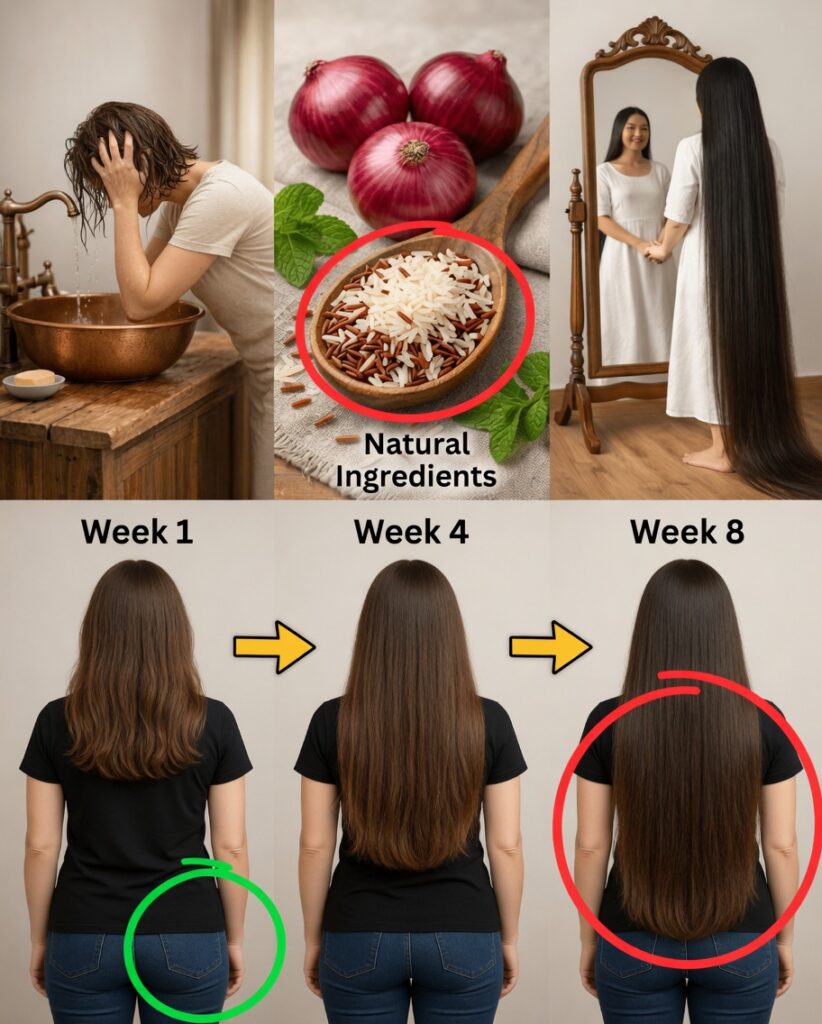
Thinning, Flat, or Dull Hair? Start by Rethinking Your Scalp Routine
Over time, many people notice their hair looks thinner, flatter, or less vibrant—even after switching shampoos, serums, or styling products. When results don’t improve, hair care can start to feel like a repetitive task with minimal payoff. In many cases, the real issue isn’t the hair itself, but scalp conditions that go unnoticed, such as product buildup or an ongoing imbalance.
One traditional, low-effort approach some people explore is onion water as a simple at-home scalp ritual. And near the end, you’ll find the habit-focused insight that often makes the biggest difference in long-term results.
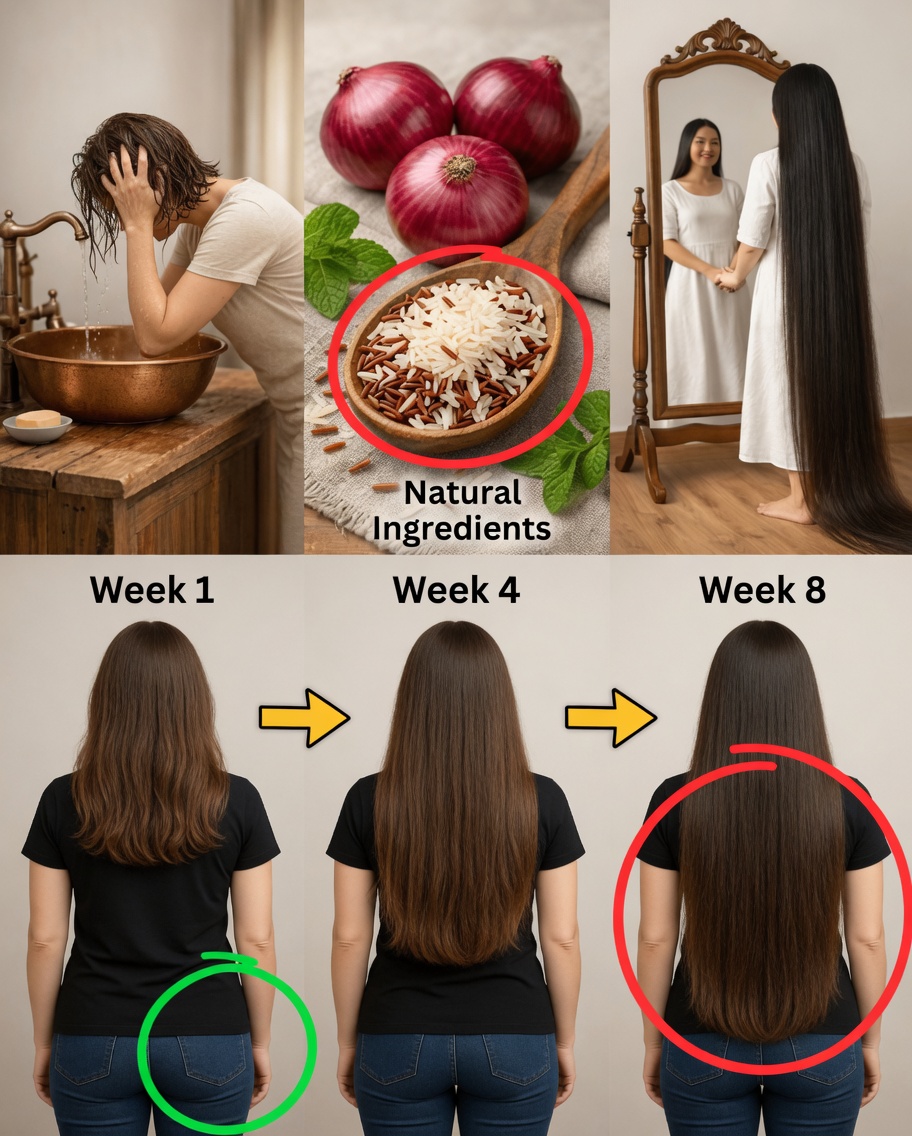
Why Scalp Health Often Determines How Your Hair Looks
Your scalp is where hair begins—every strand grows from a follicle anchored there. If the scalp feels uncomfortable, congested, or out of balance, hair may appear limp, dull, or harder to style.
Many adults—especially over 40—experience subtle changes in scalp behavior, such as:
- Increased dryness
- More noticeable oiliness
- A “coated” feeling near the roots
- Reduced freshness by the end of the day
These shifts can be influenced by everyday factors like styling products, environmental residue, and inconsistent cleansing. Ignoring early signs may gradually make your routine feel less effective.
A quick self-check: By evening, does your scalp still feel fresh—or heavy and tired? If it’s the latter, introducing a repeatable ritual may help support a cleaner, more comfortable scalp environment. Research generally supports that scalp cleanliness and comfort can improve the overall appearance of hair, which is why traditional options like onion water remain popular.
The Tradition of Onion Water: Why People Still Use It
Onion water has been used in home care routines for generations. It’s made from fresh onions, which contain sulfur-rich compounds that can create a noticeable sensation when applied to the skin.
Many users describe the feeling as a mild “wake-up” effect—especially when paired with gentle scalp massage. Beyond the ingredients, the bigger advantage may be the ritual itself: repeating a simple process encourages consistency, which is often the missing piece in scalp care.
Some studies suggest onion-based applications may support scalp comfort for certain people, but results can vary widely. It’s not a universal solution—and personal tolerance matters.
9 Potential Benefits People Report When Using Onion Water
Below are common reasons people add onion water to a scalp routine, along with real-world-style observations. These points are based on personal experiences and limited research—not guaranteed outcomes.
-
A fast “refreshed” sensation
Many describe a clean, open feeling after rinsing—like airing out a room. -
Roots that feel less coated
It may reduce the sensation of buildup near the scalp, especially for heavy product users. -
A routine that feels more balanced
For oily scalps, the ritual can encourage gentler habits rather than aggressive over-washing. -
Hair that looks slightly more lifted at the roots
Some people notice less flatness over time, likely linked to more consistent scalp attention. -
A stronger self-care mindset
The routine can turn “maintenance” into a calmer, more intentional practice. -
An energizing sensory experience
The sharp aroma and tingling feeling can be stimulating for some users. -
Clearer feedback from your scalp
Sticking with one method long enough helps you recognize what improves or worsens comfort. -
More confidence in your hair routine
Regular care often makes people feel more in control—even before major changes appear. -
A healthier long-term relationship with hair care
It reinforces the idea that scalp care is foundational, not an afterthought.
Important note: Onion water doesn’t work for everyone, and sensitive scalps may react negatively. Treat it as an experiment—not a promise.
How to Make Onion Water and Use It (Step by Step)
If you want to try onion water at home, keep the process simple and focused on the scalp.
What you’ll need
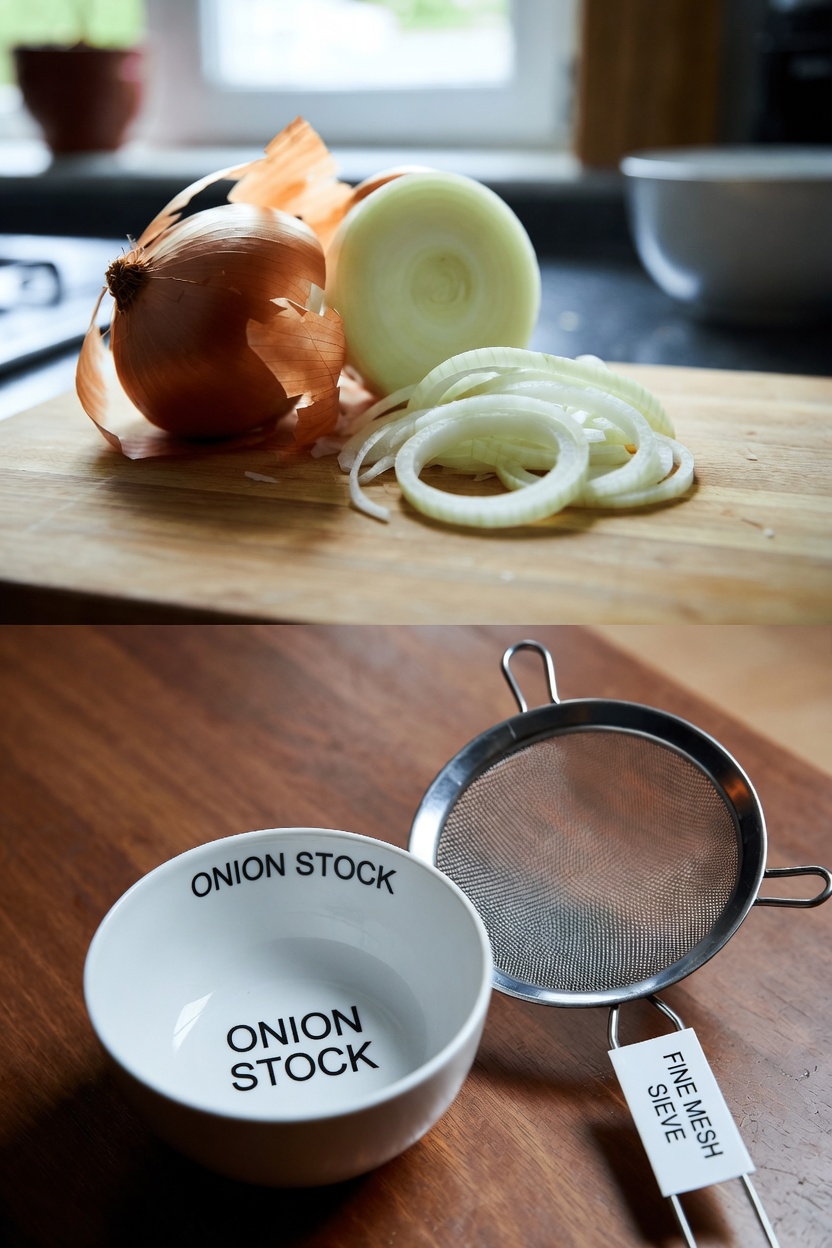
- 1 fresh onion
- A strainer or cheesecloth
- A bowl or bottle
- Warm water
Step-by-step instructions
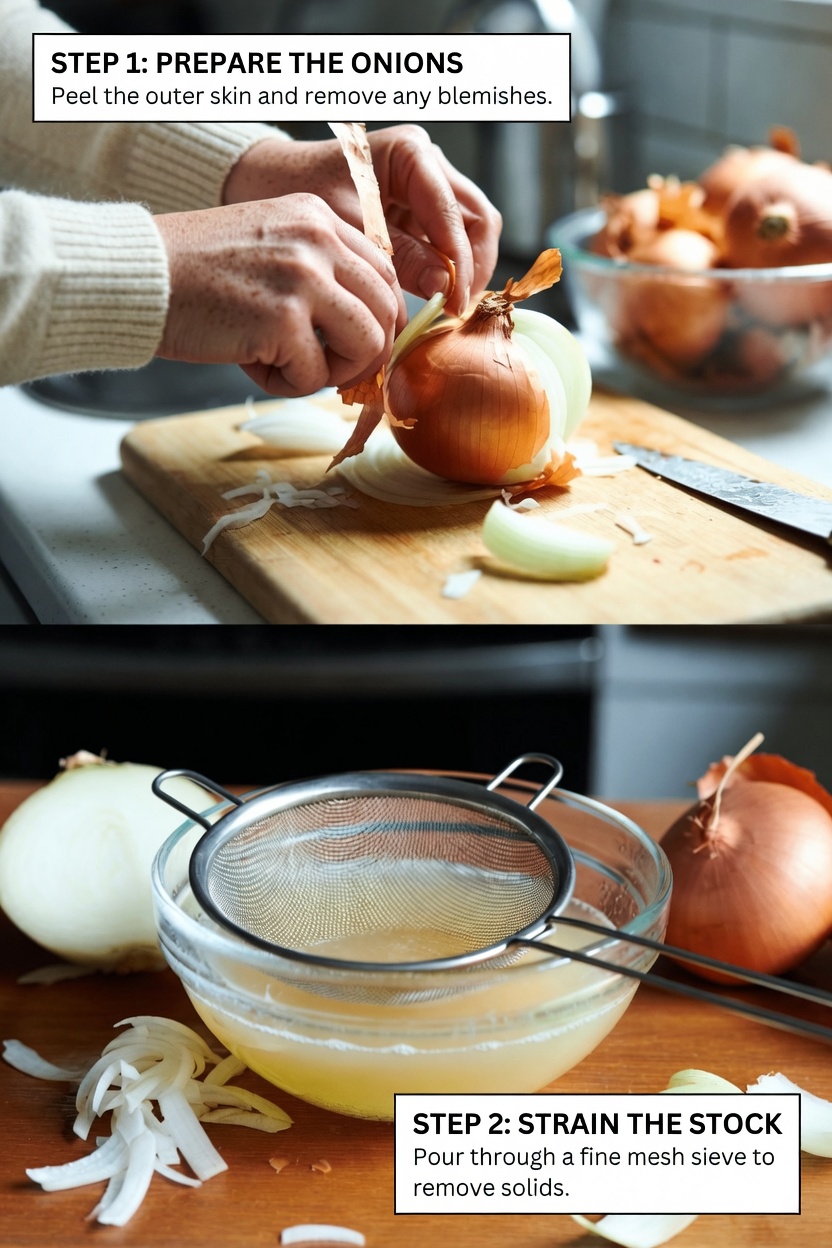
- Wash and peel the onion.
- Blend or crush it to release the juice.
- Strain thoroughly to remove pulp.
- Apply the liquid only to the scalp (not necessarily the lengths).
- Massage gently with fingertips.
- Leave it on for 20–30 minutes.
- Rinse with warm water, then shampoo as usual.
If the smell is a concern, follow with a pleasantly scented shampoo. Some routines reference twice-weekly use as a starting point, but frequency should always depend on tolerance.
Quick Comparison: How Different Routine Elements Can Feel
- Onion water: supports a “fresh ritual” feeling; often described as sharp or cooling
- Scalp massage: supports comfort and circulation; may feel lighter and looser afterward
- Warm rinse: helps remove residue; usually feels softer and calmer
Used together, these elements may make the overall routine feel more effective and consistent.
Safety Notes Before You Try It
Onion can irritate sensitive skin, so take precautions.
- Patch test first: apply a small amount and wait to check for irritation.
- Start slowly: 1–2 times per week is a safer entry point than daily use.
- Stop immediately if you notice redness, burning, itching, or swelling.
- Dilute with water if the sensation is too strong.
- If you have scalp conditions (such as eczema), speak with a professional before trying it.
Research and dermatology guidance generally emphasize caution with strong natural ingredients, particularly for reactive skin.
Tips to Make Onion Water Easier to Stick With
Consistency is where most people see the biggest changes in how their scalp feels. These small tactics can help:
- Prepare small batches in advance to reduce effort.
- Use a cotton pad to apply more precisely along the scalp.
- Place a towel around your shoulders to protect clothing.
- Massage lightly—more pressure isn’t better if it triggers irritation.
- Track your scalp’s response over a few weeks (oiliness, itchiness, freshness, comfort).
The most useful shift is learning to notice feedback from your own scalp and adjusting accordingly.
Final Thoughts: A Small Ritual That Can Improve Long-Term Habits
Onion water is a traditional at-home method some people use to explore scalp refreshment through consistent care. Whether it becomes part of your routine or not, the bigger takeaway is simple: improving hair appearance often starts by treating scalp care as a repeatable habit—not a one-time fix.
If you stay attentive for a month, you may find yourself more aware of what your hair and scalp actually need—and that quiet progress can feel surprisingly rewarding.
And that “secret” promised earlier: the most lasting transformation often comes from the emotional payoff of self-care, which makes healthy routines easier to sustain.
FAQ
What is onion water?
Onion water is liquid made by extracting juice from fresh onions (often strained and sometimes diluted), then applying it to the scalp as part of a home care routine.
How often can you use onion water?
Many people begin with 1–3 times per week, then adjust based on scalp comfort and sensitivity.
Can onion water help with specific scalp concerns?
Some users report a cleaner or fresher scalp feel, but persistent symptoms should be evaluated by a qualified professional.
Disclaimer: This content is for informational purposes only and is not a substitute for medical advice. For personalized guidance, consult a healthcare provider.