Waking Up at Night Sweaty and Anxious? Your Body May Be Sending Early Signals
You wake up in the middle of the night drenched in sweat, your heart pounding for no obvious reason. It’s easy to blame it on a rough day, stress, or a random sleep disruption. Yet for many women, these “small” changes aren’t random at all—they can be early signs of menopause that arrive sooner than expected.
Because symptoms often appear gradually, they’re frequently overlooked in the middle of work, family responsibilities, and everyday life. The result is months—or even years—of uncertainty and missed chances to get support. The good news: noticing patterns earlier can bring clarity and help you make informed, calm decisions.
Why Early Menopause Signs Are So Easy to Miss
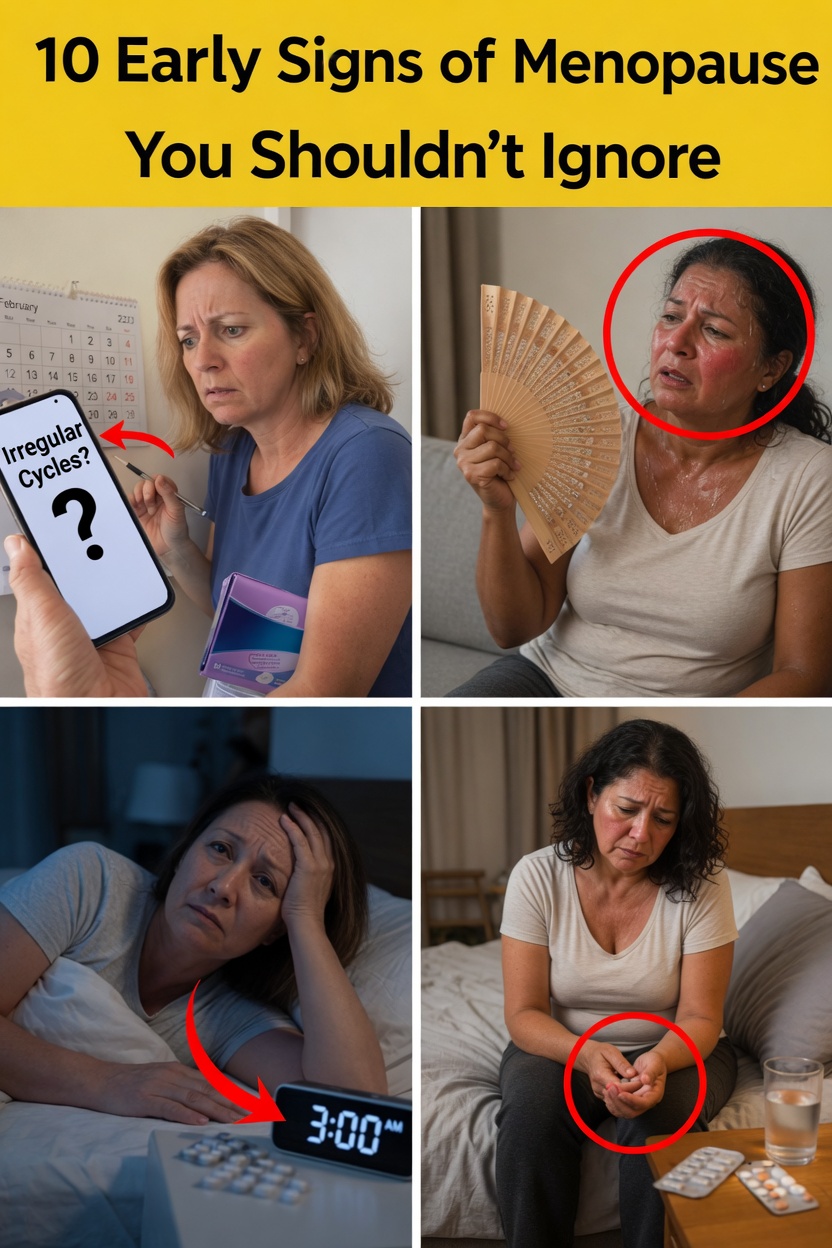
Early menopause symptoms rarely show up as one dramatic event. More often, they blend into normal life—fatigue, mood shifts, sleep issues—and feel indistinguishable from stress or aging.
Organizations such as the North American Menopause Society note that hormonal changes may begin in the 30s or early 40s for some women, with estrogen levels fluctuating over time rather than dropping overnight. When estrogen varies, it can affect multiple systems at once, including temperature regulation, sleep quality, mood, and even cardiovascular function.
Many women delay connecting the dots because they assume, “This is just life.” Meanwhile, research suggests premature ovarian insufficiency (POI) affects about 1 in 100 women under 40, and it can go undiagnosed for years.
12 Early Menopause Symptoms to Watch For
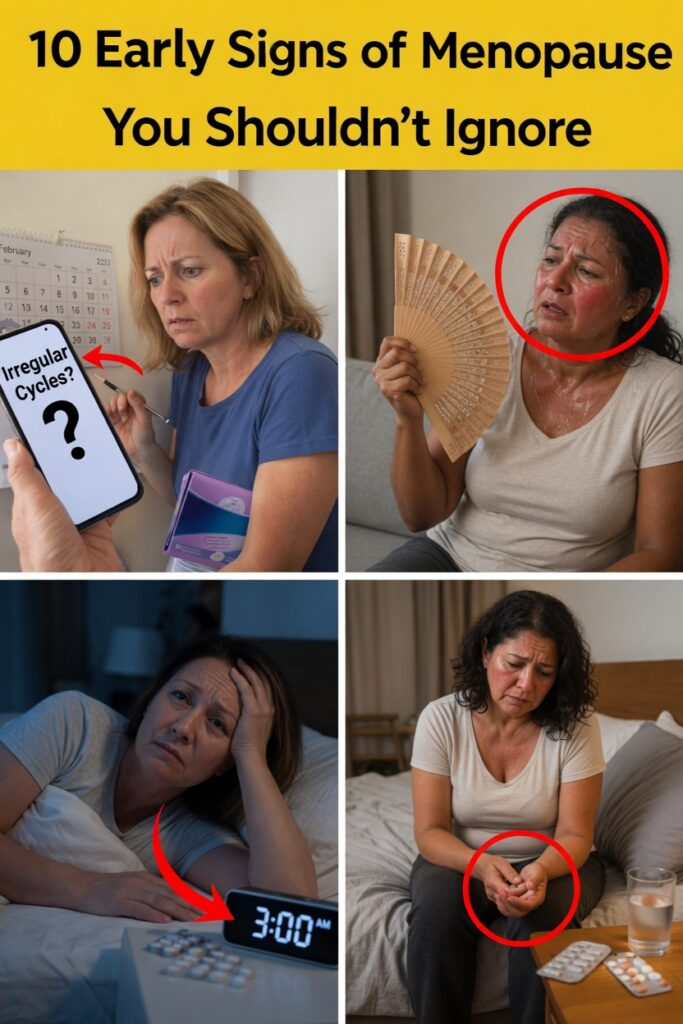
1) Menstrual Cycle Changes
One of the earliest clues is a shift in your period pattern. Cycles may become:
- Shorter or longer than usual
- More irregular
- Skipped entirely
These changes happen because ovulation becomes less consistent as hormones fluctuate. A simple cycle-tracking app or calendar can help you identify trends rather than relying on memory.
2) Hot Flashes and Night Sweats
Sudden heat surges—especially at night—can interrupt sleep and leave you uncomfortable. They may come with flushing and a racing heartbeat due to hormonal effects on the body’s temperature control system.
Many women feel self-conscious about this symptom, but it’s extremely common and can begin years before menopause is complete.
3) Sleep Disruptions
If you’re waking often, falling asleep becomes harder, or you’re waking too early, hormones may be interfering with sleep cycles. Poor sleep can quickly affect:
- Focus and productivity
- Stress tolerance
- Overall energy
Even basic steps like keeping a consistent bedtime may help, especially when combined with medical guidance if symptoms persist.
4) Mood Changes and Emotional Shifts
Irritability, anxiety, and low mood can appear unexpectedly. Estrogen influences brain chemicals such as serotonin, which play a key role in emotional regulation.
Studies, including reports in the Journal of Women’s Health, connect mood shifts to hormonal fluctuations. Tracking mood alongside sleep and cycle data may reveal useful patterns.
5) Vaginal Dryness or Intimate Discomfort
Reduced estrogen can affect tissue elasticity and lubrication, leading to dryness or discomfort during daily activities or intimacy.
Options such as gentle vaginal moisturizers or lubricants may help, but persistent symptoms are worth discussing with a healthcare professional.
6) Persistent Fatigue Without a Clear Reason
If you feel exhausted even after resting, hormone changes may be influencing metabolism and energy regulation. Keeping a simple log of:
- Sleep hours
- Diet and hydration
- Stress levels
- Physical activity
can help identify what worsens or improves fatigue.
7) Joint and Muscle Aches
Some women notice more stiffness or soreness in joints and muscles. Estrogen has anti-inflammatory effects, and shifts may contribute to discomfort.
Low-impact movement—such as walking, stretching, or yoga—can support joint health and mobility.
8) Brain Fog, Focus, or Memory Issues
Forgetting words, misplacing items, or struggling to concentrate can be frustrating. Hormonal changes may temporarily affect cognitive function.
Helpful strategies may include:
- Memory aids (notes, reminders)
- Brain-stimulating activities (puzzles, learning)
- Improving sleep consistency
9) Changes Related to Bone Density (Often Silent)
You likely won’t “feel” bone density changes right away, but earlier estrogen decline can affect bone strength over time. Regular check-ups can help monitor risk.
Common supportive habits include:
- Calcium-rich foods
- Vitamin D as advised
- Weight-bearing exercise
10) Heart Rhythm Changes (Palpitations)
Some women experience fluttering, pounding, or irregular heartbeats. Since estrogen supports cardiovascular function, fluctuations may contribute to these sensations.
Tracking when palpitations occur (time, triggers, caffeine, stress, sleep) can make medical conversations more productive.
11) Bladder and Urinary Changes
You may notice:
- More frequent urination
- Stronger urgency
- Minor leaks when laughing, coughing, or exercising
These can be linked to tissue changes in the urinary tract. Pelvic floor exercises (such as Kegels) often help strengthen support.
12) Difficulty Conceiving
If you’re trying to get pregnant, early ovarian changes can reduce egg reserve sooner than expected. Awareness is important—specialists can discuss evaluation and available options based on your goals.

What You Can Do Right Now (Practical Next Steps)
If several of these symptoms sound familiar, these steps can help you gain clarity without feeling overwhelmed:
- Track symptoms consistently: Use a notebook or app for 30 days. Log cycles, sleep, mood, hot flashes, energy, and triggers.
- Strengthen daily habits: Aim for balanced meals (fruits, vegetables, whole grains) and about 30 minutes of moderate movement most days.
- Schedule a healthcare check-in: Bring your symptom notes and ask targeted questions about hormone changes, labs, and next steps.
- Find reliable support: Consider reputable educational sources and moderated communities for shared experiences.
Common Misconceptions vs. Benefits of Awareness
| Symptom | Often dismissed as | Benefit of noticing early |
|---|---|---|
| Irregular periods | Stress | Better cycle insight and timing of care |
| Hot flashes | Weather or anxiety | More effective comfort strategies |
| Sleep problems | Busy life | Improved rest and daytime function |
| Mood shifts | “Just life” | Better emotional stability and coping plans |
| Fatigue | Overwork | More sustainable energy management |
Helpful Approaches to Management
| Approach | Considerations | Goal |
|---|---|---|
| Lifestyle upgrades | Nutrition, movement, sleep routines | Support daily well-being |
| Supportive habits | Stress reduction, community, tracking | Emotional resilience |
| Professional guidance | Individual assessment and monitoring | Personalized, informed options |
Final Takeaway: Knowledge Brings Control
Noticing early menopause symptoms isn’t about panic—it’s about staying informed and protecting your well-being. The most surprising insight for many women is how simple tracking can quickly reduce anxiety. When symptoms become data instead of mystery, uncertainty often turns into confidence.
Start a symptom log today, and share this article with someone who may need it.
Frequently Asked Questions
What age can early menopause symptoms begin?
For some women, early signs may appear in the 30s or early 40s, although the average age of natural menopause is around 51. Genetics and health history can influence timing.
Can lifestyle changes reduce early menopause symptoms?
Many women find that regular exercise, balanced nutrition, and stress-management routines support overall comfort and well-being during hormonal shifts.
When should I talk to a doctor?
If multiple symptoms persist, worsen, or interfere with daily life—especially cycle changes, palpitations, sleep disruption, or fertility concerns—schedule a medical evaluation.
Medical disclaimer: This article is for informational purposes only and does not replace professional medical advice. Always consult a qualified healthcare provider for personalized guidance.