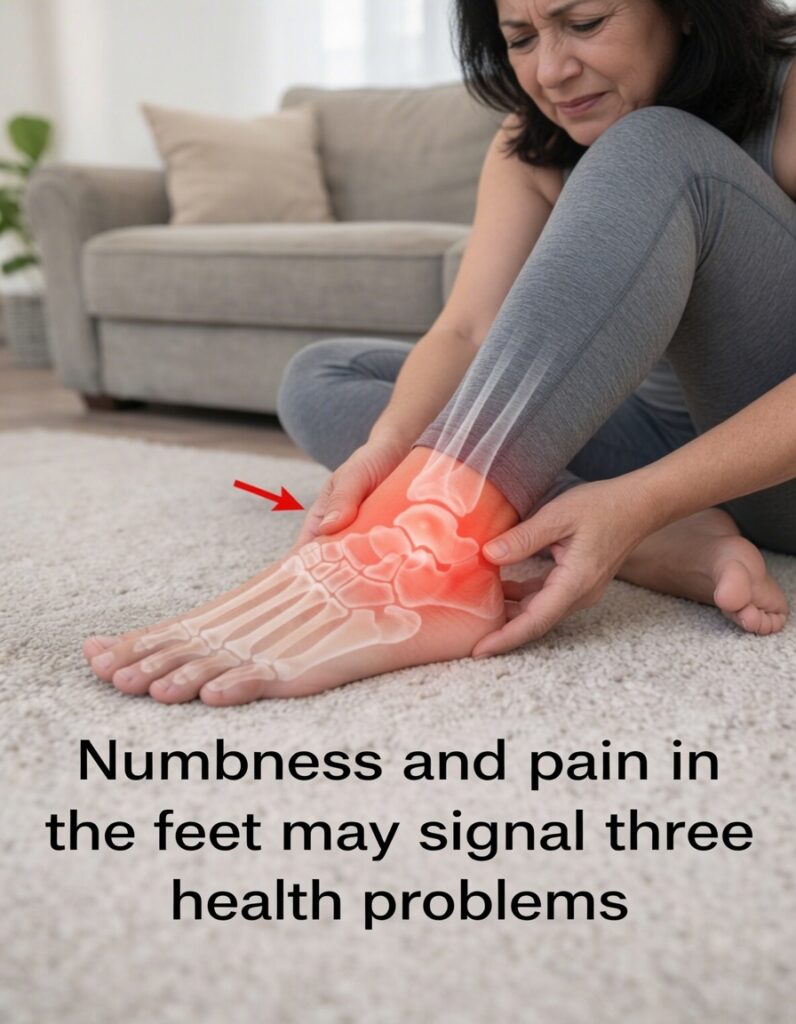
Have you ever noticed an unusual tingling sensation or a lingering loss of feeling in your feet that doesn’t seem to fade? Many people dismiss it as a short-term issue—like sitting in one position too long or wearing shoes that feel too tight. But when these sensations become frequent, they can disrupt everyday routines and make walking feel uncomfortable or even unsafe. Ongoing foot numbness and pain can understandably raise concerns about mobility and long-term health.
The encouraging news is that once you understand the most common underlying causes, it becomes much easier to take practical, informed steps toward better foot comfort. Stay with this guide to the end for a simple daily habit that may genuinely help.
What Is Foot Numbness and Foot Pain?
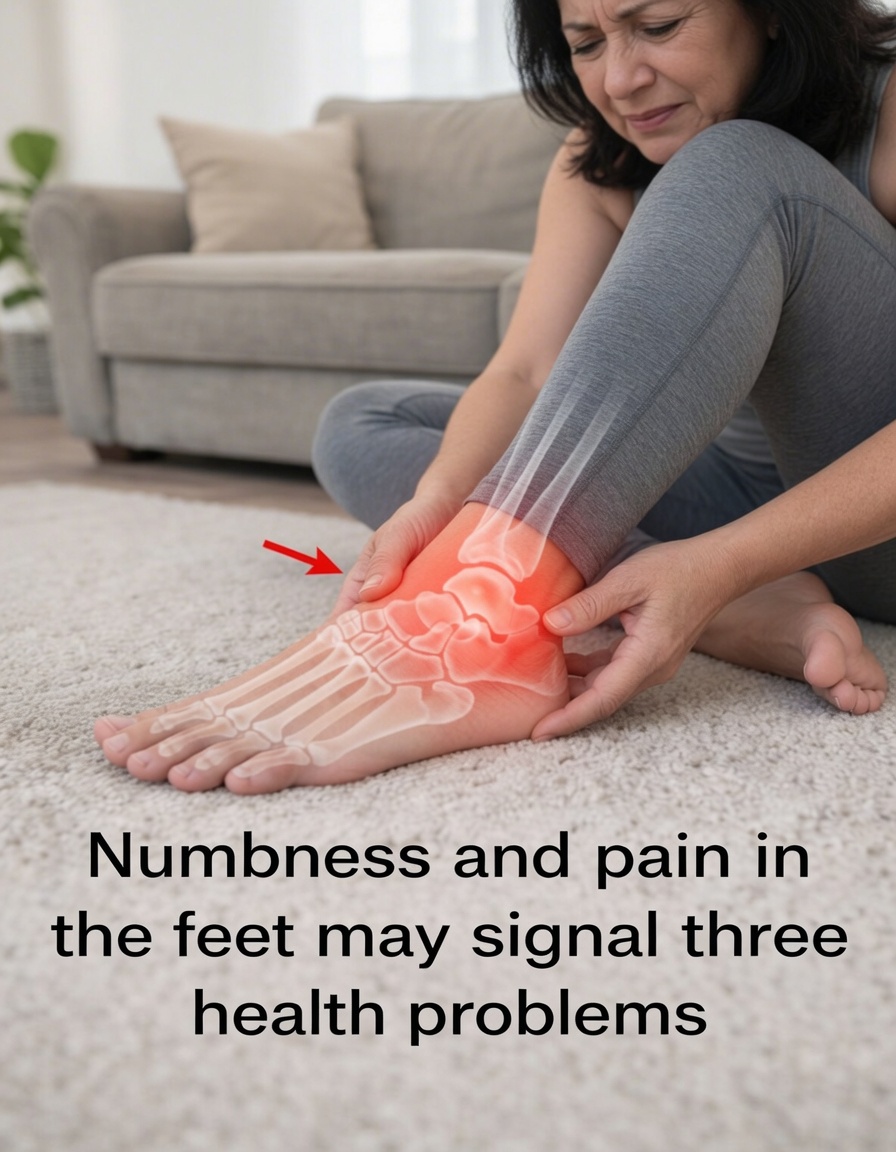
Foot numbness is a partial or complete decrease in sensation in the feet. Many people describe it as “pins and needles,” tingling, or a “dead” feeling. It typically happens when communication between your foot nerves and your brain is disrupted—sometimes from short-term pressure (such as crossing your legs too long), and sometimes from more persistent problems involving nerves or circulation.
Foot pain can feel different depending on the cause: sharp, burning, throbbing, or dull and achy. When numbness and pain show up together, it often points to nerve irritation, nerve damage, or reduced blood flow.
Health organizations such as the Mayo Clinic frequently highlight that these symptoms affect millions each year—making early attention and pattern recognition especially important.
1) Peripheral Neuropathy: When Nerves Struggle to Send Signals
Peripheral neuropathy occurs when nerves outside the brain and spinal cord become damaged or dysfunctional. Feet are commonly affected, and diabetes is one of the most frequent contributors because elevated blood sugar over time can harm nerves—especially in the lower limbs.
Common symptoms include:
- Persistent tingling or numbness
- Burning sensations
- Unusual sensitivity to light touch
- Weakness that may affect balance or stability
Research discussed in outlets such as the Journal of the American Medical Association (JAMA) suggests that lifestyle and health factors can influence how these nerve problems develop and progress.
Common Triggers for Peripheral Neuropathy
- Long-term high blood sugar (often linked to diabetes)
- Nutrient deficiencies (especially vitamin B12)
- Certain medications or toxin exposure
If these issues sound familiar, observing daily routines can offer valuable clues.
A Simple Way to Monitor Nerve-Related Symptoms
Start a symptom journal for 1–2 weeks. Record:
- When numbness or pain occurs
- What activity you were doing
- Any link to meals, exercise, or time of day
This type of tracking often makes medical conversations more productive and focused.
2) Tarsal Tunnel Syndrome: Nerve Compression Near the Ankle
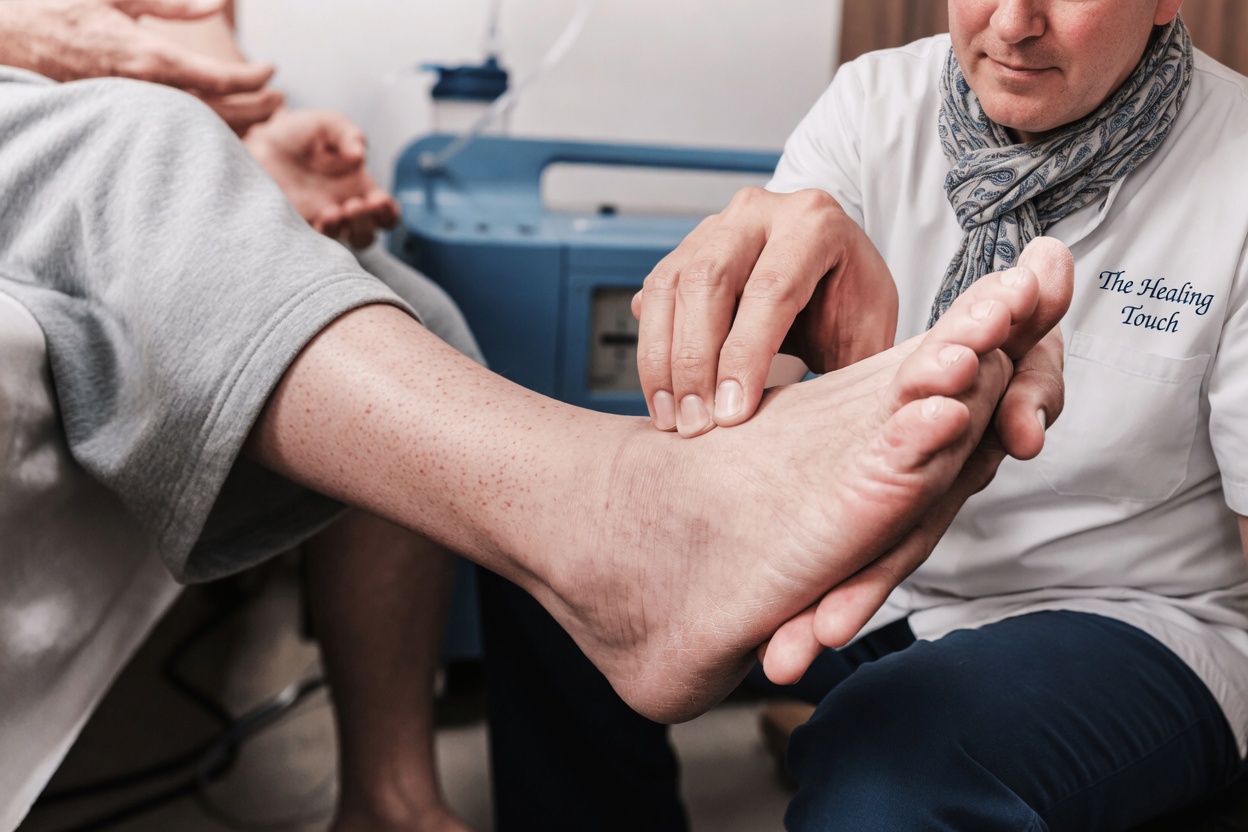
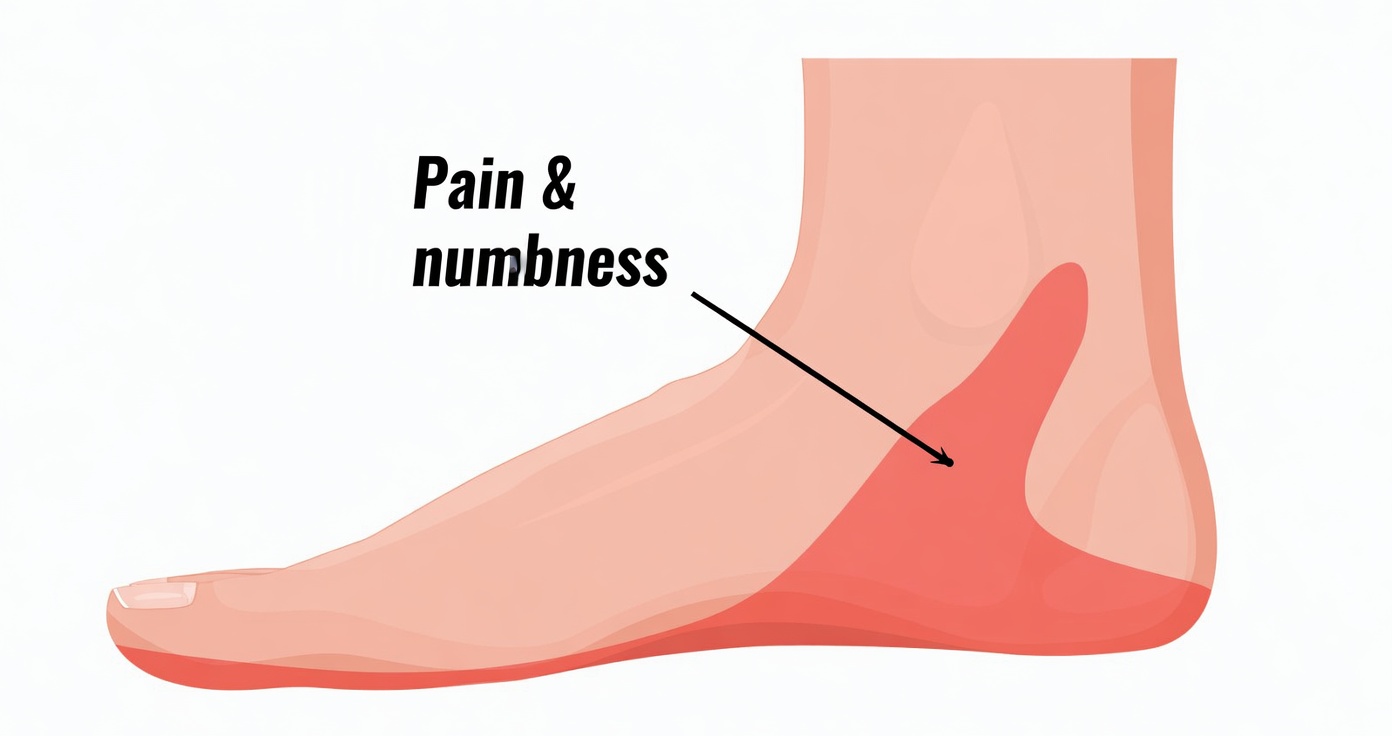
Think of the tarsal tunnel as a narrow passageway near the ankle where an important nerve travels. If that space becomes compressed—due to swelling, injury, or foot structure—signals can be disrupted, causing numbness, tingling, or pain that often affects the bottom of the foot.
Common contributing factors include:
- Swelling after an ankle injury
- Flat feet or low arches (which may increase pressure)
- Repetitive impact activities (such as running on hard surfaces)
According to the American Orthopaedic Foot & Ankle Society, this condition is often overlooked until discomfort begins to limit mobility.
Signs That May Suggest Tarsal Tunnel Syndrome
- Burning pain that worsens with standing or walking
- Tingling that spreads from the ankle toward the toes
- Swelling or tenderness along the inner ankle
Spotting these signs early can help you adjust habits before symptoms intensify.
Daily Adjustment for Ankle and Foot Comfort
Try a gentle stretch that encourages mobility without strain:
- Sit with your legs extended.
- Pull your toes back toward you.
- Hold for about 20 seconds.
- Repeat a few times per day.
If pain increases, stop and consider professional guidance.
3) Raynaud’s Phenomenon: When Circulation Drives Numbness
Not all numbness starts with nerve damage—sometimes it’s primarily a blood flow issue. Raynaud’s phenomenon happens when blood vessels narrow more than usual in response to cold or emotional stress. Reduced circulation to the toes can make feet feel cold, numb, or painful.
You may notice:
- Cold, numb toes or feet
- Temporary color changes (pale or bluish skin)
- Relief after warming up, as blood flow returns
The National Institutes of Health (NIH) notes that Raynaud’s can affect a meaningful portion of the population, often more noticeably in colder environments.
What Can Worsen Circulation-Related Symptoms?
- Cold exposure or sudden temperature changes
- Emotional stress
- Smoking
- High caffeine intake (may contribute to vessel constriction)
Awareness of these triggers can make day-to-day management easier.
Practical Ways to Support Circulation
- Wear warm socks in cold weather
- Avoid tight shoes that restrict blood flow
- During long sitting periods, wiggle toes and move ankles regularly to encourage circulation
When Foot Numbness or Pain Deserves Closer Attention
Occasional tingling after a long walk may not be unusual. However, it’s worth taking symptoms more seriously when they occur without a clear cause or become more frequent.
Pay extra attention if you notice:
- Symptoms spreading from feet into the legs
- Balance issues or increased stumbling
- Changes in skin color or temperature
- Swelling, worsening pain, or difficulty walking
Public health guidance (including information commonly emphasized by the Centers for Disease Control and Prevention) supports the idea that earlier recognition and action can improve outcomes—especially when underlying conditions are involved.
Practical At-Home Habits to Support Foot Health
Small daily choices can have a big impact over time. Consider these steps:
- Check your footwear: Choose supportive shoes with cushioning and a comfortable fit. Avoid overly tight shoes or high heels that can increase pressure on nerves.
- Add gentle movement: Aim for 10–15 minutes of walking daily on even ground to support circulation.
- Eat for nerve support: Include nutrient-rich foods (such as leafy greens and other B-vitamin sources).
- Reduce stress: Relaxation techniques (like slow breathing) may help if symptoms are triggered by stress-related circulation changes.
- Track changes: Use a notebook or app to log what improves or worsens your symptoms, then share it during a medical visit.
These habits align with widely shared wellness principles from sources such as Harvard Health Publishing.
Quick Comparison: 3 Common Causes of Foot Numbness and Pain
| Condition | Primary Cause | Typical Symptoms | Common Triggers |
|---|---|---|---|
| Peripheral Neuropathy | Nerve damage | Tingling, burning pain, weakness | Diabetes, nutrient deficiency |
| Tarsal Tunnel Syndrome | Nerve compression | Sole pain, ankle-to-toe tingling | Injury, flat feet, repetitive strain |
| Raynaud’s Phenomenon | Blood vessel narrowing | Cold numbness, color changes | Cold exposure, stress |
Conclusion: Protecting Your Foot Health Starts with Awareness
Foot numbness and pain often relate to one of three major patterns: nerve damage (peripheral neuropathy), nerve compression (tarsal tunnel syndrome), or circulation changes (Raynaud’s phenomenon). By noticing symptom patterns and adopting supportive habits, you can better manage discomfort and reduce disruption in daily life.
The simple “surprising” habit that can help many people: elevate your feet for 10 minutes each day. This may reduce pressure and support circulation—especially if your symptoms worsen after long periods of standing or sitting.
Frequently Asked Questions (FAQ)
What lifestyle changes may help reduce foot numbness?
Common strategies include consistent low-impact movement, balanced nutrition (especially nutrients that support nerve function), stress reduction, and wearing properly fitted supportive shoes. For persistent symptoms, professional evaluation is important.
Can weather make foot numbness and pain worse?
Yes. Cold temperatures can aggravate circulation-related issues and increase numbness, especially for people prone to Raynaud’s. Gradual warming, warm socks, and avoiding tight footwear can help reduce flare-ups.