Many people deal with occasional digestive discomfort after eating—bloating, heaviness, or that sluggish feeling that lingers even when you’ve tried the usual fixes. When digestion feels off, it can affect your focus, mood, and even your relationship with food. One intriguing, nature-based option often mentioned in traditional wellness circles is papaya sap. Below, you’ll learn what it is, why it’s associated with digestion support, and how it may fit into a practical, balanced approach to gut health.

What Is Papaya Sap (Papaya Latex)?
Papaya sap, also known as papaya latex, is the milky white fluid that seeps from unripe or semi-ripe papaya when the skin is scored or the fruit is cut. Rather than being a random byproduct, this sap contains natural plant compounds—most notably enzymes that have been valued in traditional practices across regions such as Southeast Asia and Latin America.
The best-known enzyme associated with papaya is papain, which is present not only in the sap but also in the fruit and leaves. Papain is widely recognized for its ability to help break down proteins. Information from research institutions (including sources indexed by the National Institutes of Health) discusses how digestive enzymes can contribute to food breakdown—though individual responses can differ.
How Papaya Sap May Support Digestive Comfort
Interest in papaya sap and digestion largely comes down to its enzyme profile, especially papain.
- Protein digestion support: Papain is commonly described as a proteolytic enzyme, meaning it helps break proteins into smaller components. For some people, this can make a rich, protein-heavy meal feel easier to process.
- Traditional gut-soothing use: In various cultures, papaya-derived preparations have been used to encourage smoother digestion and reduce occasional discomfort.
- Potential synergy with diet: When papaya is consumed as fruit, its enzymes work alongside dietary fiber, which may support regularity in a gentler way than harsh laxative approaches.
Some studies (including publications in outlets such as the Journal of Medicinal Food) have explored papaya enzymes in digestion-related contexts, but results are not identical for everyone—and broader, high-quality research is still developing.
Papaya’s Bigger Role in Gut Health (Beyond the Sap)
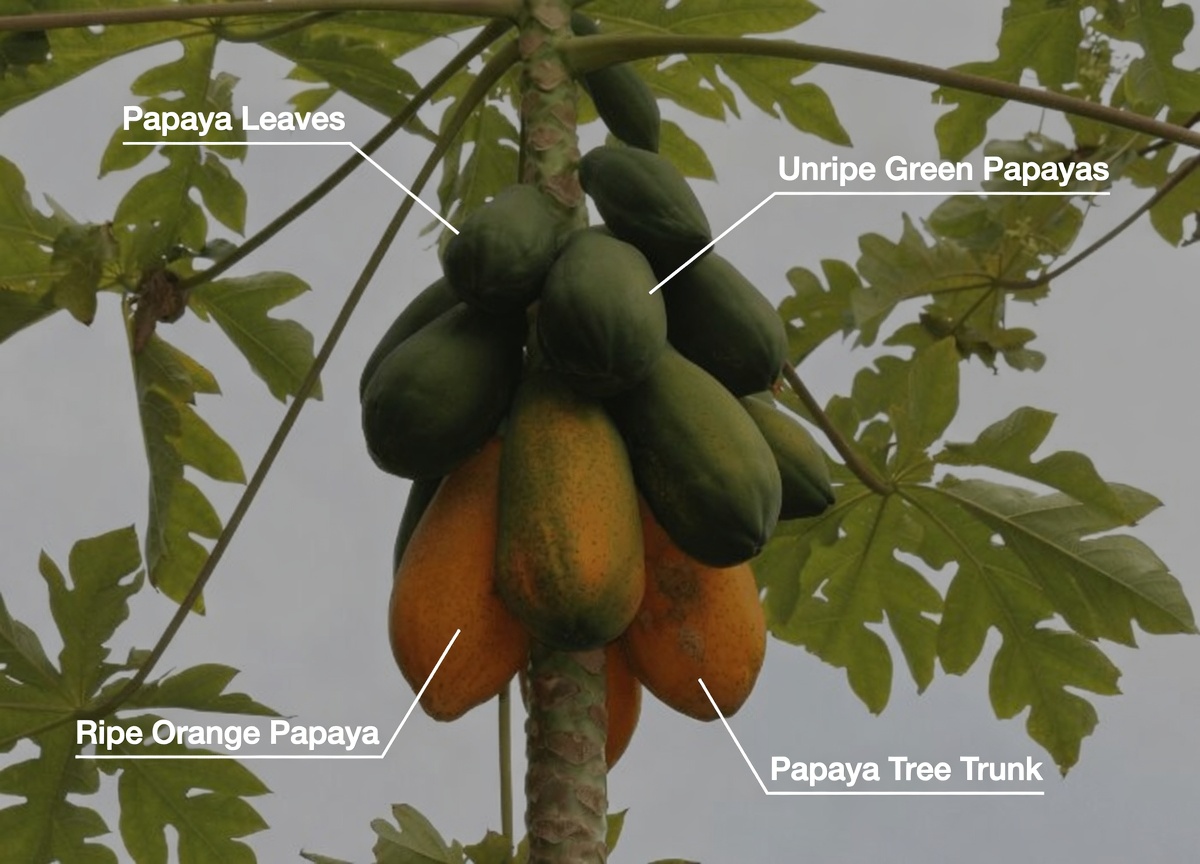
Focusing only on sap can miss the bigger picture: ripe papaya itself is a nutrient-dense food that supports digestive balance in multiple ways.
- Fiber for regularity: Ripe papaya provides dietary fiber, which supports bowel movement consistency and overall digestive rhythm.
- Antioxidants for a healthy gut environment: Papaya contains antioxidants such as vitamin C and beta-carotene, which may support a healthier internal environment. Nutrition guidance (including perspectives shared by Harvard Health) consistently emphasizes the importance of fiber-rich foods for digestive stability.
- A “toolkit” approach: Papaya’s sap, fruit, and leaves are often discussed together in traditional use—suggesting a broader, food-based strategy rather than relying on one isolated component.
Some early findings indexed through PubMed reflect interest in papaya-related compounds for issues like occasional bloating, but it’s best viewed as supportive nutrition—not a guaranteed fix.
Safer, Practical Ways to Try Papaya Sap
If you’re curious about using papaya sap, take a careful approach. Raw sap can be potent, and some people find it irritating.
A cautious, step-by-step approach
- Choose the fruit wisely: Select a semi-ripe papaya (not fully ripe if your goal is sap). Wash thoroughly.
- Extract minimally and carefully: Lightly score the skin and collect a small amount of sap. Wearing gloves can help prevent skin irritation.
- Dilute before using: Mix a tiny quantity into food preparations such as smoothies or marinades to reduce intensity.
- Start small and observe: Use minimal amounts and note how you feel over several days.
This is educational information only. For personalized guidance—especially if you have symptoms, medical conditions, or take medications—speak with a qualified healthcare professional.
Traditional Papaya Preparations and Modern Options
Around the world, papaya appears in traditional recipes designed to support digestion. One commonly mentioned preparation is papaya leaf tea, used in some cultures as a gentle addition to routine wellness.
Simple papaya leaf tea (traditional-style)
- Bring water to a boil.
- Add fresh papaya leaves.
- Simmer for about 10 minutes.
- Strain and drink warm.
Modern lifestyles have also popularized papaya enzyme chews and other enzyme-based products sold over the counter, offering convenience and standardized doses.
Methods compared
- Raw Sap
- Ease: Moderate
- Potential: Direct enzyme exposure
- Watch-outs: Skin/mouth irritation; allergy concerns
- Ripe Papaya Fruit
- Ease: Very easy
- Potential: Fiber + vitamins + natural enzymes
- Watch-outs: Generally minimal for most people
- Leaf Tea
- Ease: Simple
- Potential: Gentle infusion-style option
- Watch-outs: Allergy sensitivity; individual tolerance varies
- Supplements / Chews
- Ease: Convenient
- Potential: Standardized servings
- Watch-outs: Check labels; consult a clinician if using regularly
Who Should Be Cautious (Potential Downsides)
Papaya is not ideal for everyone, and papaya sap deserves extra care.
- Latex allergy risk: People with latex allergies may be more likely to react to papaya sap (papaya latex can be an issue for sensitive individuals).
- Pregnancy and specific health conditions: Pregnant individuals or anyone with a medical condition should seek professional guidance before experimenting with sap or concentrated preparations.
- Too much of a good thing: Even natural foods can cause discomfort in excess. Reports and guidance from global health sources (including discussions associated with organizations like the World Health Organization) commonly emphasize moderation and individual tolerance.
The most reliable rule: pay attention to your body’s response and avoid pushing through irritation or worsening symptoms.
How Papaya Habits Can Fit Into Everyday Wellness
Papaya works best as part of a sustainable routine—not as an overnight “hack.” A practical example is adding ripe papaya to your week:
- Aim for 1–2 servings per week as a realistic starting point.
- Pair it with fundamentals that strongly influence digestion: hydration, daily movement, and balanced meals.
- Supportive nutrition patterns are consistently linked with long-term health outcomes; reviews in publications such as Nutrition Reviews often highlight the value of regular fruit intake for overall wellness.
Practical Steps You Can Try Today
- Buy smart: Choose fresh (and if possible, organic) papayas from trusted sources.
- Keep it simple: Eat ripe papaya as a light snack after meals.
- Experiment carefully: If using sap, try a very small, diluted amount in a marinade once a week.
- Track your response: Write down meals and symptoms for a clearer picture of what helps.
- Mix for variety: Add papaya to yogurt, salads, or smoothies to keep the habit enjoyable.
Conclusion: Papaya Sap and Papaya Fruit as Gentle Digestive Support
Papaya sap and papaya fruit are often associated with digestive wellness thanks to a combination of enzymes (like papain) and fiber. While traditional use and early research are promising, the best approach is to start small, prioritize whole-food options like ripe papaya, and stay mindful of sensitivities.
The unexpected takeaway is that papaya sap isn’t only “about digestion”—it also reflects how tropical plants use natural compounds to protect and regulate their own growth, offering a reminder that wellness often connects back to nature’s broader design.
Frequently Asked Questions (FAQ)
What’s the best way to eat papaya for digestion?
For most people, fresh ripe papaya (alone or blended into smoothies) is the easiest option because it naturally provides fiber and enzymes. Start with a moderate serving and adjust based on how you feel.
Can I use papaya sap every day?
Daily use is generally not recommended without professional guidance because raw sap can be strong. If you try it, keep it minimal and diluted, or consider using ripe fruit instead.
Are there studies on papaya sap or papain?
Research—including articles in journals such as the International Journal of Molecular Sciences—discusses papain’s role in protein breakdown, but more targeted studies are still needed to clarify the specific effects of papaya sap in everyday use.
As with any natural wellness approach, this content is for educational purposes only. Consult a healthcare professional before making dietary changes or trying new remedies, especially if you have allergies, are pregnant, or have underlying health conditions.